
Shaba National Reserve: Joy Adamson's Last Wilderness and Isiolo's Semi-Desert Safari Gem
Shaba National Reserve in Isiolo County is the wildest of the three reserves along the Ewaso Ng'iro River. Famous as Joy Adamson's final home and a Born Free filming landscape, it shelters Grevy's zebra, reticulated giraffe and Somali ostrich amid springs and lava hills.

The Rendille People of Northern Kenya: Camel Pastoralism, Clan Traditions and a Culture Under Pressure
The Rendille are Cushitic-speaking camel pastoralists of Marsabit County, living between the Marsabit hills and Lake Turkana. This article explores their origins, clan system, age-set ceremonies, camel economy and the community's efforts to preserve a language and culture under pressure.
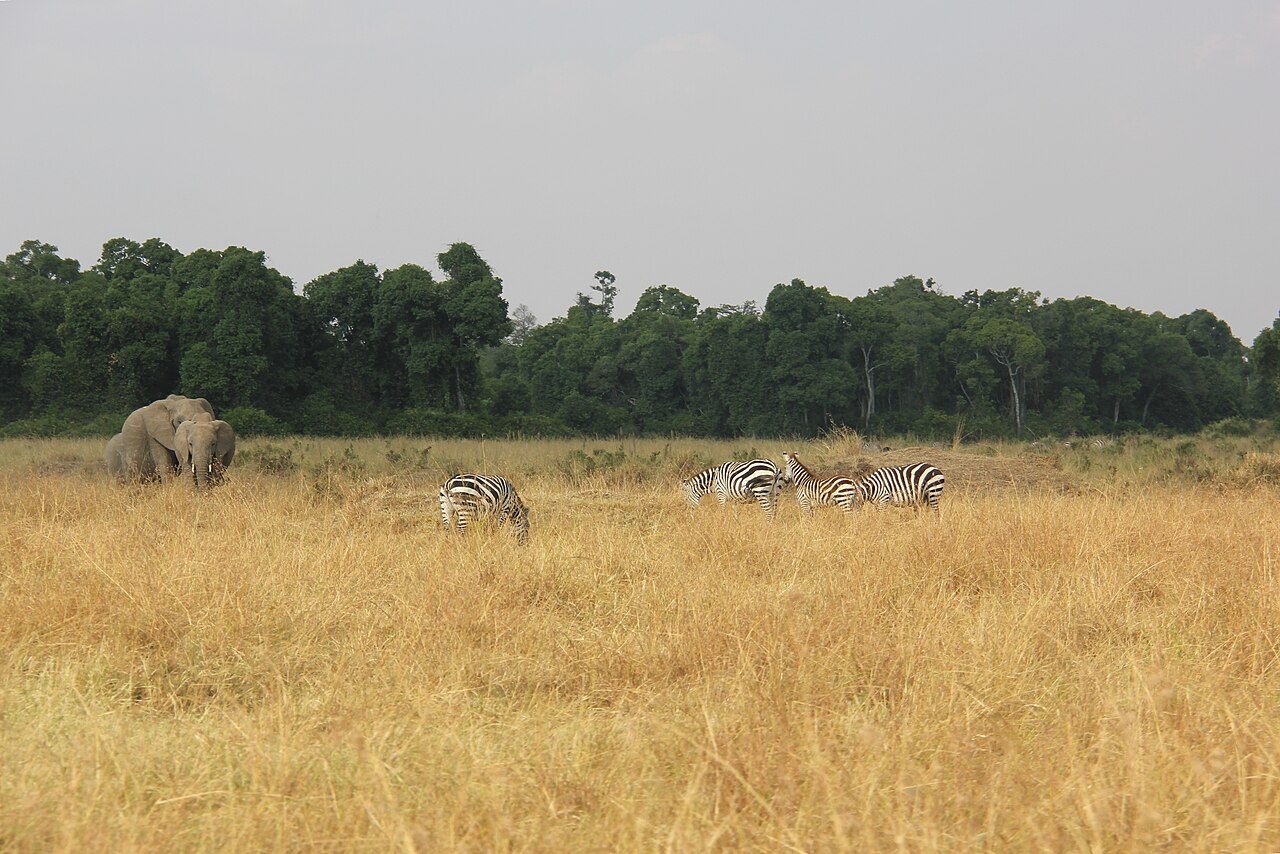
The Mara Triangle: How the Mara Conservancy Turned Around the Maasai Mara's Western Sector
The Mara Triangle, the north-western third of the Maasai Mara National Reserve, went from mismanagement in the 1990s to a celebrated public-private conservation partnership under the Mara Conservancy. This guide covers its history, anti-poaching record, wildlife and practical visitor information.
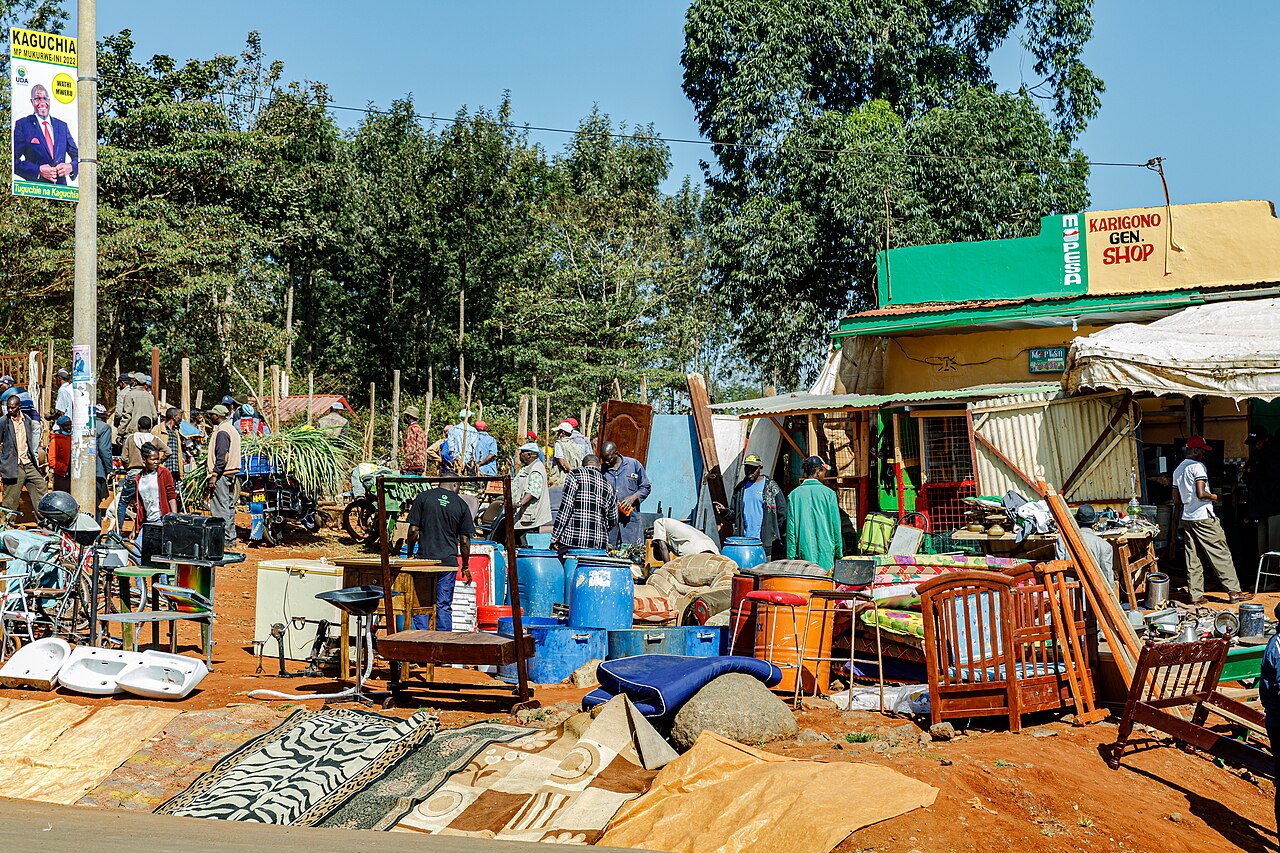
Karatina Market: East Africa's Largest Open-Air Market and the Engine of Mount Kenya's Farm Trade
Karatina Market in Nyeri County is widely described as the largest open-air market in East and Central Africa. This guide traces its history from a 1938 barter trade centre, examines the modern three-storey market hub, and explains how thousands of traders and smallholder farmers keep it running.
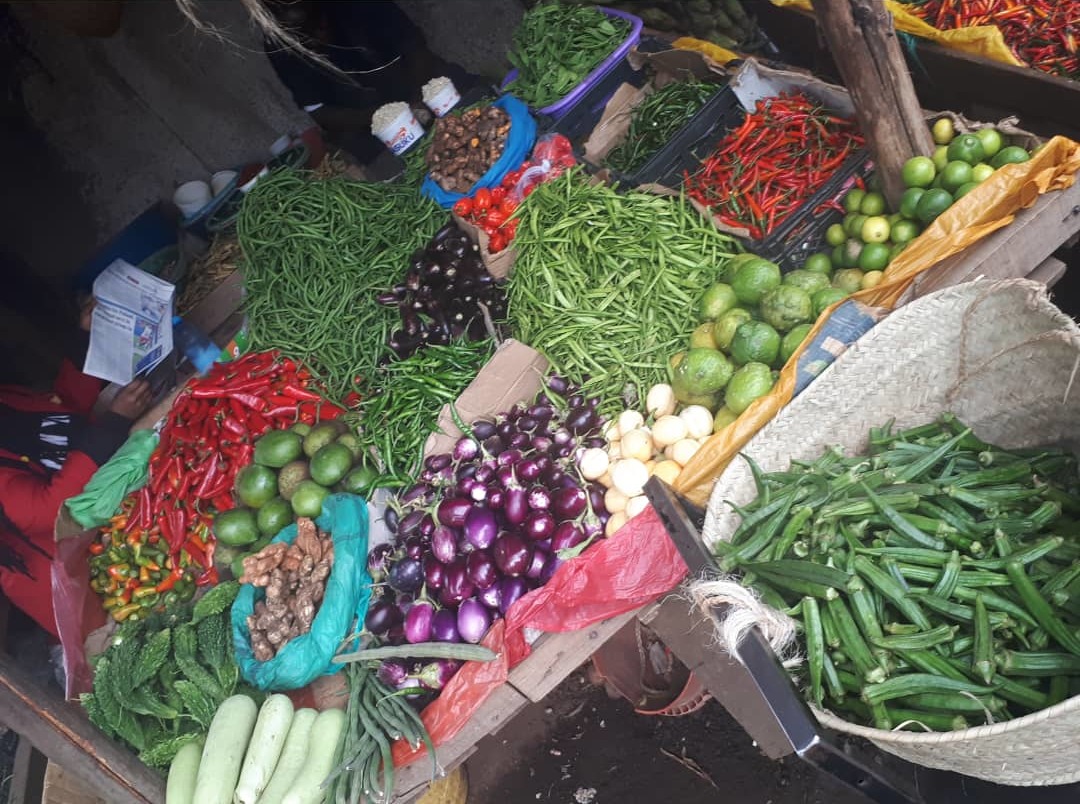
Wakulima Market (Marikiti): Nairobi’s Wholesale Heart of the Fresh Produce Trade
Known to traders simply as Marikiti, Wakulima Market is the wholesale heart of Nairobi’s fresh produce trade, drawing lorries of vegetables and fruit from across Kenya and neighbouring countries. This article examines its history, supply networks, congestion problems and the long-running relocation debate.
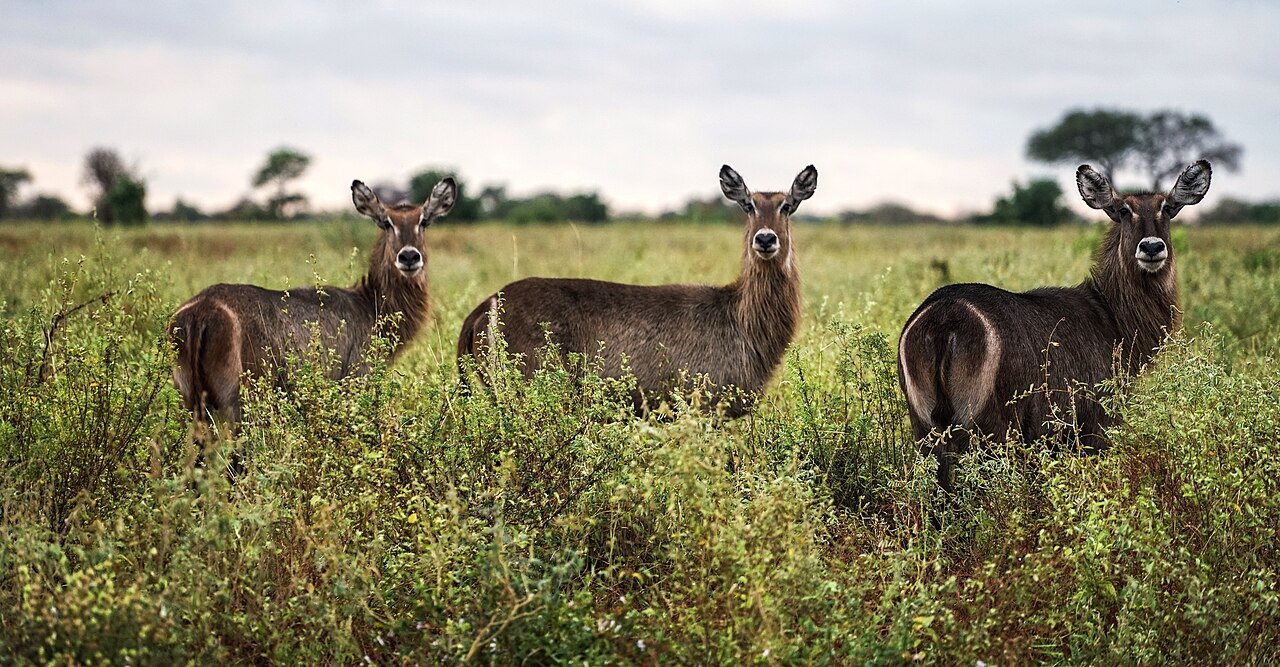
Meru National Park: Rhino Sanctuary, Born Free Country and Kenya’s Wild Northern Frontier
Straddling the equator northeast of Mount Kenya, Meru National Park combines an 870-square-kilometre wilderness, a fenced rhino sanctuary, thirteen rivers and the enduring legacy of the Born Free story into one of Kenya’s most remote conservation landscapes.
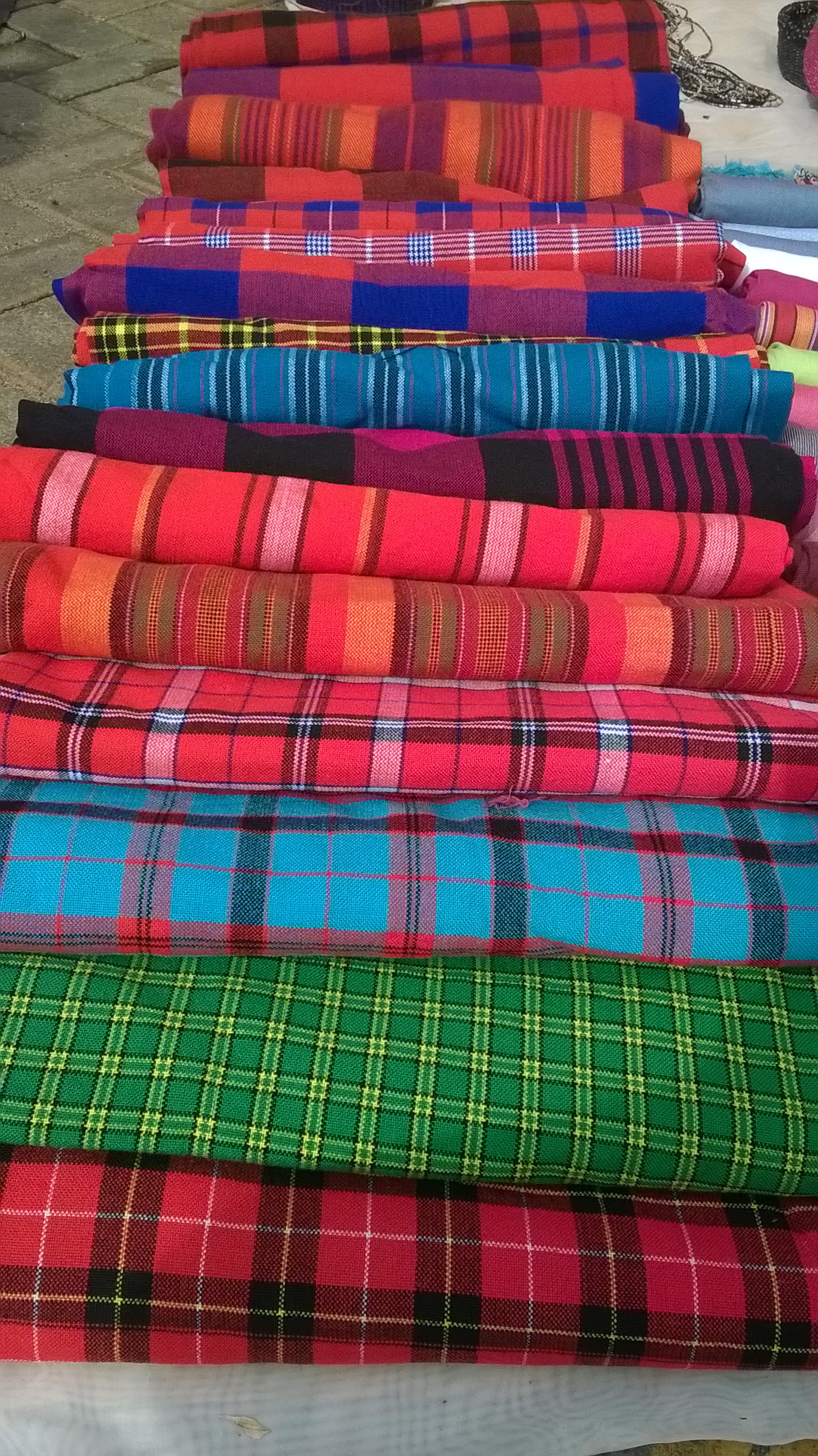
Gikomba Market: Inside Nairobi's Engine of the Mitumba Trade
Gikomba is Nairobi's largest market and the wholesale heart of Kenya's mitumba second-hand clothing trade. This guide traces its history, scale, the livelihoods it sustains, its recurring fires and the policy debates over second-hand imports.
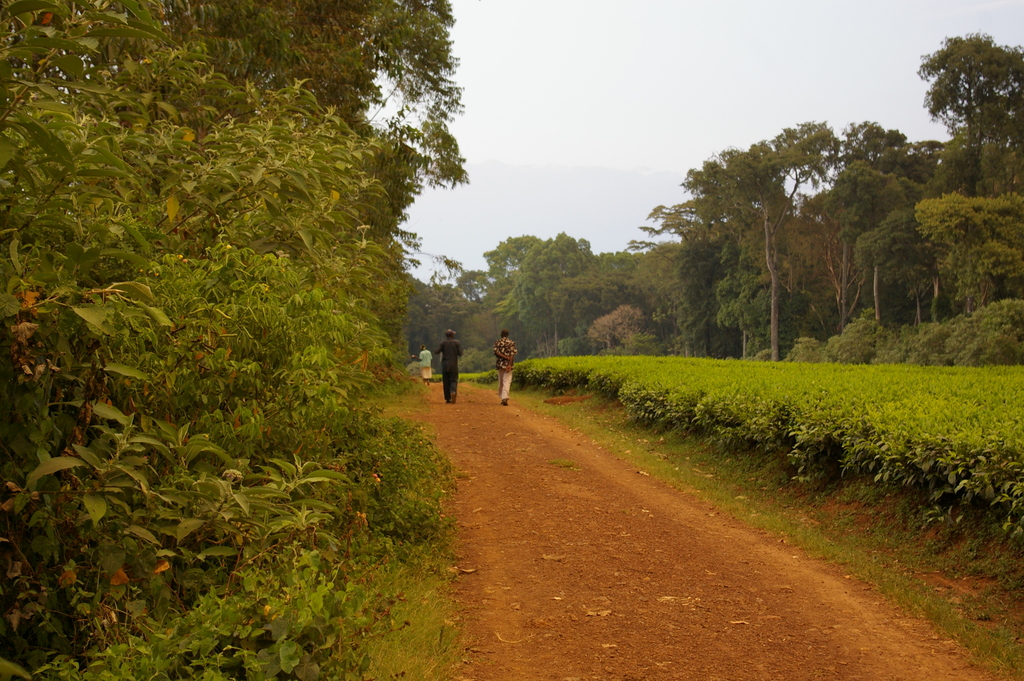
Kakamega County: Gold, Sugarcane and Kenya's Last Rainforest Economy
Kakamega County anchors western Kenya's sugar belt and hosts the country's only tropical rainforest. This guide examines its agriculture, artisanal gold mining, dairy and poultry investment frontiers, demographics and diaspora-relevant opportunities.
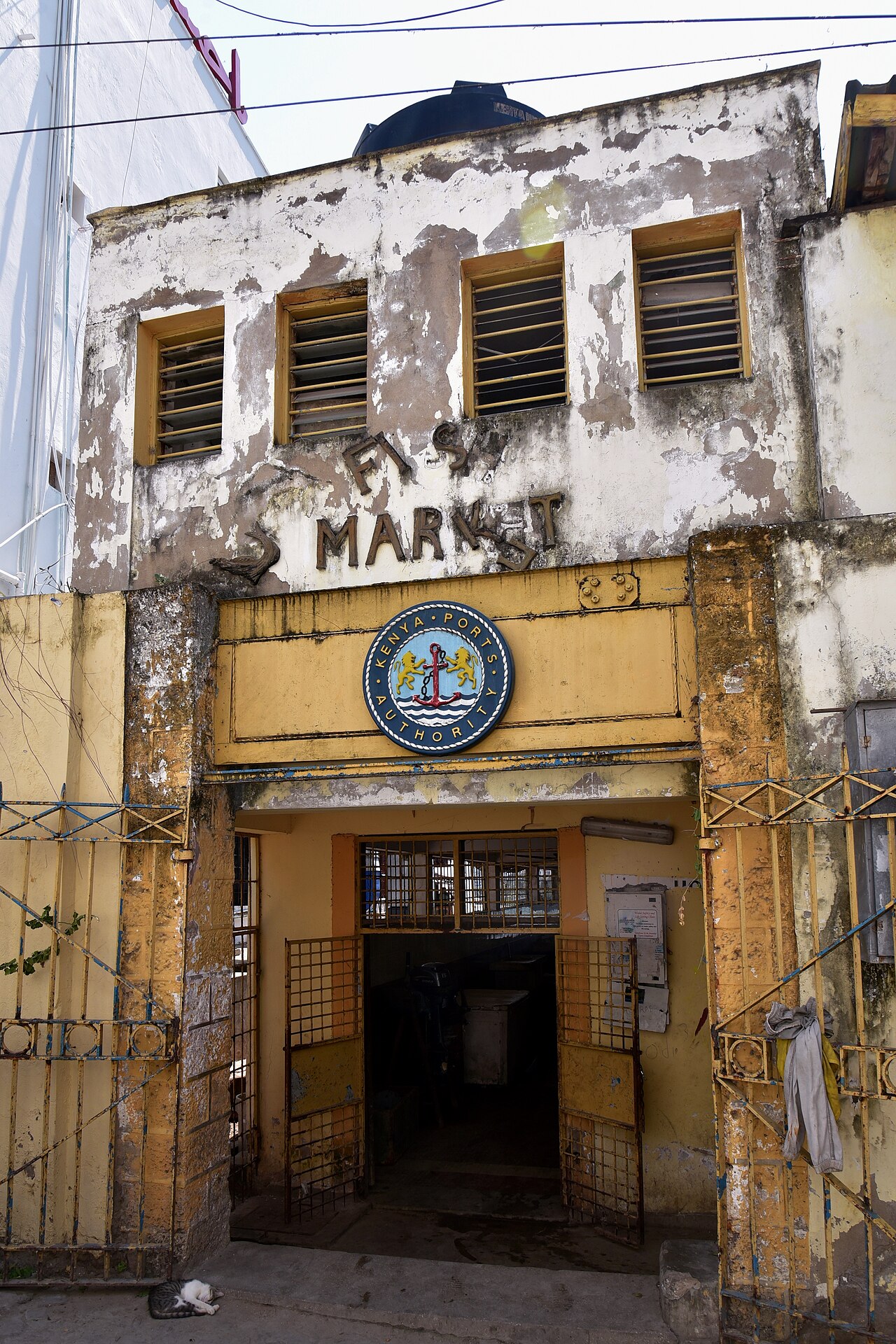
Kongowea Market: East Africa's Largest Fresh Produce Hub on the Mombasa Coast
Kongowea Market in Mombasa is one of East Africa's largest wholesale and retail fresh produce markets, drawing traders from across the region. This article examines its supply chains, traders, economic role, challenges and significance to the coastal economy.