Wakulima Market (Marikiti): Nairobi’s Wholesale Heart of the Fresh Produce Trade
Wakulima Market (Marikiti): Nairobi’s Wholesale Heart of the Fresh Produce Trade
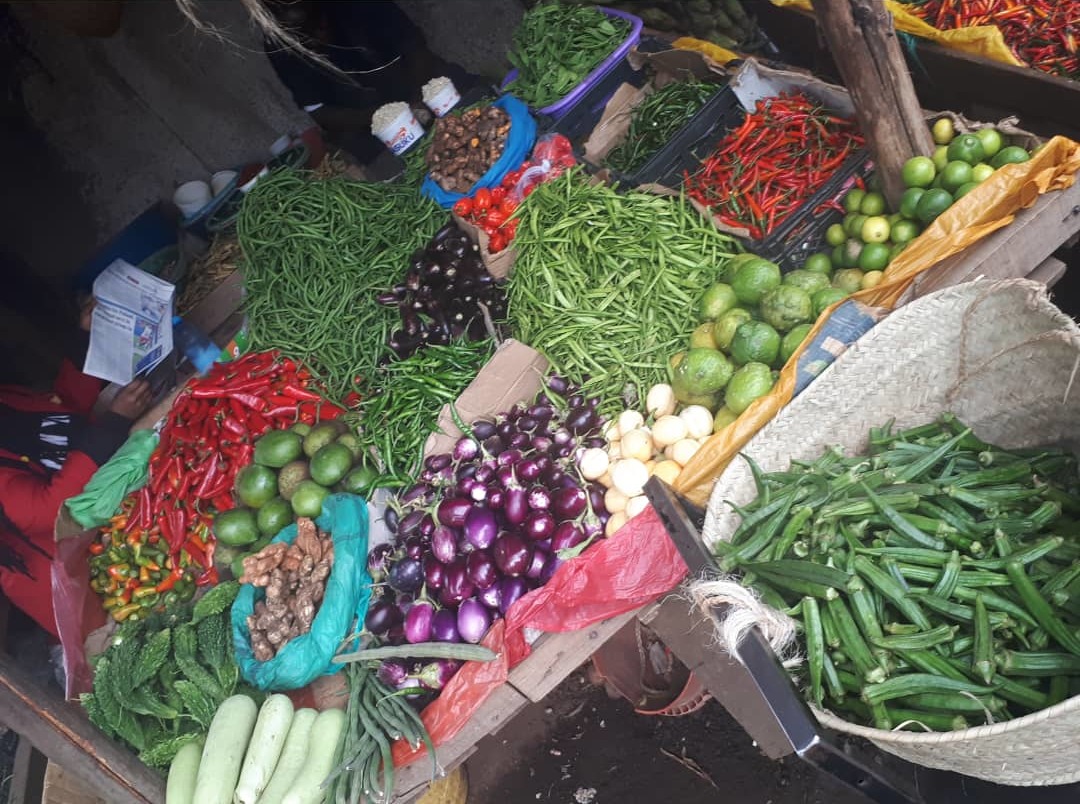
Wakulima Market, known almost universally by its Swahili nickname Marikiti, is the largest wholesale fresh produce market in Kenya and the pulsing core of Nairobi’s food supply system. Located in the city’s central business district, it is where vegetables, fruit and other produce from across the country and the wider region are aggregated, traded and dispersed to retailers, hawkers and households. For all its congestion and controversy, Marikiti remains indispensable to how Nairobi eats, and a vivid example of the informal trade that underpins the urban economy.
Origins and Growth
Wakulima Market was built in 1966, in the years immediately after independence, with the modest aim of accommodating around 300 traders. That capacity was quickly outgrown. By the early 1990s the market was reported to host some 2,000 traders, and in the decades since, estimates of those working in and around the market have climbed far higher, with city authorities at one point suggesting figures in the thousands or even up to ten thousand when associated porters, transporters and hangers-on are counted. What was designed as a manageable wholesale facility has become a sprawling, round-the-clock marketplace bursting well beyond its original footprint.
The name Wakulima — Swahili for farmers — captures the market’s original purpose as the meeting point between Kenya’s cultivators and the urban consumer. Today that function endures, but at a scale and intensity its designers never anticipated.
A Regional Supply Network
Marikiti’s significance lies in the geographic reach of its supply chains. Lorries and pickups laden with produce converge on the market from across Kenya and neighbouring countries. Onions arrive from as far as Tanzania, lemons and bananas come from Uganda, cabbages and potatoes are trucked in from Naivasha and the highlands, and bananas flow from Kisii and the western counties. This cross-border and cross-county trade makes the market a barometer of agricultural conditions across the region: a poor harvest or a transport disruption far from Nairobi is quickly felt in the prices and volumes at Marikiti.
Much of the trade happens in the small hours of the morning. Through the night, vehicles unload, brokers negotiate and porters ferry sacks and crates, so that by dawn retailers and market traders across Nairobi can stock their stalls. This wee-hours rhythm makes the market a critical, if largely invisible, piece of the city’s daily logistics. Agricultural production and marketing across the country are tracked by the Ministry of Agriculture, whose data illuminate the farming systems feeding markets like Marikiti.
Congestion, Sanitation and Working Conditions
The market’s success is also the source of its problems. Severe overcrowding, inadequate sanitation, poor drainage and the sheer volume of vehicles create difficult and sometimes hazardous conditions. The mix of perishable produce, limited waste management and dense human traffic has long given parts of the market a reputation for unpleasant conditions, even as commerce thrives. For traders, the lack of adequate storage means produce can spoil quickly, while congestion raises the cost and difficulty of moving goods in and out.
These conditions reflect a wider challenge in Nairobi: the mismatch between the scale of informal trade that sustains the city and the infrastructure available to support it. The market’s strain on the surrounding central business district — with lorries occupying streets and trade spilling onto pavements — has been a recurring concern for city planners. Urban markets and trade licensing fall under the remit of the Nairobi City County government.
The Relocation Debate
For years, authorities have sought to decongest the central business district by relocating Marikiti traders to a purpose-built facility. A large new market was constructed on Kangundo Road in the Mowlem area of Embakasi West, with construction beginning in 2017 and completed the following year, intended to receive traders moved from the city-centre site. Yet the new market stood largely unused for years, and the relocation has proved deeply contentious.
Traders have resisted the move for practical reasons. Many argue that the lorries bringing onions and other produce from Tanzania and distant regions cannot easily be accommodated at the new site, and that relocating away from the established central location would disrupt long-standing customer and supplier relationships. The dispute has spilled into the courts, with traders at times securing reprieves against planned evictions. The episode illustrates how difficult it is to relocate a deeply rooted informal economy, even when new infrastructure has been built.
Economic and Food Security Importance
Beyond its daily commerce, Marikiti is a pillar of food security and livelihoods. It connects smallholder farmers to the urban market, provides income for thousands of traders, brokers, transporters and porters, and helps determine the price and availability of staple vegetables and fruit for millions of Nairobi residents. The market’s efficiency — or inefficiency — directly affects both farmer incomes and consumer food costs, making it a node of national economic significance. Data on prices, trade and household consumption that contextualise the market’s role are compiled by the Kenya National Bureau of Statistics.
The Diaspora and Investment Angle
For the Kenyan diaspora, markets like Marikiti represent both nostalgia and opportunity. Many in the diaspora grew up with the rhythms of such markets and retain ties to the agricultural communities that supply them. There is growing interest in investments that could modernise the produce value chain — cold storage, aggregation centres, logistics and agri-processing — that would ease the pressures evident at Marikiti while raising returns for farmers. Diaspora capital and expertise are increasingly seen as potential contributors to upgrading Kenya’s food markets and reducing post-harvest losses.
Conclusion
Wakulima Market, the indomitable Marikiti, encapsulates the energy and the contradictions of Nairobi’s economy: indispensable yet overcrowded, informal yet systemically vital, rooted in place yet straining its surroundings. Its regional supply chains feed the capital, its traders sustain countless livelihoods, and its future — whether decongested, relocated or modernised in place — will shape the efficiency of Kenya’s food system for years to come.
More Articles

The Multiparty Era Reforms: Saba Saba, the Repeal of Section 2A and Kenya's Return to Political Pluralism
Jul 02, 2026

Eye Care in Kenya: Cataract, Trachoma and the Long Road to Universal Vision Health
Jul 02, 2026

Shaba National Reserve: Joy Adamson's Last Wilderness and Isiolo's Semi-Desert Safari Gem
Jul 02, 2026

The Rendille People of Northern Kenya: Camel Pastoralism, Clan Traditions and a Culture Under Pressure
Jul 02, 2026

Ukulima Sacco: From Ministry of Agriculture Staff Society to a National Cooperative Open to All Kenyans
Jul 02, 2026