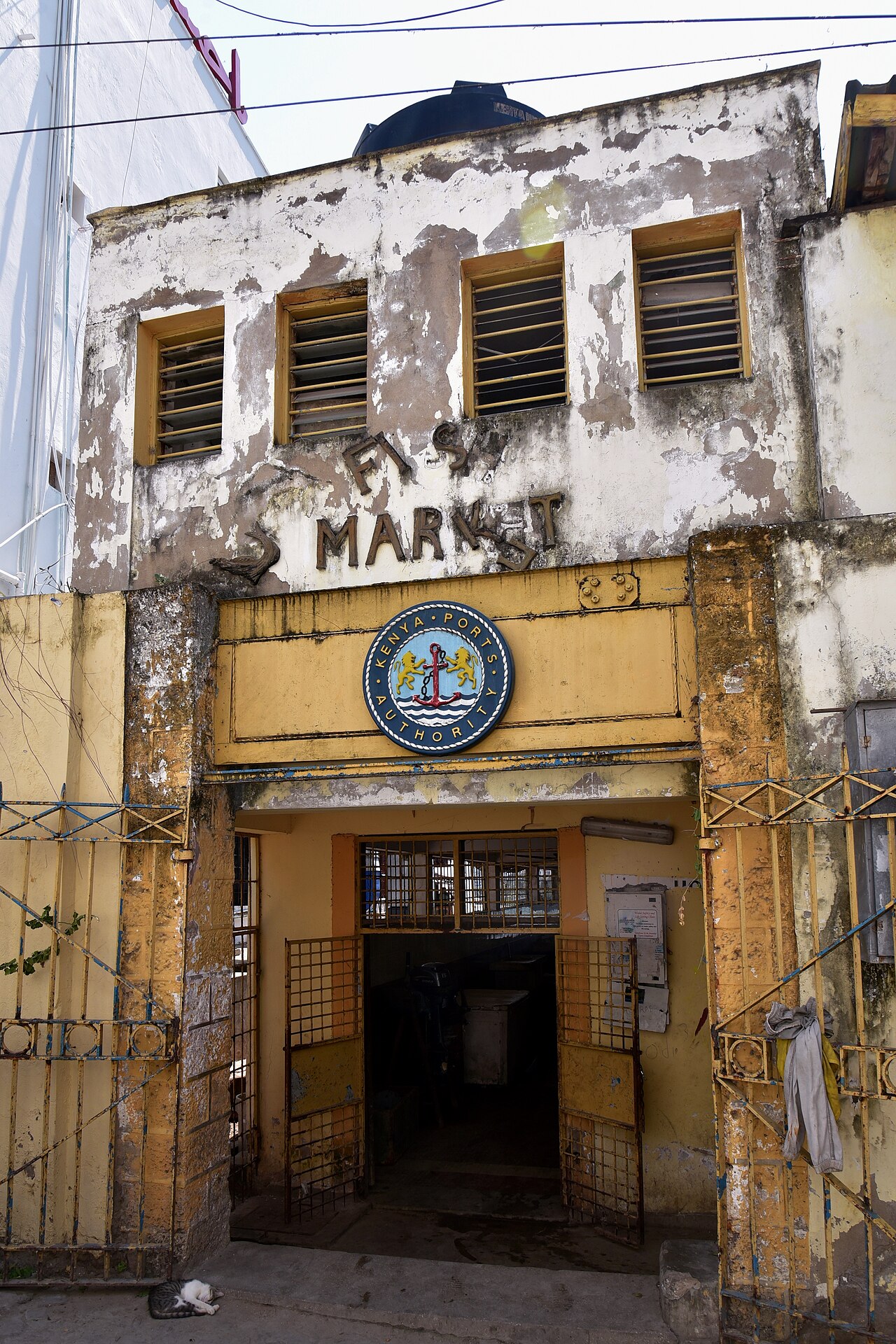
Kongowea Market: East Africa's Largest Fresh Produce Hub on the Mombasa Coast
Kongowea Market: East Africa's Largest Fresh Produce Hub on the Mombasa Coast
On the mainland north of Mombasa Island lies Kongowea Market, one of the largest wholesale and retail markets for fresh produce in East Africa. Bustling around the clock and drawing traders from across the region, Kongowea is the beating heart of the coastal food economy, the place where produce grown in the Kenyan highlands, the coastal hinterland and neighbouring countries converges before being distributed to households, hotels, restaurants and smaller markets throughout Mombasa and the wider coast. Its scale, energy and economic importance make it far more than a marketplace; it is critical infrastructure for feeding a major city.
Location and Scale
Kongowea Market is situated in the Kongowea area of Nyali, on the mainland across the creek from Mombasa Island, within Mombasa County. Its strategic position near the city centre and close to the Port of Mombasa has helped it become the principal trading hub for goods moving between the Kenyan interior, the coast and neighbouring countries. The market has grown over the years to become the largest of its kind in the coastal region, and a multi-storey market building opened in the mid-2010s expanded its capacity considerably, adding modern trading space to the sprawling open-air sections that have long defined it.
What Is Traded
The defining commodity at Kongowea is fresh produce. Fruits and vegetables dominate the trade, arriving in bulk from the productive farming regions of central Kenya, the Rift Valley and the coastal hinterland, as well as from across the borders with Tanzania and Uganda. Alongside produce, the market features sections for cereals and grains, spices, seafood and fish landed along the coast, meat, and a variety of household goods and clothing. This diversity makes Kongowea a one-stop trading centre where wholesalers, retailers and individual shoppers can source almost anything for the kitchen and the home.
The market operates on both wholesale and retail levels. Large consignments arrive by truck, often overnight, and are broken down and sold on to retailers who supply neighbourhood kiosks, market stalls and door-to-door vendors across Mombasa. Hotels and restaurants in the tourism-dependent coastal economy are major buyers, sourcing the fresh ingredients on which the region's hospitality industry depends.
Supply Chains and Regional Trade
Kongowea sits at the convergence of long and complex supply chains. Much of its produce travels hundreds of kilometres from the high-rainfall farming zones of the interior, a journey that shapes prices, freshness and the fortunes of farmers and transporters alike. The market's proximity to the port and to the border with Tanzania also makes it a node in regional trade, with produce and goods moving across frontiers to meet coastal demand. This integration into both national and cross-border supply chains gives Kongowea a significance that extends well beyond Mombasa's boundaries, linking coastal consumers to farmers across East Africa.
The Traders and the Informal Economy
Kongowea is, above all, a place of people. Thousands of traders, from large wholesalers to small retailers and casual workers such as porters, loaders and handcart operators, earn their livelihoods in and around the market. For many coastal families, a stall or a job at Kongowea is the foundation of household income, and the market is a major source of employment in a region where formal jobs are scarce. The market embodies the dynamism of Kenya's informal economy, where enterprise, negotiation and resilience drive daily commerce.
This human density also brings challenges. Congestion, sanitation, waste management, security and the periodic friction between traders and county authorities over fees and allocation of stalls are recurring issues. The management of such a large and vital market falls under the Mombasa County government, which is responsible for market infrastructure, hygiene and order. County-level trade and revenue functions across Kenya operate within the devolved framework supported by the Council of Governors, the body that coordinates county governments.
Economic Significance
The economic role of Kongowea is profound. As the largest fresh produce market on the coast, it sets reference prices for produce across the region and serves as the critical link between farmers and the urban population. A disruption at Kongowea, whether from a strike, a fire, infrastructure failure or a supply shock, ripples quickly through food prices and availability across Mombasa. In this sense the market is a barometer of the coastal economy and a key piece of food-security infrastructure. Its efficient functioning supports the affordability of food for hundreds of thousands of residents and underpins the supply chains of the tourism and hospitality sectors that are central to the coastal economy. National statistics on agricultural production and food prices that contextualise markets like Kongowea are compiled by the Kenya National Bureau of Statistics.
Modernisation and the Future
Efforts to modernise Kongowea have included the construction of the multi-storey market building and periodic proposals to improve sanitation, parking, cold storage and extended operating hours to ease congestion and reduce post-harvest losses. Cold-chain infrastructure in particular could significantly reduce spoilage of perishable produce, improving returns for farmers and traders and reducing waste. Better organisation of the wholesale and retail functions, improved waste management and investment in modern facilities would enhance the market's efficiency while preserving the vibrant trading culture that defines it.
Conclusion
Kongowea Market is a living institution of the Kenyan coast, a place where the produce of farms across East Africa meets the appetite of a great port city. As one of the largest fresh produce markets in the region, it sustains livelihoods, feeds a population and links farmers to consumers across borders. For anyone seeking to understand how Mombasa eats, how the coastal economy works, or how Kenya's informal trading sector operates at scale, Kongowea offers a vivid and indispensable picture. Its continued modernisation, balanced against the preservation of its dynamic trading community, will shape food security and livelihoods on the coast for years to come.
More Articles

The Multiparty Era Reforms: Saba Saba, the Repeal of Section 2A and Kenya's Return to Political Pluralism
Jul 02, 2026

Eye Care in Kenya: Cataract, Trachoma and the Long Road to Universal Vision Health
Jul 02, 2026

Shaba National Reserve: Joy Adamson's Last Wilderness and Isiolo's Semi-Desert Safari Gem
Jul 02, 2026

The Rendille People of Northern Kenya: Camel Pastoralism, Clan Traditions and a Culture Under Pressure
Jul 02, 2026

Ukulima Sacco: From Ministry of Agriculture Staff Society to a National Cooperative Open to All Kenyans
Jul 02, 2026