The Mara Triangle: How the Mara Conservancy Turned Around the Maasai Mara's Western Sector
The Mara Triangle: How the Mara Conservancy Turned Around the Maasai Mara's Western Sector
The Maasai Mara National Reserve is Kenya's most famous protected area, but fewer visitors realise that the reserve is managed in two distinct parts. East of the Mara River, the larger sector falls directly under the County Government of Narok. West of the river, wedged between the Oloololo Escarpment and the Tanzanian border, lies the Mara Triangle: roughly a third of the reserve and, for the past two decades, the setting for one of Africa's most closely watched experiments in protected-area management.
The Triangle's story runs from near collapse in the 1990s to a management turnaround that conservationists now cite as a model for public-private partnership. Understanding that story explains much about how Kenya's wildlife economy works, and why the western Mara consistently earns a reputation for well-kept roads, disciplined game viewing and effective anti-poaching patrols.
Geography of the Triangle
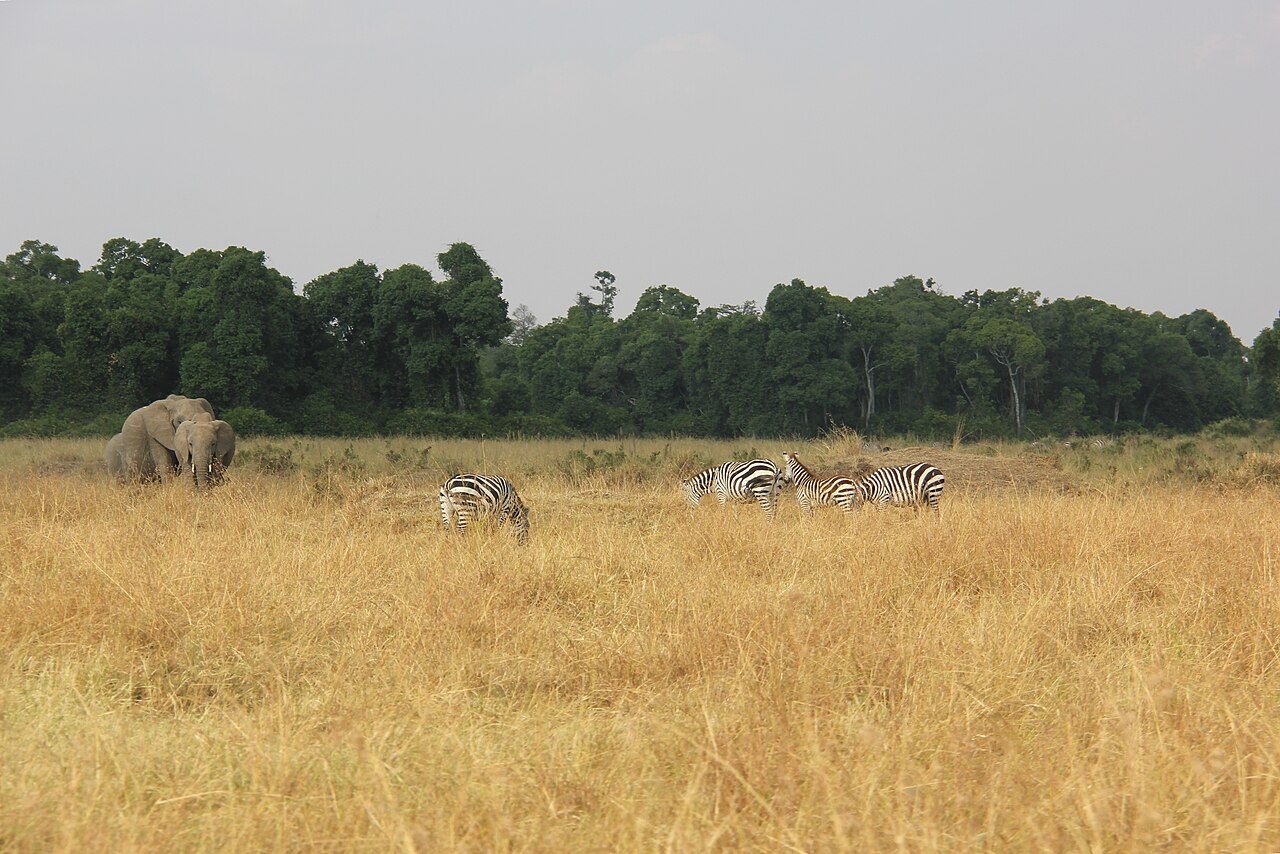
The Mara Triangle covers the land between the Mara River to the east, the Oloololo (Siria) Escarpment to the west and the international border with Tanzania's Serengeti National Park to the south. Its open grasslands, seasonal marshes and riverine forest support exceptional densities of wildlife year-round. Because the escarpment traps moisture, the Triangle's grass often stays greener longer than the eastern plains, drawing herbivores late into the dry season.
The sector is also the stage for the most dramatic scenes of the annual wildebeest migration. Between roughly July and October, hundreds of thousands of wildebeest and zebra cross the Mara River between the Triangle and the eastern reserve, running the gauntlet of some of Africa's largest crocodiles at crossing points that have become famous through wildlife film-making.
From Mismanagement to the Mara Conservancy
Administration of the Maasai Mara was split in 1994, when the newly created Trans Mara District took responsibility for the reserve west of the river while the Narok side retained the east. By the late 1990s the Triangle was in serious trouble. Contemporary accounts describe collapsed infrastructure, revenue leakage, illegal grazing and poaching pressure so severe that only a fraction of the sector was considered secure. Snaring by commercial bushmeat poachers crossing from the border area was killing thousands of animals annually.
In 2000, local leaders in Trans Mara sought an alternative. The result was the Mara Conservancy, a not-for-profit management company established to run the Triangle under contract. A five-year management agreement was signed in May 2001 and the Conservancy began operations that June, pioneering an arrangement in which a county authority retained ownership and oversight while delegating day-to-day management, revenue collection and security to a professional non-profit operator. Following devolution, the contract falls under the County Government of Narok, which now administers the entire reserve's ownership on behalf of its residents.
The Anti-Poaching Record
The Conservancy's first priority was security. It re-equipped and retrained ranger units, established joint cross-border patrols with Tanzanian authorities, and introduced systematic de-snaring sweeps through the Triangle and the adjoining border zone. Over its first two decades the Conservancy reported recovering tens of thousands of wire snares and arresting thousands of poaching suspects, figures it publishes in regular management reports. Sniffer and tracker dog units added a capability that has since been emulated elsewhere in the Mara ecosystem.
Equally important was financial discipline. The Conservancy instituted transparent revenue collection at the gates, plugged leakages, and adopted a revenue-sharing formula that funds both operations and payments to the county. Even in difficult years, the model kept rangers paid and vehicles fuelled, which conservationists regard as the foundation of its anti-poaching success.
Wildlife of the Mara Triangle
The Triangle hosts the full complement of the Mara's large mammals. Lion prides here are among the most studied in Africa, and the sector supports cheetah, leopard, spotted hyena, elephant, buffalo, hippo and giraffe alongside the migratory herds. Black rhino occur in the wider reserve and adjoining conservancies, protected by dedicated monitoring. Birdlife exceeds 450 species across the Mara ecosystem, from ground hornbills and secretary birds on the plains to fish eagles along the river.
Kenya Wildlife Service, which sets national policy for wildlife conservation, classifies the greater Mara as one of the country's premier wildlife ecosystems, and national censuses coordinated through the Kenya Wildlife Service and the Wildlife Research and Training Institute track its populations of elephants, big cats and plains game. The Mara's wildlife underpins a tourism industry that the Ministry of Tourism consistently ranks among Kenya's top foreign exchange earners.
Visiting the Mara Triangle
Getting There
By road, the Triangle is reached through the Oloololo Gate on the north-western side, typically via Narok and the Mara West road or from Kisumu and Kisii through Kilgoris. Most visitors arrive by air: scheduled flights from Nairobi's Wilson Airport serve airstrips including Kichwa Tembo and Serena, minutes from the sector's lodges.
Where to Stay
Accommodation inside and adjacent to the Triangle ranges from the long-established lodge overlooking the plains near the escarpment to tented camps along the river and budget-friendly public campsites administered by the Conservancy. Because the Triangle limits off-road driving and enforces vehicle-per-sighting rules, game viewing tends to feel less congested than in busier parts of the reserve, a deliberate management choice.
Fees and Rules
Park entry fees for the Maasai Mara are set by the county and collected electronically at the gates, with non-resident, resident and citizen categories. The Triangle enforces reserve rules strictly: vehicles must stay on tracks in sensitive areas, night driving is prohibited without authorisation, and rangers actively police crowding at predator sightings. Visitors should carry identification and book through licensed tour operators regulated under the Ministry of Tourism and Wildlife framework.
The Balance of Conservation and Community
The Triangle's future is bound to the Maasai communities that surround it. Revenue from the reserve flows to the county and, through employment, bursaries and community projects, to villages along the escarpment. The growth of community conservancies on the Mara's group ranches has extended wildlife-compatible land use beyond the reserve boundary, creating buffer zones that benefit both herders and wildlife. Pressures remain, including settlement growth, fencing on dispersal areas and the perennial challenge of sharing tourism revenue equitably, but the Mara Conservancy's two decades of stewardship demonstrate that focused, accountable management can reverse decline.
Why the Mara Triangle Matters
The Mara Triangle is both a spectacular safari destination and a governance lesson. It shows that the question of who manages a protected area, and how transparently, can matter as much as the wildlife itself. For visitors, the sector offers the migration river crossings, big cats and sweeping escarpment views that define the Mara. For Kenya's conservation sector, it remains the reference case for what a disciplined public-private partnership can achieve with a fragile, world-class ecosystem.
More Articles

The Multiparty Era Reforms: Saba Saba, the Repeal of Section 2A and Kenya's Return to Political Pluralism
Jul 02, 2026

Eye Care in Kenya: Cataract, Trachoma and the Long Road to Universal Vision Health
Jul 02, 2026

Shaba National Reserve: Joy Adamson's Last Wilderness and Isiolo's Semi-Desert Safari Gem
Jul 02, 2026

The Rendille People of Northern Kenya: Camel Pastoralism, Clan Traditions and a Culture Under Pressure
Jul 02, 2026

Ukulima Sacco: From Ministry of Agriculture Staff Society to a National Cooperative Open to All Kenyans
Jul 02, 2026