
Shaba National Reserve: Joy Adamson's Last Wilderness and Isiolo's Semi-Desert Safari Gem
Shaba National Reserve in Isiolo County is the wildest of the three reserves along the Ewaso Ng'iro River. Famous as Joy Adamson's final home and a Born Free filming landscape, it shelters Grevy's zebra, reticulated giraffe and Somali ostrich amid springs and lava hills.
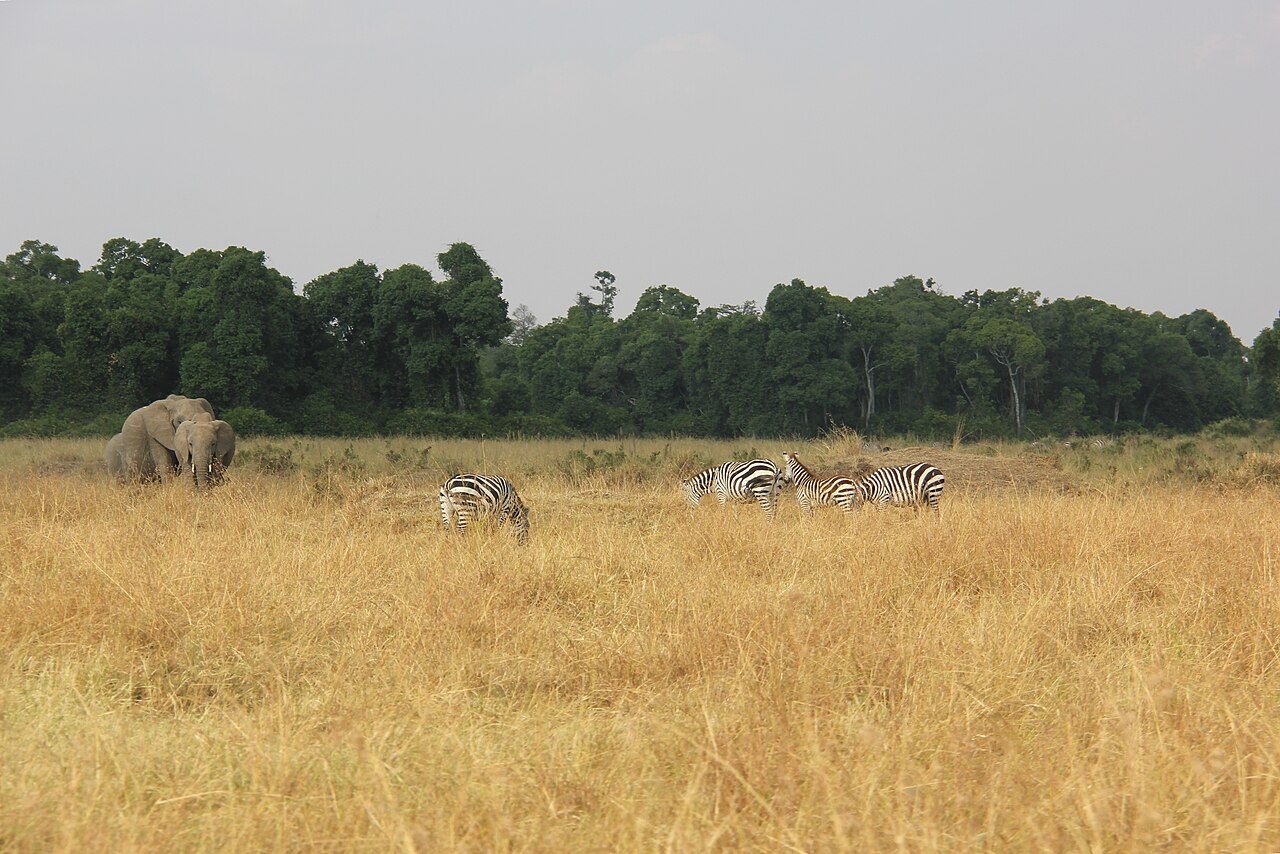
The Mara Triangle: How the Mara Conservancy Turned Around the Maasai Mara's Western Sector
The Mara Triangle, the north-western third of the Maasai Mara National Reserve, went from mismanagement in the 1990s to a celebrated public-private conservation partnership under the Mara Conservancy. This guide covers its history, anti-poaching record, wildlife and practical visitor information.
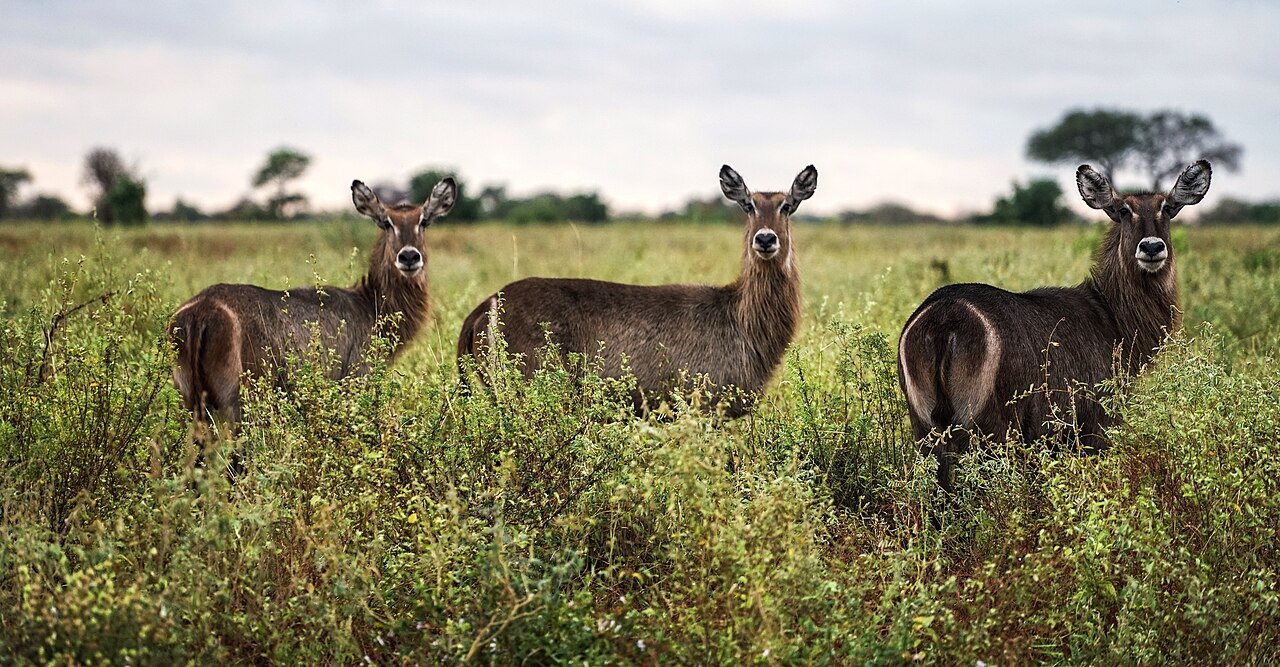
Meru National Park: Rhino Sanctuary, Born Free Country and Kenya’s Wild Northern Frontier
Straddling the equator northeast of Mount Kenya, Meru National Park combines an 870-square-kilometre wilderness, a fenced rhino sanctuary, thirteen rivers and the enduring legacy of the Born Free story into one of Kenya’s most remote conservation landscapes.
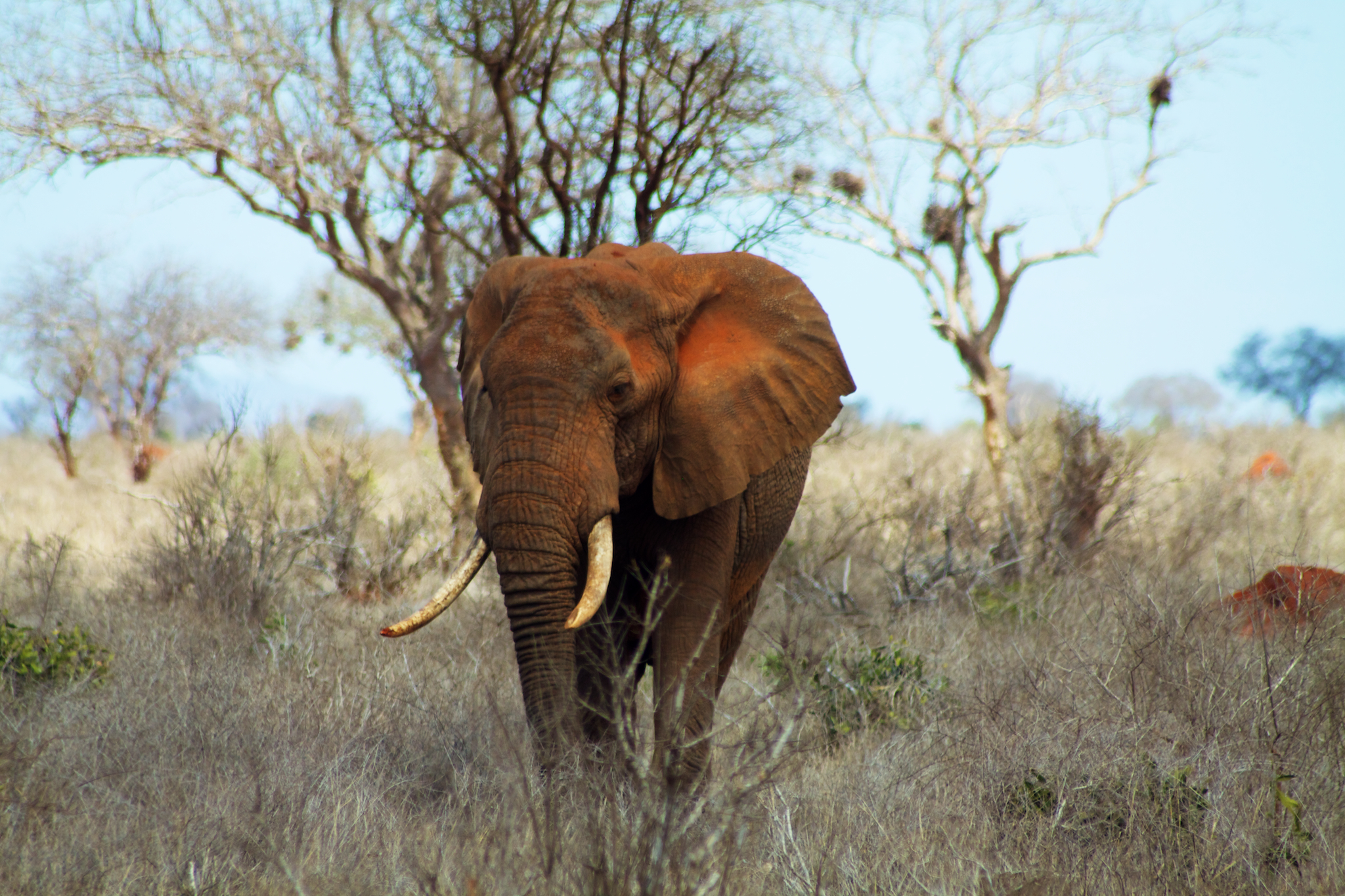
Tsavo East National Park: Red Elephants, the Galana River and Kenya's Largest Wilderness
Tsavo East is Kenya's largest protected wilderness, famed for dust-red elephants, the Galana River and vast savanna. This guide covers its geography, wildlife, conservation history, the man-eaters legend and its place in Kenya's tourism economy.
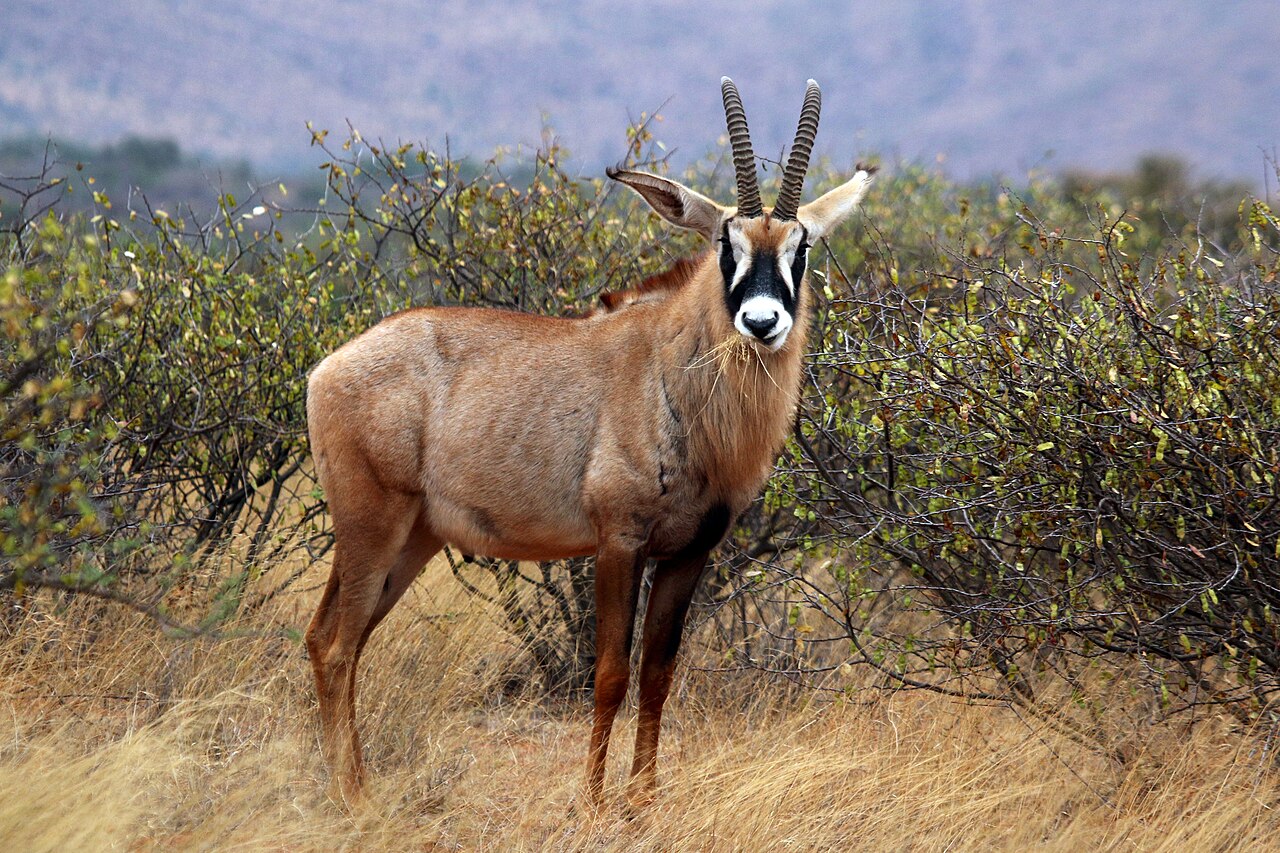
Ruma National Park: Kenya's Last Refuge of the Roan Antelope in the Lambwe Valley
Tucked in the Lambwe Valley of Homa Bay County, Ruma National Park is the sole indigenous home of Kenya's roan antelope. This guide examines the park's ecology, conservation challenges, wildlife, access and its place in the western Kenya tourism circuit.
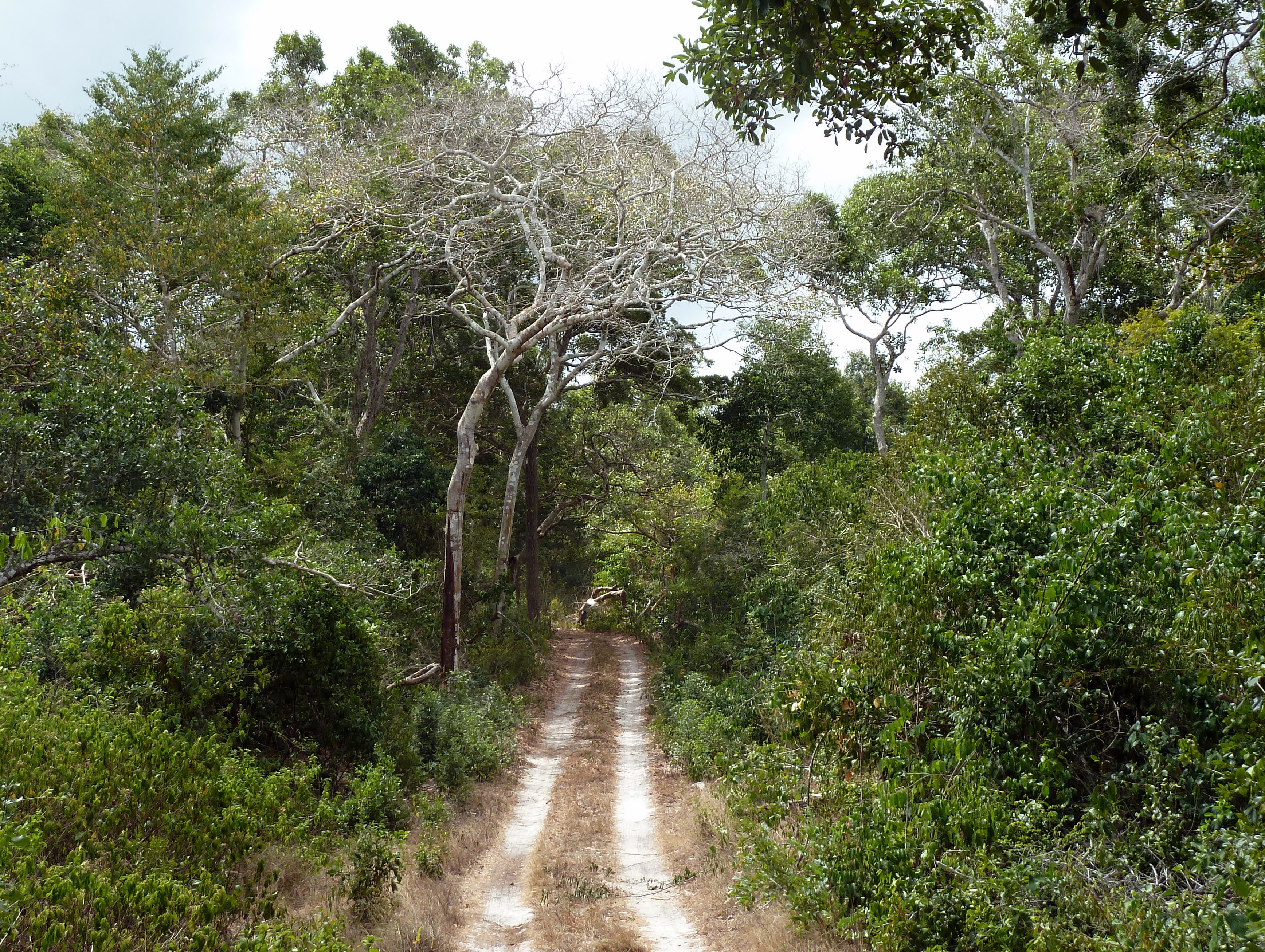
Arabuko-Sokoke Forest Reserve: East Africa's Largest Coastal Forest, Endemic Birds and the Conservation Economy of Kilifi
Arabuko-Sokoke is East Africa's largest remaining coastal forest, a 420 square kilometre Kilifi County reserve famed for the Sokoke Scops Owl, Clarke's Weaver and the Aders's duiker, jointly managed by KFS and KWS with strong community conservation enterprises.
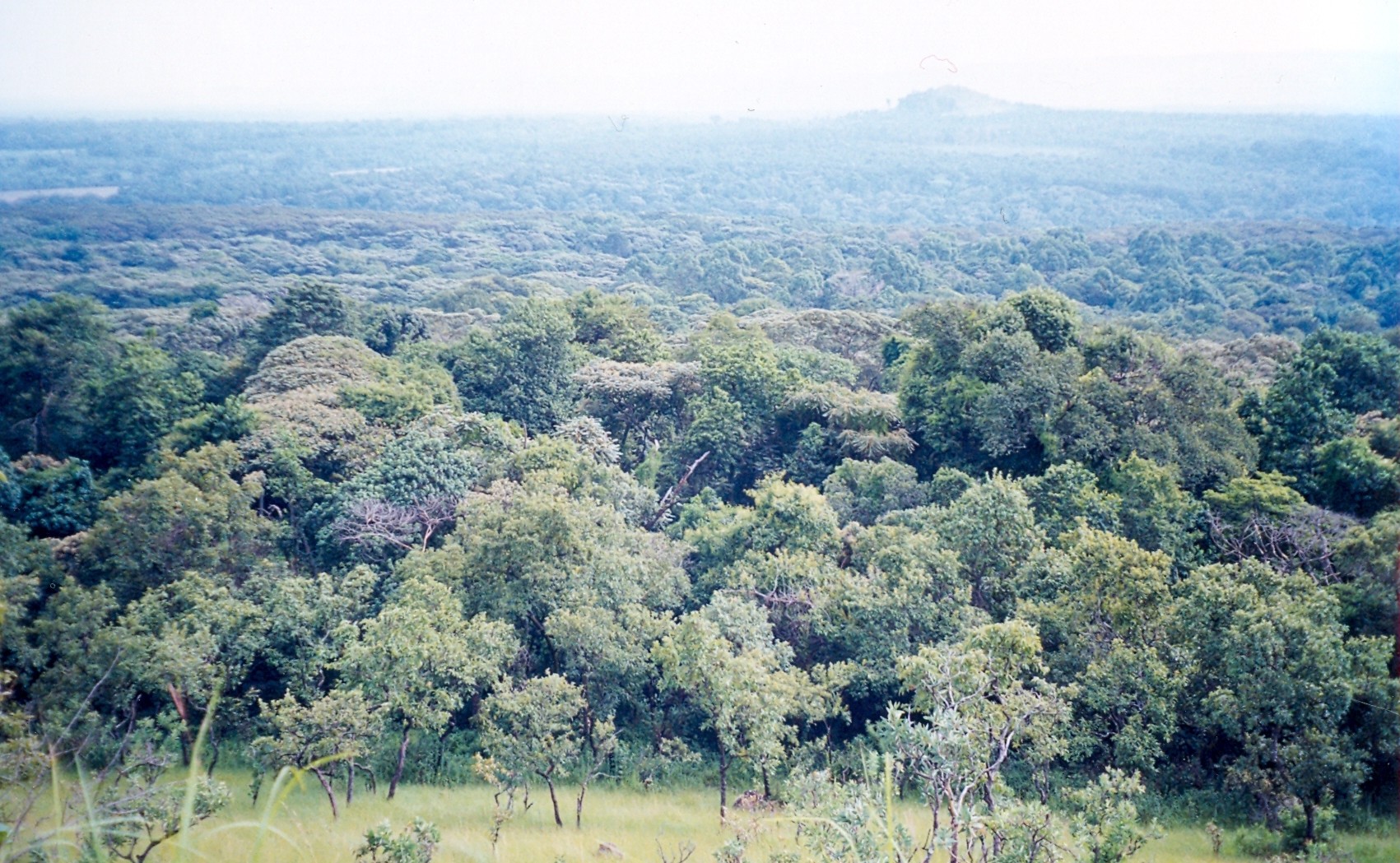
Kakamega Forest National Reserve: Kenya's Last Tropical Rainforest, Biodiversity and Western Kenya Tourism Frontier
A comprehensive guide to Kakamega Forest National Reserve — Kenya's last patch of equatorial rainforest, its primates and birds, conservation politics, tourism infrastructure and the economy of forest-edge communities in western Kenya.
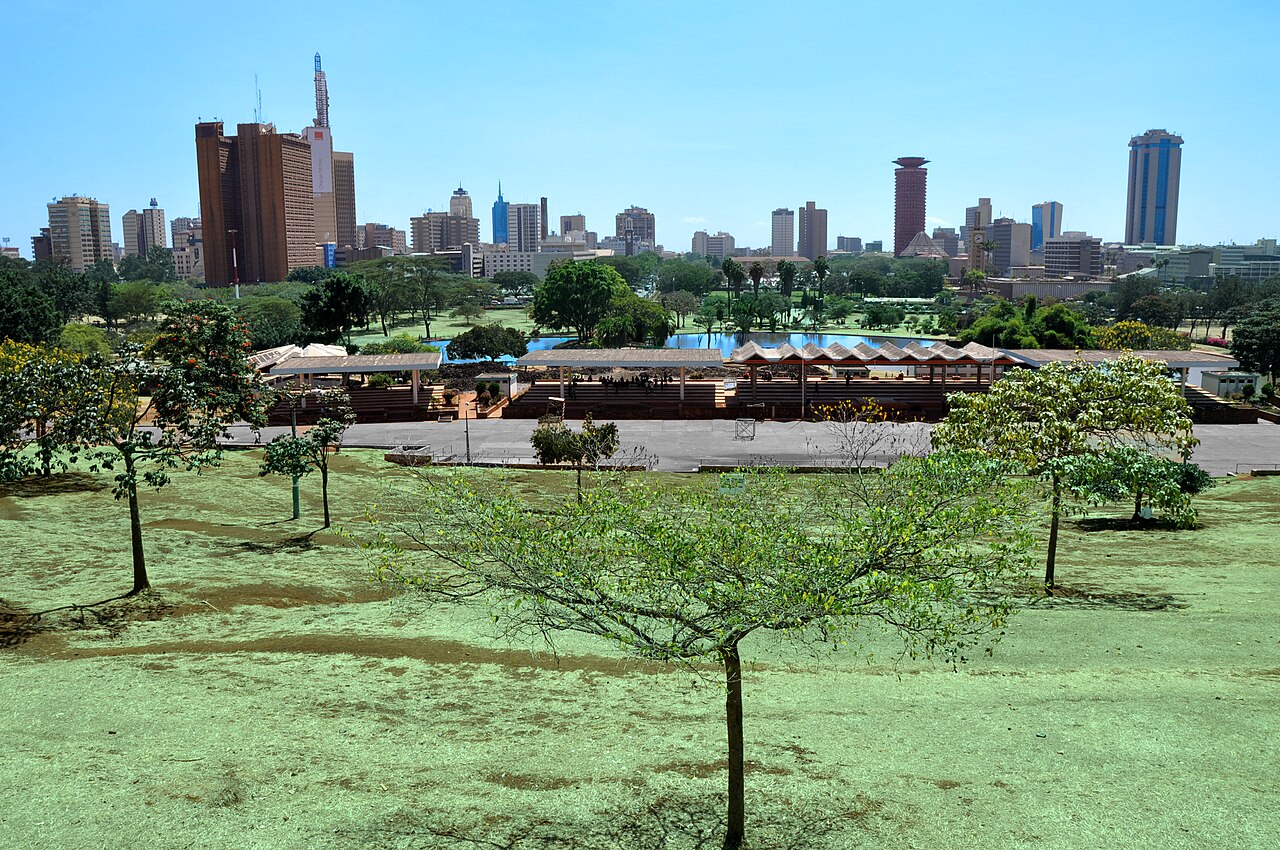
Mount Kenya National Park and the Mount Kenya Ecosystem: Africa's Second-Highest Peak, UNESCO World Heritage Site and the Surrounding Water Tower
Mount Kenya is Africa's second-highest peak and one of the country's principal water towers. A complete guide to the National Park, the ecosystem, climbing, wildlife and conservation.
The Honey Industry in Kenya: Beekeeping, Export Potential, and the Fight to Protect Kenya's Pollinators
Kenya's honey industry represents a remarkable intersection of traditional knowledge and modern commercial opportunity, with beekeeping providing sustainable livelihoods for rural communities while pr...