Arabuko-Sokoke Forest Reserve: East Africa's Largest Coastal Forest, Endemic Birds and the Conservation Economy of Kilifi
Arabuko-Sokoke Forest Reserve: East Africa's Largest Coastal Forest, Endemic Birds and the Conservation Economy of Kilifi
Arabuko-Sokoke Forest Reserve, stretching across about 420 square kilometres of coastal Kilifi County, is the largest remaining tract of the dry coastal forest that once covered much of the East African seaboard from southern Somalia to Mozambique. The forest hugs the coastline just inland from Watamu, Malindi and Gede, and sits at the heart of one of Kenya's most important biodiversity landscapes. It is managed jointly by the Kenya Forest Service and the Kenya Wildlife Service, with the Kipepeo Project and the Friends of Arabuko-Sokoke contributing on the community and research sides. For ornithologists, butterfly enthusiasts and conservation investors, the forest is a global treasure, recognised as an Important Bird Area and a Key Biodiversity Area.
Geographic Setting and Vegetation Types
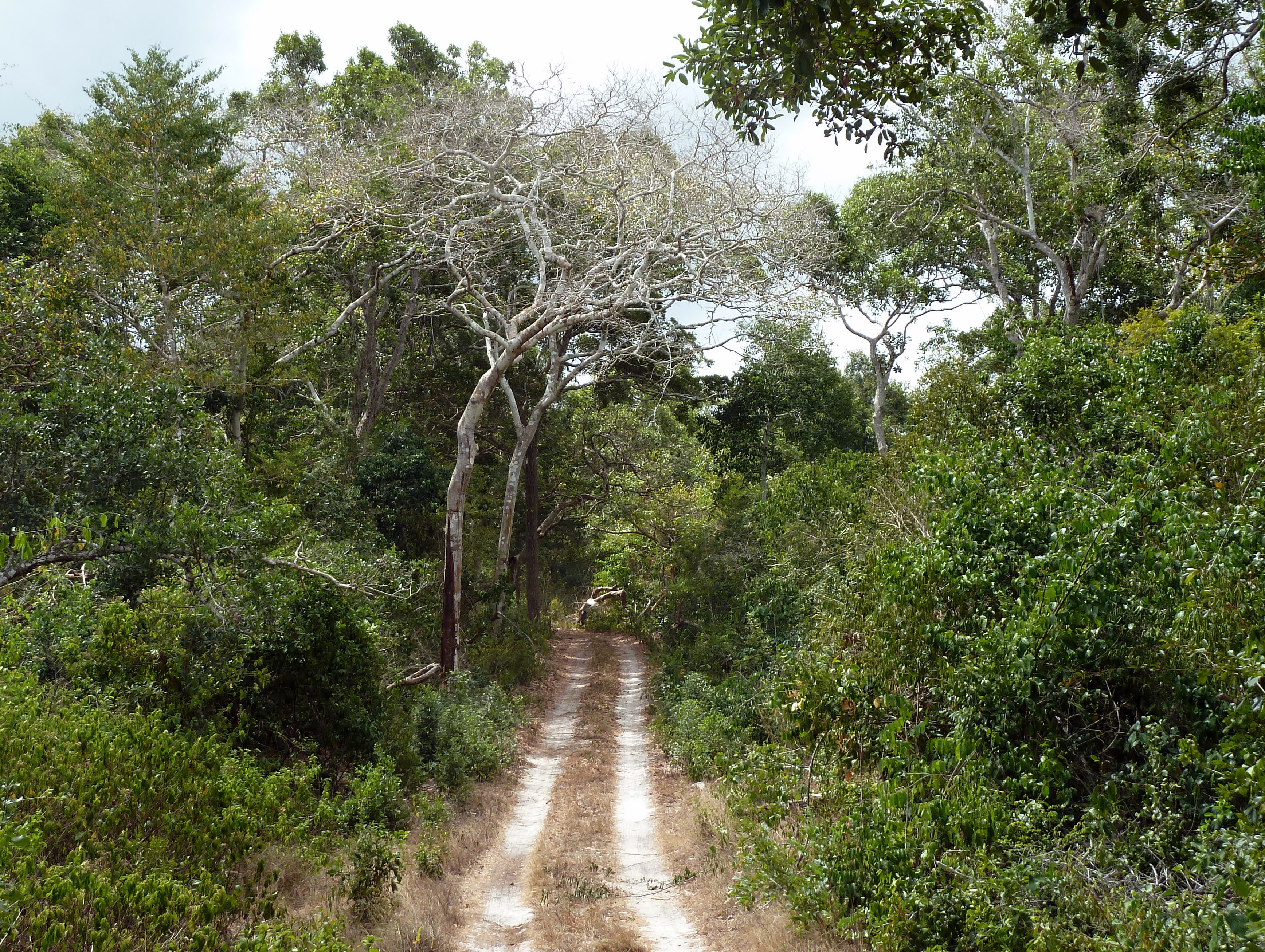
Arabuko-Sokoke lies on the coastal plateau roughly 110 kilometres north of Mombasa. Three principal vegetation types dominate. The mixed forest, found on the deeper red-magarini sands, contains tall canopies of Brachylaena huillensis, Combretum schumannii, Ocotea kenyensis and the iconic Afzelia quanzensis. The Brachystegia woodland occupies the white sand soils and is one of the most distinctive features of the reserve, with Brachystegia spiciformis forming an open canopy over a herb-rich understory. The Cynometra forest, on the eastern grey-sand belt, is dense and species-rich, hosting many of the rarer plants and the elusive Aders's duiker. Together these vegetation types support an estimated 600 to 900 vascular plant species, including several Kenyan endemics.
The Endemic Birds That Made Arabuko-Sokoke Famous
Six globally threatened bird species find their stronghold in Arabuko-Sokoke. The Sokoke Scops Owl is the diminutive flagship, measuring only 16 to 18 centimetres and weighing around 50 grams. First described to science in 1965 from specimens collected within the reserve, the species is largely confined to Cynometra forest with a small population in the East Usambara Mountains of Tanzania. Its diet of moths, beetles and small invertebrates places it within a specialised forest microhabitat that does not regenerate elsewhere along the coast.
Clarke's Weaver, a striking yellow-and-black social bird, is entirely endemic to Kenya and breeds in temporary wetlands within and around the forest. Other rarities include the Sokoke Pipit, the Spotted Ground Thrush, the East Coast Akalat and the Amani Sunbird. The reserve contributes more than twenty per cent of Kenya's national bird list, with at least 270 species recorded across the three vegetation types. Birders visiting Kenya combine the forest with the nearby Mida Creek and the Sabaki River mouth to compile one of the densest coastal lists in Africa.
Mammals and the Aders's Duiker
The mammal community is dominated by smaller forest-adapted species, including the elephant shrew or Sengi, the African golden-rumped elephant shrew, the four-toed elephant shrew, the suni antelope, the Aders's duiker, several civet and genet species, leopards and a small population of forest-restricted elephants. The Aders's duiker is critically endangered globally and has its main stronghold here. Camera trap studies coordinated by the Kenya Wildlife Service, A Rocha Kenya and several university partners have refined population estimates and informed anti-poaching patrols. The forest is one of the few places in the world where Sengis are reliably observable along the marked trails.
Invertebrates, Butterflies and the Kipepeo Project
Arabuko-Sokoke is home to more than 250 species of butterflies, several of them endemic. The forest's invertebrate richness inspired the founding of the Kipepeo Butterfly Project in 1993, an enterprise that purchases live butterfly pupae from community farmers around the forest for export to live butterfly exhibits in Europe and North America. The income provides an alternative livelihood for residents who would otherwise rely on the forest for wood, charcoal or land clearance. Kipepeo has become a global model for community-based conservation enterprises and is regularly cited in conservation economics literature.
Community Forest Associations and the Sustainable Use Agenda
Under Kenya's Forest Conservation and Management Act, community forest associations co-manage forest blocks with the Kenya Forest Service. Around Arabuko-Sokoke, several associations representing villages in Jilore, Sokoke, Dida and Gede negotiate access to non-timber forest products including medicinal plants, honey, mushrooms and dead wood. Honey production has expanded rapidly in the past decade, marketed under brands that emphasise the unique nectar flora of the Brachystegia woodland. Tree nurseries supply seedlings of indigenous species for community planting on degraded farmland adjacent to the forest.
Threats: Encroachment, Fire and Climate Change
The reserve faces a familiar set of pressures. Agricultural encroachment by smallholders seeking land along the forest edge has reduced the buffer zone over decades. Charcoal burning persists at low but persistent levels. Dry-season fires can sweep through the Brachystegia woodland, where they may benefit some plant species but damage others. Illegal harvesting of Brachylaena huillensis, the wood of choice for the Akamba and coastal wood carving industries, has reduced the older age classes. Climate change is shifting rainfall patterns and the seasonal hydrology that supports Clarke's Weaver breeding wetlands.
A long-term landscape strategy coordinated by the Kenya Wildlife Service and partners includes ranger patrols, restoration plantings, fire-break maintenance, alternative livelihoods and a continuous monitoring programme. International partners such as the Royal Society for the Protection of Birds, Nature Kenya and the Critical Ecosystems Partnership Fund have backed multi-year initiatives.
Tourism Infrastructure and the Visitor Experience
The reserve is open daily from 6 am to 6 pm with entrance gates at the Kenya Forest Service headquarters along the Mombasa-Malindi highway near Gede. Self-drive visitors can explore the network of forest tracks, while guided walks led by trained local naturalists are the recommended way to find the elusive birds. A 35-foot observation platform near the heart of the forest offers panoramic views over the canopy, ideal for raptors and morning bird activity. The forest pairs well with cultural visits to Gede Ruins, beach time in Watamu and dhow trips into Mida Creek.
Accommodation around the reserve ranges from small eco-lodges in Watamu and Mida Creek to high-end resorts further north in Malindi. Several community-managed cottages and tented camps adjacent to the forest provide a more immersive option. The closest scheduled airline service is to Malindi Airport, with daily flights from Nairobi and Mombasa connecting through Kenya Airways and other regional carriers.
Research, Citizen Science and Long-Term Monitoring
Arabuko-Sokoke is one of Kenya's most studied forests. A Rocha Kenya, the National Museums of Kenya, the Kenya Forestry Research Institute and several international universities run permanent vegetation plots, bird ringing stations and butterfly transects within the reserve. Long-term datasets dating back to the 1980s provide a rare opportunity to track phenological change, species turnover and the response of indigenous flora to climate variability. Citizen science platforms such as the Kenya Bird Map and the Africa Bird Atlas have catalysed amateur participation in monitoring.
The Economic Value of Conservation
Quantifying the value of Arabuko-Sokoke in monetary terms is difficult, but partial estimates emphasise the contribution to coastal climate regulation, freshwater recharge for the Sabaki and Galana basins, eco-tourism revenue, carbon storage and the genetic value of its endemic biodiversity. The Kipepeo Project's butterfly trade has paid millions of shillings to community farmers over its lifetime. The forest's continued integrity is also important for the resilience of the Mida Creek mangroves, which are tightly linked to upstream forest hydrology. Diaspora investors and impact funds have been drawn to nature-based enterprises around the forest, from honey processing to community-led eco-lodges.
The Way Forward
Securing Arabuko-Sokoke for future generations will depend on integrated land-use planning across Kilifi County, expanded community benefits, sustained funding for ranger operations, and forward-looking climate adaptation. The forest is small in absolute terms but extraordinary in its biodiversity per square kilometre, and its loss would be irreversible at a national and regional scale. Public-private partnerships, including diaspora-funded initiatives, are increasingly seen as part of the solution.
Conclusion
Arabuko-Sokoke is a coastal jewel that punches far above its weight. It hosts globally threatened endemic birds and mammals, supports a pioneering community butterfly enterprise, anchors the hydrology of the Sabaki and Galana basins, and offers travellers a quiet contrast to the surrounding beach resorts. The Kenya Forest Service, the Kenya Wildlife Service and partner organisations have built one of the country's strongest conservation collaborations around the reserve. With continued investment and community engagement, the forest can remain the largest coastal forest fragment in East Africa, a haven for the Sokoke Scops Owl and Clarke's Weaver, and a model for sustainable coastal conservation.
More Articles

The Multiparty Era Reforms: Saba Saba, the Repeal of Section 2A and Kenya's Return to Political Pluralism
Jul 02, 2026

Eye Care in Kenya: Cataract, Trachoma and the Long Road to Universal Vision Health
Jul 02, 2026

Shaba National Reserve: Joy Adamson's Last Wilderness and Isiolo's Semi-Desert Safari Gem
Jul 02, 2026

The Rendille People of Northern Kenya: Camel Pastoralism, Clan Traditions and a Culture Under Pressure
Jul 02, 2026

Ukulima Sacco: From Ministry of Agriculture Staff Society to a National Cooperative Open to All Kenyans
Jul 02, 2026