
The Multiparty Era Reforms: Saba Saba, the Repeal of Section 2A and Kenya's Return to Political Pluralism
Between 1990 and 1992 Kenya moved from a one-party state to multiparty democracy. This article traces the Saba Saba protests, the repeal of Section 2A of the constitution, the rise and fracture of FORD, and the contested 1992 elections that opened Kenya's pluralist era.

Eye Care in Kenya: Cataract, Trachoma and the Long Road to Universal Vision Health
An estimated 7.5 million Kenyans need ophthalmic care, yet specialists remain scarce and unevenly distributed. This guide examines Kenya's main causes of blindness, the trachoma elimination campaign, the eye health workforce and how patients access and pay for treatment.

Shaba National Reserve: Joy Adamson's Last Wilderness and Isiolo's Semi-Desert Safari Gem
Shaba National Reserve in Isiolo County is the wildest of the three reserves along the Ewaso Ng'iro River. Famous as Joy Adamson's final home and a Born Free filming landscape, it shelters Grevy's zebra, reticulated giraffe and Somali ostrich amid springs and lava hills.

The Rendille People of Northern Kenya: Camel Pastoralism, Clan Traditions and a Culture Under Pressure
The Rendille are Cushitic-speaking camel pastoralists of Marsabit County, living between the Marsabit hills and Lake Turkana. This article explores their origins, clan system, age-set ceremonies, camel economy and the community's efforts to preserve a language and culture under pressure.

Ukulima Sacco: From Ministry of Agriculture Staff Society to a National Cooperative Open to All Kenyans
Founded in 1972 by Ministry of Agriculture employees, Ukulima Sacco has opened its common bond to all Kenyans, including chamas and the diaspora. This guide explains its history, savings and loan products, membership requirements and how the sacco fits into Kenya's regulated cooperative sector.
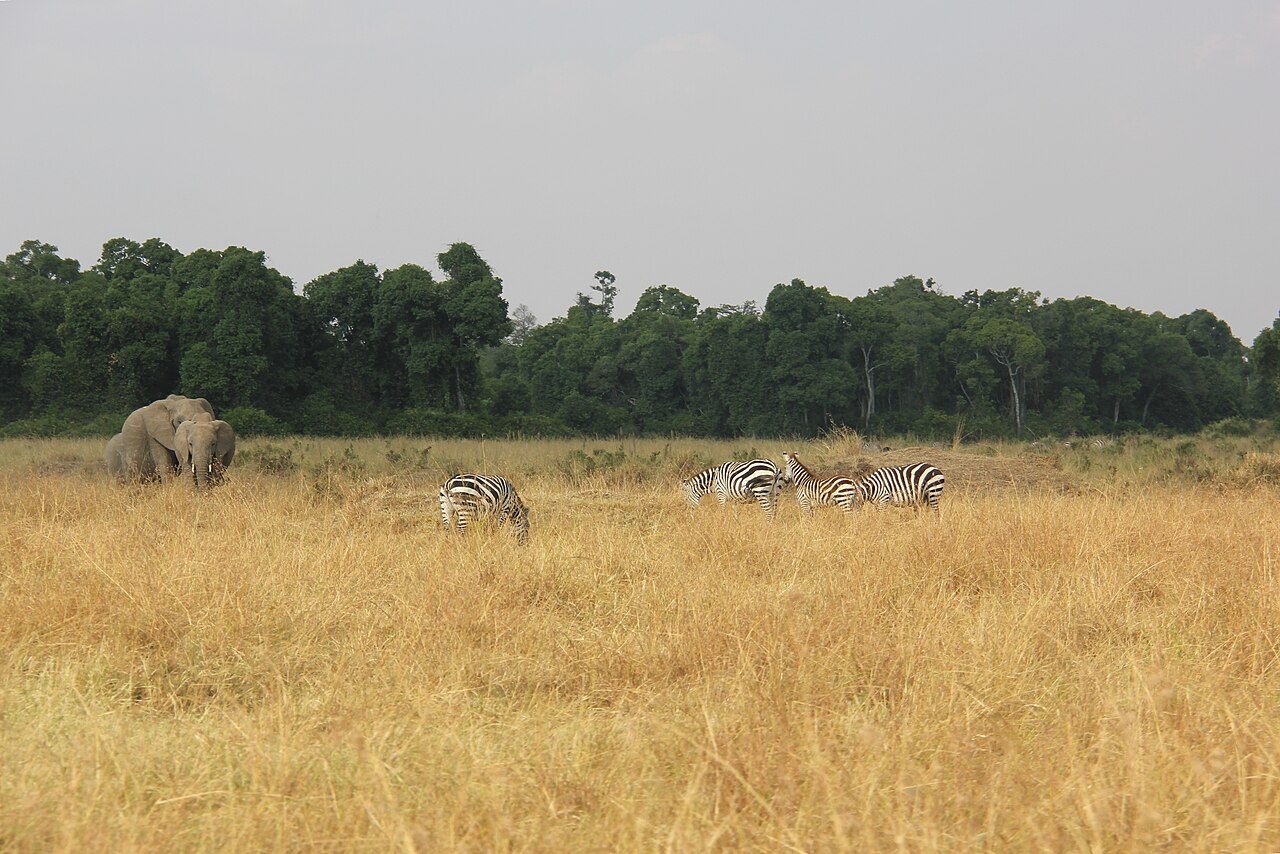
The Mara Triangle: How the Mara Conservancy Turned Around the Maasai Mara's Western Sector
The Mara Triangle, the north-western third of the Maasai Mara National Reserve, went from mismanagement in the 1990s to a celebrated public-private conservation partnership under the Mara Conservancy. This guide covers its history, anti-poaching record, wildlife and practical visitor information.
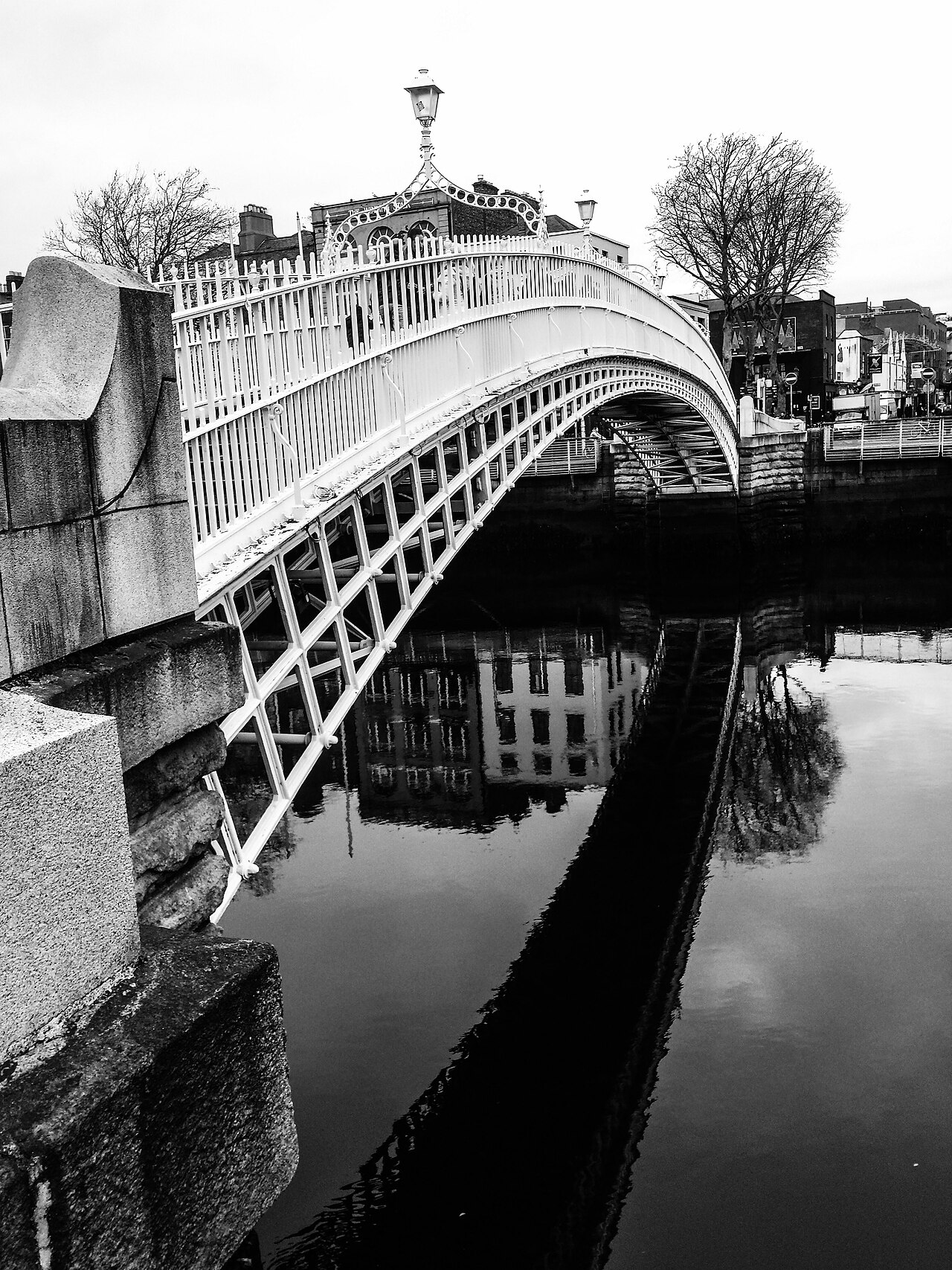
The Kenyan Diaspora in Ireland: Community, Work and Remittances in the Emerald Isle
Ireland hosts a small but growing Kenyan community concentrated around Dublin and its healthcare, technology and education sectors. This guide covers migration pathways, community life, remittance channels and the services available through Kenya's embassy in Dublin.
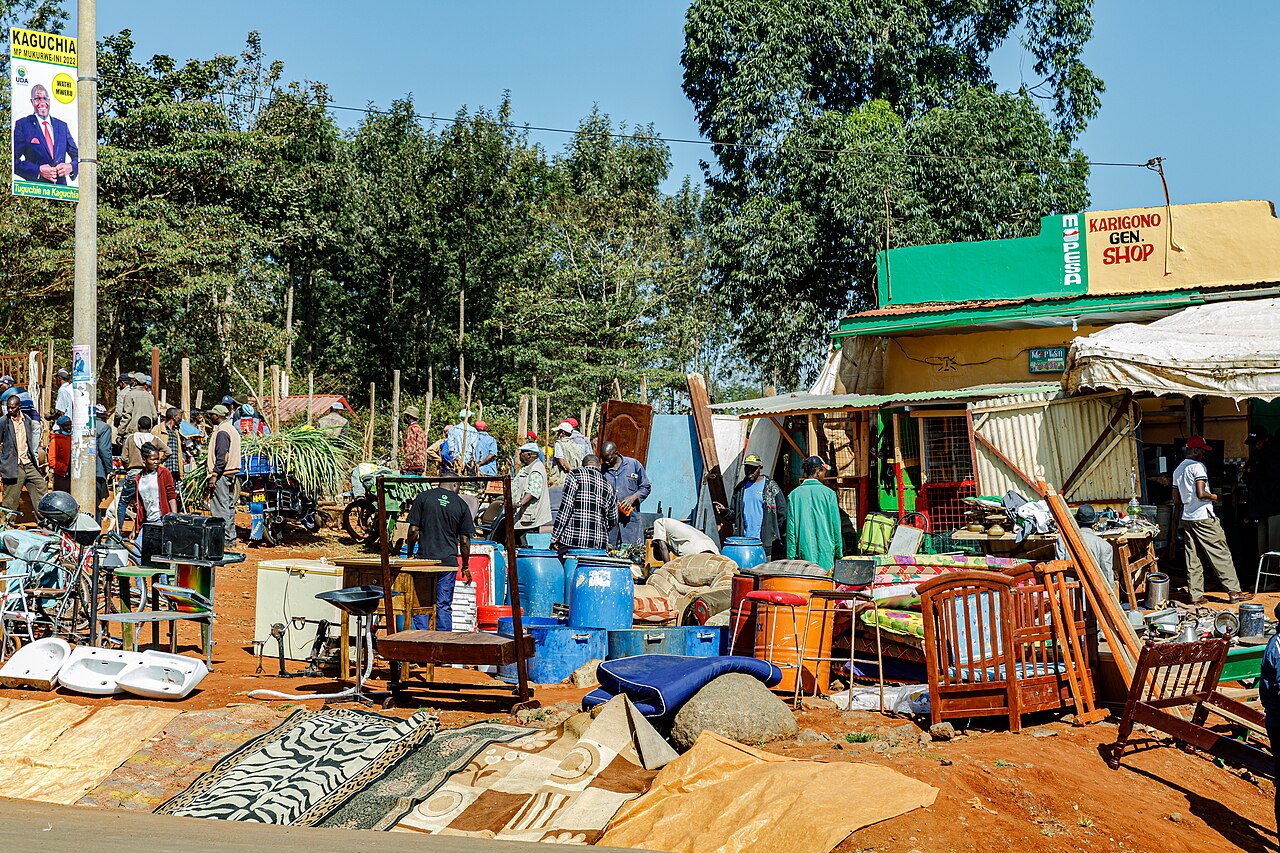
Karatina Market: East Africa's Largest Open-Air Market and the Engine of Mount Kenya's Farm Trade
Karatina Market in Nyeri County is widely described as the largest open-air market in East and Central Africa. This guide traces its history from a 1938 barter trade centre, examines the modern three-storey market hub, and explains how thousands of traders and smallholder farmers keep it running.
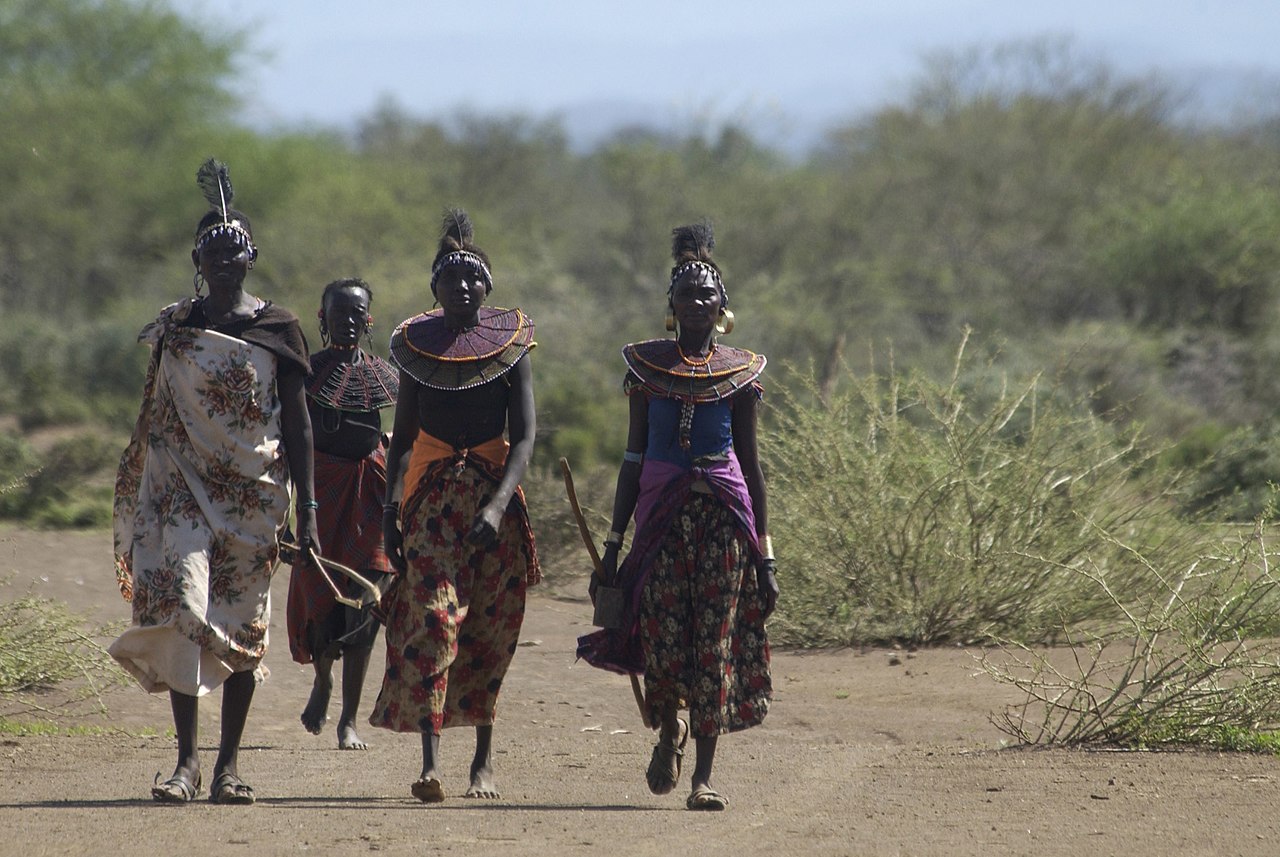
The Pokot People: Pastoral Life, the Sapana Ceremony and Culture of Kenya’s North Rift
Spanning the highlands and dry plains of Kenya’s North Rift, the Pokot are a Kalenjin-speaking people whose lives revolve around cattle, age-sets and ceremonies such as the Sapana initiation. This overview examines their territory, livelihoods, language, culture and contemporary challenges.