The Pokot People: Pastoral Life, the Sapana Ceremony and Culture of Kenya’s North Rift
The Pokot People: Pastoral Life, the Sapana Ceremony and Culture of Kenya’s North Rift
The Pokot are one of the peoples of Kenya’s North Rift, occupying a rugged landscape that ranges from cool, rain-fed highlands to hot, dry plains. Cattle-keeping pastoralists and farmers, the Pokot maintain a rich body of customs centred on age-sets, livestock and ceremonies that mark the great transitions of life. Their culture, language and way of life offer a window into the pastoral traditions of the Rift Valley and the ways those traditions are adapting to a changing modern Kenya.
Territory and Population
The Pokot primarily inhabit West Pokot and Baringo Counties in Kenya, with a related population across the border in the eastern Karamoja region of Uganda. Population estimates put the total number of Pokot at around one million, with the 2019 Kenya census recording roughly 778,408 Pokot in Kenya and an additional population well over one hundred thousand in Uganda. Their homeland spans a dramatic environmental gradient, from the well-watered Cherangani Hills and highland zones to the arid lowlands toward Lake Turkana and the Karamoja plains. Detailed demographic figures for communities such as the Pokot are published by the Kenya National Bureau of Statistics.
Hill Pokot and Plains Pokot
A central distinction within Pokot society is between two broad groups shaped by environment and livelihood. The Hill Pokot live in the rainier highlands and combine farming with livestock-keeping, cultivating crops such as maize, millet and vegetables alongside herding. The Plains Pokot inhabit the drier, less fertile lowlands and are predominantly pastoralists, herding cattle, goats and sheep across extensive rangelands in search of pasture and water. This division reflects a wider pattern across the Rift Valley, where a single people adapts different economic strategies to highland and lowland ecologies.
For the Plains Pokot in particular, cattle are far more than an economic asset. Livestock are central to identity, social standing, marriage and ritual, functioning as a store of wealth, a medium of exchange and a marker of a household’s place in the community. Decisions about grazing, migration and herd management structure much of daily life.
Language
The Pokot speak Pökoot, a Southern Nilotic language broadly related to the Marakwet, Nandi and Tugen tongues within the wider Kalenjin cluster. This linguistic kinship situates the Pokot among the Kalenjin-speaking peoples of the Rift Valley, though their distinct history, environment and customs give them a strong and separate identity. Language remains a key vehicle for transmitting oral history, proverbs, songs and the specialised knowledge of pastoral life.
Age-Sets and Social Organisation
Pokot society is organised in part through a system of age-sets, a feature shared with many East African pastoral peoples. Age-sets group men who pass through initiation around the same period, creating bonds and obligations that endure throughout life and structuring roles in the community. Elders hold considerable authority, exercised through councils that deliberate on disputes, resources and communal affairs. This system provides social cohesion and a framework for decision-making that operates alongside, and sometimes independently of, formal state institutions.
The Sapana Ceremony
Among the most important Pokot rites is the Sapana ceremony, a male initiation that marks the passage into recognised adulthood. Traditionally undergone by men around the age of twenty, Sapana confers full social status: through it a man becomes eligible to attend the elders’ council, known as the kokwo, and to take part in offering sacrifices and rituals such as the kirket. The ceremony involves the slaughter of an animal and a series of ritual acts witnessed by the community, integrating the initiate into his age-set and the wider body of adult men.
Sapana is one of a broader cycle of ceremonies that punctuate Pokot life. Others mark the cleansing of couples expecting their first child, the cleansing of newborn infants, marriage, harvesting and healing. Together these rituals weave individual lives into the rhythms of the community and the seasons, reinforcing shared values and social order.
Initiation, Custom and Change
As with many Kenyan communities, some traditional practices have come under scrutiny and legal reform. Female initiation customs, in particular, have been the focus of national efforts to end harmful practices, and such practices are prohibited under Kenyan law. Across pastoral communities, dialogue between custodians of culture, government and civil society has sought to preserve valued aspects of heritage while ending practices recognised as harmful, and many communities have adopted alternative rites of passage. These debates reflect the broader negotiation between tradition and contemporary rights that characterises cultural change in modern Kenya.
Material Culture and Adornment
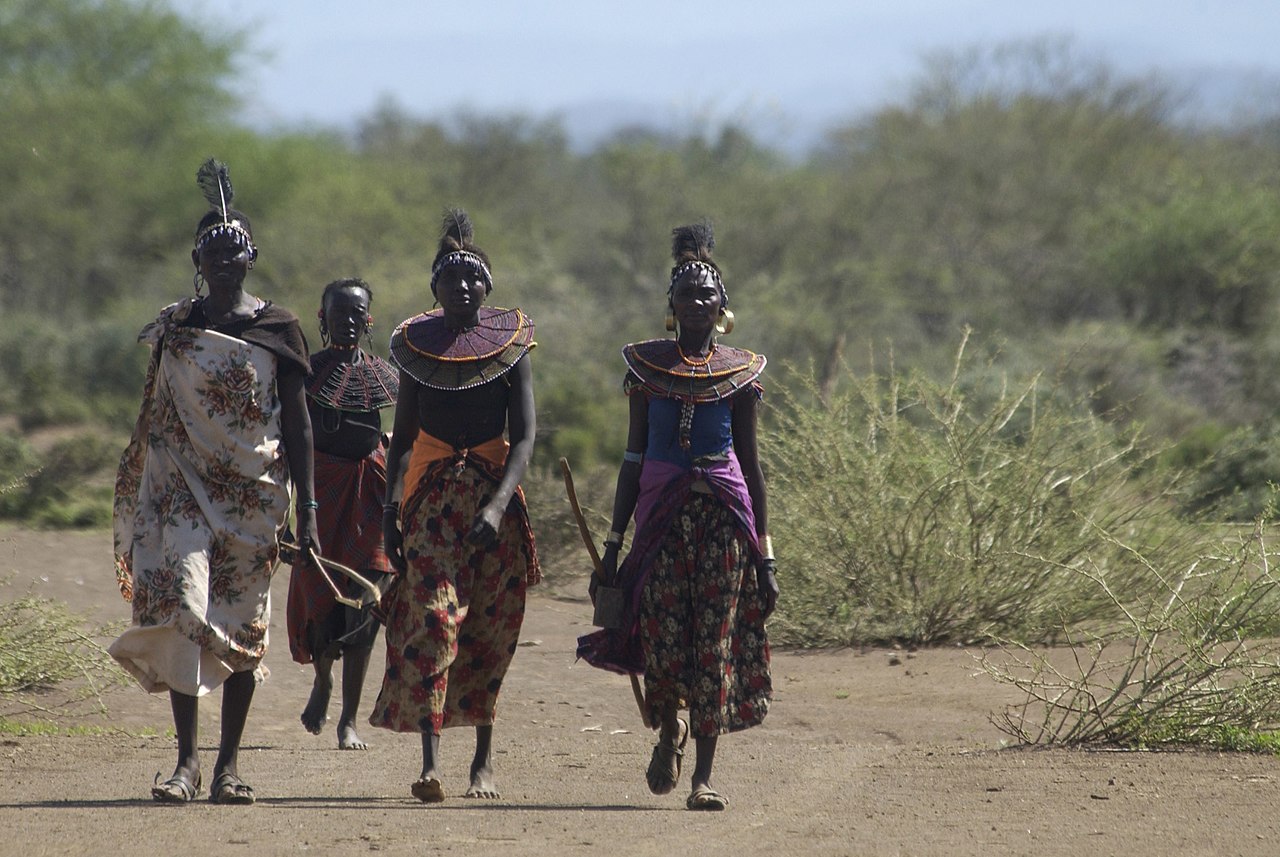
The Pokot are known for distinctive personal adornment, including elaborate beadwork, ornaments and hairstyles that signal age, status and stage of life. Such material culture is both aesthetic and meaningful, communicating identity and social position. Documentation and preservation of the heritage of communities like the Pokot is part of the mandate of the National Museums of Kenya, which records and interprets the country’s diverse cultures.
Contemporary Challenges
The Pokot face significant contemporary pressures. Recurrent drought and climate variability strain pastoral livelihoods dependent on rangeland and water. Cattle rustling and inter-community conflict over livestock and grazing have at times brought insecurity to parts of the North Rift. Historically, the region has experienced marginalisation in terms of infrastructure, education and services, though devolution has brought new attention and resources to county governments such as West Pokot. County-level development priorities are set out by the West Pokot County government.
At the same time, education, mobile communications, markets and devolved governance are reshaping Pokot life, opening new opportunities while posing questions about how to sustain cultural identity. Younger Pokot increasingly move between pastoral traditions and the wider national economy, and some join the diaspora, maintaining ties to their communities from afar.
Conclusion
The Pokot people embody the resilience and richness of Kenya’s pastoral cultures. Spanning highland farms and lowland rangelands, organised through age-sets and elders’ councils, and bound together by ceremonies such as Sapana, they sustain a distinctive way of life rooted in cattle and community. As drought, conflict and modernity reshape their world, the Pokot continue to navigate the balance between cherished tradition and the demands of contemporary Kenya — a balance central to the country’s wider cultural story.
More Articles

The Multiparty Era Reforms: Saba Saba, the Repeal of Section 2A and Kenya's Return to Political Pluralism
Jul 02, 2026

Eye Care in Kenya: Cataract, Trachoma and the Long Road to Universal Vision Health
Jul 02, 2026

Shaba National Reserve: Joy Adamson's Last Wilderness and Isiolo's Semi-Desert Safari Gem
Jul 02, 2026

The Rendille People of Northern Kenya: Camel Pastoralism, Clan Traditions and a Culture Under Pressure
Jul 02, 2026

Ukulima Sacco: From Ministry of Agriculture Staff Society to a National Cooperative Open to All Kenyans
Jul 02, 2026