The Kenyan Diaspora in Ireland: Community, Work and Remittances in the Emerald Isle
The Kenyan Diaspora in Ireland: Community, Work and Remittances in the Emerald Isle
Ireland is not among the largest destinations for Kenyan emigrants, which include the United States, the United Kingdom and the Gulf states, but it has quietly become home to a distinct and growing Kenyan community. Drawn by Ireland's English-speaking environment, its expanding healthcare and technology sectors, and its universities, Kenyans in Ireland have built community networks concentrated in Dublin and its commuter counties, with smaller clusters in Cork, Limerick and Galway.
Kenya maintains a resident embassy in Dublin, a signal of the growing bilateral relationship, and the community features regularly in the diaspora surveys coordinated by Kenyan state agencies. This article examines how the community formed, where its members work, how money flows home, and what services are available to Kenyans living in or moving to Ireland.
How the Community Formed
Kenyan migration to Ireland is relatively recent compared with movement to Britain. Through the 1990s, Kenyans in Ireland were mostly students at Irish universities and professionals on short assignments. The Celtic Tiger boom of the late 1990s and 2000s changed that pattern: Ireland's rapid economic growth created labour shortages, particularly in health and social care, and African professionals, including Kenyans, arrived in larger numbers on work permits.
Ireland's own census data illustrates the wider context. The Central Statistics Office found in the 2022 census that a fifth of Ireland's population was born abroad, up from 17 per cent in 2016, reflecting one of Europe's fastest-changing demographic profiles. Within that expansion, African-born residents form a well-established minority, and Kenyans constitute one of the smaller East African communities alongside larger Nigerian and South African populations. Estimates of the Kenyan community's size vary between official categories because Irish statistics often group smaller nationalities together, but community organisations and embassy registration drives indicate a population in the low thousands, weighted towards working-age professionals and families.
Where Kenyans in Ireland Work
Health and Social Care
Healthcare is the most visible sector of Kenyan employment in Ireland. Ireland's health service has recruited internationally for decades to staff its hospitals and nursing homes, and Kenyan-trained nurses, midwives, care assistants and doctors have taken up posts across the country. Nurses trained in Kenya complete an adaptation and registration process with the Irish nursing regulator before practising, a pathway that Kenyan professional bodies such as the Nursing Council of Kenya support through verification of credentials. Social care work, home care and disability services also employ significant numbers of Kenyans, particularly in the greater Dublin area.
Technology, Finance and Education
Dublin's role as a European base for global technology and financial services firms has opened a second pathway. Kenyan software engineers, data analysts, accountants and compliance specialists work in the multinational cluster around Dublin's docklands, often arriving through Ireland's critical skills employment permit, which targets occupations in shortage. Irish universities and institutes of technology continue to attract Kenyan postgraduate students, especially in public health, business, engineering and development studies, and a portion of each cohort remains in Ireland under graduate visa arrangements.
Community Life and Organisation
Kenyan community life in Ireland is organised around informal networks rather than a single umbrella body. Churches are central meeting points, alongside cultural associations that organise Madaraka Day and Jamhuri Day celebrations, fundraising drives for members facing bereavement, and welfare support for new arrivals. Kenyan food businesses, hair and beauty services and event companies serve the community in Dublin's suburbs.
The Embassy of Kenya in Dublin anchors formal engagement. Beyond consular services such as passport renewal and civil registration, the embassy has coordinated diaspora remittance surveys with the Central Bank of Kenya and encourages Kenyans in Ireland to register for consular purposes. Registration matters practically: it improves the data underpinning diaspora policy and enables the embassy to reach citizens during emergencies.
Remittances: The Financial Bridge Home
Remittances are the most measurable expression of the diaspora's connection to Kenya. The Central Bank of Kenya reports that total diaspora remittances have exceeded four billion US dollars annually in recent years, making them one of Kenya's largest sources of foreign exchange, ahead of several traditional export earners. Europe contributes a growing share of that total, and Kenyans in Ireland participate through bank transfers, money transfer operators and mobile-first services that deliver directly to M-Pesa wallets.
The Kenya National Bureau of Statistics and the Central Bank have jointly conducted household surveys on remittance use, finding that funds sent home finance everyday consumption, education, healthcare, land purchase and construction. For Irish-based senders, the practical considerations are exchange rate margins and transfer fees, which vary significantly between providers; comparing the total cost of a transfer rather than the headline fee remains the most reliable way to maximise value delivered to recipients.
Investment Back Home
Beyond family support, Kenyans in Ireland invest in Kenyan real estate, agribusiness ventures, and capital market products that have been progressively opened to the diaspora, including infrastructure bonds purchasable from abroad. Diaspora-focused saccos and investment groups admit members resident in Europe, and Kenyan county investment forums have periodically courted diaspora capital from Irish-based professionals. Standard due diligence advice applies: verifying titles, using licensed professionals and dealing with regulated institutions protects investors operating at a distance.
Moving to Ireland from Kenya
Kenyans require a visa to enter Ireland, with employment routes governed by Ireland's employment permit system. The critical skills permit covers occupations such as nursing, medicine, engineering and software development, while the general employment permit covers a wider range of roles subject to labour market testing. Students admitted to Irish institutions apply for study visas and may work limited hours during term. Family reunification is possible for permit holders under conditions set by Irish immigration authorities.
Credential recognition is a common early hurdle. Health professionals must register with the relevant Irish regulator, teachers with the Teaching Council, and other professions with their respective bodies. Kenyan applicants typically need verified transcripts and registration status letters from Kenyan regulators, and agencies such as the Kenya National Qualifications Authority provide equation and verification services that smooth the process. Information on Kenyan government services for citizens abroad is consolidated by the Ministry of Foreign and Diaspora Affairs, which has elevated diaspora matters within its mandate.
Challenges and Opportunities
The community faces the challenges familiar to any small diaspora: housing costs in Dublin rank among Europe's highest, credential recognition can be slow, and distance complicates caregiving obligations to relatives in Kenya. Ireland's points of strength cut the other way: strong labour demand in health and technology, a transparent permit system, and a society whose own long history of emigration gives it institutional sympathy for diaspora concerns.
For Kenya, the Irish diaspora is a small but strategic community. Its concentration in skilled sectors makes it a source of professional networks, technology transfer and investment as well as remittances. Deliberate engagement, through embassy programmes, diaspora investment products and skills partnerships, offers a way to convert a modest population into an outsized economic relationship.
Conclusion
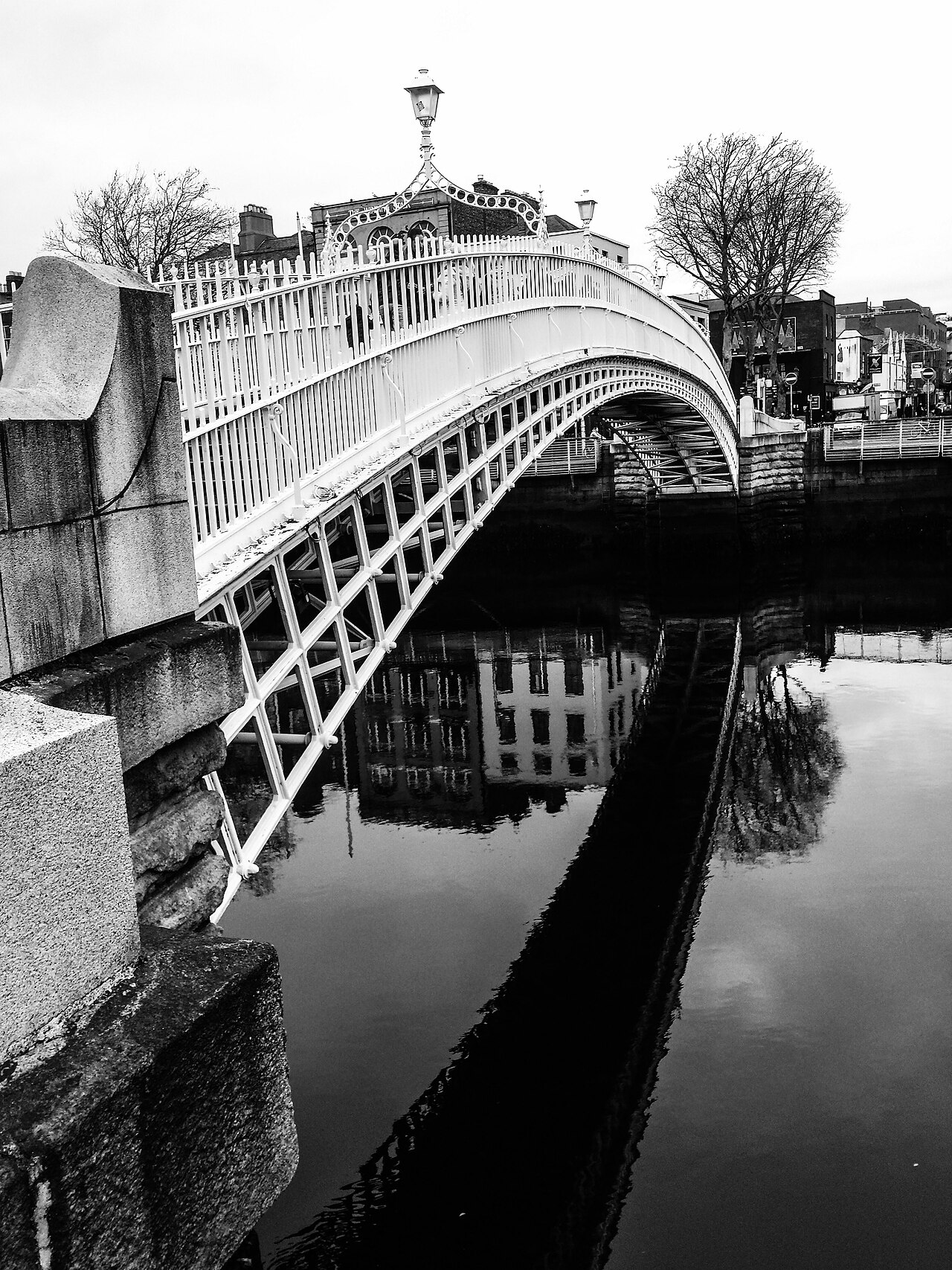
The Kenyan diaspora in Ireland illustrates how migration corridors diversify over time. What began as a trickle of students has become a settled professional community embedded in Irish healthcare, technology and education, remitting steadily and organising its own institutions. As Ireland's labour market continues to draw international talent and Kenya deepens its diaspora policy, the bridge between Nairobi and Dublin is likely to carry more traffic in both directions.
More Articles

The Multiparty Era Reforms: Saba Saba, the Repeal of Section 2A and Kenya's Return to Political Pluralism
Jul 02, 2026

Eye Care in Kenya: Cataract, Trachoma and the Long Road to Universal Vision Health
Jul 02, 2026

Shaba National Reserve: Joy Adamson's Last Wilderness and Isiolo's Semi-Desert Safari Gem
Jul 02, 2026

The Rendille People of Northern Kenya: Camel Pastoralism, Clan Traditions and a Culture Under Pressure
Jul 02, 2026

Ukulima Sacco: From Ministry of Agriculture Staff Society to a National Cooperative Open to All Kenyans
Jul 02, 2026