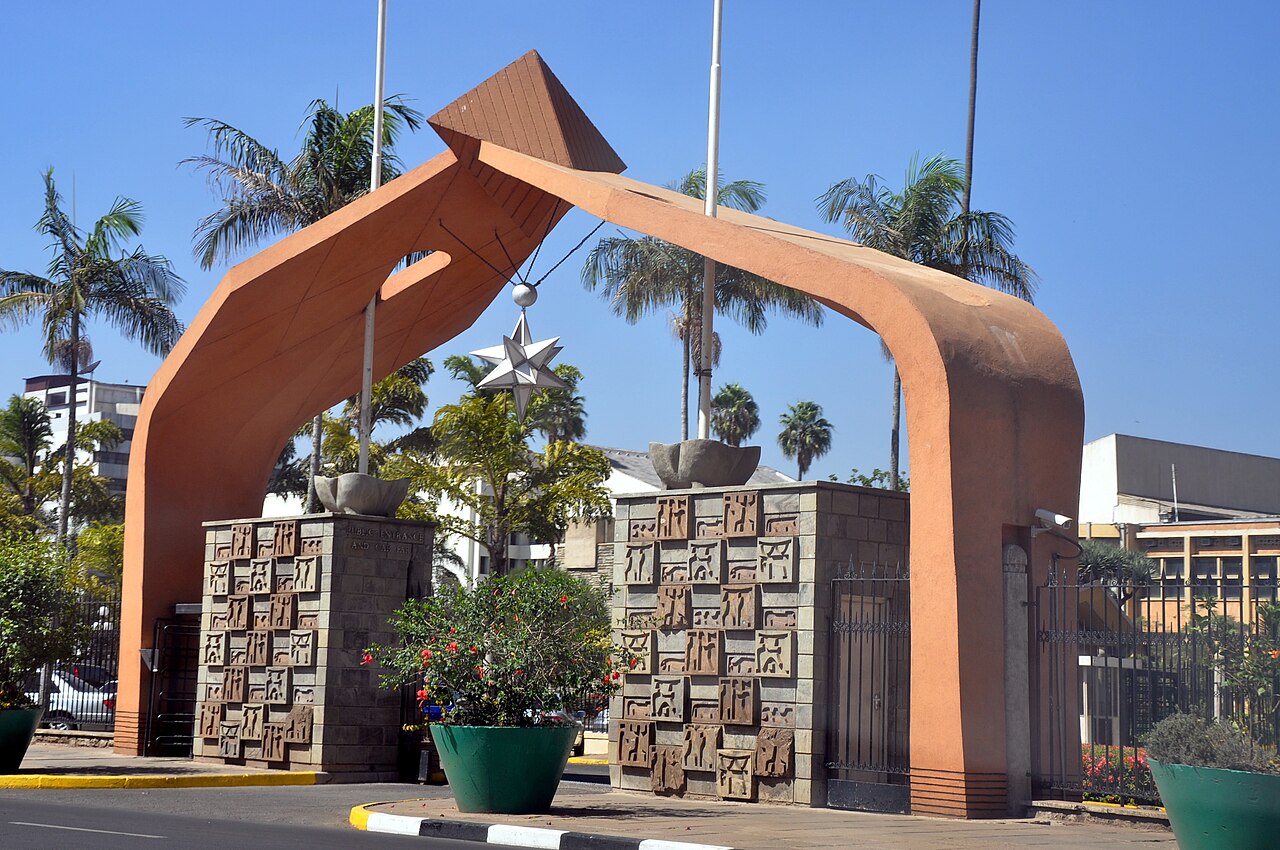
The 1982 Coup Attempt: Six Hours That Reshaped Kenya’s Political History
On 1 August 1982, junior Kenya Air Force servicemen seized radio and air bases in a bid to topple President Daniel arap Moi. The coup collapsed within hours but reshaped Kenyan politics, the military and the constitutional order for decades. This article examines what happened and why it mattered.
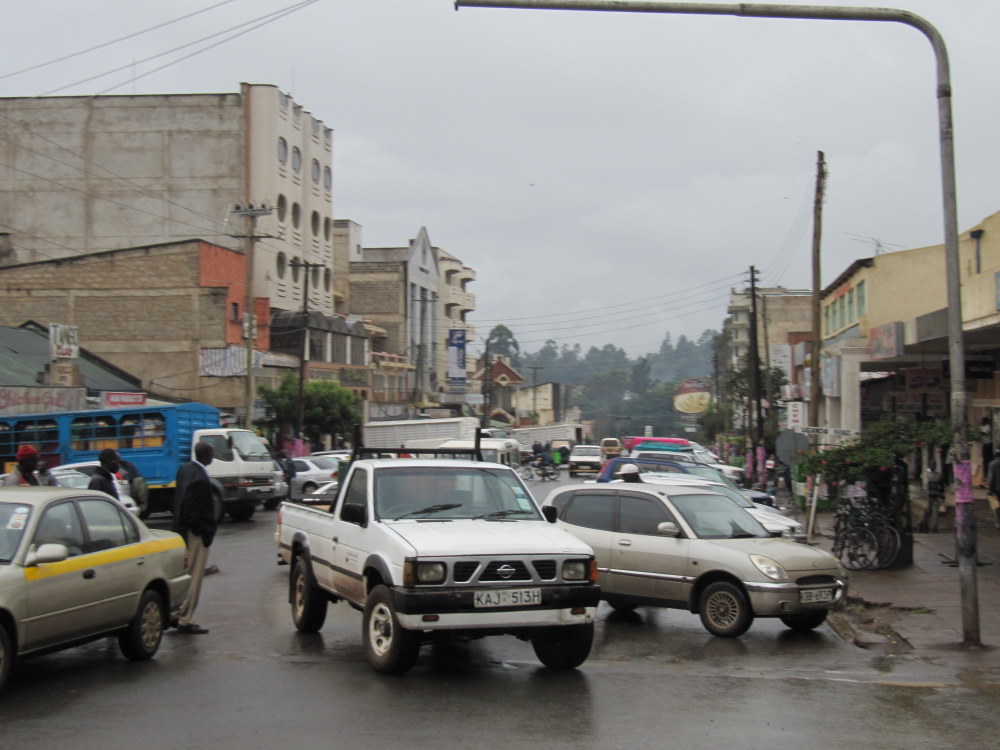
Moi University: From 83 Forestry Students to a National Higher Education Institution
Established in 1984 as Kenya’s second public university, Moi University grew from just 83 forestry students into a major national institution near Eldoret, with multiple schools, constituent colleges and tens of thousands of students. This profile traces its history, structure and academic role.
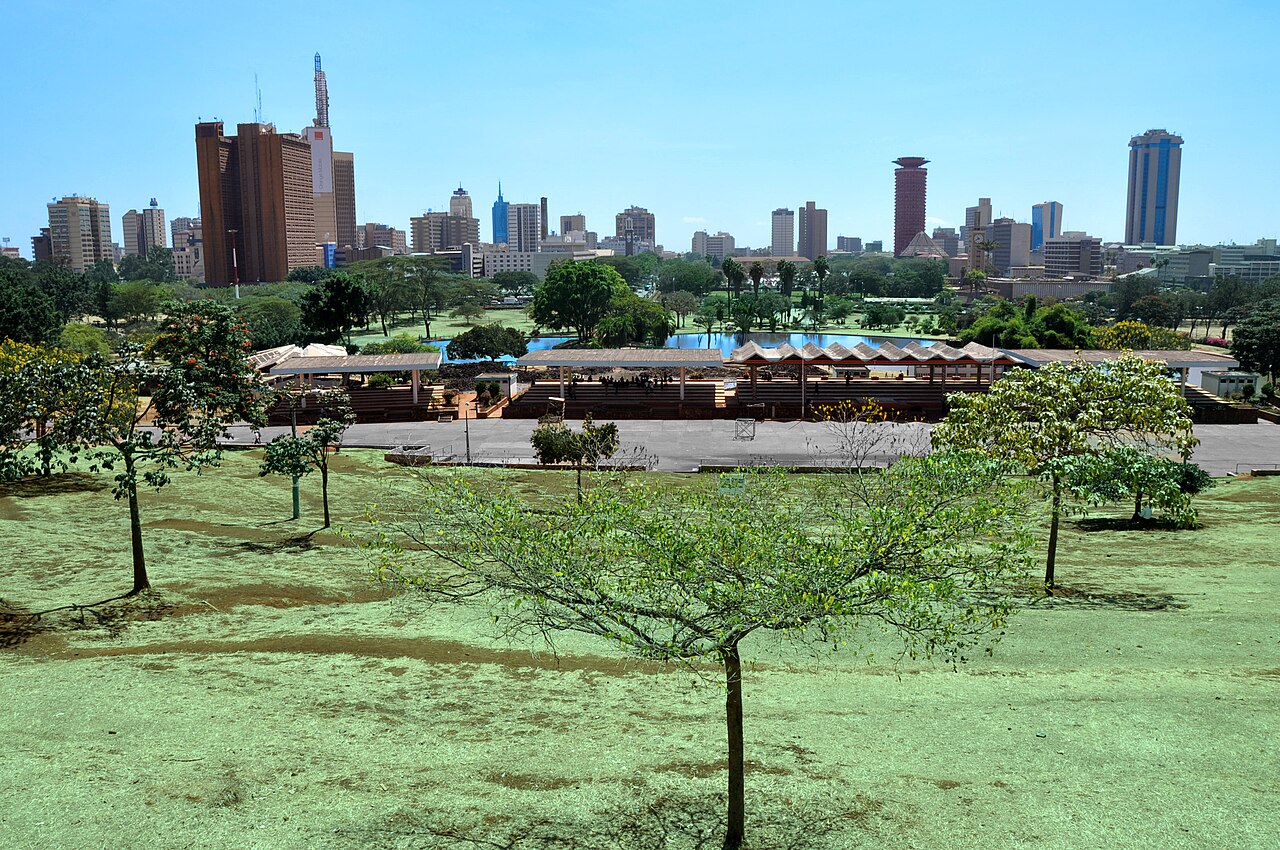
Stima Sacco: Inside Kenya’s Largest Savings and Credit Cooperative
From its roots serving Kenya’s electricity workers, Stima Sacco has grown into the country’s largest deposit-taking savings and credit cooperative, with a multi-billion-shilling asset base and more than 220,000 members. This profile examines its history, finances, products and place in Kenya’s Sacco sector.
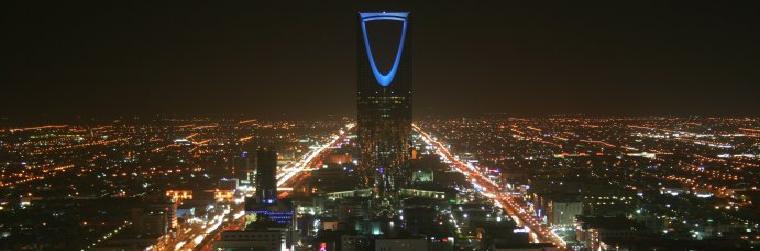
The Kenyan Diaspora in Saudi Arabia: Labour Migration, Remittances and Worker Protection
Saudi Arabia hosts the largest Kenyan diaspora in the Gulf, built largely on domestic and low-wage labour migration. This overview examines the numbers, the remittance flows that have surged in recent years, the recruitment system and the worker-protection challenges that shape the experience of Kenyans in the Kingdom.
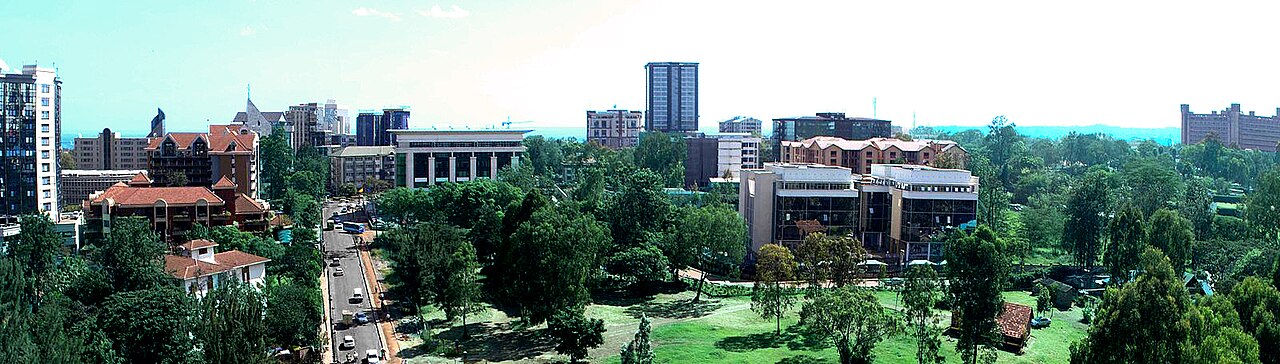
Breast Cancer in Kenya: Incidence, Screening, Treatment and the Push for Earlier Diagnosis
Breast cancer is the most commonly diagnosed cancer in Kenya, with thousands of new cases recorded each year and a high proportion detected late. This overview examines the epidemiology, the national registry, screening, treatment access and the drive toward earlier diagnosis.
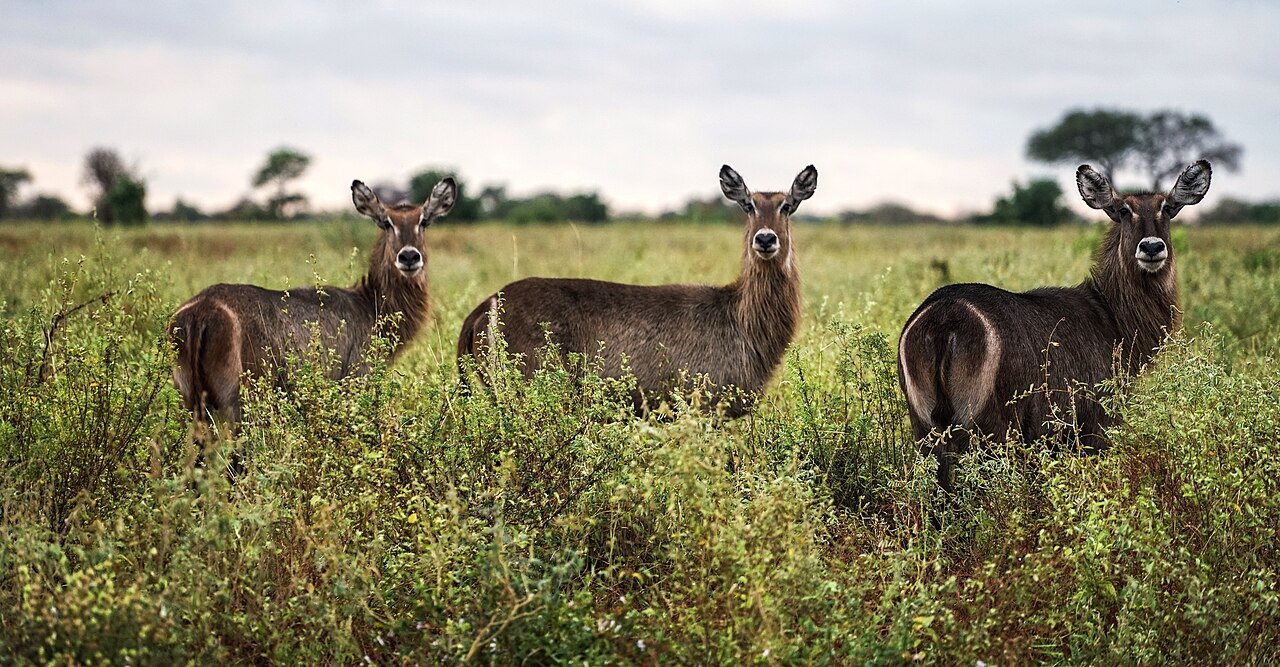
Meru National Park: Rhino Sanctuary, Born Free Country and Kenya’s Wild Northern Frontier
Straddling the equator northeast of Mount Kenya, Meru National Park combines an 870-square-kilometre wilderness, a fenced rhino sanctuary, thirteen rivers and the enduring legacy of the Born Free story into one of Kenya’s most remote conservation landscapes.
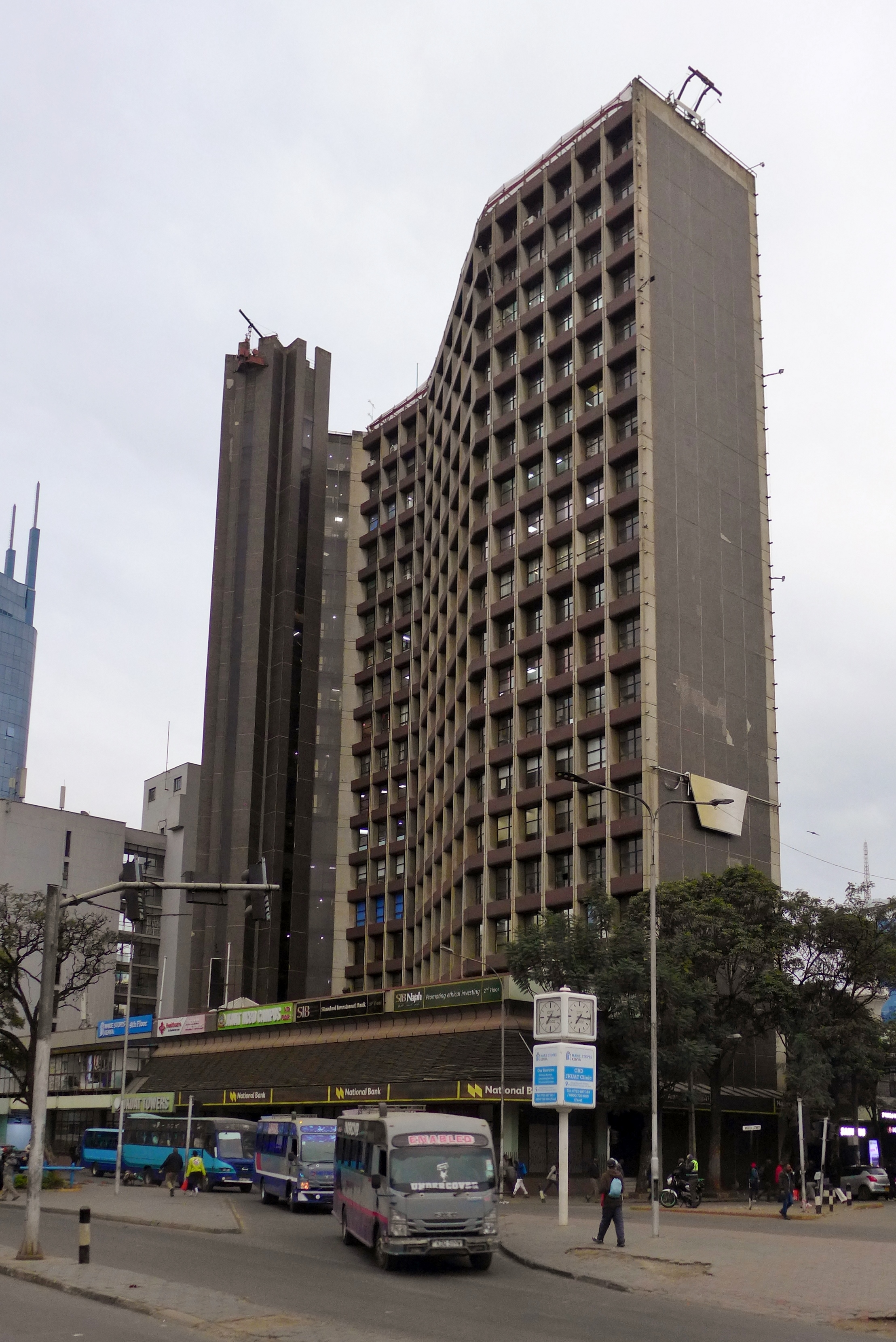
JKUAT: How Jomo Kenyatta University Became East Africa's Technology Hub
From a mid-level agricultural college founded with Japanese support to one of East Africa's leading technology universities, JKUAT in Juja has shaped Kenyan engineering and agriculture. This guide covers its history, programmes, research and reach.
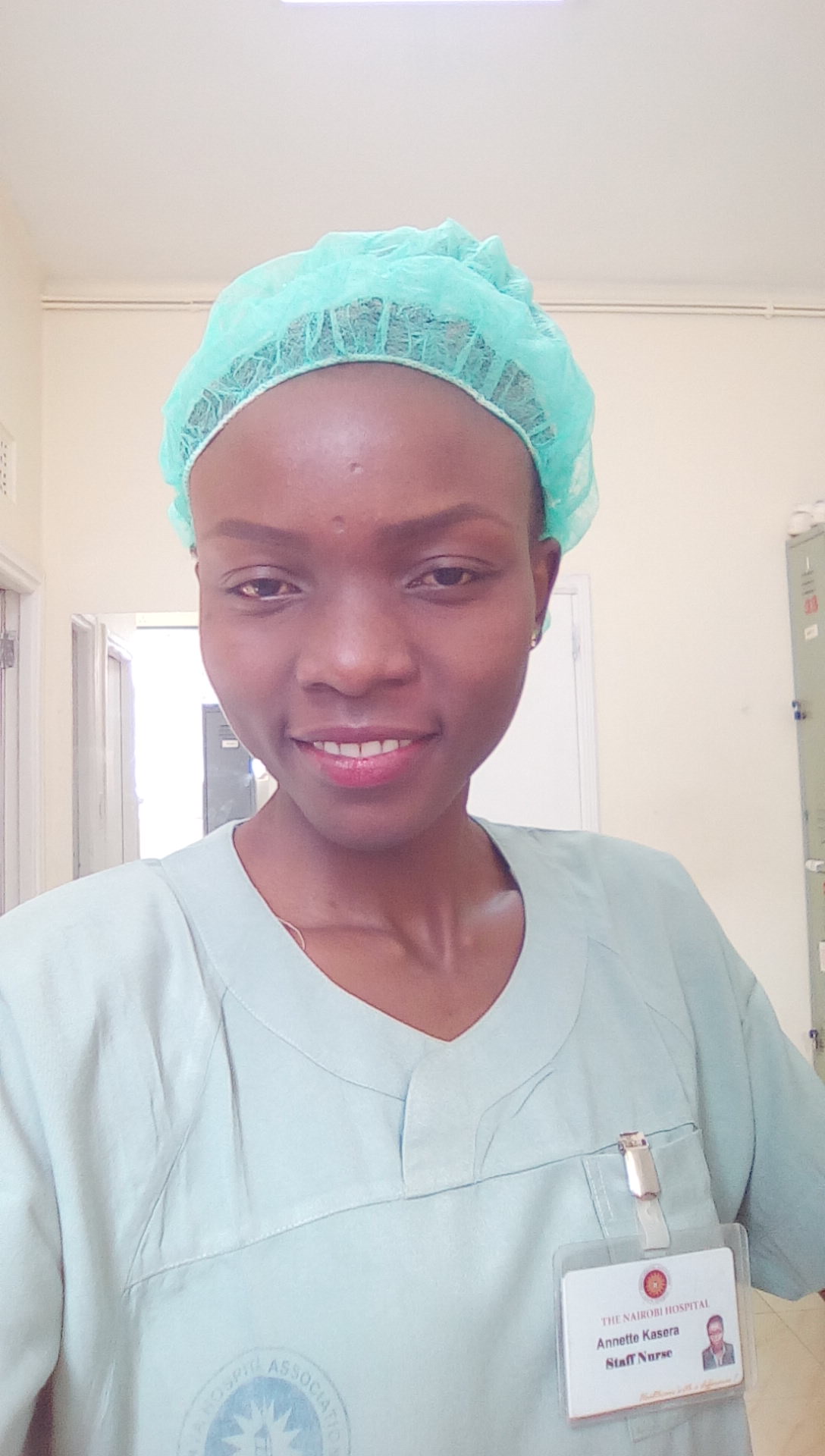
The Nursing Council of Kenya: Mandate, Registration and Licensing of Nurses
The Nursing Council of Kenya regulates the country's largest health workforce. This guide explains its mandate, how it accredits training, runs the licensing exam, and handles indexing, registration, retention and the route to practising as a nurse.
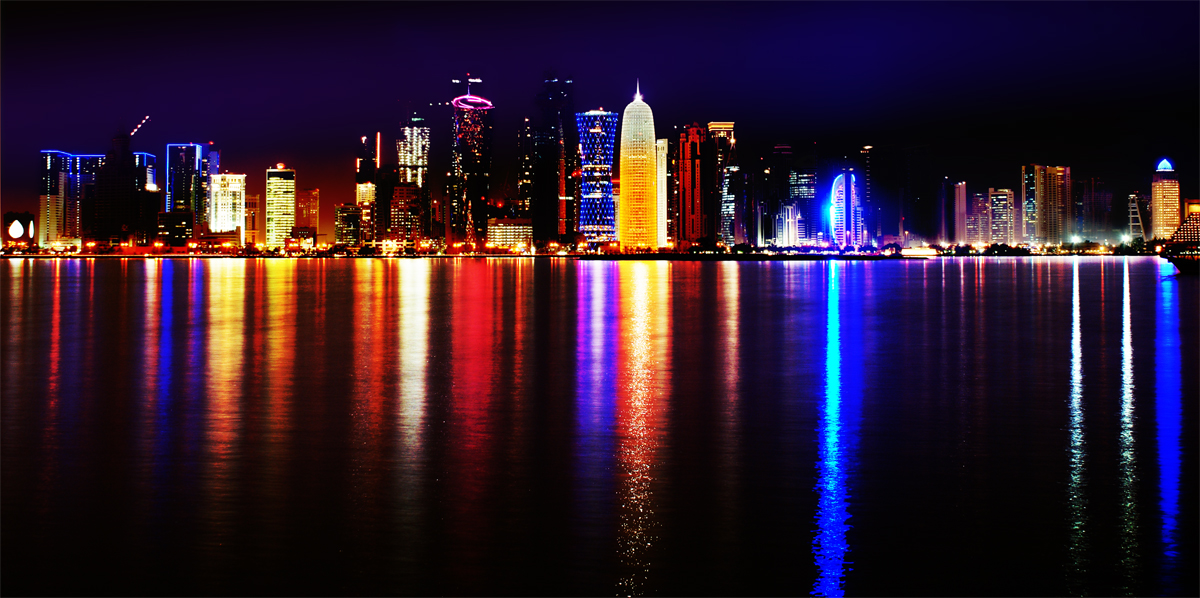
The Kenyan Diaspora in Qatar: Labour Migration, Remittances and Worker Protection
Thousands of Kenyans work in Qatar in construction, hospitality and domestic service. This guide examines the migration drivers, the kafala system, remittance flows, the risks workers face and the safeguards being built to protect them.