
Eye Care in Kenya: Cataract, Trachoma and the Long Road to Universal Vision Health
An estimated 7.5 million Kenyans need ophthalmic care, yet specialists remain scarce and unevenly distributed. This guide examines Kenya's main causes of blindness, the trachoma elimination campaign, the eye health workforce and how patients access and pay for treatment.

The Kenyan Diaspora in Ireland: Community, Work and Remittances in the Emerald Isle
Ireland hosts a small but growing Kenyan community concentrated around Dublin and its healthcare, technology and education sectors. This guide covers migration pathways, community life, remittance channels and the services available through Kenya's embassy in Dublin.

Breast Cancer in Kenya: Incidence, Screening, Treatment and the Push for Earlier Diagnosis
Breast cancer is the most commonly diagnosed cancer in Kenya, with thousands of new cases recorded each year and a high proportion detected late. This overview examines the epidemiology, the national registry, screening, treatment access and the drive toward earlier diagnosis.
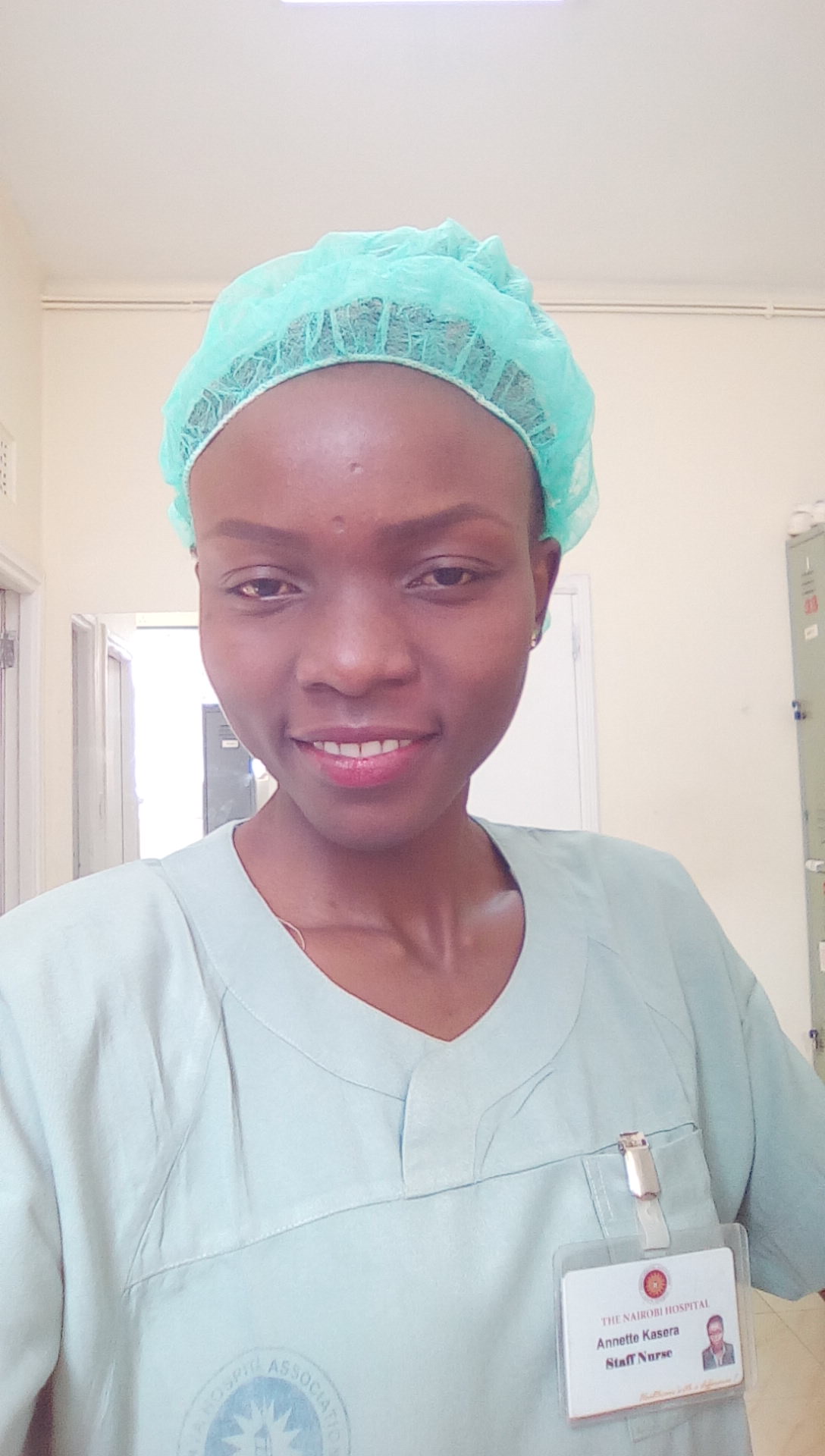
The Nursing Council of Kenya: Mandate, Registration and Licensing of Nurses
The Nursing Council of Kenya regulates the country's largest health workforce. This guide explains its mandate, how it accredits training, runs the licensing exam, and handles indexing, registration, retention and the route to practising as a nurse.
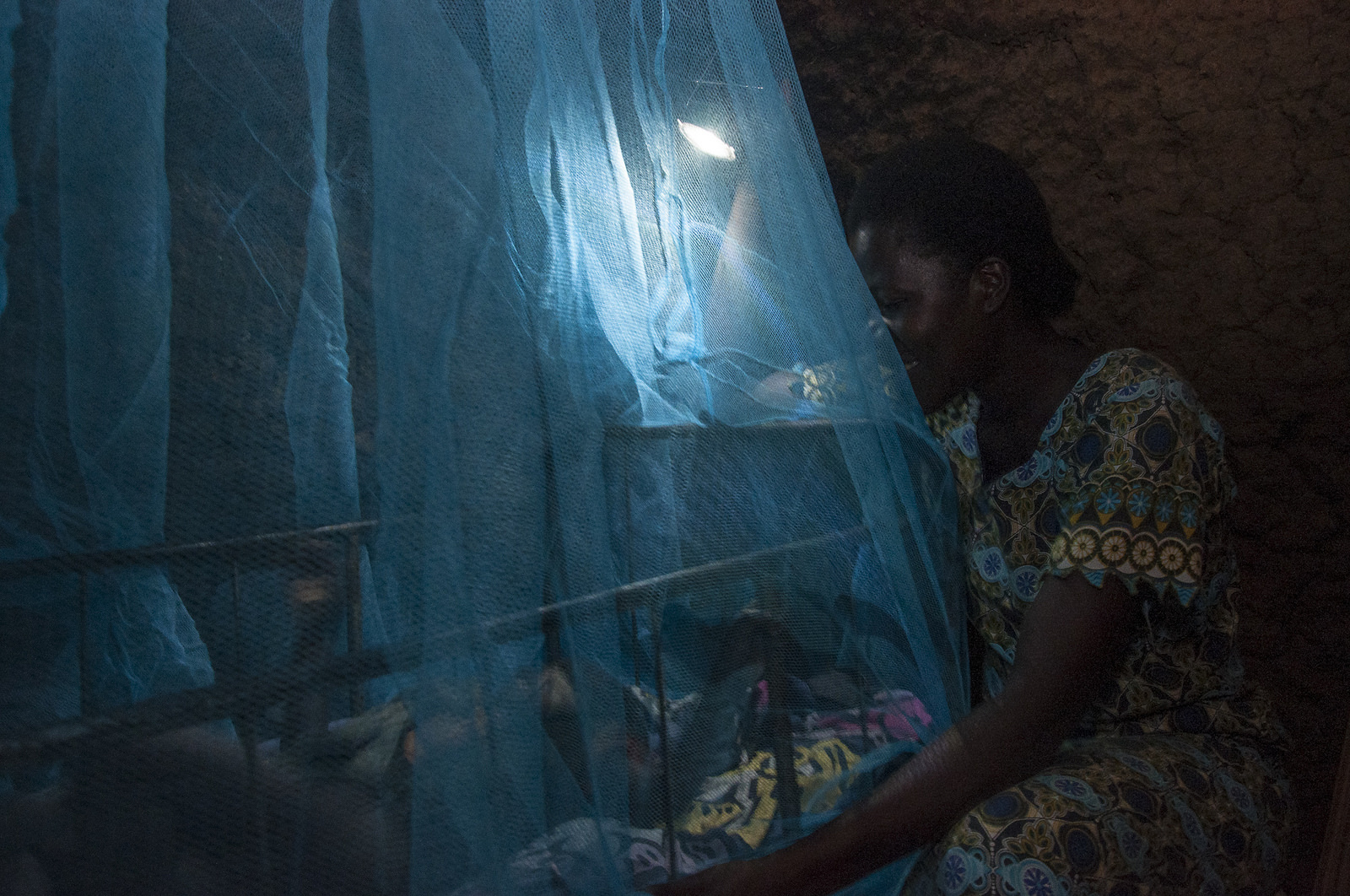
Malaria in Kenya: Epidemiological Zones, Treatment and Prevention
Malaria remains a major public-health burden in Kenya, concentrated in the lake and coastal zones. This guide explains the country's epidemiological zones, treatment with ACTs, prevention through nets and spraying, and the national malaria strategy.

Kenyan Diaspora in Norway: Healthcare Workforce, Education Pathways and the Oslo-Bergen Community Profile
The Kenyan diaspora in Norway combines a strong healthcare workforce presence, educational pathways and a growing professional community across Oslo, Bergen, Trondheim and Stavanger. Explore the community profile, employment sectors and the Kenya-Norway relationship.

Mental Health in Kenya: Burden, Mathari Hospital, the Mental Health Act 2022 and the Path Toward Community-Based Care
One in four Kenyans experiences a mental health condition in their lifetime, yet mental health receives a small fraction of health spending. Explore Mathari Hospital, the Mental Health Act 2022, the workforce shortage, NACADA and the path to community-based care.
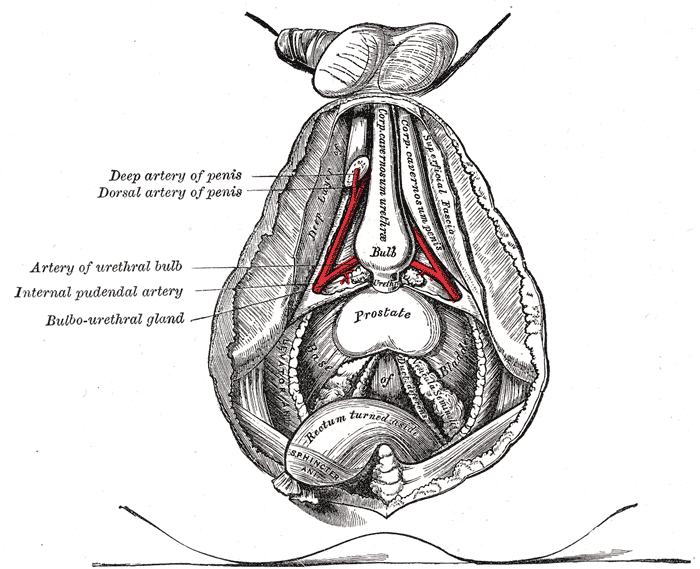
Prostate Cancer in Kenya: Rising Incidence, Late Presentation, Screening Debates and Treatment Access at Public and Private Centres
Prostate cancer is the most common cancer in Kenyan men, with roughly 3,500-4,200 new cases yearly and most presenting late. Explore PSA screening, the diagnostic pathway, treatment options at Kenyatta, Moi, Aga Khan and county hospitals, and the NHIF cancer package.
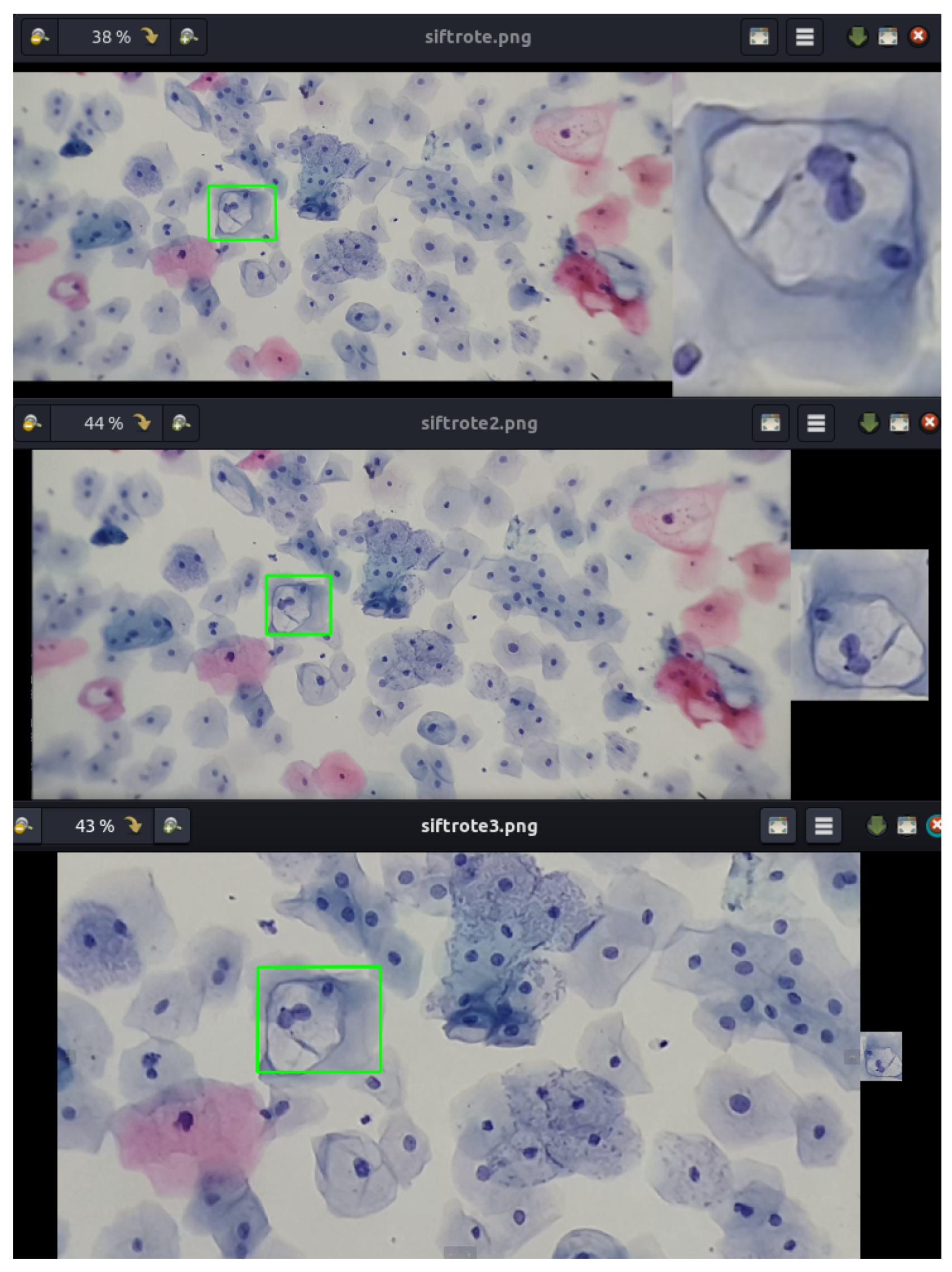
Cervical Cancer in Kenya: Burden, HPV Vaccination, Screening Access and the Road to Elimination as a Public Health Problem
Kenya records about 5,250 new cervical cancer cases and 3,200 deaths a year. This article maps the HPV vaccination rollout, VIA screening, treatment access, the HIV link and the path toward WHO's 90-70-90 elimination targets.