Kenyan Diaspora in Norway: Healthcare Workforce, Education Pathways and the Oslo-Bergen Community Profile
Kenyan Diaspora in Norway: Healthcare Workforce, Education Pathways and the Oslo-Bergen Community Profile
The Kenyan diaspora in Norway is a small but established community estimated at 3,000 to 5,000 residents across the four principal urban centres of Oslo, Bergen, Trondheim and Stavanger. The community combines a significant healthcare workforce presence, particularly in nursing and elderly care, a steady cohort of graduate students at Norwegian universities, professionals in the energy, ICT and education sectors, and family members joining through residence permit pathways. Norway high quality of life, robust social services, strong educational system and the bilateral relationship with Kenya through Norad-supported development cooperation provide the context for the community. This article maps the community profile, education and employment pathways, the healthcare workforce focus, the Kenya-Norway bilateral relationship and the cultural integration experience.
Community Profile and Geographic Distribution
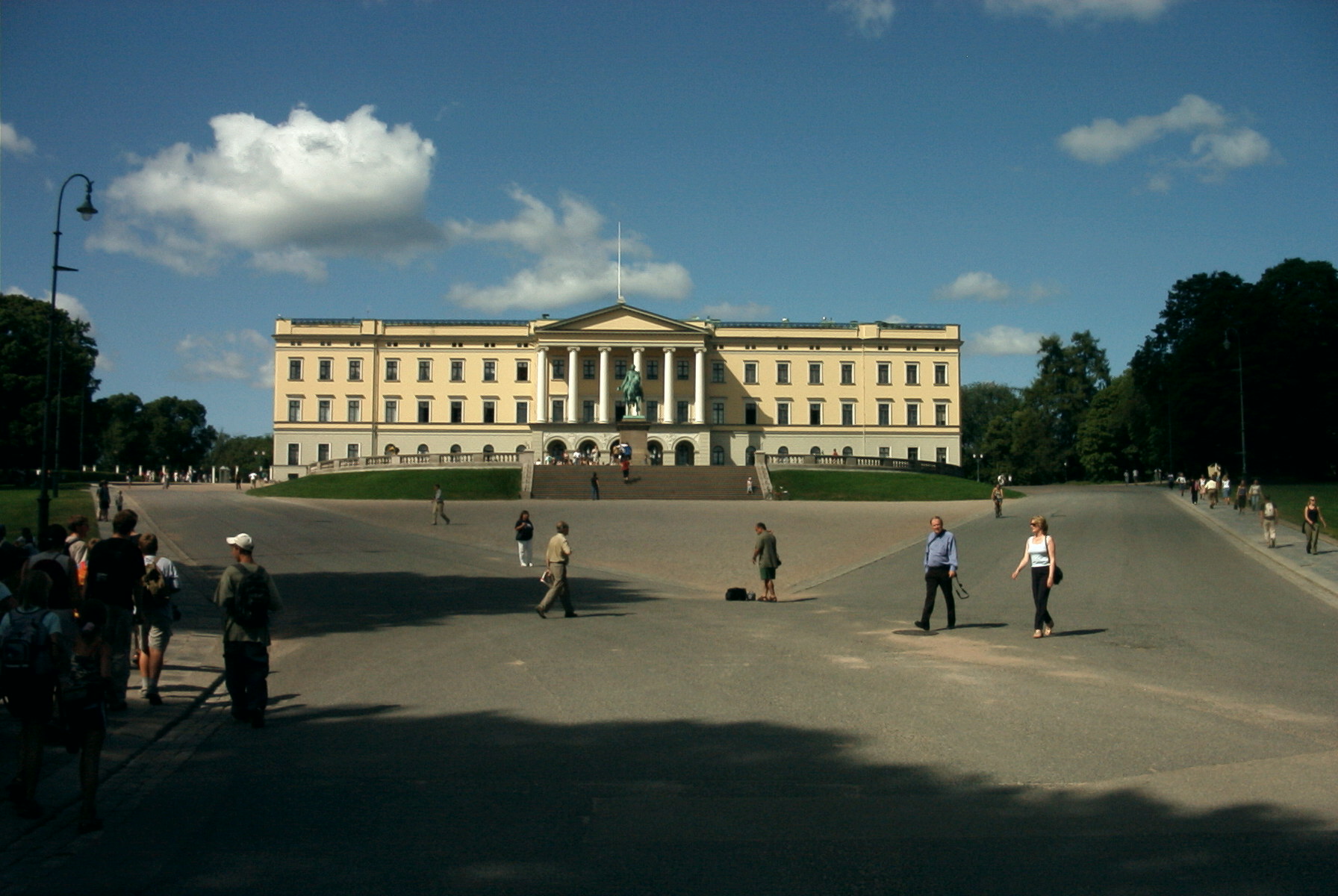
The Kenyan community in Norway is concentrated in the metropolitan areas. Oslo, the capital, hosts the largest Kenyan community, with residents distributed across the central districts and several outer neighbourhoods. Bergen, on the south-western coast, hosts a significant community linked to the maritime, energy and university sectors. Trondheim, in central Norway and home to the Norwegian University of Science and Technology (NTNU), hosts an academic community. Stavanger, the centre of the Norwegian oil and gas industry, hosts engineers and technical professionals. Smaller communities exist in Tromsø, Kristiansand and other secondary cities.
Healthcare Workforce Pathway
One of the most distinctive features of the Kenyan community in Norway is the substantial healthcare workforce presence. Norway has faced a structural shortage of nurses, midwives, healthcare assistants and care workers for the elderly population, prompting active recruitment from countries with healthcare training capacity. Kenyan nurses, midwives and clinical officers have been a notable source of recruitment over the past two decades, with several Norwegian regional health authorities and elderly care providers running programmes that combine Norwegian language training, professional registration support, residence permit facilitation and integration assistance. The Kenyan healthcare diaspora in Norway provides a significant remittance flow to families in Kenya and supports broader engagement in the Kenyan healthcare sector through skills transfer and equipment donations.
Education Pathways and the NORHED Programme
Norwegian universities including the University of Oslo, the Norwegian University of Science and Technology (NTNU), the University of Bergen, the Norwegian School of Economics (NHH) and the University of Stavanger offer pathways for Kenyan students. The Norwegian Programme for Capacity Development in Higher Education and Research for Development (NORHED), administered by the Norwegian Agency for Exchange Cooperation, has supported partnerships between Kenyan and Norwegian universities. Several Kenyan academic institutions have benefited from NORHED-supported collaborations including the University of Nairobi, Moi University, Kenyatta University and Maseno University. The Quota Scholarship Scheme, although discontinued, was an important historical pathway for many Kenyan graduate students in Norway.
Employment Sectors
Kenyans in Norway work across the healthcare, energy, ICT, education, finance and professional services sectors. The energy sector, anchored by Stavanger oil and gas hub and the broader Equinor (formerly Statoil) ecosystem, hosts Kenyan engineers and technical professionals. The ICT sector, with strong presence of global technology firms in Oslo, employs Kenyan software engineers and data professionals. The education sector hosts Kenyans as university lecturers, postdoctoral researchers, graduate students and increasingly as primary and secondary school teachers in international schools.
Kenya-Norway Bilateral Relations
The Kenya-Norway bilateral relationship is anchored by development cooperation, with Norad having been a substantial provider of official development assistance to Kenya across health, education, climate, governance and renewable energy sectors. The Kenya embassy in Oslo and the Norwegian embassy in Nairobi maintain active diplomatic, consular and trade promotion engagement. The Norwegian Agency for Development Cooperation supports several Kenyan civil society organisations, universities and government programmes. The Ministry of Foreign Affairs coordinates the bilateral engagement.
Cultural Integration and Identity
Norway is a relatively homogeneous society with a strong tradition of social democracy, gender equality and environmental consciousness. Kenyans navigate the language challenge (Norwegian language proficiency is required for most professional registration), the distinctive winter climate, the social integration patterns and the relatively high cost of living. The Kenyan community organises cultural events including Jamhuri Day and Madaraka Day celebrations, religious congregations and informal social gatherings that maintain cultural ties.
Remittances and Economic Engagement
Remittances from Kenyans in Norway flow through traditional and digital channels. The relatively high earnings of Norway-based Kenyan professionals translate into significant capital flows back home, supporting family education, healthcare costs, real estate investment and small enterprise development.
Conclusion
The Kenyan diaspora in Norway combines a substantial healthcare workforce presence, an educated professional community and steady bilateral cooperation through Norad and NORHED. The community at 3,000 to 5,000 residents across Oslo, Bergen, Trondheim and Stavanger contributes to Norwegian society and maintains active ties with Kenya through remittances, professional collaboration and cultural engagement. For Kenyans considering Norway as a destination, particularly in the healthcare and energy sectors, the country offers a high-quality environment with strong professional opportunities.
More Articles

The Multiparty Era Reforms: Saba Saba, the Repeal of Section 2A and Kenya's Return to Political Pluralism
Jul 02, 2026

Eye Care in Kenya: Cataract, Trachoma and the Long Road to Universal Vision Health
Jul 02, 2026

Shaba National Reserve: Joy Adamson's Last Wilderness and Isiolo's Semi-Desert Safari Gem
Jul 02, 2026

The Rendille People of Northern Kenya: Camel Pastoralism, Clan Traditions and a Culture Under Pressure
Jul 02, 2026

Ukulima Sacco: From Ministry of Agriculture Staff Society to a National Cooperative Open to All Kenyans
Jul 02, 2026