
The Rendille People of Northern Kenya: Camel Pastoralism, Clan Traditions and a Culture Under Pressure
The Rendille are Cushitic-speaking camel pastoralists of Marsabit County, living between the Marsabit hills and Lake Turkana. This article explores their origins, clan system, age-set ceremonies, camel economy and the community's efforts to preserve a language and culture under pressure.

Ukulima Sacco: From Ministry of Agriculture Staff Society to a National Cooperative Open to All Kenyans
Founded in 1972 by Ministry of Agriculture employees, Ukulima Sacco has opened its common bond to all Kenyans, including chamas and the diaspora. This guide explains its history, savings and loan products, membership requirements and how the sacco fits into Kenya's regulated cooperative sector.
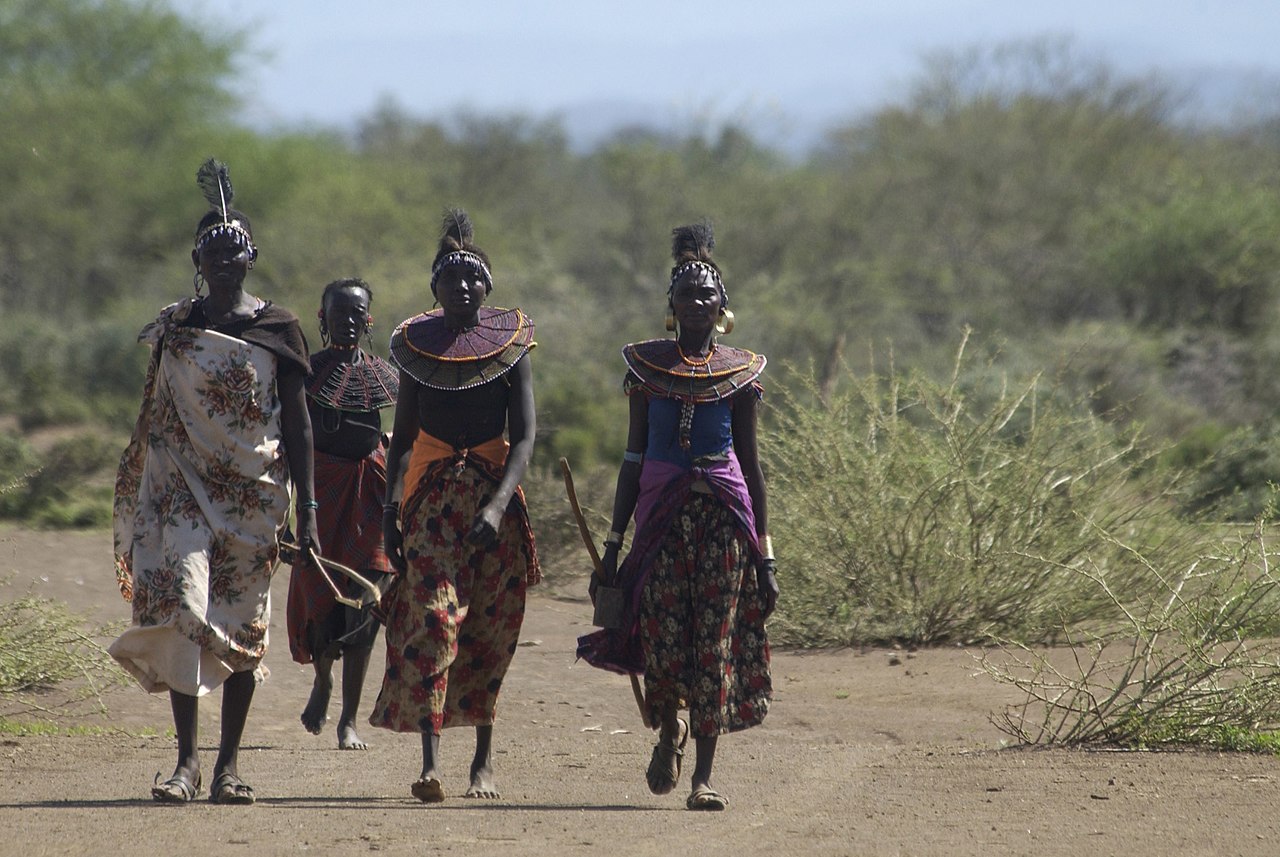
The Pokot People: Pastoral Life, the Sapana Ceremony and Culture of Kenya’s North Rift
Spanning the highlands and dry plains of Kenya’s North Rift, the Pokot are a Kalenjin-speaking people whose lives revolve around cattle, age-sets and ceremonies such as the Sapana initiation. This overview examines their territory, livelihoods, language, culture and contemporary challenges.
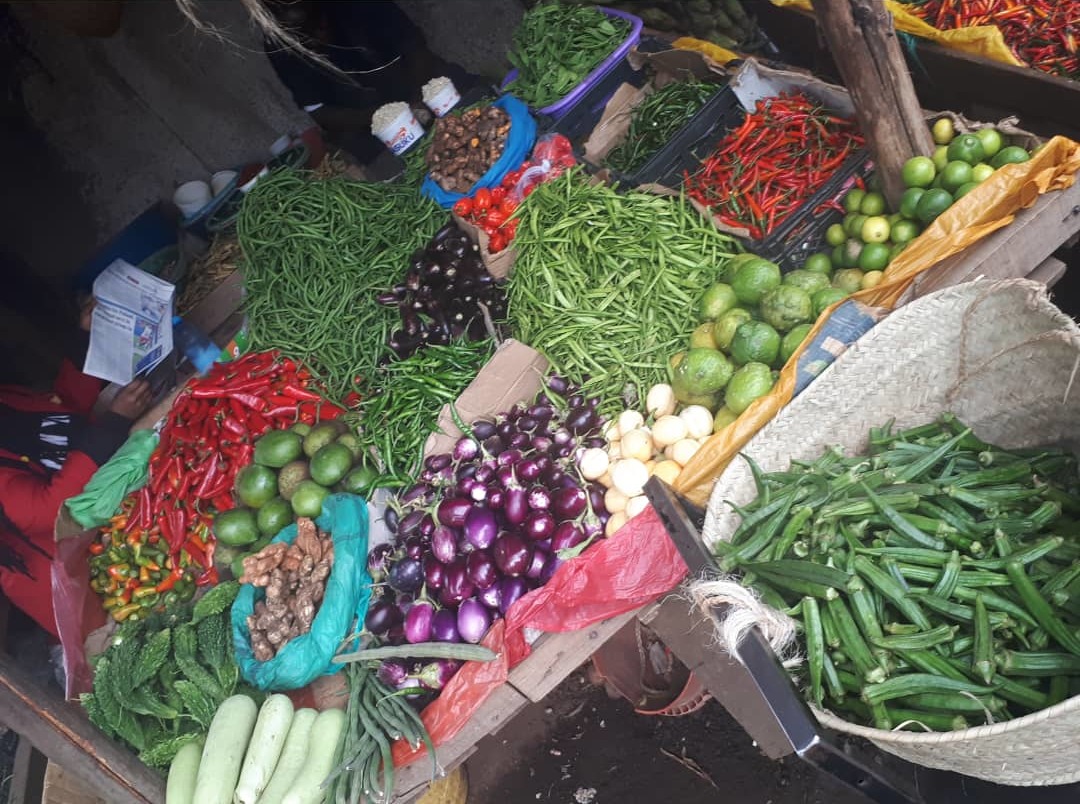
Wakulima Market (Marikiti): Nairobi’s Wholesale Heart of the Fresh Produce Trade
Known to traders simply as Marikiti, Wakulima Market is the wholesale heart of Nairobi’s fresh produce trade, drawing lorries of vegetables and fruit from across Kenya and neighbouring countries. This article examines its history, supply networks, congestion problems and the long-running relocation debate.

JKUAT: How Jomo Kenyatta University Became East Africa's Technology Hub
From a mid-level agricultural college founded with Japanese support to one of East Africa's leading technology universities, JKUAT in Juja has shaped Kenyan engineering and agriculture. This guide covers its history, programmes, research and reach.
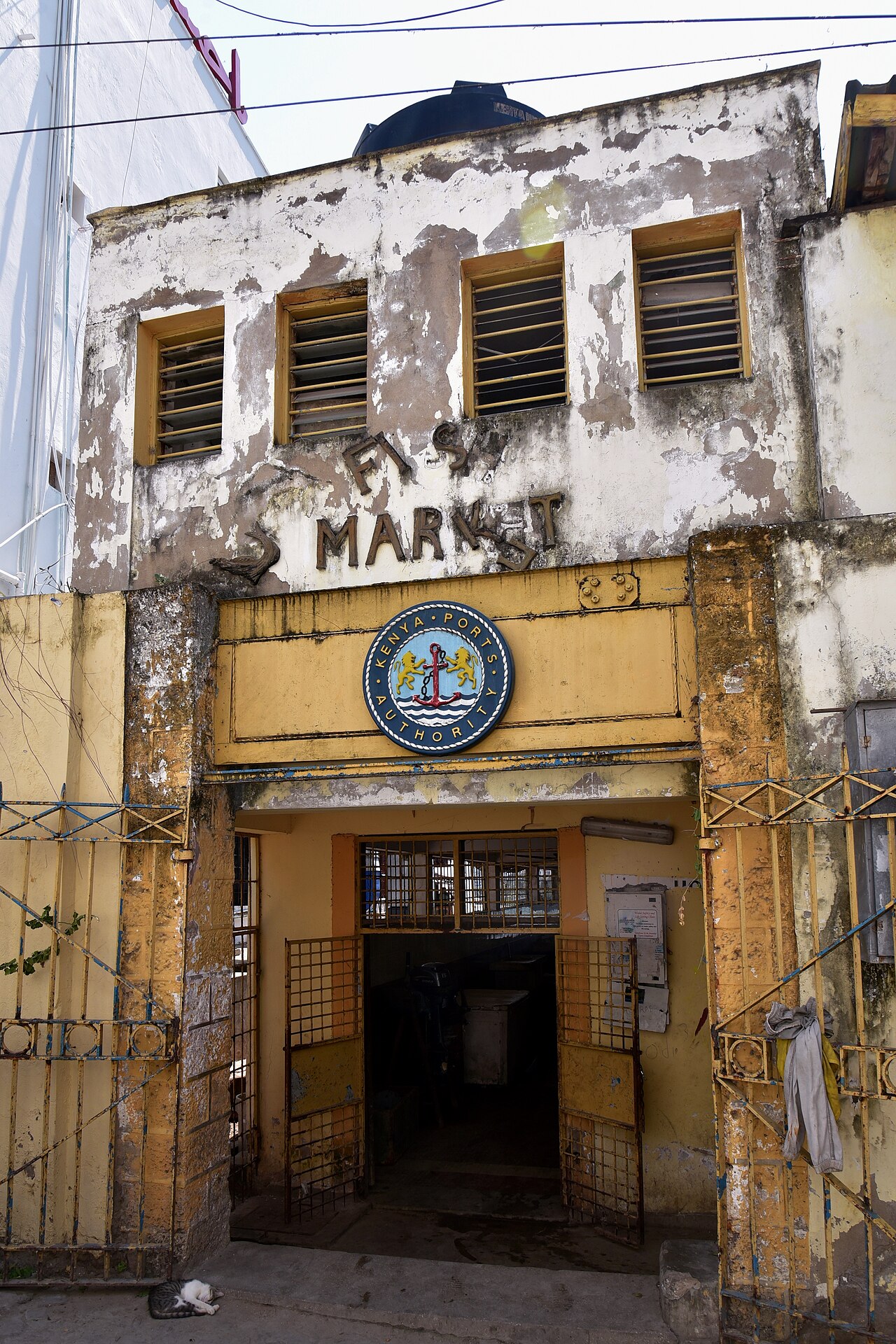
Kongowea Market: East Africa's Largest Fresh Produce Hub on the Mombasa Coast
Kongowea Market in Mombasa is one of East Africa's largest wholesale and retail fresh produce markets, drawing traders from across the region. This article examines its supply chains, traders, economic role, challenges and significance to the coastal economy.
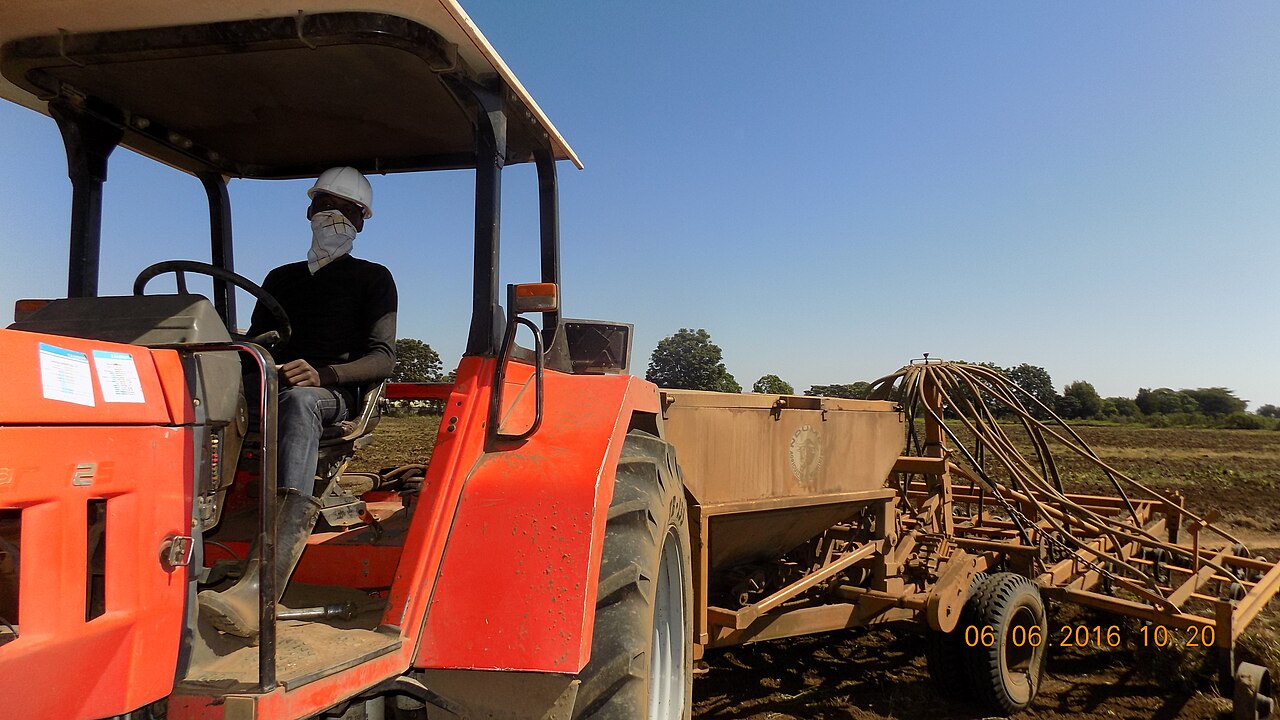
Egerton University: Kenya's Oldest Institution of Higher Learning and Agricultural Powerhouse
Founded in 1939 as a farm school, Egerton University in Njoro is the oldest institution of higher learning in Kenya and its foremost agricultural university. This profile covers its history, campuses, flagship programmes, research and diaspora relevance.
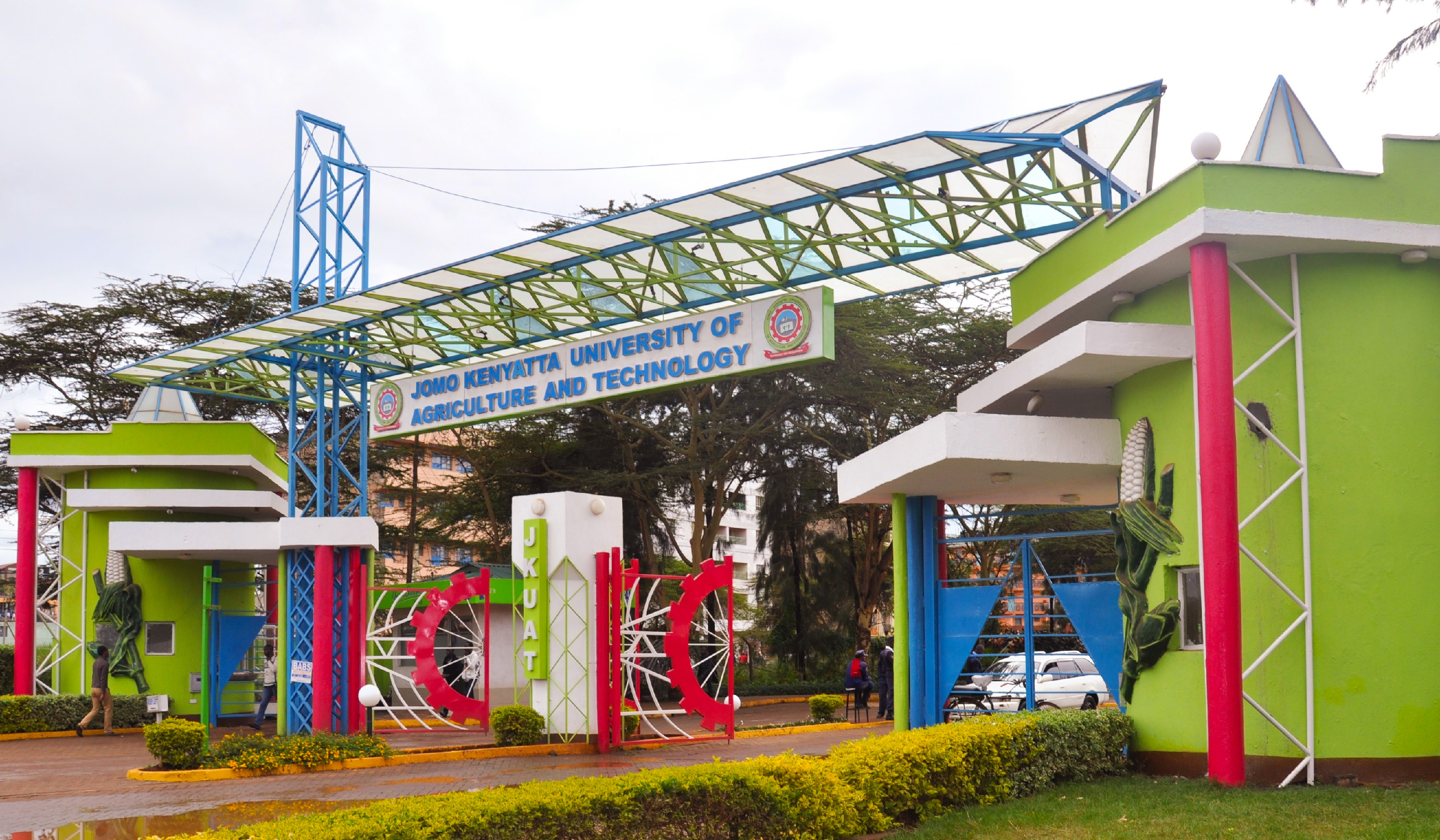
Jomo Kenyatta University of Agriculture and Technology (JKUAT): Founding, Engineering and IT Programmes, Juja Campus and the Industry Pipeline
JKUAT grew from a 1981 Japan-supported college of agriculture and technology into a public university with 40,000+ students, anchored at the 200-hectare Juja campus. Explore its engineering, agriculture, computing and health programmes, plus the Pan African University Institute for Basic Sciences.
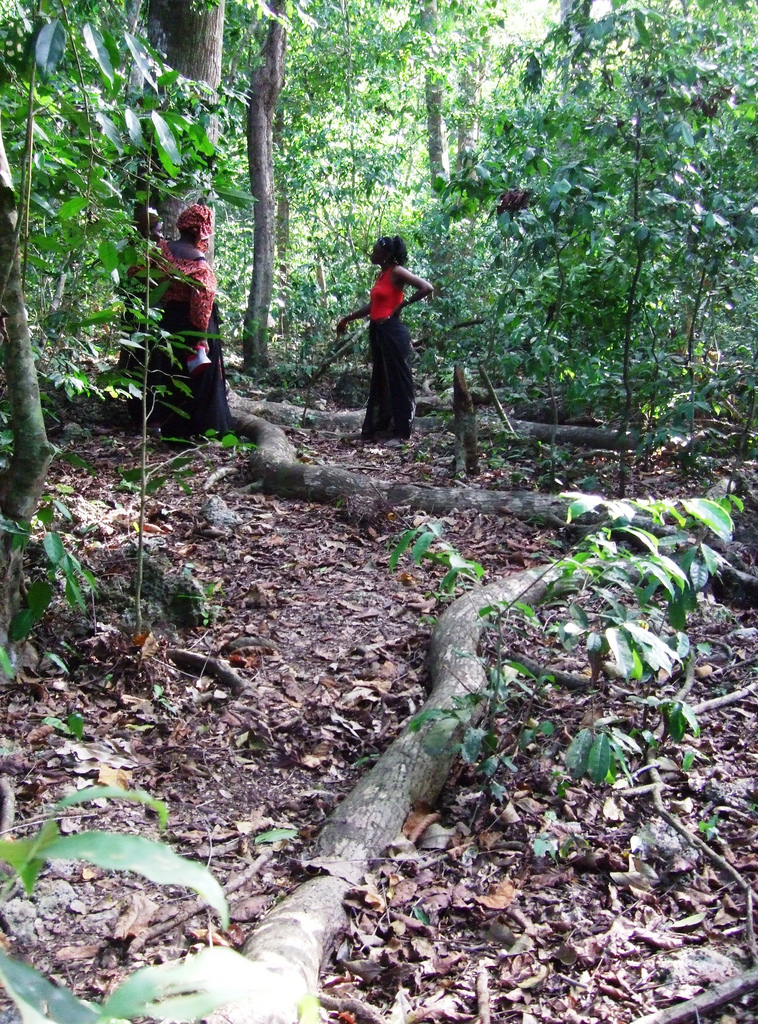
The Mijikenda Community of Coastal Kenya: Nine Sub-Tribes, Sacred Kayas and Heritage
The Mijikenda are nine closely related sub-communities of coastal Kenya whose identity is anchored in the sacred Kaya forests inscribed on the UNESCO World Heritage List, with a distinctive language family, an agricultural and trading economy and a still-living oral tradition.