Jomo Kenyatta University of Agriculture and Technology (JKUAT): Founding, Engineering and IT Programmes, Juja Campus and the Industry Pipeline
Jomo Kenyatta University of Agriculture and Technology (JKUAT): Founding, Engineering and IT Programmes, Juja Campus and the Industry Pipeline
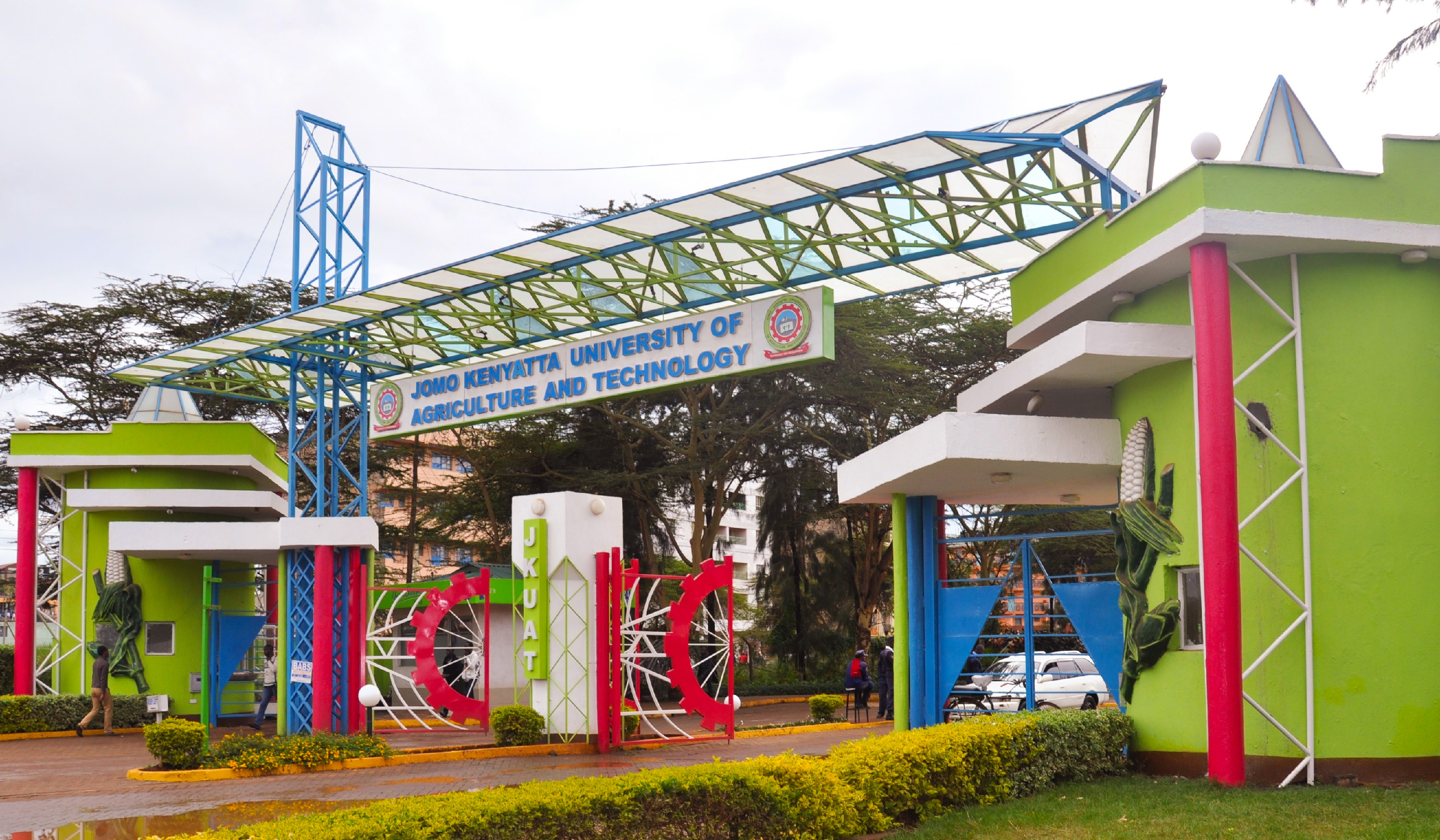
Jomo Kenyatta University of Agriculture and Technology, universally known as JKUAT, is one of Kenya's leading public universities and the country's principal academic institution for agricultural sciences, engineering and applied technology. From its 1981 founding as a middle-level college supported by the Japanese government, through its transition into a constituent college of Kenyatta University, to its 1994 elevation to full university status, JKUAT has built a distinctive identity around hands-on technical education, applied research and partnership with industry. The Juja main campus, sited on a 200-hectare estate east of Nairobi along the Thika Superhighway, anchors a network of constituent colleges, campuses and research stations spanning multiple Kenyan counties. This article traces the university's history, examines its principal schools and programmes, considers its research output and innovation pipeline and reflects on its role in Kenya's broader higher education ecosystem.
Origins and the Japanese Partnership
JKUAT was established in 1981 as Jomo Kenyatta College of Agriculture and Technology (JKCAT), a middle-level institution that was developed with financial and technical support from the Government of Japan through the Japan International Cooperation Agency. The college was sited at Juja, on land previously occupied by the Kenya Plant Health Inspectorate Service, on the eastern fringe of the Nairobi metropolitan area. The Japanese involvement gave the college a distinctive culture emphasising practical training, agricultural and engineering applications, and a faculty oriented toward industry-relevant teaching. The early curriculum focused on diploma programmes in agriculture, mechanical engineering, civil engineering, electrical engineering and food science.
In 1988 the college became a constituent college of Kenyatta University, allowing it to confer degree-level qualifications under the Kenyatta University charter. In 1994 it was elevated to full university status as Jomo Kenyatta University of Agriculture and Technology, with its own charter authorising it to award its own degrees up to the doctoral level. The transition opened the institution to the rapid expansion of academic programmes, faculty hiring and student enrolment that characterised Kenyan higher education in the 1990s and 2000s.
Juja Campus and the Physical Footprint
The Juja main campus is the largest single-site university campus in Kenya by land area. Sited along the Thika Superhighway about thirty kilometres north-east of Nairobi, the campus hosts academic blocks for engineering, agriculture, food science, computing, business and architecture, alongside student residences, sporting facilities, a teaching hospital, agricultural research farms, an engineering workshop complex and the Pan African University Institute for Basic Sciences, Technology and Innovation. The campus has expanded substantially since the 1980s, with new buildings funded by partnerships with the Government of Japan, the Government of Kenya and donor agencies.
Beyond Juja, the university operates the Karen Campus in Nairobi for business and law programmes, the Nairobi CBD Campus, the Mombasa Campus, the Westlands Campus, the Kakamega Campus, the Kitale Campus and the Kisii Campus. The Taita Taveta University was a former JKUAT constituent college that has since been chartered as an independent public university, as has Multimedia University of Kenya. Several other former JKUAT colleges, including the Murang'a University of Technology and the Machakos University, have followed the same trajectory.
Schools, Faculties and Programmes
JKUAT is organised into several colleges and schools. The College of Engineering and Technology offers degree, masters and doctoral programmes in civil, mechanical, electrical and electronic, mechatronics, telecommunications and software engineering. The College of Agriculture and Natural Resources offers programmes in agricultural engineering, horticulture, animal science, agribusiness, food science and forestry. The School of Architecture and Building Sciences offers architecture, construction management and urban planning programmes. The School of Computing and Information Technology offers computer science, IT and information systems degrees, with specialisation tracks in data science, cybersecurity and software engineering. The College of Health Sciences hosts programmes in medicine, pharmacy, nursing and biomedical sciences. The School of Business and Entrepreneurship, the School of Communication and Development Studies and the School of Pure and Applied Sciences round out the academic offering.
The university has historically been one of Kenya's largest producers of engineers, agricultural scientists and computing graduates. Enrolment has grown to more than 40,000 students across all campuses and study modes, including module-based, full-time, part-time, school-based and e-learning options.
Research, Innovation and the Industry Pipeline
JKUAT's research culture emphasises applied science with industry relevance. The Institute of Biotechnology Research, the Institute of Energy and Environmental Technology, the Sustainable Materials Research and Technology Centre and the Centre of Excellence in Phytochemicals, Textile and Renewable Energy anchor the university's research portfolio. The Pan African University Institute for Basic Sciences, Technology and Innovation hosts continental-level masters and doctoral programmes funded by the African Union, drawing students from across the continent to study at the Juja campus.
The university hosts several technology incubators and innovation hubs, including the JKUAT Enterprises Limited commercialisation arm, the Nairobi Industrial and Technology Park initiative and partnerships with industry players in the manufacturing, ICT and agricultural sectors. Spin-off companies have emerged in fields such as agricultural drones, water purification, renewable energy systems, value-added food processing and software development. The university's annual Tech Expo showcases student projects and connects graduates to industry employers.
Health Sciences and the JKUAT Teaching and Referral Hospital
The College of Health Sciences operates the JKUAT Teaching and Referral Hospital at Juja, providing both clinical training for medical, nursing, pharmacy and biomedical students and a service-delivery role for the surrounding population. The hospital has expanded steadily, adding specialised clinics, diagnostic services and inpatient capacity. The university also runs community outreach health programmes in the surrounding sub-county.
Sports, Culture and Student Life
JKUAT has a vibrant student culture. The Juja campus hosts a stadium, swimming pool, gymnasium and a range of indoor and outdoor sports facilities. The university competes in the East African Universities Games and the Kenya Universities Sports Association tournaments across athletics, football, rugby, basketball, volleyball and martial arts. Cultural events, student-led associations and faith-based fellowships provide a rich extracurricular environment. The Juja location keeps the campus relatively self-contained while offering quick access to Nairobi.
Tuition, Funding and Diaspora Engagement
JKUAT students access government-sponsored placement under the Universities Funding Board through the Kenya Universities and Colleges Central Placement Service, alongside privately-sponsored programme places. Tuition fees are publicly disclosed and align with national pricing for public universities. The Higher Education Loans Board (now part of the Universities Fund) provides loans and bursaries for eligible students. The diaspora alumni network is active, with chapters in the United States, the United Kingdom, Canada, the United Arab Emirates and South Africa. Diaspora professionals contribute mentorship, internship pipelines, equipment donations and research collaboration.
Strategic Partnerships and the Pan African University
The university's strategic partnerships extend beyond the original Japanese collaboration to include institutions in Germany, China, India, the United Kingdom and across Africa. The Pan African University Institute for Basic Sciences, Technology and Innovation (PAUSTI), hosted at Juja, is one of five nodes of the African Union's Pan African University, providing masters and doctoral training in mathematics, molecular biology, chemistry, electrical engineering, civil engineering and mechanical engineering. The presence of PAUSTI cements JKUAT's status as a continental hub for STEM postgraduate training.
The Role in Kenya's Higher Education Ecosystem
JKUAT plays a distinctive role in Kenya's higher education ecosystem as the country's leading public university for agriculture, engineering and applied technology. Its industry-aligned curriculum, large research and innovation footprint and continental partnership give it a different positioning from the University of Nairobi (whose breadth spans humanities, social sciences and traditional professions) and Kenyatta University (which is anchored in teacher education and is the largest by enrolment). JKUAT graduates are heavily represented in the engineering, agriculture, IT, manufacturing and biotechnology sectors across East Africa.
Conclusion
From its 1981 origins as a Japanese-supported college of agriculture and technology to its current position as a full public university with more than 40,000 students, JKUAT has carved out a distinctive place in Kenyan higher education. The Juja campus, the engineering and IT programmes, the agricultural sciences, the College of Health Sciences and the Pan African University collaboration combine to make the institution a serious choice for students and a vital partner for industry. With sustained investment in research, in the technology park initiative and in the diaspora alumni network, JKUAT is well positioned to play a central role in Kenya's economic transformation through the 2020s and 2030s.
More Articles

The Multiparty Era Reforms: Saba Saba, the Repeal of Section 2A and Kenya's Return to Political Pluralism
Jul 02, 2026

Eye Care in Kenya: Cataract, Trachoma and the Long Road to Universal Vision Health
Jul 02, 2026

Shaba National Reserve: Joy Adamson's Last Wilderness and Isiolo's Semi-Desert Safari Gem
Jul 02, 2026

The Rendille People of Northern Kenya: Camel Pastoralism, Clan Traditions and a Culture Under Pressure
Jul 02, 2026

Ukulima Sacco: From Ministry of Agriculture Staff Society to a National Cooperative Open to All Kenyans
Jul 02, 2026