
The Multiparty Era Reforms: Saba Saba, the Repeal of Section 2A and Kenya's Return to Political Pluralism
Between 1990 and 1992 Kenya moved from a one-party state to multiparty democracy. This article traces the Saba Saba protests, the repeal of Section 2A of the constitution, the rise and fracture of FORD, and the contested 1992 elections that opened Kenya's pluralist era.

Eye Care in Kenya: Cataract, Trachoma and the Long Road to Universal Vision Health
An estimated 7.5 million Kenyans need ophthalmic care, yet specialists remain scarce and unevenly distributed. This guide examines Kenya's main causes of blindness, the trachoma elimination campaign, the eye health workforce and how patients access and pay for treatment.

The Rendille People of Northern Kenya: Camel Pastoralism, Clan Traditions and a Culture Under Pressure
The Rendille are Cushitic-speaking camel pastoralists of Marsabit County, living between the Marsabit hills and Lake Turkana. This article explores their origins, clan system, age-set ceremonies, camel economy and the community's efforts to preserve a language and culture under pressure.

Ukulima Sacco: From Ministry of Agriculture Staff Society to a National Cooperative Open to All Kenyans
Founded in 1972 by Ministry of Agriculture employees, Ukulima Sacco has opened its common bond to all Kenyans, including chamas and the diaspora. This guide explains its history, savings and loan products, membership requirements and how the sacco fits into Kenya's regulated cooperative sector.

The Kenyan Diaspora in Ireland: Community, Work and Remittances in the Emerald Isle
Ireland hosts a small but growing Kenyan community concentrated around Dublin and its healthcare, technology and education sectors. This guide covers migration pathways, community life, remittance channels and the services available through Kenya's embassy in Dublin.
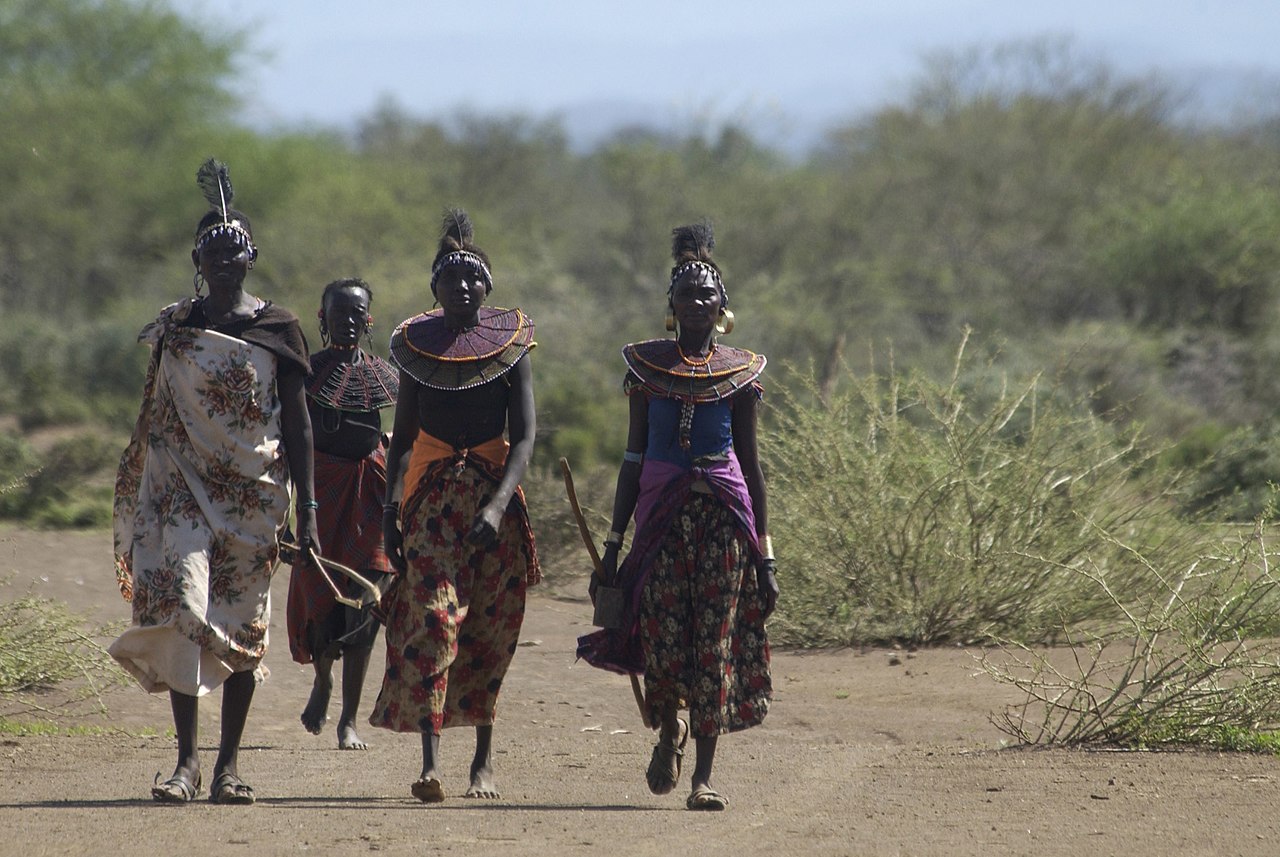
The Pokot People: Pastoral Life, the Sapana Ceremony and Culture of Kenya’s North Rift
Spanning the highlands and dry plains of Kenya’s North Rift, the Pokot are a Kalenjin-speaking people whose lives revolve around cattle, age-sets and ceremonies such as the Sapana initiation. This overview examines their territory, livelihoods, language, culture and contemporary challenges.
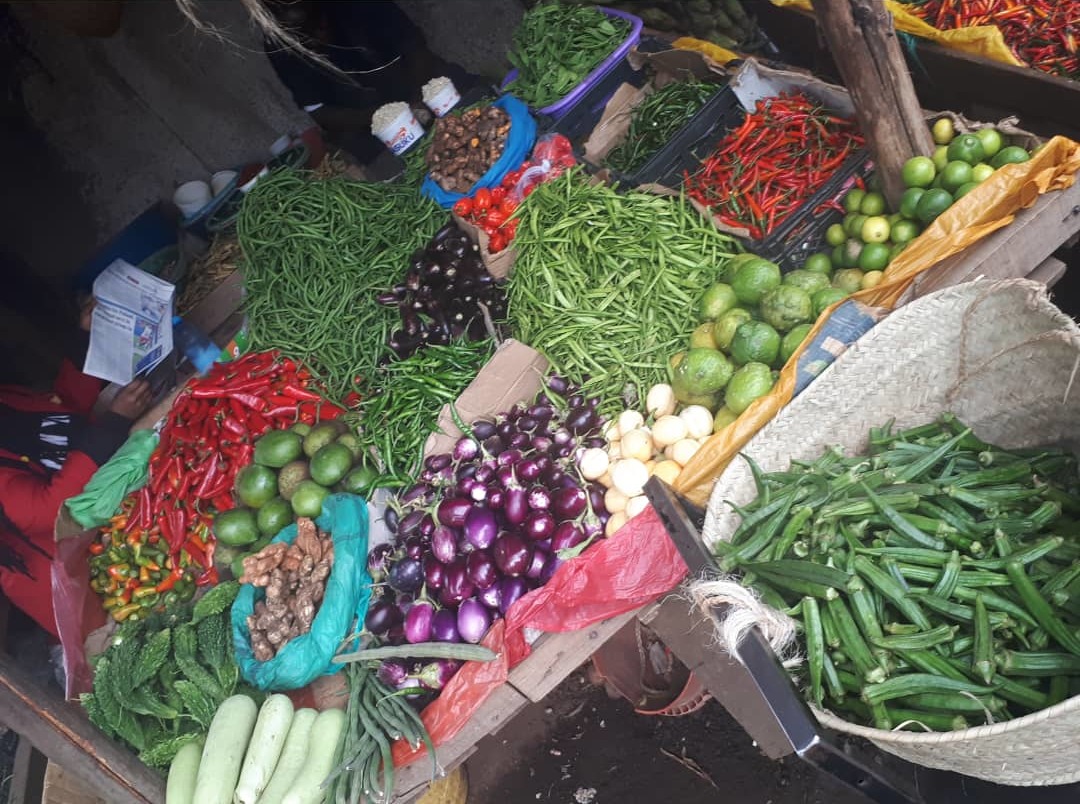
Wakulima Market (Marikiti): Nairobi’s Wholesale Heart of the Fresh Produce Trade
Known to traders simply as Marikiti, Wakulima Market is the wholesale heart of Nairobi’s fresh produce trade, drawing lorries of vegetables and fruit from across Kenya and neighbouring countries. This article examines its history, supply networks, congestion problems and the long-running relocation debate.
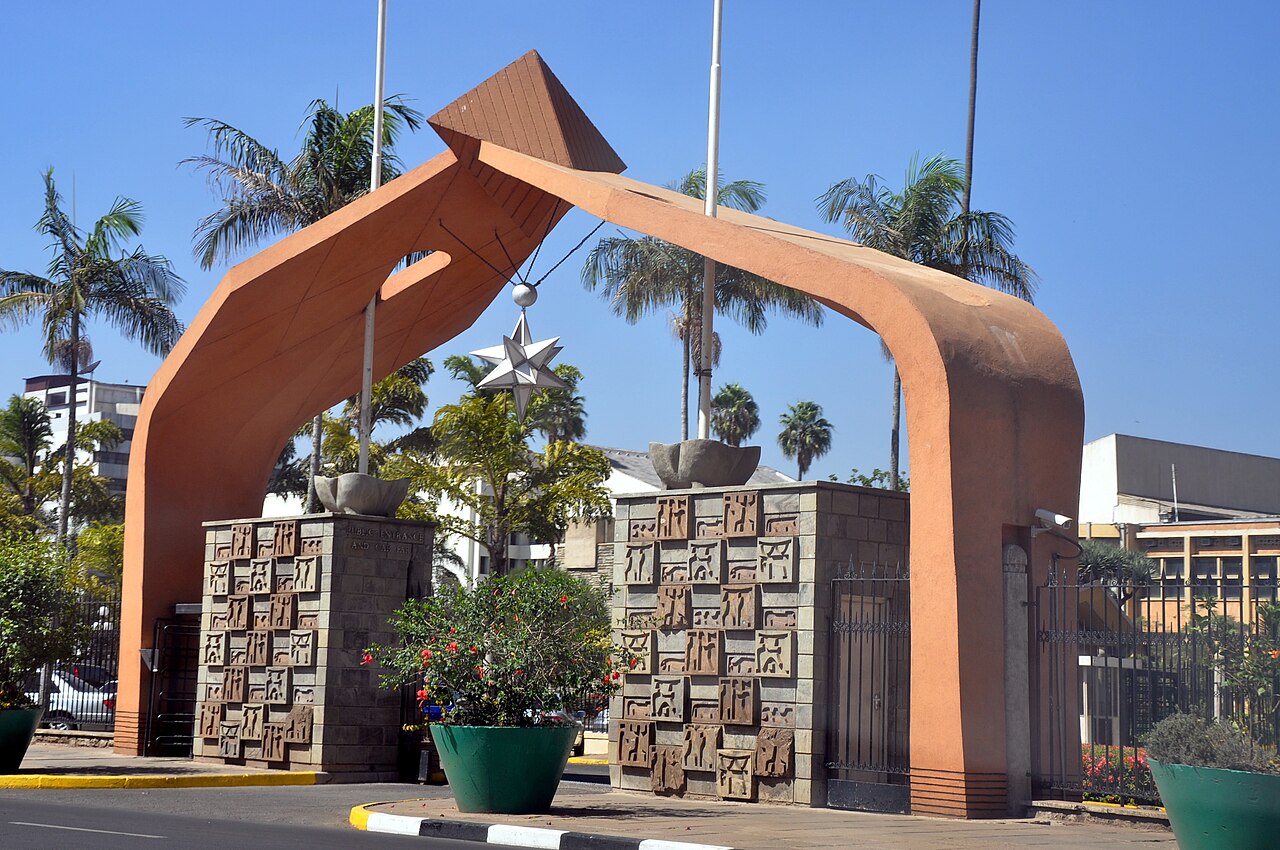
The 1982 Coup Attempt: Six Hours That Reshaped Kenya’s Political History
On 1 August 1982, junior Kenya Air Force servicemen seized radio and air bases in a bid to topple President Daniel arap Moi. The coup collapsed within hours but reshaped Kenyan politics, the military and the constitutional order for decades. This article examines what happened and why it mattered.
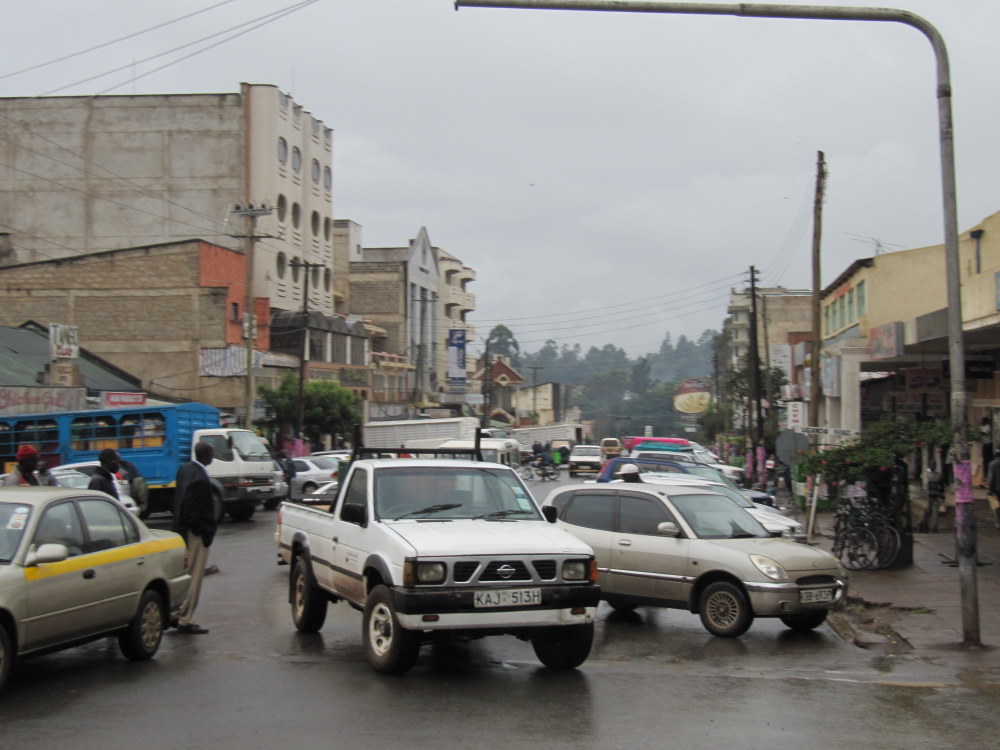
Moi University: From 83 Forestry Students to a National Higher Education Institution
Established in 1984 as Kenya’s second public university, Moi University grew from just 83 forestry students into a major national institution near Eldoret, with multiple schools, constituent colleges and tens of thousands of students. This profile traces its history, structure and academic role.