Moi University: From 83 Forestry Students to a National Higher Education Institution
Moi University: From 83 Forestry Students to a National Higher Education Institution
Moi University is one of Kenya’s foundational public universities, established in 1984 as the country’s second university after the University of Nairobi. Located in the Rift Valley near Eldoret, it was conceived as a science, technology and development-oriented institution intended to address the problems of rural development through its teaching and research. From a single faculty and a first cohort of just 83 students, it has grown into a large, multi-campus university whose graduates are spread across Kenya’s professions, public service and diaspora.
Founding and Early History
Moi University was created by an Act of Parliament, the Moi University Act of 1984. Its very first students — 83 in number — were admitted on 1 October 1984 through a transfer of the Department of Forestry from the University of Nairobi, which formed the new university’s initial faculty. This origin in forestry reflected the institution’s founding emphasis on natural resources, science and development relevant to Kenya’s rural economy.
The decision to site a major university in the Rift Valley was significant in the context of Kenya’s higher education history. It expanded access beyond Nairobi and contributed to the spread of university education to regions that had previously been underserved, part of a broader policy of widening participation in tertiary education during the 1980s.
Location and Setting
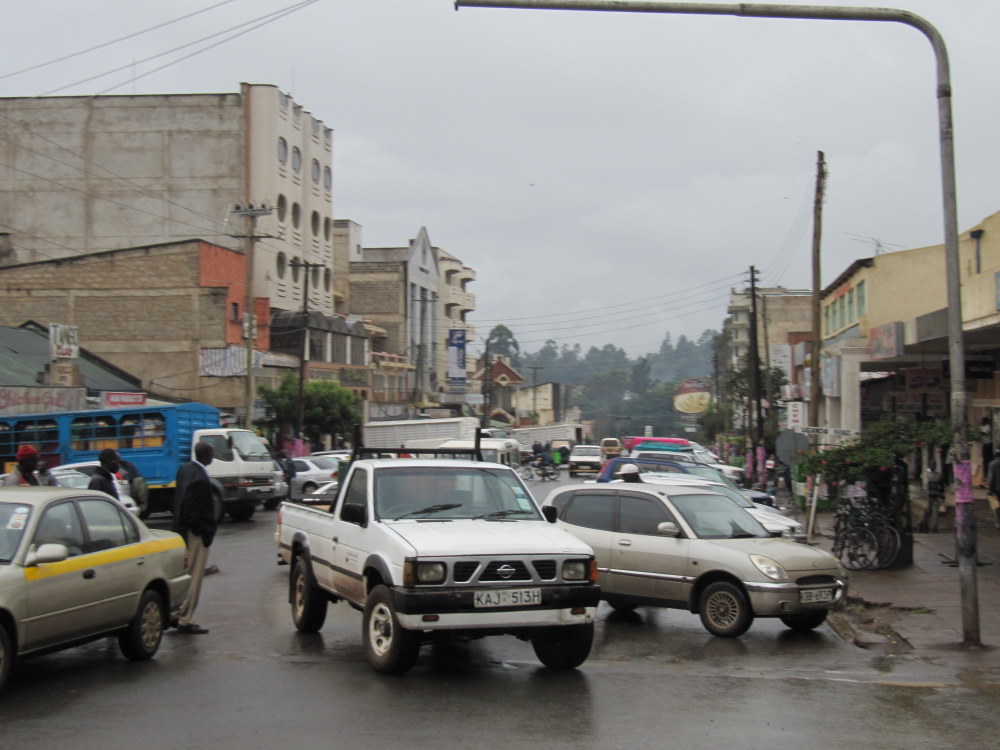
The main campus is located in Kesses, about 35 kilometres from Eldoret town and roughly 310 kilometres northwest of Nairobi. Eldoret, the principal urban centre of the surrounding region, is one of Kenya’s fastest-growing towns and a hub for agriculture, athletics and commerce. The university’s presence has helped to shape the town’s economy and identity, drawing students, staff and associated services to the area and reinforcing Eldoret’s status as an education and health centre in the North Rift.
Growth into a Multi-Campus University
From its initial single faculty in 1984, Moi University has expanded dramatically. The institution now comprises around 15 schools, nine directorates and two institutes, spanning disciplines from medicine, engineering and law to education, business, arts and the sciences. Its student population has grown from the original 83 to tens of thousands — reported figures put enrolment at close to 39,786 students, supported by a staff complement of around 3,000 academic and administrative personnel.
The university has also spawned a number of constituent and campus colleges. Constituent colleges established under Moi University have included Garissa University College, Bomet University College and Alupe University College in Busia County, several of which have progressed toward independent university status over time. Campus colleges have included the College of Health Sciences within Eldoret town and the Odera Akang’o Campus College at Yala. This pattern of incubating new institutions reflects the role that established universities have played in seeding the expansion of Kenya’s university system.
Flagship Programmes and the Health Sciences
Among Moi University’s most prominent contributions is its School of Medicine and the broader College of Health Sciences, closely associated with the Moi Teaching and Referral Hospital in Eldoret, the second national referral hospital in Kenya. The medical school pioneered a problem-based, community-oriented approach to training doctors and has built international research partnerships, particularly in areas such as HIV care, that have given it a global profile in health sciences education.
The university’s engineering, education, business, law and information sciences programmes are also well established, and its School of Information Sciences has historically been a leading centre for library and information training in the region. Across these fields, the institution has supplied a substantial share of Kenya’s professionals and academics.
Regulation and the National Higher Education System
Moi University operates within a national framework for quality assurance and student financing. University standards, accreditation and quality assurance are overseen by the Commission for University Education, which regulates both public and private universities. Many students rely on loans and bursaries administered by the Higher Education Loans Board to finance their studies, while overall sector policy is set by the Ministry of Education. These institutions together shape the environment in which Moi University and its peers operate.
Challenges and Reform
Like several large public universities in Kenya, Moi University has navigated financial pressures, governance debates and the effects of changes in student funding models. Rapid expansion, fluctuating government capitation and shifts in the way university education is financed have at times strained budgets across the public university sector. The hiving off of constituent colleges into independent universities has also reshaped enrolment and resources. These challenges have prompted restructuring efforts aimed at restoring financial sustainability while protecting academic quality.
Alumni and the Diaspora
Over four decades, Moi University has produced a large body of graduates who occupy roles in medicine, engineering, education, law, business and public administration both in Kenya and abroad. Its medical and health sciences alumni in particular are well represented in the diaspora, and the university’s international research collaborations have created enduring links between Eldoret and institutions overseas. For diaspora alumni, the university remains a point of connection to the country and a focus for mentorship, philanthropy and partnership.
Conclusion
Moi University’s journey from 83 forestry students in 1984 to a national institution with multiple schools, constituent colleges and tens of thousands of students mirrors the broader expansion of higher education in Kenya. Anchored in the Rift Valley near Eldoret and distinguished by its health sciences and development orientation, it has shaped the professional landscape of the country. Its continued evolution — balancing growth, quality and financial sustainability — will help determine the trajectory of public higher education in Kenya for years to come.
More Articles

The Multiparty Era Reforms: Saba Saba, the Repeal of Section 2A and Kenya's Return to Political Pluralism
Jul 02, 2026

Eye Care in Kenya: Cataract, Trachoma and the Long Road to Universal Vision Health
Jul 02, 2026

Shaba National Reserve: Joy Adamson's Last Wilderness and Isiolo's Semi-Desert Safari Gem
Jul 02, 2026

The Rendille People of Northern Kenya: Camel Pastoralism, Clan Traditions and a Culture Under Pressure
Jul 02, 2026

Ukulima Sacco: From Ministry of Agriculture Staff Society to a National Cooperative Open to All Kenyans
Jul 02, 2026