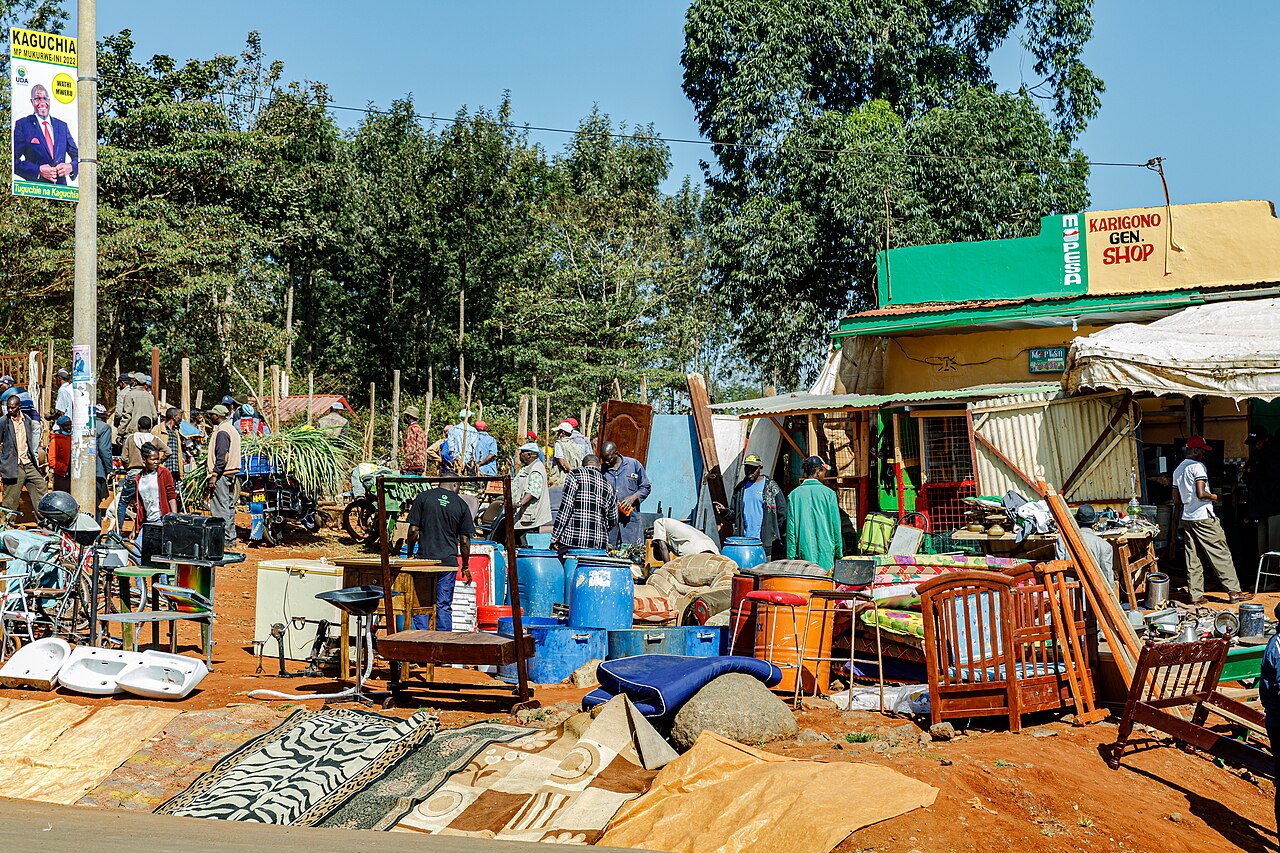
Karatina Market: East Africa's Largest Open-Air Market and the Engine of Mount Kenya's Farm Trade
Karatina Market in Nyeri County is widely described as the largest open-air market in East and Central Africa. This guide traces its history from a 1938 barter trade centre, examines the modern three-storey market hub, and explains how thousands of traders and smallholder farmers keep it running.
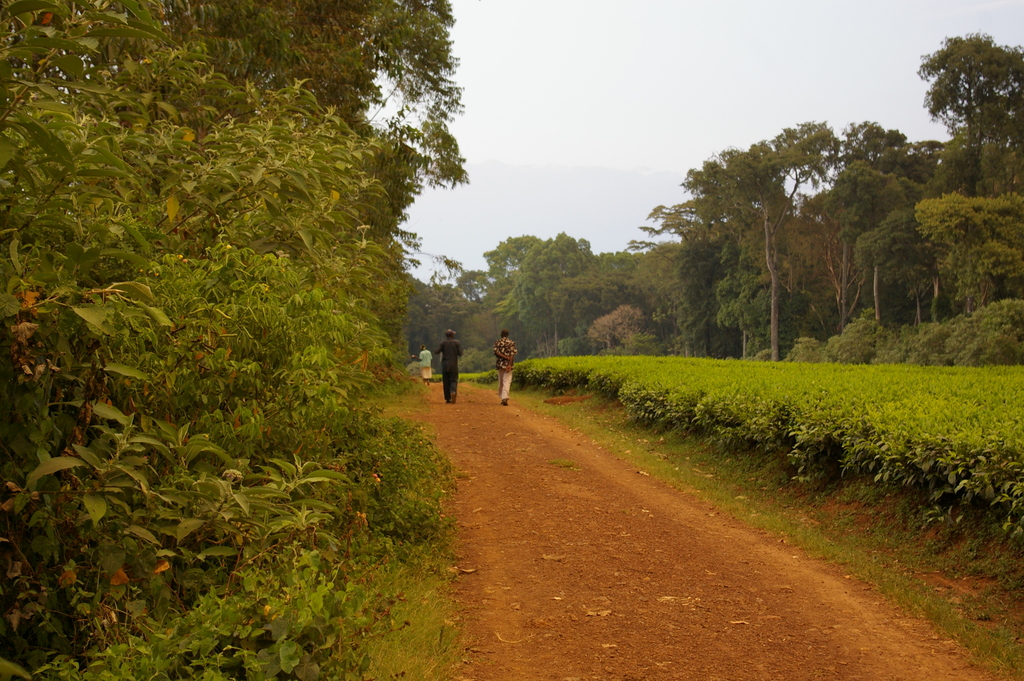
Kakamega County: Gold, Sugarcane and Kenya's Last Rainforest Economy
Kakamega County anchors western Kenya's sugar belt and hosts the country's only tropical rainforest. This guide examines its agriculture, artisanal gold mining, dairy and poultry investment frontiers, demographics and diaspora-relevant opportunities.

The Kenyan Diaspora in Tanzania: Cross-Border Lives, Business and the EAC Common Market
Tens of thousands of Kenyans live and work in neighbouring Tanzania, woven into one of Africa's most integrated regional economies. This article examines the community, its business activities, the EAC Common Market framework, recent tensions and the outlook.
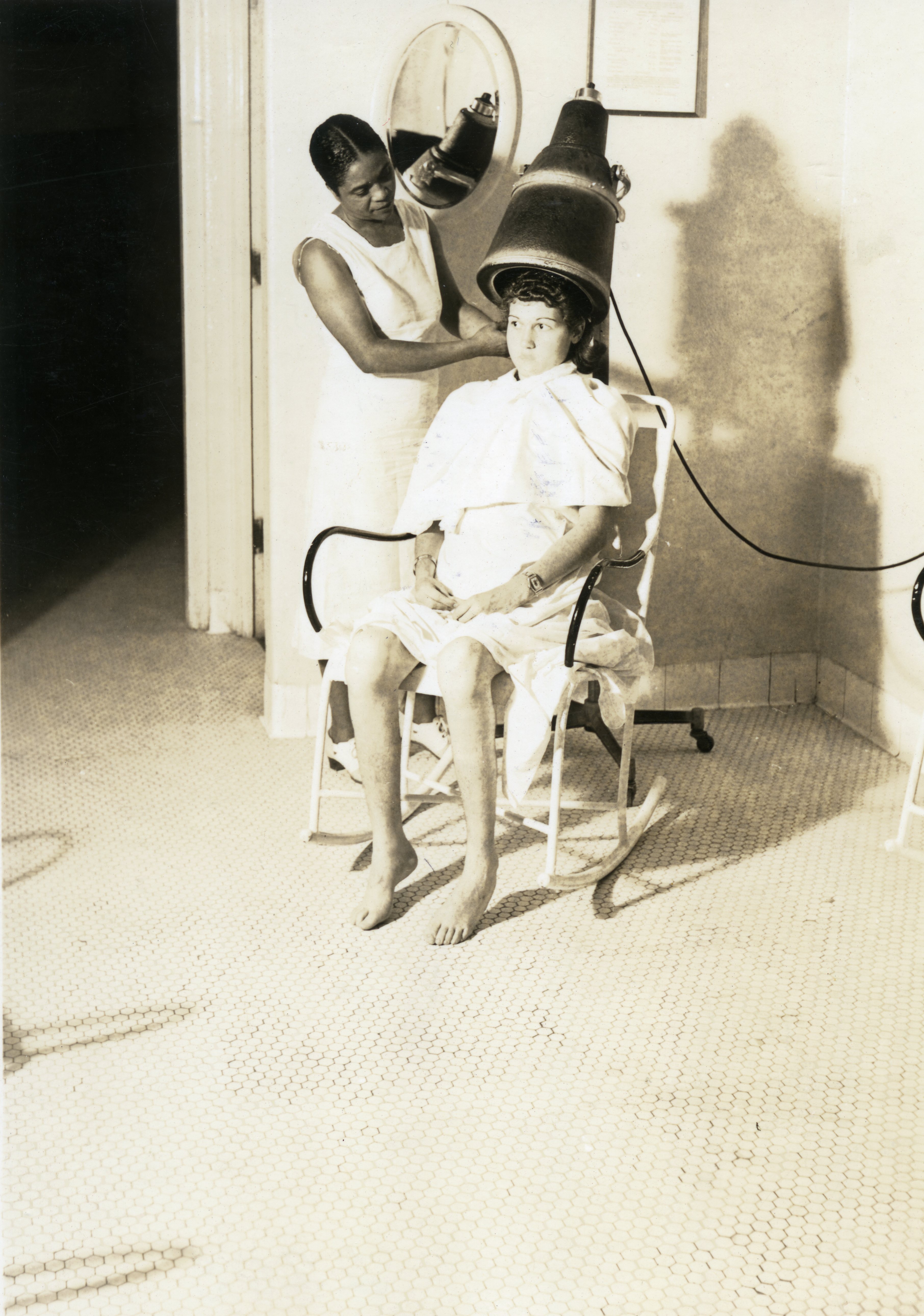
Beauty Salon Business in Kenya: Start-Up Costs, Licensing, Service Mix and the Profitable Hair, Skin and Nail Economy
A beauty salon in Kenya can generate dependable revenue from a broad service mix of hair, skin and nail treatments. Explore start-up costs, licensing, location, staff, pricing, supplier relationships and the path to opening a profitable salon in Nairobi or upcountry towns.
Maseno University: The Equator Campus, Western Kenya Higher Education and the Faculty of Education Heritage
Maseno University straddles the equator on the road between Kisumu and Busia, growing from a 1990 constituent college into a chartered public university with 20,000+ students. Explore its faculty of education heritage, schools and the western Kenya higher education footprint.

Strathmore University: From 1961 Sixth-Form College to a Modern Charter, the Business School and Kenya's Private University Standard
Strathmore University grew from a 1961 multiracial sixth-form college into a chartered private university with about 8,000 students. Explore its schools, the IESE-partnered Strathmore Business School, the energy research centre and its place in Kenya's higher education.
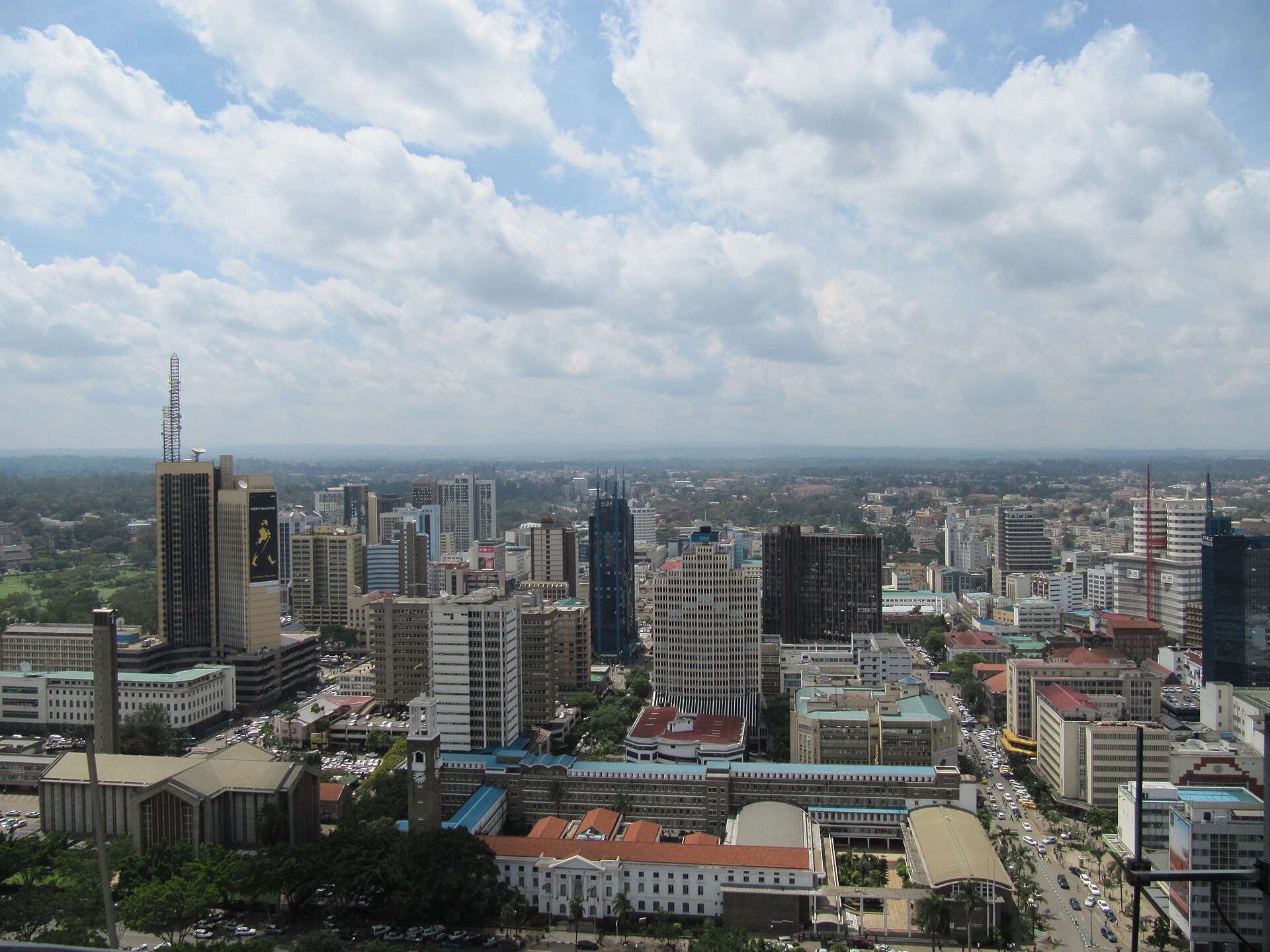
University of Nairobi: History, Flagship Colleges and Research Impact
The University of Nairobi traces its lineage to the Royal Technical College of 1956 and today runs six colleges, eleven faculties and more than three hundred programmes that have trained the majority of Kenya's senior public servants, doctors, engineers and academics.
How to Start a Wholesale Shop Business in Kenya: Capital, Stock Categories, Margin Math, Credit Terms and the Operational Discipline That Survives Slim Margins
The Kenyan wholesale shop runs on thin margins and fierce stock turnover. This guide breaks down the capital required to start, supplier sourcing, the stock category mix, the realistic margin math, the cash conversion cycle and the operational discipline that separates a profitable wholesale shop from one that quietly bleeds cash.

How the Kenya Tea Development Agency Works: The Smallholder Factory Model, the Mombasa Tea Auction and the Real Economics of Joining a KTDA-Managed Factory
KTDA manages 70+ tea factories on behalf of 600,000+ Kenyan smallholders. A deep guide to the factory model, the Mombasa Tea Auction, the payment cycle, and the real economics of membership.