How the Kenya Tea Development Agency Works: The Smallholder Factory Model, the Mombasa Tea Auction and the Real Economics of Joining a KTDA-Managed Factory
How the Kenya Tea Development Agency Works: The Smallholder Factory Model, the Mombasa Tea Auction and the Real Economics of Joining a KTDA-Managed Factory
The Kenya Tea Development Agency (KTDA) is one of the most operationally consequential agribusiness institutions in Kenya. KTDA manages more than 70 tea processing factories on behalf of an estimated 600,000+ smallholder tea farmers across the central and western Kenya tea-growing belt. The KTDA-managed factories together process about 60 per cent of Kenya's annual tea production, with the balance handled by the multinational and private estate plantations (Unilever Tea Kenya, James Finlay Kenya, Eastern Produce Kenya, Sasini Tea and Coffee, and several others). KTDA's structural model — smallholder farmers each own shares in their local tea factory, the factory aggregates and processes member-supplied green leaf, processed tea is sold predominantly through the Mombasa Tea Auction, and the proceeds are paid back to members through monthly green-leaf-collection payments plus annual bonus payments — has produced one of the most successful cooperative-anchored agribusiness systems in Africa. This guide walks through how the KTDA model actually works, the factory-membership process, the Mombasa Tea Auction mechanics, the payment cycle, the recent reforms following the 2020 KTDA Act amendments, and the real economics of being a KTDA member smallholder.
The Institutional Architecture
Kenya Tea Development Agency Holdings Limited (KTDA Holdings) is the parent company that holds the management contracts with the individual factories. Each tea factory is a separate limited company owned by its member-farmers, with KTDA Holdings providing management services under contract. The 2020 amendments to the Tea Act and the operational reforms that followed have clarified the relationship between the Authority and the factories, strengthening the smallholder-owner voice in factory governance. Factories elect their own boards of directors from the farmer-shareholder base; KTDA Holdings is itself owned by the factories collectively.
The Smallholder Factory Model
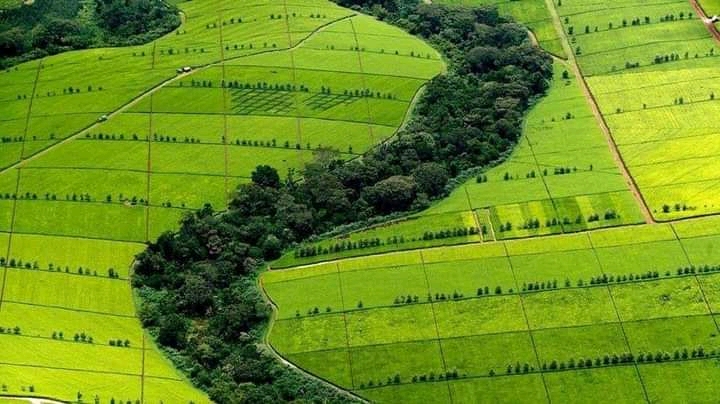
The structural innovation of the Kenyan tea sector — refined over decades since the 1960s — is the smallholder factory ownership model. Each tea-growing region has a designated factory (or several factories where production volume justifies). Smallholder farmers in the catchment area become shareholders in the factory by buying shares (typically a modest amount at joining). The factory processes only member-supplied green leaf; non-member supply is not accepted. Member farmers are paid in two streams: a monthly "green leaf payment" representing an immediate cash payment based on weight of leaf delivered, and an annual "second payment" or bonus representing the farmers' share of the factory's net profit from the year's tea sales after operating costs.
Becoming a KTDA Member
To become a KTDA member, an aspiring farmer must own or lease tea land in the catchment area of a KTDA-managed factory, plant tea in accordance with KTDA agronomic guidance, accept the factory's by-laws and operational rules, and complete the share purchase. New tea plantings take 2-3 years to reach commercial bearing. Established tea farmers inheriting or purchasing tea land typically continue their predecessor's membership. The factory's farmer-relations team handles the documentation and onboarding.
The Green Leaf Production and Collection
Tea is picked from the bush at the "two leaves and a bud" standard required for quality processing. Mature tea bushes produce approximately 8-15 kilograms of fresh green leaf per bush per year, with the variance depending on variety, altitude, rainfall, and management. Picked leaf is delivered to the factory through a network of collection points where it is weighed and transported to the factory the same day for processing. Quality at collection is the foundation of factory output quality, and KTDA's collection clerks reject leaf that does not meet the picking standard.
Tea Processing at the Factory
The factory withers, rolls, ferments, dries, and grades the green leaf into the various tea categories — typically Broken Pekoe (BP), Broken Pekoe Souchong (BPS), Broken Orange Pekoe (BOP), Fannings, and Dust, in various sub-grades reflecting the specific processing parameters. The Kenya processing system is dominated by the CTC (Cut, Tear, Curl) method that produces the strong-coloured, robust, full-flavoured black tea that Kenyan production is known for in international markets. Output is packed in jute bags or palletised cartons, branded with the factory's reference, and shipped to the Mombasa Tea Auction warehouses.
The Mombasa Tea Auction
The Mombasa Tea Auction, operated by the East African Tea Trade Association (EATTA), is the largest tea auction in the world by volume. It trades approximately 80 per cent of Kenyan tea alongside production from Uganda, Rwanda, Burundi, Tanzania, Malawi, and selected smaller producers. Auctions are held weekly, with tea lots offered by registered seller-brokers to registered buyer-brokers. Successful bids settle within prescribed timelines, and the tea is shipped to the buyer's destination market. The Mombasa Tea Auction has progressively digitised over the past decade, with electronic bidding replacing the historical open-outcry system.
KTDA-managed factory tea is sold predominantly through the Auction, supplemented by some direct contracts with international buyers for selected lots. The auction price the factory receives is the principal driver of farmer payments.
The Payment Cycle
The monthly green leaf payment is calculated based on the weight of leaf delivered in the previous month, multiplied by a pre-set per-kilogram rate that reflects factory expectations of the auction price. The monthly payment provides immediate cash flow to the farmer and is the principal day-to-day income. The annual second payment — disbursed around the start of the calendar year — represents the residual after the factory has accounted for full-year production, full-year auction sales, and operational costs. The second payment can be substantial, often equalling or exceeding the cumulative monthly payments depending on the factory's financial performance.
The 2020 Reforms
The amendments to the Tea Act in 2020 and the subsequent operational reforms responded to long-standing farmer concerns about transparency, governance, and the relationship between KTDA Holdings and the individual factories. The reforms strengthened the farmer-owner voice, clarified the management contract terms, restructured payments to reduce intermediation, and tightened audit and reporting requirements. Implementation continues to evolve through subsequent regulations and operational adjustments.
Worked Economics: A Smallholder Tea Farm
A typical KTDA smallholder operates 0.5 to 2 hectares of tea, producing 8,000-25,000 kilograms of green leaf per year. At a blended payment (monthly plus second payment) of KSh 35-55 per kilogram of green leaf — varying substantially by factory and year — annual farm income runs KSh 280,000-1.4 million depending on hectarage and management. The income is supplemented by selected smallholders by intercropping (where the factory's by-laws allow) and by other rural-livelihood activities.
Practical Considerations for Tea Farmers
First, register with your local KTDA factory and engage actively in factory affairs. Member-farmers' voice in factory governance has been strengthened by recent reforms but requires ongoing engagement to be effective. Second, follow KTDA agronomic guidance — variety selection, planting density, fertilisation, pruning, picking standards — to maximise output and quality. Third, attend the factory's annual general meeting and review the factory's audited accounts; the transparency of factory operations is a function of farmer engagement. Fourth, plan household cash flow around the bimodal payment cycle (monthly plus annual bonus); the annual bonus is the cash-flow event that supports major household investments.
The Bigger Picture
The KTDA-managed smallholder factory model is one of the most distinctive features of Kenyan agriculture and one of the most successful cooperative-anchored agribusiness systems in Africa. The model has lifted hundreds of thousands of smallholder farming households into commercial agricultural income and has built one of the country's most important export industries. The model is not without its tensions — the 2020 reforms emerged from sustained farmer pressure for greater transparency and improved payments — but it remains the structural backbone of the Kenyan tea sector and a credible template for similar smallholder-anchored agribusiness institutions in other commodity sub-sectors.
The Kenya Tea Development Agency publishes the operational information and the factory directory. The East African Tea Trade Association publishes the Mombasa Tea Auction operations and historical results.
More Articles

The Multiparty Era Reforms: Saba Saba, the Repeal of Section 2A and Kenya's Return to Political Pluralism
Jul 02, 2026

Eye Care in Kenya: Cataract, Trachoma and the Long Road to Universal Vision Health
Jul 02, 2026

Shaba National Reserve: Joy Adamson's Last Wilderness and Isiolo's Semi-Desert Safari Gem
Jul 02, 2026

The Rendille People of Northern Kenya: Camel Pastoralism, Clan Traditions and a Culture Under Pressure
Jul 02, 2026

Ukulima Sacco: From Ministry of Agriculture Staff Society to a National Cooperative Open to All Kenyans
Jul 02, 2026