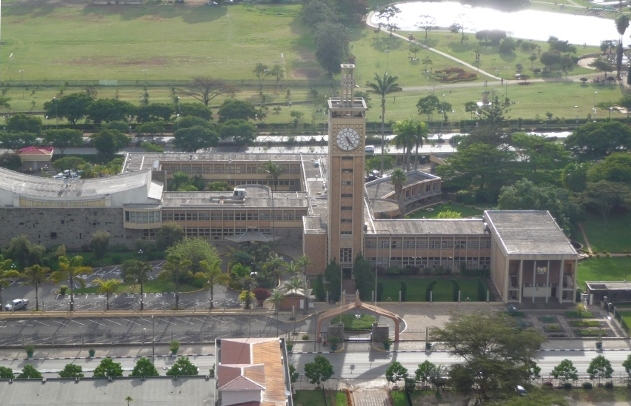
How the Public Procurement Regulatory Authority Works: PPRA, the Public Procurement and Asset Disposal Act, AGPO Reservations and Bidding for Government Tenders
PPRA oversees Kenya's KSh 1+ trillion annual public procurement. A complete guide to the PPADA framework, AGPO 30% reservation for youth, women and PWDs, and tender bidding.
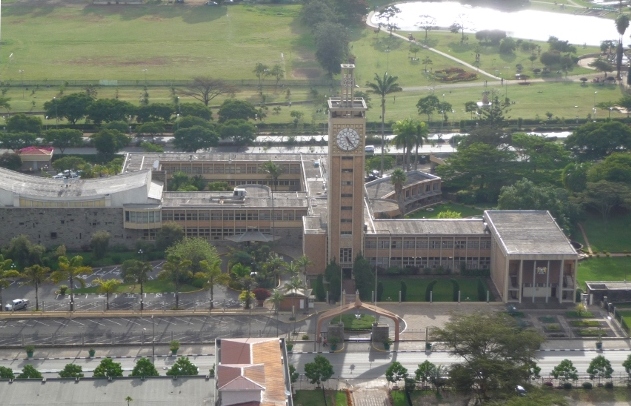
The Office of the Auditor-General Explained: How OAG Audits Public Money, Files Reports With Parliament and Holds State Agencies Accountable
The Office of the Auditor-General audits every Kenyan state entity and reports to Parliament. A complete guide to the audit framework, qualified opinions, and how citizens can use audit reports.

The Pharmacy and Poisons Board Explained: How Kenya Regulates Medicine Importation, Manufacturing, Pharmacy Premises and the Pharmacist Profession
The Pharmacy and Poisons Board regulates every medicine, pharmacy premises, and pharmacist in Kenya. A complete guide to the licensing framework, drug registration and professional standards.

Kenya Roads Board Levy, Roads Annuity Programme and the Public-Private Partnership Toll Road Framework: How Kenyan Highways Get Built and Maintained
Kenyan roads are financed through a layered model of RMLF, Treasury allocations, donor loans, the Roads Annuity Programme and PPP tolling. A complete guide.
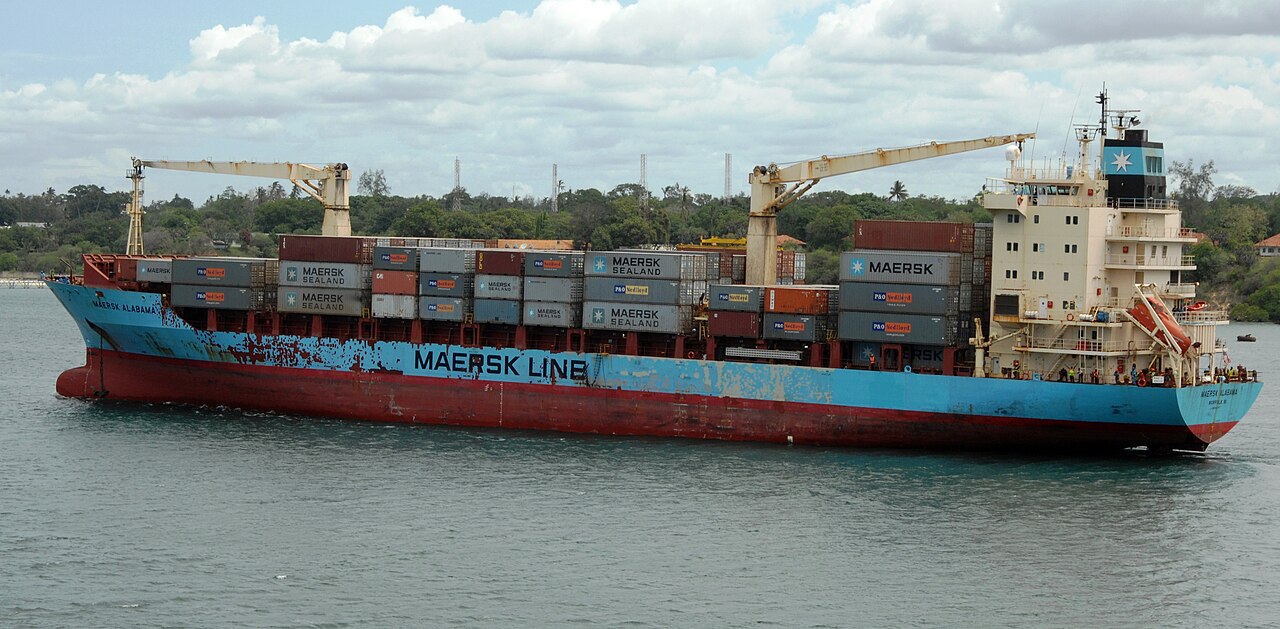
The Anti-Counterfeit Authority of Kenya: How ACA Combats Fake Goods, Recordation of IP Rights, Border Enforcement and the Real Compliance Path for Brand Owners
Kenya's Anti-Counterfeit Authority combats fake goods through recordation, border enforcement, and prosecution. A complete guide for brand owners protecting their IP in Kenya.

How Kenya Manages Its Roads: The KeNHA, KURA, KeRRA, KWS Roads and Kenya Roads Board Framework Explained
Kenya's roads are managed by four separate authorities under the Kenya Roads Board funding framework. A complete guide to KeNHA, KURA, KeRRA, KWS Roads and how road financing actually works.

The Insurance Regulatory Authority of Kenya Explained: How IRA Licenses Insurers, Brokers and Agents, Capital Requirements, and the Policy-Holder Protection Framework
IRA regulates Kenya's KSh 200+ billion insurance industry. A complete guide to insurer, broker, and agent licensing, capital requirements, conduct standards, and policy-holder protection.

How the Capital Markets Authority Regulates Investment Banks, Fund Managers, REITs and Securities in Kenya: The CMA Framework, Licensing Categories and Investor Protection
The Capital Markets Authority regulates Kenya's investment banks, fund managers, REITs, securities issuers, and broader capital markets ecosystem. A complete guide to licensing and investor protection.

The Office of the Data Protection Commissioner Explained: How Kenya's Data Protection Act Works, the Registration Requirements and the Real Compliance Path for Businesses
Every Kenyan business processing personal data must comply with the Data Protection Act. A complete guide to the ODPC, data controller registration, Data Protection Officer requirements and compliance.