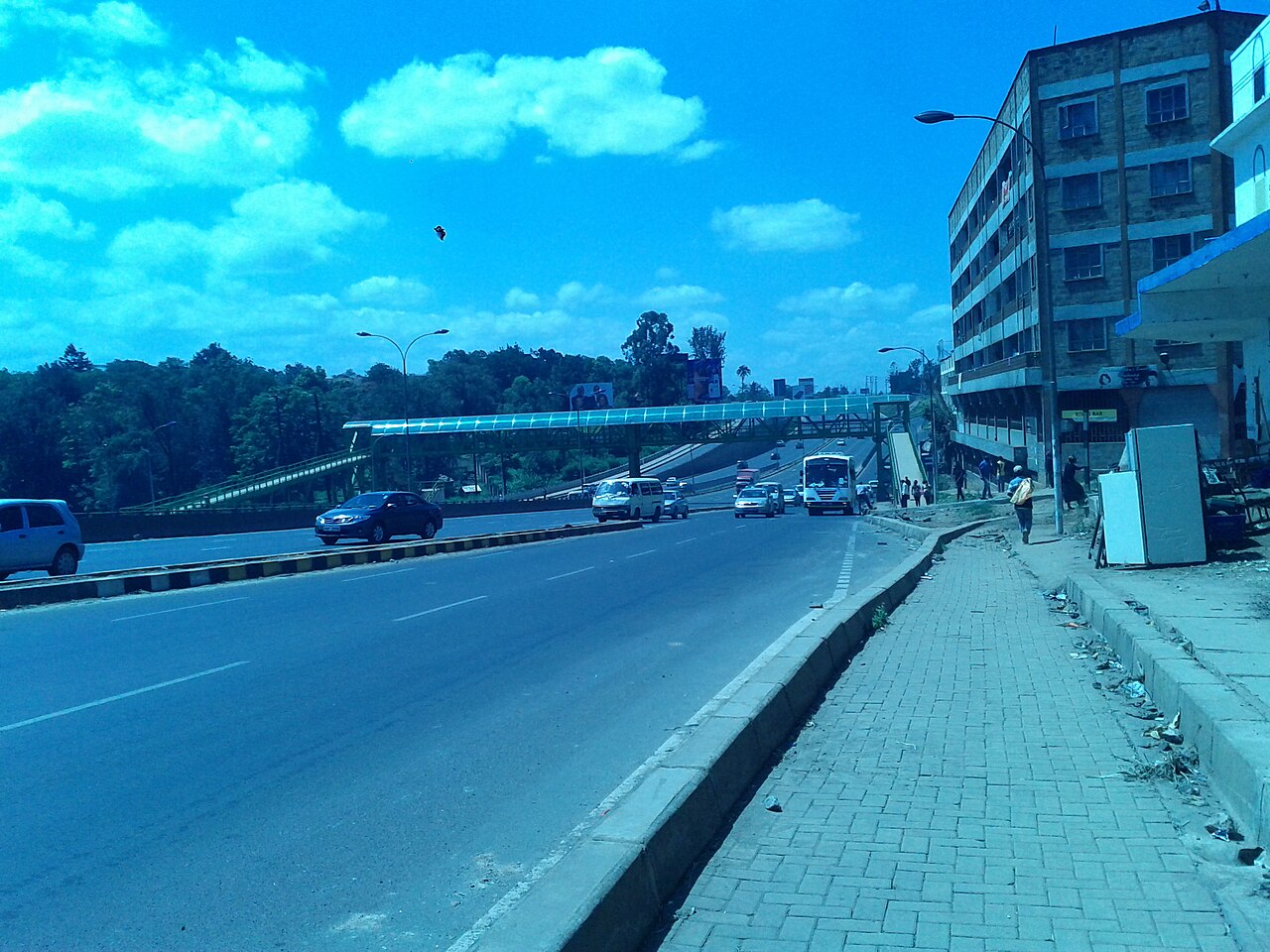
How Kenya Manages Its Roads: The KeNHA, KURA, KeRRA, KWS Roads and Kenya Roads Board Framework Explained
How Kenya Manages Its Roads: The KeNHA, KURA, KeRRA, KWS Roads and Kenya Roads Board Framework Explained
Kenya's road network is one of the most consequential pieces of public infrastructure in the country, with paved and unpaved roads connecting every county, every major town, every port, and most rural communities. The total classified road network exceeds 175,000 kilometres, with paved highways and roads representing approximately 15 per cent of the total and unpaved roads the balance. Management of the road network is divided among four principal road agencies under the broader institutional framework established by the Kenya Roads Act, 2007 and operating under the funding coordination of the Kenya Roads Board. The Kenya National Highways Authority (KeNHA) manages the country's national trunk highways. The Kenya Urban Roads Authority (KURA) manages the urban roads in the major cities and towns. The Kenya Rural Roads Authority (KeRRA) manages the rural roads connecting smaller communities to the national network. The Kenya Wildlife Service operates the roads within gazetted national parks under specific KWS oversight. The Kenya Roads Board administers the Roads Maintenance Levy Fund and coordinates the broader investment and maintenance financing across the road agencies. For motorists, transporters, road-construction contractors, and citizens interested in road infrastructure, understanding this institutional architecture is foundational. This guide walks through each agency's mandate, the Roads Board funding model, the road-class system, the procurement framework for road construction and maintenance, and the recent developments in road infrastructure.
The Legal and Institutional Framework
The Kenya Roads Act, 2007 established the four road agencies and the Kenya Roads Board. Earlier statutes (the Public Roads and Roads of Access Act, the Roads Maintenance Levy Fund Act, and others) were consolidated and updated by the 2007 framework. Each road agency is a state corporation under the broader Ministry of Roads and Transport. The Kenya Roads Board is a separate state corporation that administers the Roads Maintenance Levy Fund and coordinates road financing across the four agencies. The Engineers Board of Kenya regulates the consulting engineers who design and supervise road construction; the National Construction Authority regulates the contractors who build and maintain the roads.
Kenya National Highways Authority (KeNHA)
KeNHA manages the country's Class A, B, and S roads — the national trunk highways connecting major economic centres, the international corridors linking Kenya to its neighbours (the Northern Corridor from Mombasa through Nairobi to the Ugandan border, the Trans-African Corridor from the Coast to Northern Kenya, the Eldoret-Juba corridor, and others), and the major urban entry-and-exit highways. The Thika Superhighway, the Southern Bypass around Nairobi, the Eastern Bypass, the Northern Bypass, the JKIA-Westlands Expressway, and the various dual carriageway segments of the Mombasa-Nairobi route are all KeNHA-managed.
Kenya Urban Roads Authority (KURA)
KURA manages the urban road networks within the major cities and towns — Nairobi (the dense urban network within the city's road catchment), Mombasa, Kisumu, Nakuru, Eldoret, and the broader urban roads in county capitals. The remit covers the urban segments of arterial roads, the local distributor roads, and the broader urban-network operational responsibilities. The 47 County Governments cooperate with KURA on the broader urban-roads framework.
Kenya Rural Roads Authority (KeRRA)
KeRRA manages the rural roads connecting smaller communities to the national highway network. The remit covers the substantial unpaved and lightly-paved roads that link villages and small towns to county capitals and major centres. KeRRA's operations are particularly important for agricultural market access, with the rural road network being the principal link between smallholder production zones and downstream markets.
Kenya Wildlife Service Roads
The roads within gazetted national parks are managed by KWS under the broader Wildlife Conservation and Management Act framework. Tourism road access — Maasai Mara, Amboseli, Tsavo, Aberdares, Nairobi National Park, and others — is supported through the KWS-managed road network with park-access fees contributing to road maintenance.
The Kenya Roads Board and the Roads Maintenance Levy Fund
The Kenya Roads Board administers the Roads Maintenance Levy Fund (RMLF), the principal financing mechanism for road maintenance across the country. The Fund is financed through the road maintenance levy charged on petrol and diesel — a per-litre charge collected at the wholesale level and remitted to the Fund. Annual RMLF inflows run into the tens of billions of shillings. The Board allocates the Fund across the four road agencies based on prescribed formulas reflecting road network length, traffic volume, condition, and the broader maintenance need.
Road Class and Numbering System
Kenyan roads are classified under the Roads Act framework. Class A roads are the trunk roads connecting major centres and international borders. Class B roads are major roads connecting principal centres. Class C roads are secondary roads linking smaller centres. Class D roads are minor roads serving local-area needs. Class E roads are very minor roads. The S-class designates special roads (such as expressway sections). Each road has a unique number identifier (A1, A104, B1, C2, etc.) used for navigation, infrastructure management, and traffic regulation.
Road Construction and Maintenance Procurement
Road construction and major maintenance are procured through the Public Procurement and Asset Disposal Act framework. The road agencies prepare technical specifications, conduct competitive procurement processes, and award contracts to NCA-registered contractors at the appropriate tier (typically NCA-1 for major projects, NCA-2 to NCA-3 for mid-scale works, NCA-4 to NCA-6 for smaller maintenance contracts). Consulting engineers (typically EBK-registered Professional Engineers in civil engineering, often working through major firms or international consultants on large projects) design and supervise the works. Project funding combines RMLF allocations, Treasury direct allocations, donor financing (World Bank, AfDB, JICA, KfW, EIB, China Exim Bank, and others), and public-private partnership financing for the major toll-road projects.
Road User Charges and Tolls
Most Kenyan roads remain free-to-use for road users, with the fuel-based road maintenance levy serving as the principal indirect charge. The Nairobi Expressway, completed in 2022 as a public-private partnership project, introduced electronic tolling on a major Kenyan road for the first time at substantial scale. Other toll-road projects are in development under the broader PPP framework. The expansion of road tolling is a contested policy issue, with the operational and economic case for tolling on heavily-used highways balanced against the affordability and equity concerns affecting lower-income road users.
Road Safety
Road safety in Kenya remains a substantial public-health concern, with annual road fatalities running in the thousands. The National Transport and Safety Authority (NTSA) coordinates road safety regulation, with the road agencies contributing through road-design standards, pedestrian and cyclist facilities, traffic-management infrastructure, and the broader engineering interventions to reduce road accidents. The road agencies' design standards have progressively integrated pedestrian crossings, footbridges, cycle lanes, and other vulnerable-user accommodations.
The Bigger Picture
Kenya's road network is the backbone of the country's land-transport economy. The institutional framework of four road agencies under the Roads Board has produced sustained network expansion, paving of previously unpaved roads, and substantial upgrade of major highways over the past two decades. The challenges remain — funding gaps, the broader maintenance backlog on the older network, the integration of climate-resilience into road design, and the continued attention to road safety. For citizens, businesses, contractors, and consulting engineers engaged with the sector, mastering the institutional framework is the foundation for productive engagement.
The Kenya National Highways Authority, the Kenya Urban Roads Authority, the Kenya Rural Roads Authority, and the Kenya Roads Board publish the operational information for their respective mandates.
More Articles

The Multiparty Era Reforms: Saba Saba, the Repeal of Section 2A and Kenya's Return to Political Pluralism
Jul 02, 2026

Eye Care in Kenya: Cataract, Trachoma and the Long Road to Universal Vision Health
Jul 02, 2026

Shaba National Reserve: Joy Adamson's Last Wilderness and Isiolo's Semi-Desert Safari Gem
Jul 02, 2026

The Rendille People of Northern Kenya: Camel Pastoralism, Clan Traditions and a Culture Under Pressure
Jul 02, 2026

Ukulima Sacco: From Ministry of Agriculture Staff Society to a National Cooperative Open to All Kenyans
Jul 02, 2026