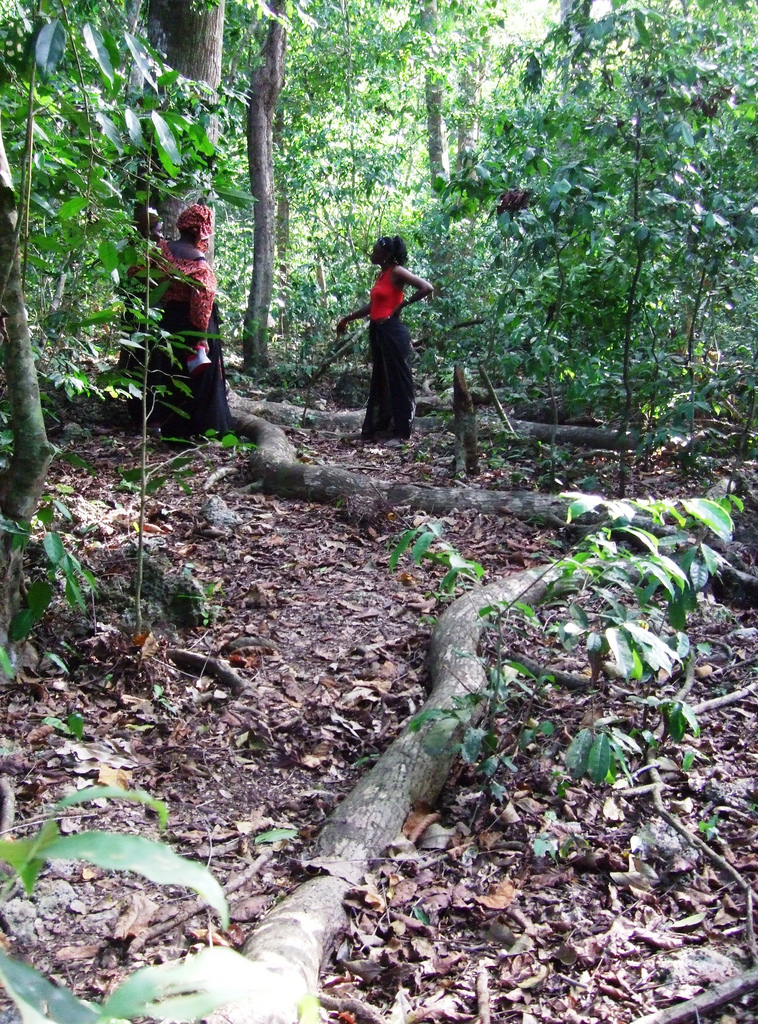
The Mijikenda Community of Coastal Kenya: Nine Sub-Tribes, Sacred Kayas and Heritage
The Mijikenda are nine closely related sub-communities of coastal Kenya whose identity is anchored in the sacred Kaya forests inscribed on the UNESCO World Heritage List, with a distinctive language family, an agricultural and trading economy and a still-living oral tradition.
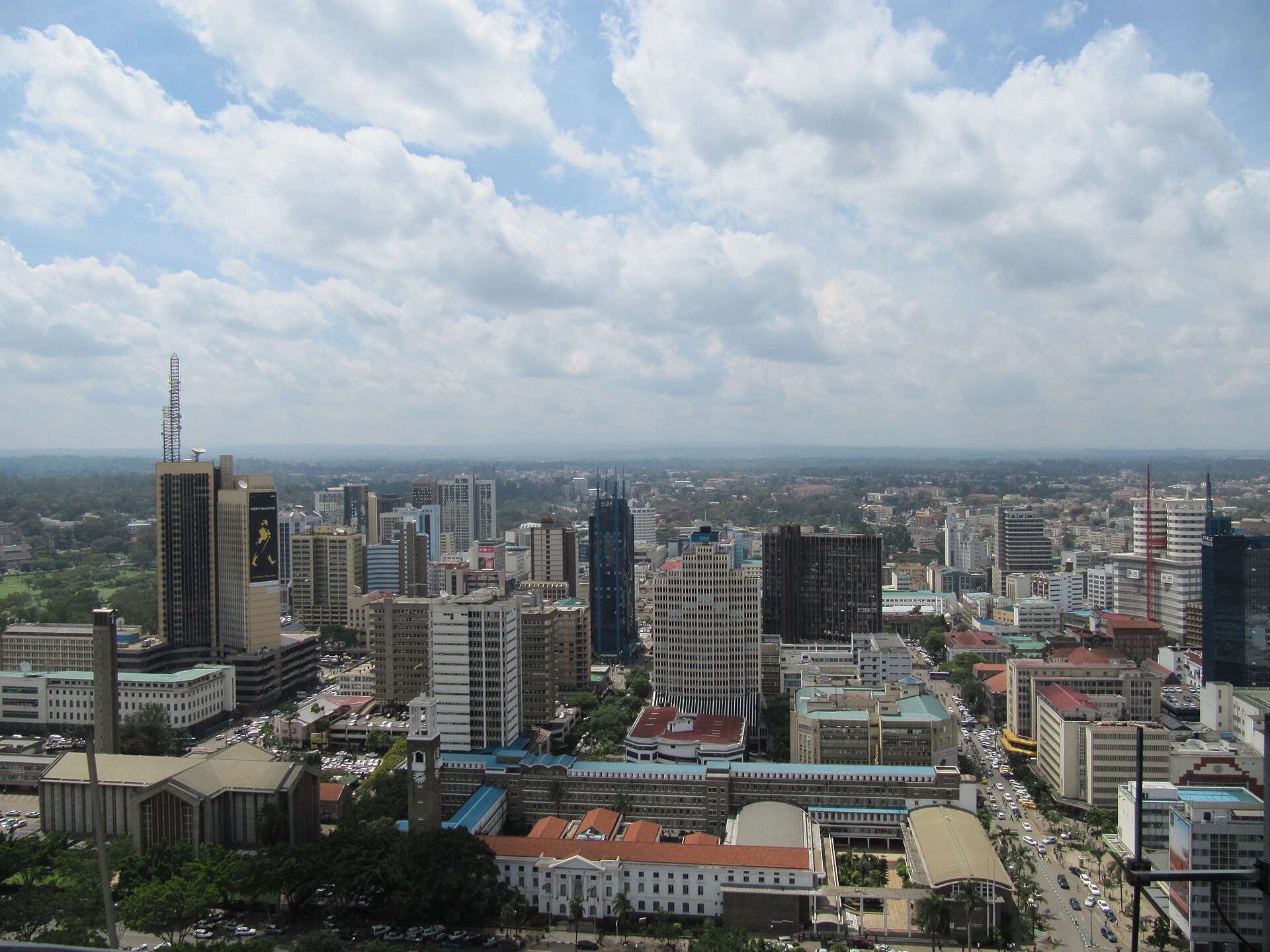
University of Nairobi: History, Flagship Colleges and Research Impact
The University of Nairobi traces its lineage to the Royal Technical College of 1956 and today runs six colleges, eleven faculties and more than three hundred programmes that have trained the majority of Kenya's senior public servants, doctors, engineers and academics.

Kenyan Diaspora in France: Community, Bilateral Ties and Investment
France hosts a small but professionally significant Kenyan diaspora anchored around Paris, supported by a long-standing bilateral relationship that has accelerated since 2017 and that now sits at the centre of Kenya-EU trade, climate finance and university mobility.
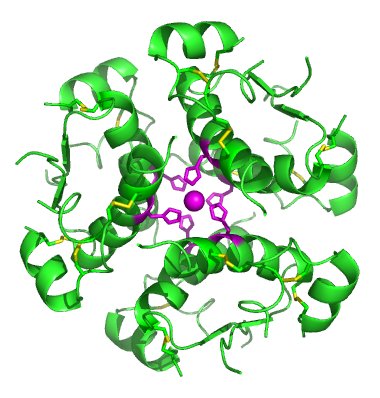
Type 2 Diabetes in Kenya: Prevalence, Diagnosis and Treatment Pathways
Type 2 diabetes is one of Kenya's fastest-growing chronic conditions, with national survey data showing a 3.1 percent adult prevalence, low awareness and a structural treatment gap that the National NCD Strategic Plan 2021-2026 is trying to close at primary-care level.
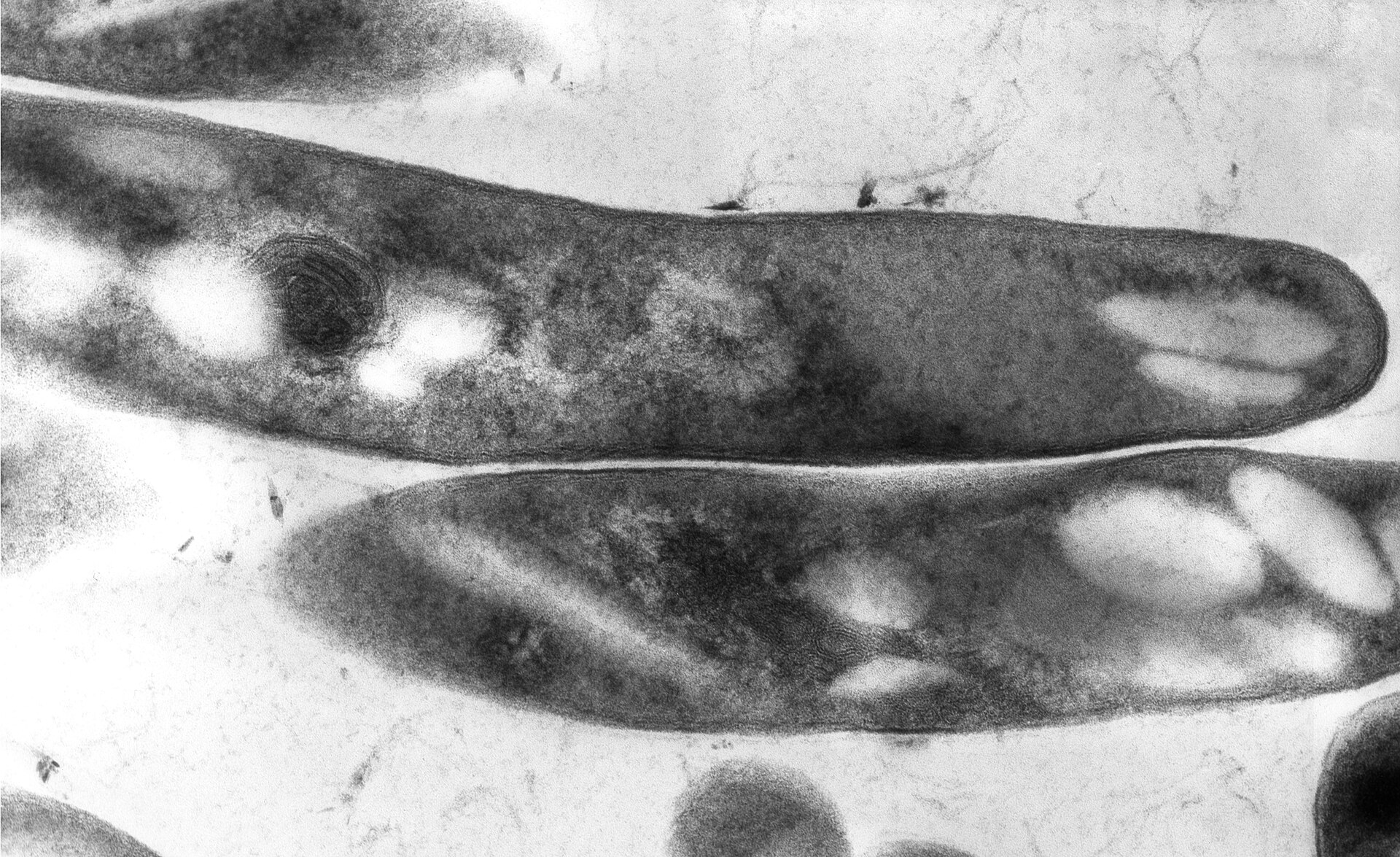
Kenya's National Tuberculosis Programme: Burden, Diagnosis and Treatment Access
Tuberculosis remains one of the leading causes of death from a single infectious agent in Kenya, but two decades of investment in the National Leprosy, Tuberculosis and Lung Disease Programme have substantially reduced incidence, mortality and undiagnosed cases.
Kwale County Kenya: Titanium Mining, Diani Tourism and Coastal Economy
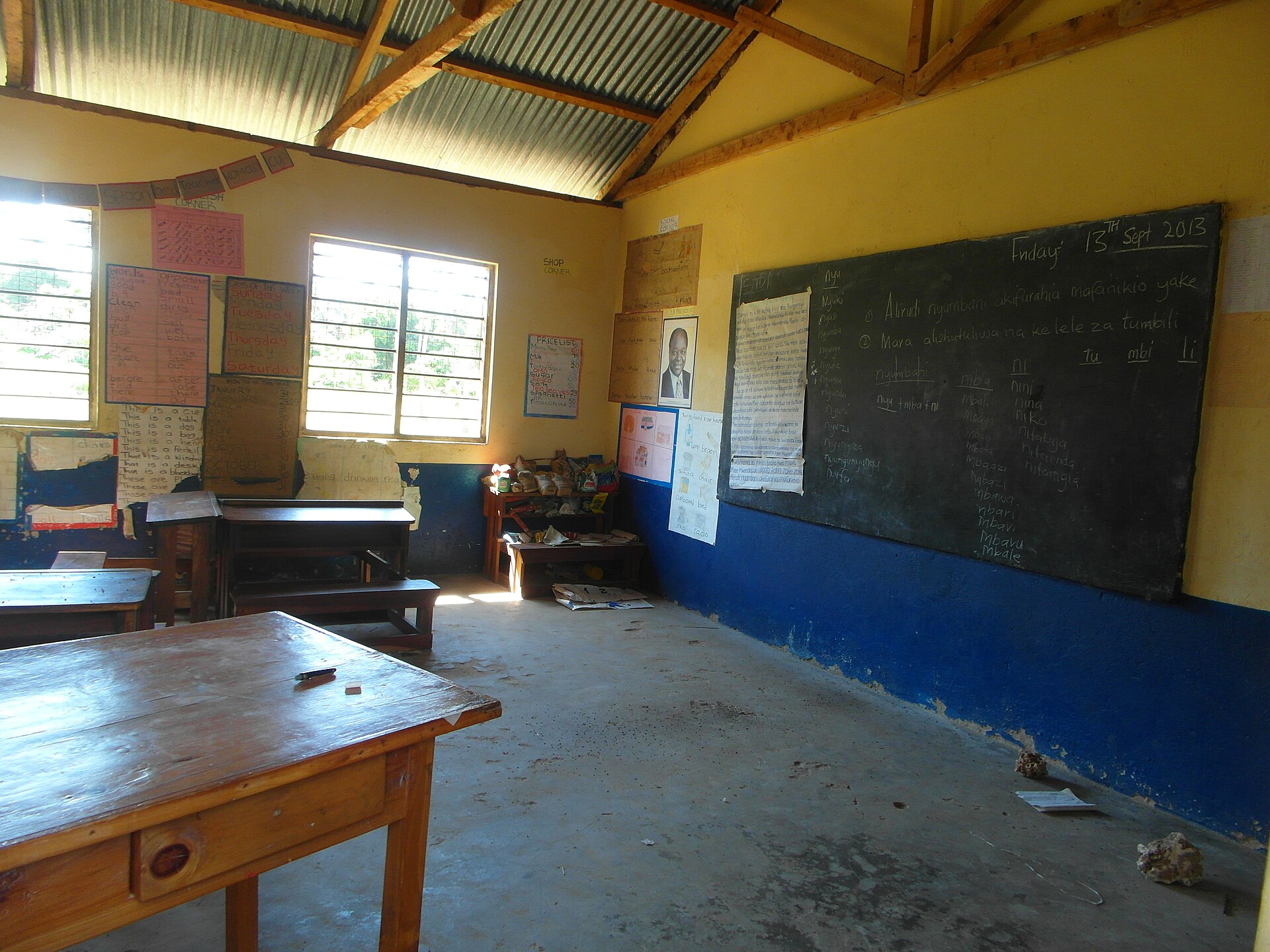
Kwale County sits on Kenya's south coast and balances pristine beach tourism around Diani with the legacy of a globally significant titanium mining operation, alongside fisheries, smallholder farming and a fast-emerging logistics and real-estate corridor.
Lake Turkana Explained: The Jade Sea, Sibiloi National Park, the Turkana Boy Fossil, the Oil Discovery and the Northern Kenya Frontier
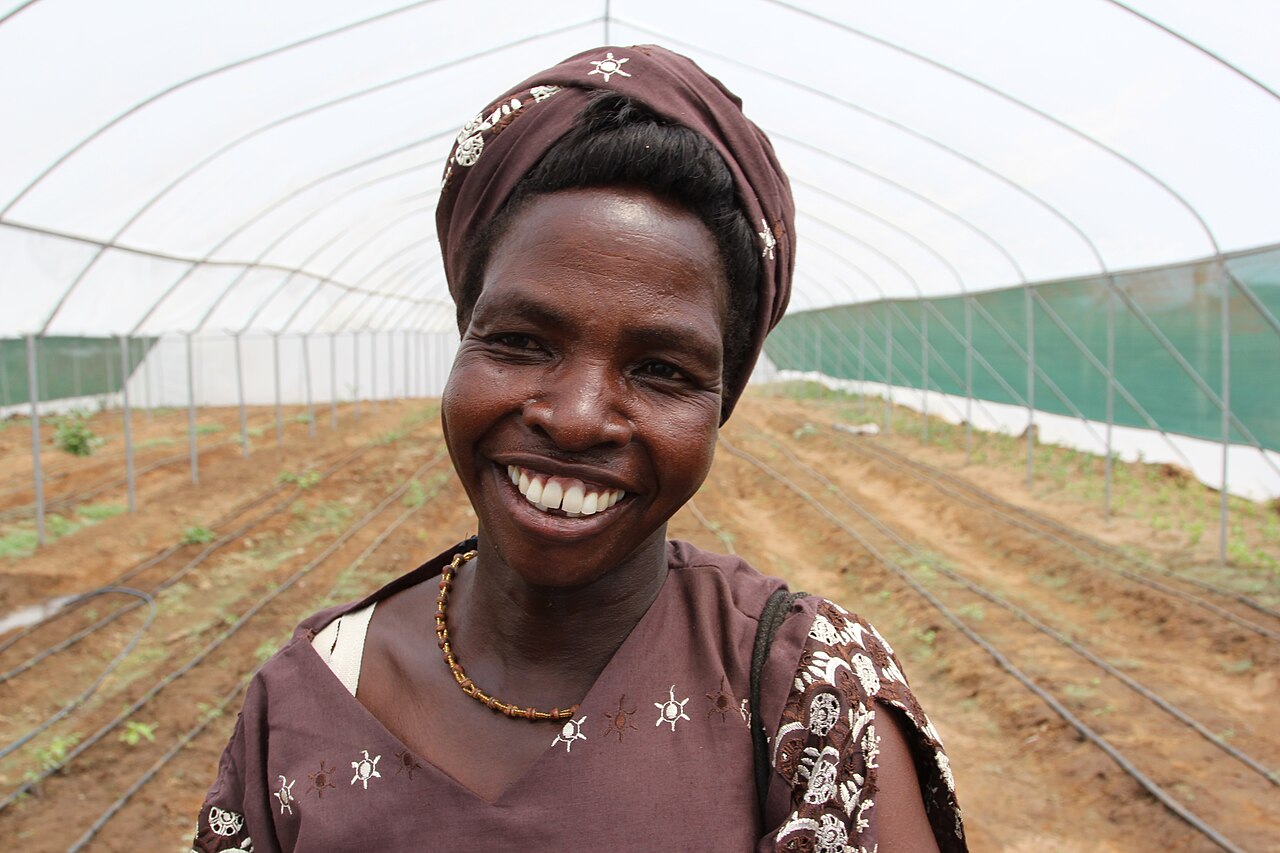
Lake Turkana is the world's largest permanent desert lake and the cradle of human evolution. A guide to the Jade Sea, Sibiloi National Park, the Turkana Boy, oil and the region.
NASCOP and the Kenya HIV Programme: From PEPFAR to U=U, Treatment Coverage, Prevention Innovations and the Path to Epidemic Control
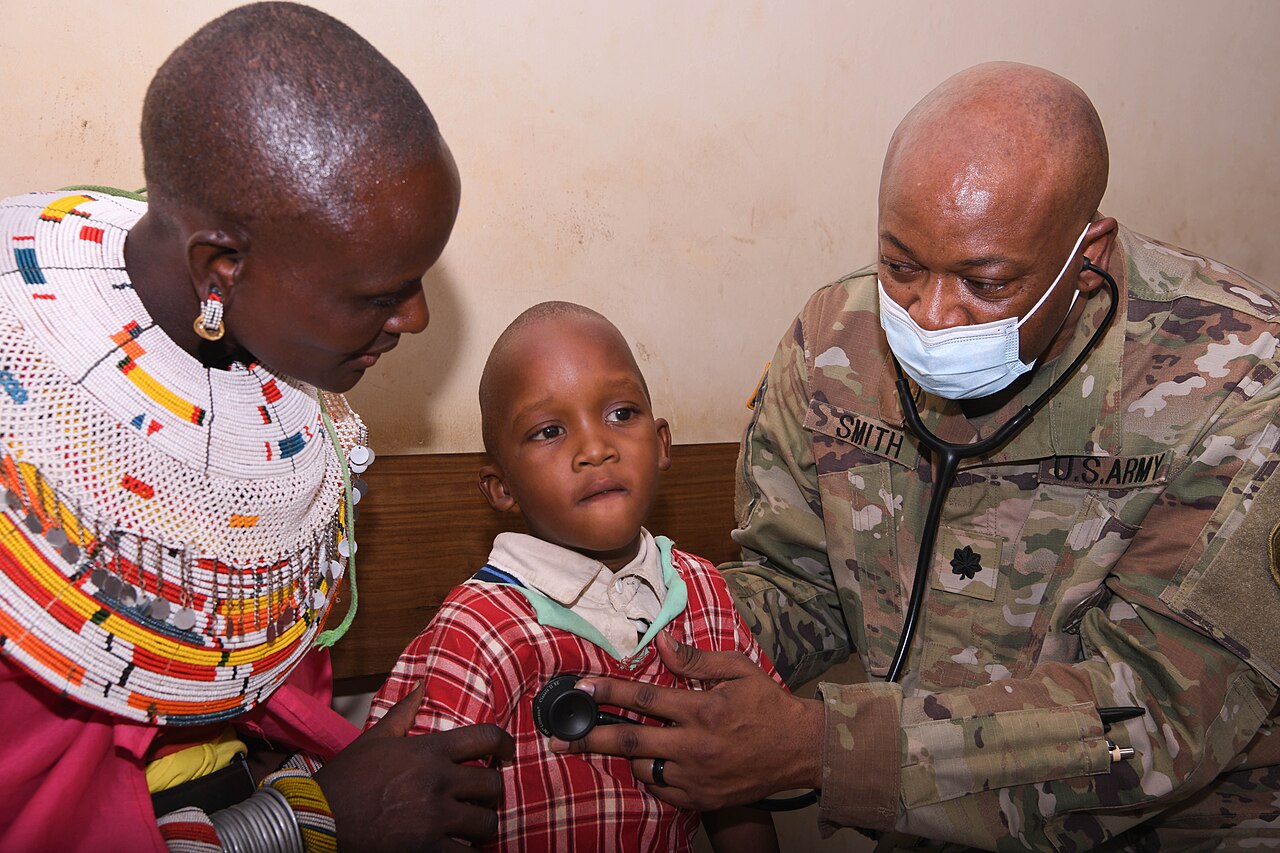
Kenya hosts 1.4 million people living with HIV. A complete guide to the NASCOP-led HIV programme, PEPFAR support, treatment coverage, prevention innovations and the path to control.
Malaria Control in Kenya: Disease Burden, the National Malaria Strategy, the Insecticide-Treated Net Programme and the Path to Elimination
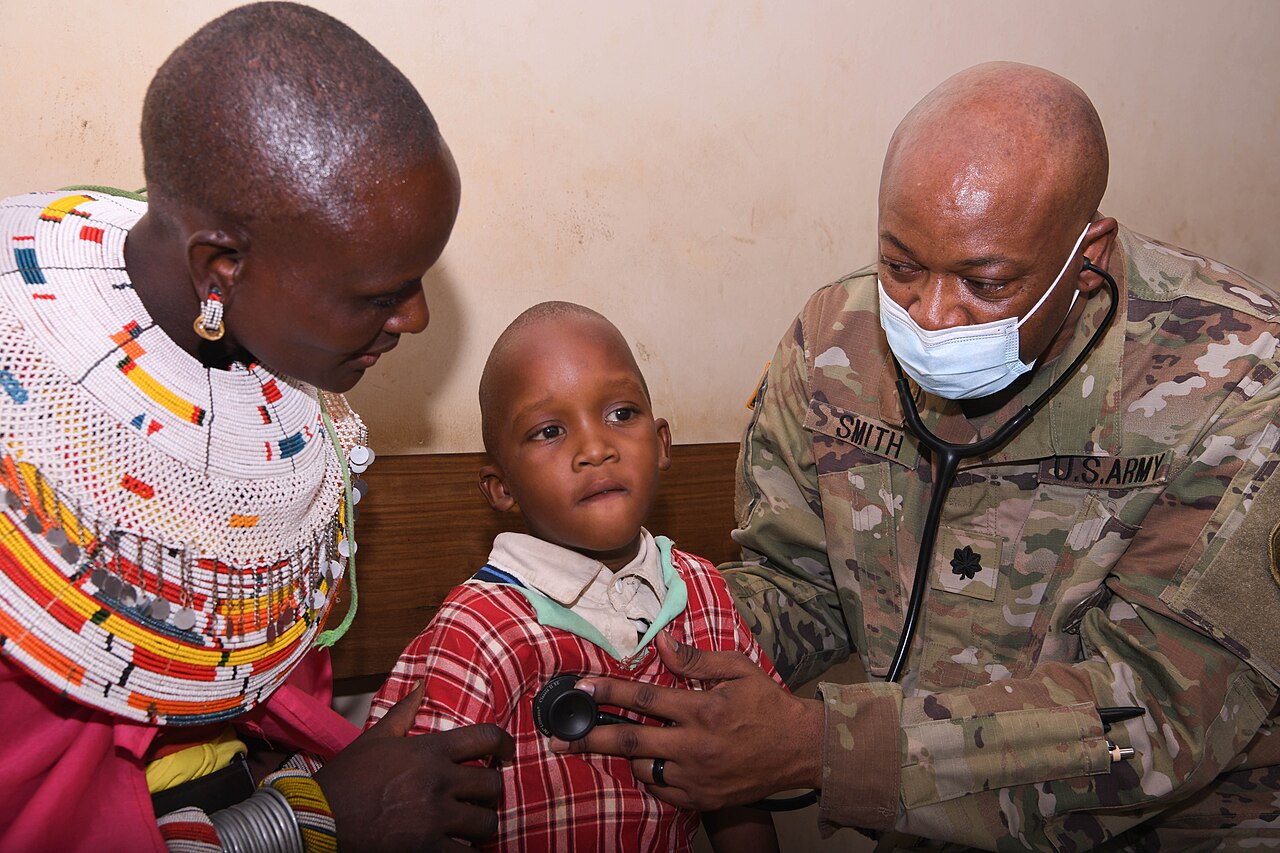
Malaria causes 3.5 million Kenyan cases annually with 10,700 deaths. A complete guide to disease burden, the National Malaria Strategy, ITNs, treatment and the elimination agenda.