Kenya's National Tuberculosis Programme: Burden, Diagnosis and Treatment Access
Kenya's National Tuberculosis Programme: Burden, Diagnosis and Treatment Access
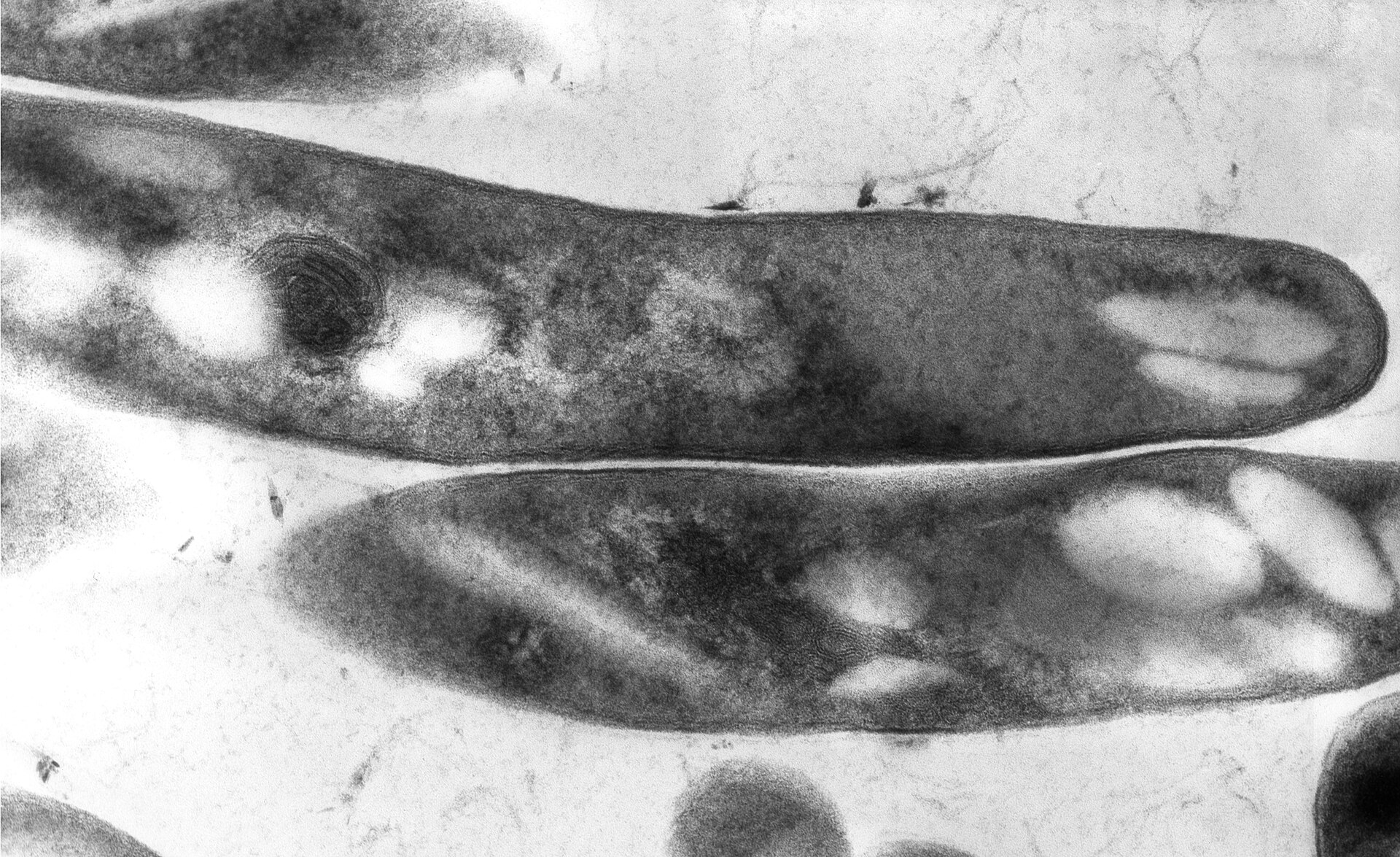
Tuberculosis is a curable, communicable disease caused by the bacterium Mycobacterium tuberculosis that mostly attacks the lungs and is transmitted in respiratory droplets. In Kenya, it remains one of the leading causes of death from a single infectious agent and one of the most consequential public-health priorities in the country. The work of bending the curve sits with the National Leprosy, Tuberculosis and Lung Disease Programme (NLTP, sometimes still referred to in older policy documents as the NTLD), which operates under the Ministry of Health and partners with county departments, hospitals, faith-based providers, private clinicians and community health volunteers. After two decades of sustained programme investment, Kenya has seen a clear reduction in tuberculosis incidence and mortality and has graduated out of the WHO list of thirty high-burden countries for tuberculosis—an achievement that nonetheless conceals significant ongoing gaps in case-finding, drug-resistant TB and resource sustainability.
How Big Is the Tuberculosis Burden?
According to the NLTP annual report and the WHO global tuberculosis report, Kenya notified 96,865 tuberculosis cases in 2024, against an estimated 124,000 incident cases—a treatment coverage rate of approximately 77%, up from 69% in 2023. Children aged 0–14 years accounted for 13.3% of notifications, with the 25–44 age group bearing roughly 63% of the burden. Between 2015 and 2024, Kenya cut tuberculosis incidence by at least 20% and tuberculosis-related deaths by more than 50%. Even so, an estimated 26% of cases are still missed or unnotified each year, meaning that roughly one in four people who develop active disease never reach a diagnostic and treatment pathway. Continuing detail is published on the National Leprosy, Tuberculosis and Lung Disease Programme website and by the Ministry of Health.
Programme Structure and Service Delivery
The NLTP is anchored at national level with a chief executive coordinator and technical units for case finding, treatment, MDR-TB, paediatric TB, monitoring and evaluation, supply chain and laboratory services. At county level, county TB and lung disease coordinators are embedded in the county health management teams. Front-line service delivery flows through more than 4,355 TB treatment sites and 2,409 diagnostic sites distributed across both public and private providers. Diagnostic capability has been steadily upgraded through the rollout of approximately 226 GeneXpert MTB/RIF instruments, which detect Mycobacterium tuberculosis and rifampicin resistance simultaneously and in under two hours. Sputum smear microscopy and clinical algorithms remain in use as triage and confirmatory steps, and chest X-ray with computer-aided detection is increasingly available in larger hospitals.
DOTS and the Standard Treatment Pathway
Treatment in Kenya follows the WHO-recommended Directly Observed Treatment, Short-course (DOTS) framework. Drug-susceptible pulmonary tuberculosis is treated with a six-month regimen of isoniazid, rifampicin, pyrazinamide and ethambutol for two months, followed by isoniazid and rifampicin for four months. Treatment is provided free of charge in public facilities and most accredited private partners. Patients can collect medication from the nearest health facility, and community health volunteers play a critical role in adherence support, defaulter tracing and contact investigation. Treatment success rates have steadily improved, reaching 89% for the 2022 cohort across all forms of TB, with treatment success at 84% among people living with HIV and at 78% for drug-resistant tuberculosis in the 2021 cohort.
Drug-Resistant Tuberculosis
Multidrug-resistant tuberculosis (MDR-TB), defined as resistance to at least isoniazid and rifampicin, has been the most demanding clinical challenge of the programme. Kenya has steadily decentralised MDR-TB management from a single specialist site at the Centre for Respiratory Diseases Research to county-level treatment centres, supported by community-based DOTS, comprehensive nutritional support and free access to second-line regimens. The shorter, all-oral bedaquiline-containing regimen has replaced injectable agents in most patients, reducing treatment burden and adverse effects. Drug-resistance surveillance has also expanded, with culture and second-line drug-susceptibility testing decentralised from the Central Reference Laboratory in Nairobi to multiple regional laboratories. Detailed clinical and programmatic guidance is published in the Kenyatta National Hospital respiratory-medicine and TB-leadership channels and through the NLTP guidelines.
Tuberculosis and HIV Co-Infection
Kenya is one of the global high-burden countries for TB-HIV co-infection. Roughly one in four notified TB patients is co-infected with HIV. The NLTP and the National AIDS and STI Control Programme have worked to fully integrate care, with all TB clinics offering provider-initiated HIV testing, all newly diagnosed people with HIV screened for tuberculosis at every clinical contact, and isoniazid preventive therapy (or the newer 3HP regimen) offered to all eligible people living with HIV. Programmatic data and trends are available through the National AIDS and STI Control Programme portal.
Paediatric Tuberculosis
Paediatric TB has historically been underdiagnosed in Kenya because of difficulties in sputum production, lower bacterial loads and non-specific symptoms. The NLTP has scaled up child-friendly fixed-dose combinations of TB medicines, expanded contact investigation around adult index cases and rolled out stool-based GeneXpert testing in selected centres. Programme data suggest that paediatric notifications now account for over 13% of total cases, broadly in line with global expectations for a country with this incidence profile.
Community Health Volunteers and Civil Society
A significant share of case-finding now happens away from hospitals, through community health volunteers, county-level outreach campaigns, contact tracing and the screening of high-risk groups such as miners, prisoners and people experiencing homelessness. Civil society partners including Amref Health Africa, the Stop TB Partnership Kenya, Talaku CBO and various faith-based health networks complement public service delivery. Diaspora-funded community organisations have also been an important source of nutritional support and transport vouchers for patients on long treatment regimens.
Financing, Sustainability and Risks
Historically, between 60% and 70% of tuberculosis programme financing in Kenya has come from external partners, including the Global Fund to Fight AIDS, Tuberculosis and Malaria, the US Centers for Disease Control and Prevention, USAID and bilateral partners. That dependence is a strategic risk. Recent global aid contractions, including changes to certain US-funded programmes, have prompted Treasury and the Ministry of Health to map a domestic financing roadmap, which includes the inclusion of TB services in the Social Health Authority benefit package that succeeded the National Hospital Insurance Fund. Current detail on financing flows is published by the National Treasury and the Ministry of Health.
What This Means for Patients, Families and the Diaspora
For ordinary Kenyans, the most important practical points are simple. Any cough lasting two weeks or more, especially with weight loss, evening fevers or night sweats, should prompt a visit to the nearest health facility for sputum testing, which is free in public clinics. Treatment is also free, and a complete course of treatment, taken faithfully under DOTS, cures the disease in nearly nine out of ten cases. For Kenyans in the diaspora supporting relatives at home, the most useful interventions are usually nutritional support during the intensive phase of treatment, transport money to and from facilities, and follow-up calls to encourage adherence. Diaspora medical professionals can also engage with the programme through the Kenya Medical Association and the Kenya Medical Practitioners and Dentists Council for short-term medical service or research collaborations.
The Outlook
Kenya's tuberculosis story over the next decade will be shaped by three forces: how rapidly diagnostic technology—particularly artificial-intelligence-assisted chest X-ray and rapid molecular testing—can be pushed deeper into peripheral facilities; how successfully the country can absorb tuberculosis services into the Social Health Authority and the broader universal health coverage architecture; and how effectively counties can sustain community case-finding for high-risk populations. The trajectory is positive, but the gap of roughly 27,000 missing patients each year is a stark reminder that incidence reduction without equivalent reductions in undiagnosed disease will not, on its own, end tuberculosis as a public-health threat.
More Articles

The Multiparty Era Reforms: Saba Saba, the Repeal of Section 2A and Kenya's Return to Political Pluralism
Jul 02, 2026

Eye Care in Kenya: Cataract, Trachoma and the Long Road to Universal Vision Health
Jul 02, 2026

Shaba National Reserve: Joy Adamson's Last Wilderness and Isiolo's Semi-Desert Safari Gem
Jul 02, 2026

The Rendille People of Northern Kenya: Camel Pastoralism, Clan Traditions and a Culture Under Pressure
Jul 02, 2026

Ukulima Sacco: From Ministry of Agriculture Staff Society to a National Cooperative Open to All Kenyans
Jul 02, 2026