
KASNEB Professional Examinations Explained: A Complete Guide to CPA, CIFA, CCP, CS, ATD, CFFE Qualification Paths and How Kenyan Accountants Are Trained
KASNEB administers Kenya's professional examinations in accountancy, finance, credit, secretarial and forensic fields. A complete guide to CPA, CIFA, CCP, CS, ATD, CFFE pathways.

CBK Indicative Exchange Rates 2026: How They Work, Where to Find Them, and Why Diaspora Senders Should Care
Every business day the Central Bank of Kenya publishes an indicative exchange rate for the Kenyan shilling against major currencies. The number is not a fixed price but a market average, and understanding how it is built helps diaspora senders avoid bad fills, hidden margins and avoidable losses on transfers home.
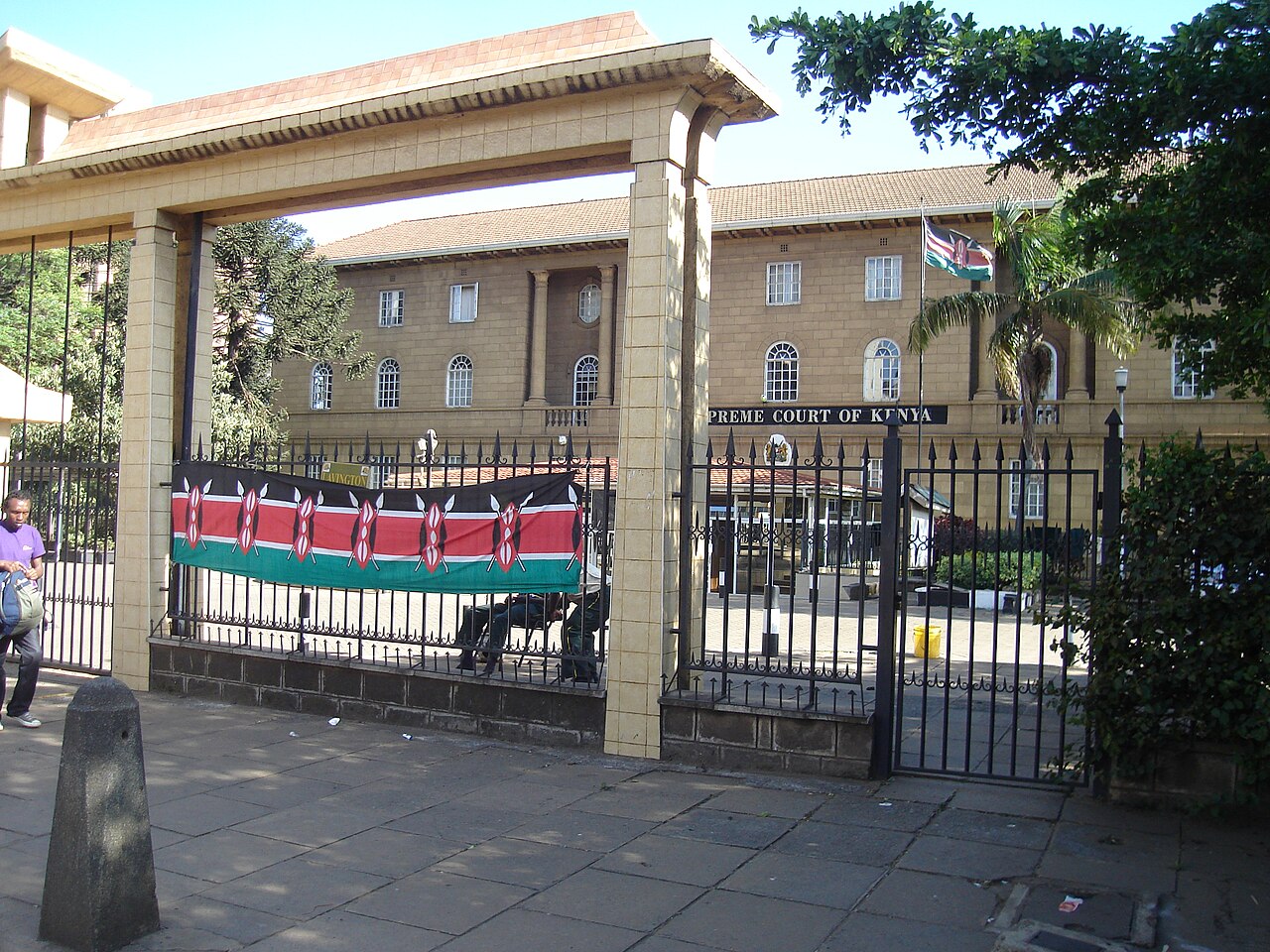
IEBC Boundary Delimitation Deferred 2026: What It Means for the 2027 General Election and Kenyan Voters at Home and Abroad
The Independent Electoral and Boundaries Commission, now fully reconstituted under Chairperson Erastus Edung Ethekon, announced in 2026 that there will be no boundary delimitation before the 2027 general election. Constitutional timelines, unresolved census disputes and a tight preparatory window made the decision inevitable.

How the Kenya Film Classification Board Licenses Film Production, Distribution and Exhibition: A Complete Guide to KFCB Ratings, Filming Permits and the Films and Stage Plays Act
Every film made or shown in Kenya must be classified by the KFCB. A complete guide to the GE/PG/16/18 rating system, filming permits, distributor and exhibitor licences, and the Films and Stage Plays Act.
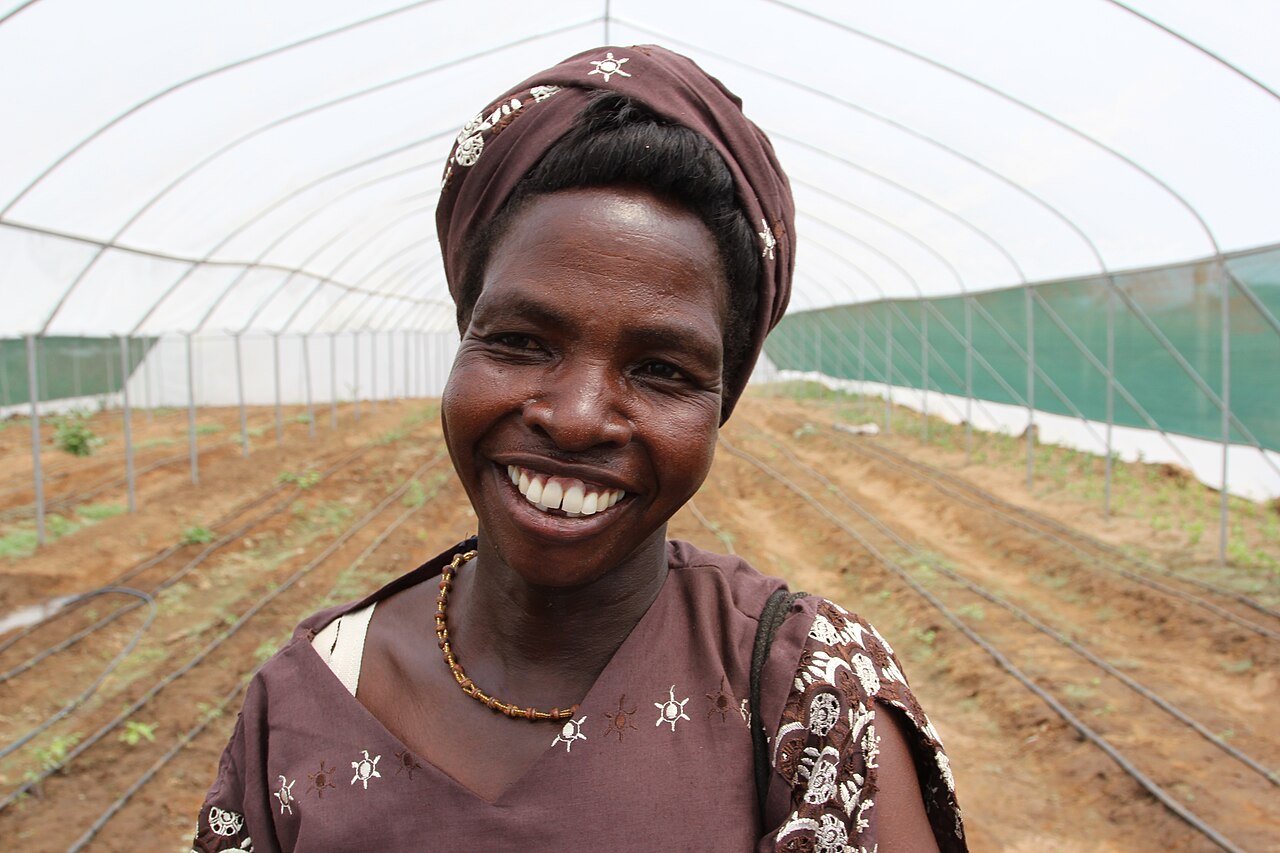
Commercial Beef Cattle Ranching and Feedlot Operations in Kenya: Boran and Sahiwal Genetics, Finishing Economics, Export Market Access and the Real Profit Math
Kenyan beef cattle in well-managed feedlots gain 1.5-2.0 kg daily and finish to 450-500 kg in 90-120 days. A deep guide to Boran, Sahiwal genetics, feedlot economics, KMC, and export markets.
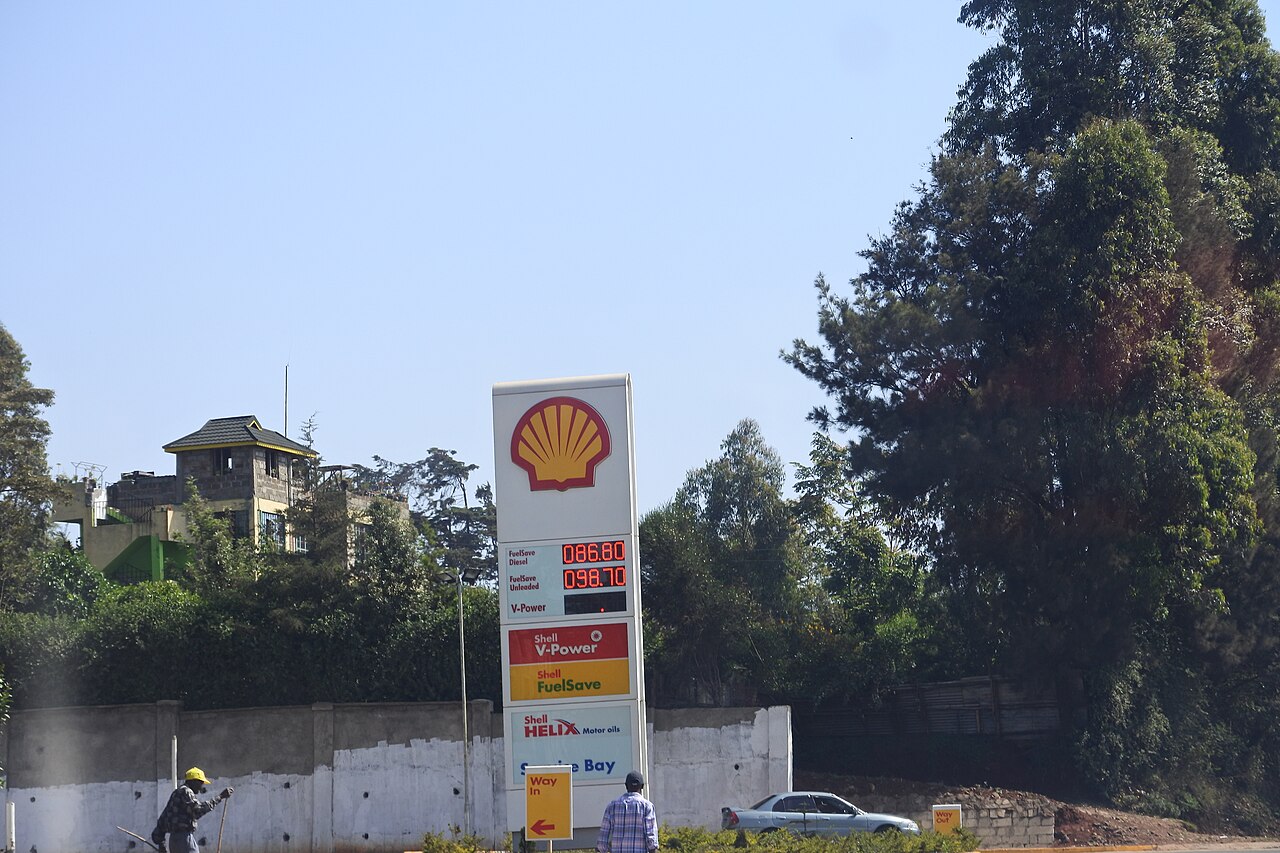
Kenya Fuel Prices May 2026: How EPRA Sets Petrol, Diesel and Kerosene Prices and Why They Hit Record Highs
EPRA's mid-May 2026 fuel price review pushed diesel to a record KSh242.92 a litre and lifted petrol by KSh16.65. A protest-driven mid-cycle revision cut diesel by KSh10. The episode reveals how Kenya's pump prices are built, who carries the cost, and why volatility is the new normal.

Kenya County Revenue Standoff 2026: How the Sh75.7 Billion PFM Act Block Is Holding Up Devolution Funds
Governors and the National Treasury are at loggerheads over Sh75.7 billion in conditional allocations that counties say they cannot access until the Public Finance Management Act is amended. The standoff is delaying county budgets, payroll, and key projects across the 47 devolved governments.
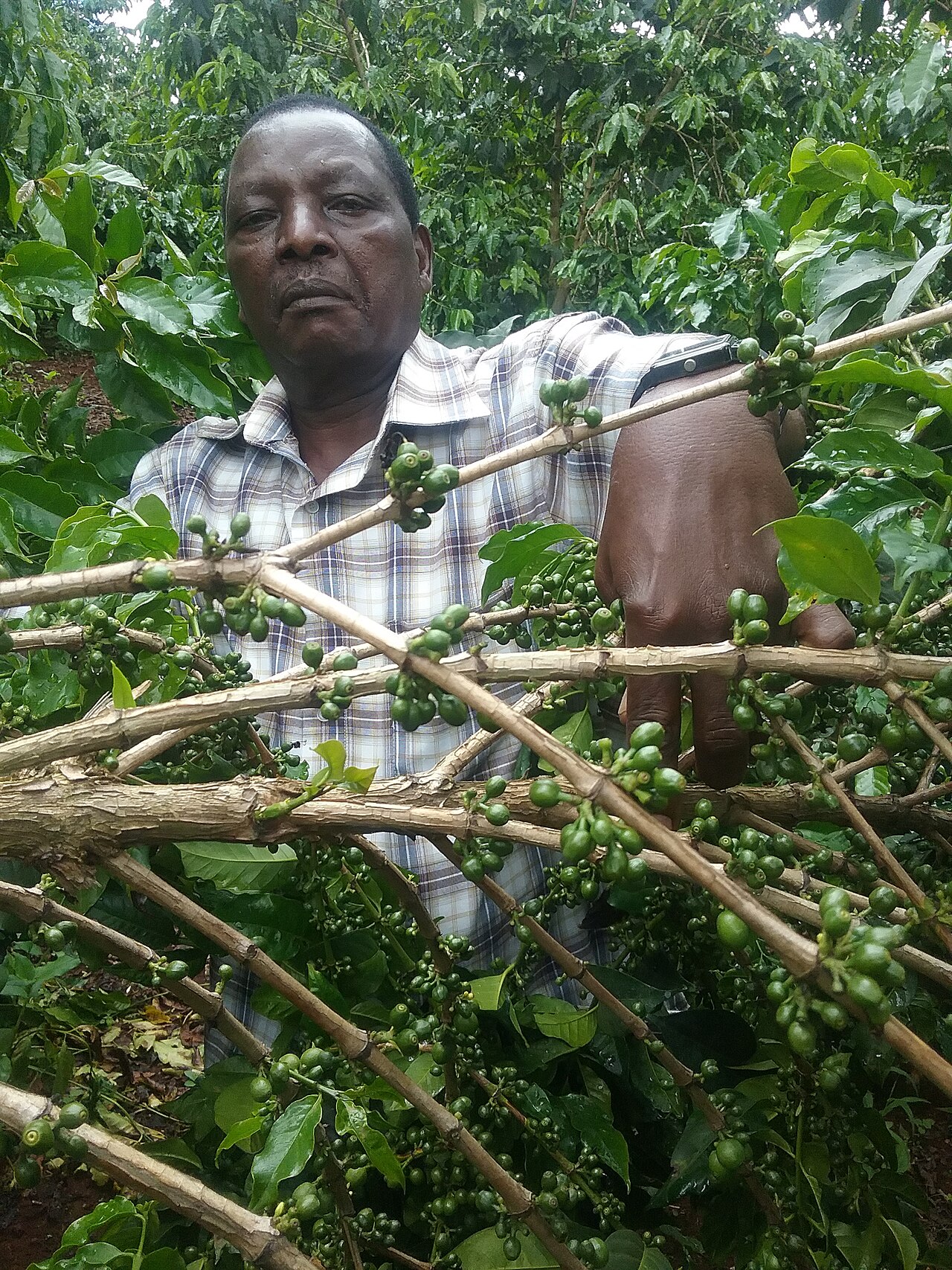
Commercial Tomato Farming in Kenya: A Deep Guide to F1 Hybrid Varieties, Greenhouse and Open Field Economics, Kirinyaga Production and the Real Profit Math
Tomato farming in Kenya delivers KSh 400k-800k net per acre per season in open field and up to ten times that under greenhouse. A deep guide to F1 hybrid varieties, Kirinyaga production, disease control and the real profit math.

SHA Voluntary Contributions for Diaspora Kenyans 2026: How to Register, Pay, and Choose Tariffs From Abroad
The Social Health Authority replaced the National Hospital Insurance Fund in late 2024, and by 2026 it has become the gateway to publicly funded care in Kenya. Diaspora Kenyans are not legally required to enrol, but voluntary contributions remain attractive for those with dependants at home or plans to return.