Kenya Fuel Prices May 2026: How EPRA Sets Petrol, Diesel and Kerosene Prices and Why They Hit Record Highs
Kenya Fuel Prices May 2026: How EPRA Sets Petrol, Diesel and Kerosene Prices and Why They Hit Record Highs
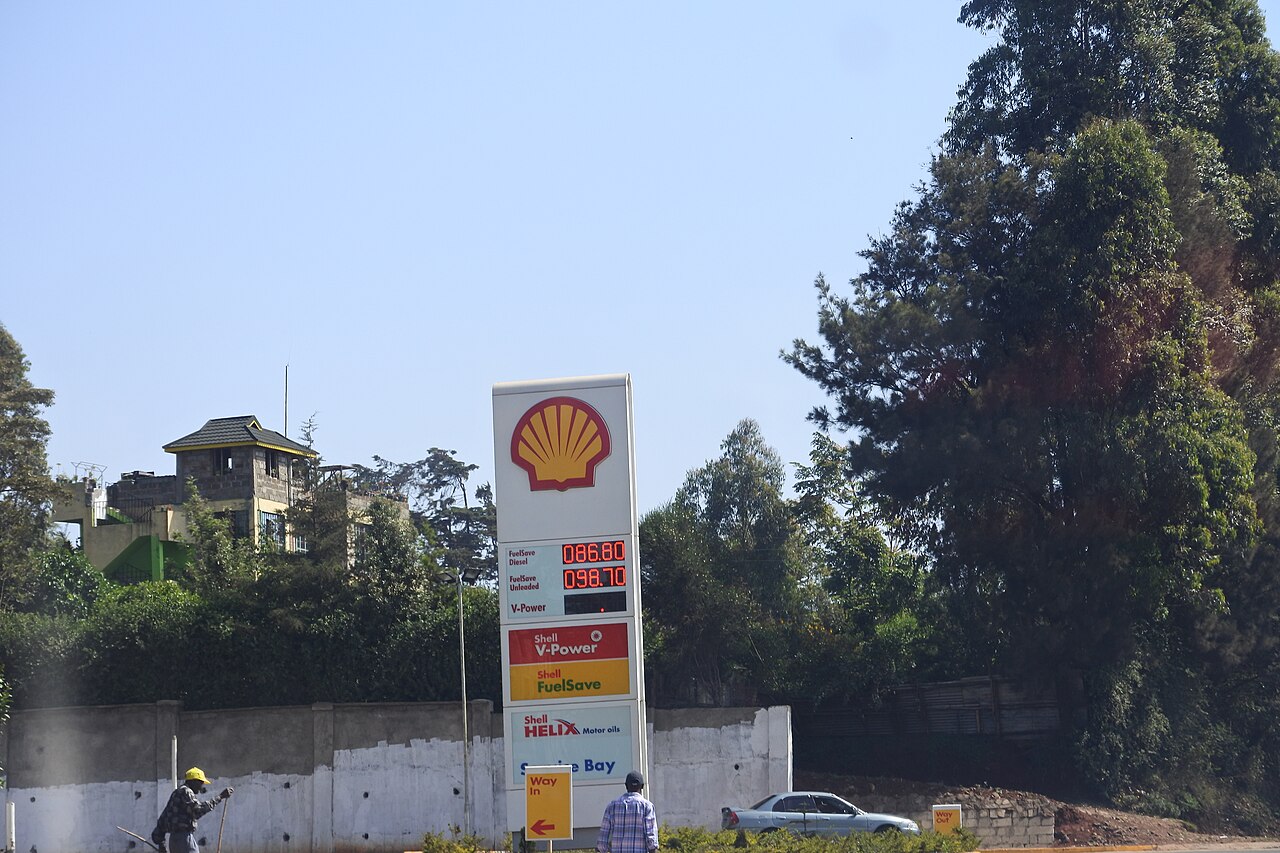
The Energy and Petroleum Regulatory Authority published a price review on 14 May 2026 that sent diesel to KSh242.92 a litre in Nairobi, the highest level ever recorded in Kenya, with petrol moving to KSh214.25 and kerosene held at its previous price. The increase, of KSh46.29 for diesel and KSh16.65 for petrol, drew an immediate political reaction. Within five days, on 19 May, EPRA issued a mid-cycle revision that pulled diesel down by KSh10.06, lifted kerosene by KSh38.60, and held petrol steady. To understand why the numbers move so sharply and what they mean for ordinary motorists, transport businesses and the broader cost of living, it helps to look at how the pump price is built.
How EPRA Sets The Maximum Pump Price
Kenya operates a regulated price ceiling model rather than a fully free fuel market. Under the Petroleum Act and the Petroleum (Pricing) Regulations, EPRA publishes a monthly price for each grade of fuel and each retail centre, calculated from a transparent formula. The starting point is the landed cost of imports at Mombasa, derived from the contractual delivery price of the most recent Open Tender System award. To the landed cost EPRA adds a series of statutory charges, including the Petroleum Development Levy, the Petroleum Regulatory Levy, the Road Maintenance Levy, Excise Duty, Value Added Tax, Anti-Adulteration Levy on kerosene, the Merchant Shipping Levy and a small wholesale and retail margin set by the regulator.
Each component is published in the price determination notes that accompany the gazette notice, which can be accessed on the EPRA website. The result is a maximum price that no retailer may exceed, although competing stations can charge less.
What Pushed Diesel To A Record In May
The principal driver of the mid-May increase was a sharp rise in the landed cost of imports. EPRA's price determination notes show that the average landed cost of imported super petrol rose by 10% from US$823.27 per cubic metre in March 2026 to US$906.23 per cubic metre in April 2026. The landed cost of diesel rose even faster, jumping 20.32% from US$1,073.82 to US$1,291.98 per cubic metre over the same period. International product price spikes followed disruptions in Middle East shipping and refinery maintenance schedules in Asia and Europe, both of which tightened the global diesel market in the second quarter.
Kenya imports virtually all of its refined petroleum, and the Open Tender System awards monthly cargoes to selected oil marketing companies. Once the landed cost moves, the impact passes through to the pump within the following monthly cycle. The shilling-dollar exchange rate also matters because import invoices are dollar-denominated. With the shilling trading at around KSh129 to the dollar in May, a one-percent move in the local currency translates into roughly a KSh2 to KSh2.40 move in the landed cost per litre of diesel.
The Mid-Cycle Revision Of 19 May
The 14 May review provoked an immediate political reaction. Public transport operators, matatu associations and freight companies argued that the diesel jump would be passed on to fares and cargo rates, hitting commuters and exporters. Within days, the Cabinet Secretary for Energy directed EPRA to revisit the diesel price using the Petroleum Development Levy Fund, which is designed to cushion consumers during periods of sharp price movement. EPRA then issued a revised price for the period from 19 May to 14 June 2026, reducing diesel by KSh10.06 to KSh232.86 a litre in Nairobi, while raising kerosene by KSh38.60 to narrow the price gap with diesel.
The kerosene increase was driven not by international markets but by adulteration concerns. When the diesel-kerosene differential widens, the incentive to mix kerosene into diesel and sell the blended fuel as legitimate diesel rises sharply, since kerosene is cheaper. EPRA explained that narrowing the spread would reduce the financial incentive for adulteration, even at the cost of higher kerosene prices for households that rely on kerosene for cooking and lighting.
The Cost To The Treasury
The mid-cycle subsidy is not free. EPRA's communication estimates that Sh5 billion would be drawn from the Petroleum Development Levy Fund to fund the cushion for the 25-day period through 14 June. The Fund itself is built from a levy of KSh5.40 per litre on petrol and diesel, paid by motorists. When subsidy outflows exceed Fund inflows, the Treasury must either increase the levy in a subsequent budget or accept that the Fund cannot sustain similar interventions in future cycles. The same Fund has been used periodically since 2018 to smooth price spikes, and the running balance is reported in the National Treasury budget documents.
How The Components Add Up
Anyone wanting to understand why their Saturday refuel costs what it does can build a simplified estimate from the published EPRA figures. For a litre of super petrol in Nairobi during the 19 May to 14 June cycle, the landed cost is roughly KSh120 to KSh125, taxes and levies (Excise, VAT, RML, PDL, PRL, MSL and Anti-Adulteration Levy where applicable) add roughly KSh65 to KSh70, distribution and storage costs add KSh5 to KSh7, and oil marketing company and dealer margins add a further KSh12 to KSh14. The numbers fluctuate with each cycle, but the structural picture is clear: roughly half of the pump price is statutory cost rather than the cost of the product itself.
For diesel, the import landed cost is a slightly larger share of the total because Anti-Adulteration Levy does not apply and Excise Duty is lower. For kerosene, taxes are lower still, which is part of why even after the May 19 increase, kerosene remains the cheapest of the three grades at retail.
What This Means For Households
Fuel prices ripple through almost every consumer market. Public transport fares, courier costs, agricultural inputs, the cost of operating a generator during outages, food prices that depend on long supply chains and the cost of running boda boda operations all respond to changes in diesel and petrol prices. Households often feel the impact most clearly through matatu and boda boda fares, where operators tend to adjust quickly when diesel rises but resist reducing fares when it falls.
For diaspora Kenyans funding family upkeep, the indirect effect is a steady upward pressure on the monthly remittance budget. Households that previously survived on a fixed monthly stipend often request a top-up when fuel-driven inflation pushes through food and transport.
Practical Steps For Motorists And Businesses
While individual consumers cannot influence international product prices, a few practical choices reduce exposure. Many fleet operators and high-volume motorists negotiate annual fuel card contracts with discounts that take effect below the EPRA ceiling. Households can plan trips to minimise idling and use the most fuel-efficient driving style available. Operators of small generators or farm machinery should be mindful of the diesel-kerosene differential and the legal restrictions on using kerosene in diesel engines.
For businesses, hedging the fuel exposure within service contracts is increasingly common. Logistics providers, school transport operators and even ride-hailing fleets now build fuel-indexation clauses into client contracts so that mid-cycle EPRA changes flow automatically into pricing rather than producing a politically charged renegotiation each month.
Why 2026 May Stay Volatile
The combination of geopolitically driven product price moves, a relatively stable but still imported-fuel-dependent economy, and a Petroleum Development Levy Fund that can only absorb so much subsidy spending means that volatility is likely to be the dominant feature of Kenya's pump prices for the rest of 2026. Even a moderate uptick in Middle East tensions or a tightening of refining margins in Asia could push the landed cost up by 10% in a single cycle, with the consequences flowing through to retail within four to six weeks.
The structural fix that energy economists have long argued for, including greater storage, more diverse import sources, and a careful review of the tax stack on each grade, has progressed slowly. The Kenya Pipeline Company and the Kenya Petroleum Refineries have invested in capacity upgrades over the past five years, but the fundamental economics of importing refined product at world prices remain.
The Bottom Line
The May 2026 price episode demonstrates that EPRA's monthly review is a moving target, that statutory taxes constitute roughly half of every shilling at the pump, and that the Petroleum Development Levy Fund can cushion only the worst spikes. Motorists, businesses and households are best served by understanding the formula, watching the cycle dates and planning their consumption with the knowledge that the next change is never more than a few weeks away.
More Articles

The Multiparty Era Reforms: Saba Saba, the Repeal of Section 2A and Kenya's Return to Political Pluralism
Jul 02, 2026

Eye Care in Kenya: Cataract, Trachoma and the Long Road to Universal Vision Health
Jul 02, 2026

Shaba National Reserve: Joy Adamson's Last Wilderness and Isiolo's Semi-Desert Safari Gem
Jul 02, 2026

The Rendille People of Northern Kenya: Camel Pastoralism, Clan Traditions and a Culture Under Pressure
Jul 02, 2026

Ukulima Sacco: From Ministry of Agriculture Staff Society to a National Cooperative Open to All Kenyans
Jul 02, 2026