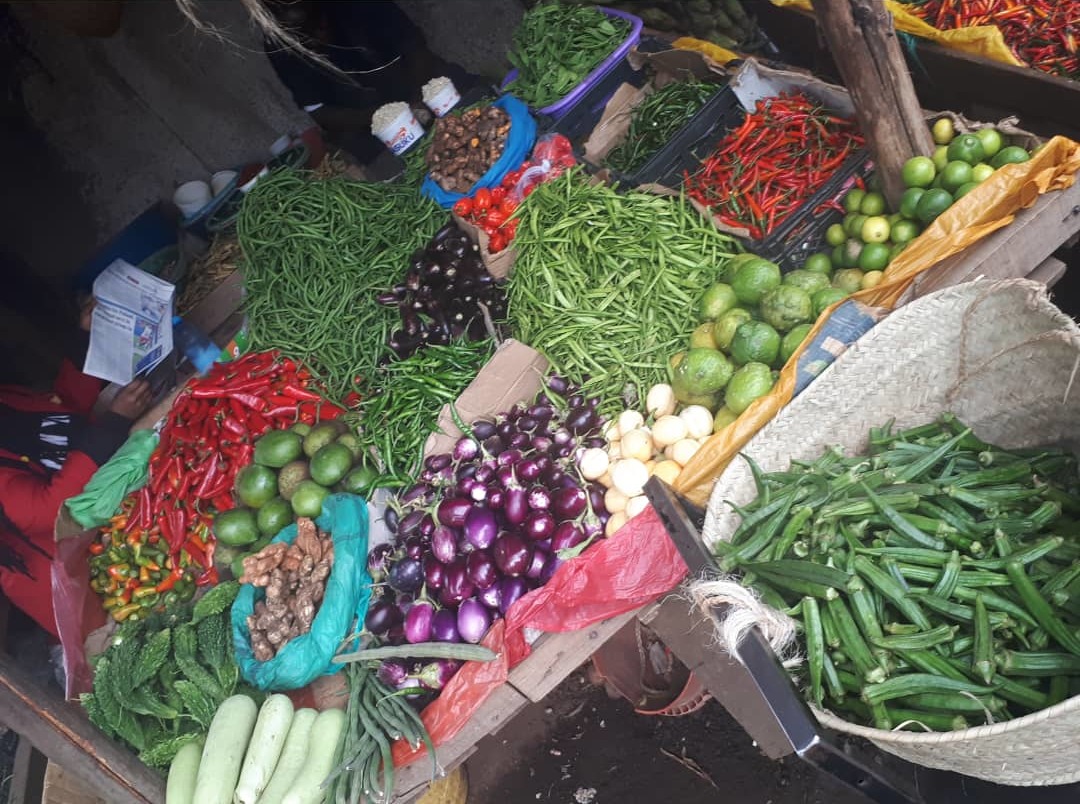
Wakulima Market (Marikiti): Nairobi’s Wholesale Heart of the Fresh Produce Trade
Known to traders simply as Marikiti, Wakulima Market is the wholesale heart of Nairobi’s fresh produce trade, drawing lorries of vegetables and fruit from across Kenya and neighbouring countries. This article examines its history, supply networks, congestion problems and the long-running relocation debate.

Kongowea Market: East Africa's Largest Fresh Produce Hub on the Mombasa Coast
Kongowea Market in Mombasa is one of East Africa's largest wholesale and retail fresh produce markets, drawing traders from across the region. This article examines its supply chains, traders, economic role, challenges and significance to the coastal economy.
The Informal Food Sector in Kenya: Street Vendors, Mama Mbogas, and the Economy of Feeding the Nation
The informal food sector is the unsung engine of Kenya's food system, ensuring that millions of urban and rural consumers have access to affordable, culturally appropriate food through a vast network ...
Crop Diversification in Kenya: Why Farmers Are Moving Beyond Maize and How It Strengthens Food Security
Crop diversification is emerging as one of the most important strategies for strengthening Kenya's food security, improving farmer incomes, and building agricultural resilience in the face of climate ...
Agro-Processing Industries in Kenya: Turning Raw Agricultural Products into Exportable Goods
Agro-processing represents Kenya's most promising pathway to agricultural industrialization, transforming raw farm products into processed goods that generate higher returns for farmers, create manufa...
Veterinary Services in Kenya: Animal Health, Livestock Economy, and the Role of the Kenya Veterinary Board
Veterinary services form a critical foundation for Kenya's livestock economy, food safety system, and public health infrastructure. From disease surveillance programs that detect outbreaks to meat ins...
Food Safety in Kenya: Regulations, Enforcement Challenges, and Protecting Consumers from Contamination
Food safety affects every Kenyan, from the farmer who stores grain after harvest to the consumer who purchases vegetables at the local market. Despite significant regulatory frameworks and institution...
Urban Agriculture in Nairobi: How City Farmers Are Feeding Communities and Building Sustainable Livelihoods
Urban agriculture has quietly become one of the most important features of Nairobi's food system, with hundreds of thousands of city residents growing crops and keeping livestock to feed their familie...
Drought and Famine in Kenya: Historical Patterns, Climate Change Impacts, and Emergency Response Systems
Drought and famine have shaped Kenya's history, politics, and development trajectory in ways that are often underappreciated by those unfamiliar with the harsh realities of life in the country's arid ...