
Unaitas Sacco: From Murang'a Tea Growers to One of Africa's Largest Saccos by Membership
Unaitas Sacco grew from a 1993 tea growers' society in Murang'a into one of Africa's largest saccos by membership, with over 493,000 members. This article traces its history, transformation, products, branch network and relevance to Kenyans at home and abroad.

Hazina Sacco: Treasury and Civil Service Heritage, Loan Products and the Open-Bond Strategy
Hazina Sacco, founded in 1971 for National Treasury staff, has grown into a tier-one DT-Sacco with KSh 10+ billion in assets and an open common bond serving civil servants, county workers and the wider public sector across Kenya.

Harambee Sacco: Civil Service Heritage, Five Decades of Cooperative Saving and the Tier-One DT-Sacco Offering of Today
Harambee Sacco, founded in 1971 for Office of the President staff, has grown into a tier-one DT-Sacco with KSh 30+ billion in assets and an open common bond serving civil servants, county workers and the wider public sector across Kenya.

Kenya's Finance Bill 2026 and the Gen Z Legacy: Why the Sequel Tax Push Has Reawakened the Civic Movement of 2024
The 2024 Gen Z protests forced Kenya's government to withdraw an entire Finance Bill and dissolve the Cabinet. Two years on, the Finance Bill 2026 has tabled many of the same measures in different clothing. This article maps the new bill against the 2024 demands, the civic response and the constitutional process to budget enactment.

Significant Economic Presence Tax in Kenya 2026: How the 3% SEP Levy Replaced the Digital Service Tax and What It Means for Cross-Border Platforms
The Significant Economic Presence (SEP) Tax replaced Kenya's Digital Service Tax from 27 December 2024 and was widened by the Finance Act, 2025. At an effective rate of 3 per cent on gross Kenyan earnings, it now applies to nearly all non-resident digital, AI and data-monetisation services consumed in Kenya.

Kenya Rental Income Tax 2026: Why the Rate Rose to 10% and How Resident and Diaspora Landlords Should Respond
The Finance Bill 2026 increases the residential rental income tax rate from 7.5% to 10% of gross rent. The Bill also introduces a 30% withholding tax on rent paid to non-resident persons. Diaspora landlords face a meaningfully different tax bill in 2026/27 and should review their property holding structures.

Capital Gains Tax on Share Sales by Non-Residents in Kenya 2026: How the Finance Bill Reshapes Cross-Border Equity Deals
The Finance Bill 2026 widens the scope of capital gains tax to include the alienation of shares by non-residents where the underlying value derives from Kenya, or where the transaction results in a change of group membership of a Kenyan-resident company. The change has significant implications for diaspora investors and cross-border deal structures.

Kenya County Revenue Standoff 2026: How the Sh75.7 Billion PFM Act Block Is Holding Up Devolution Funds
Governors and the National Treasury are at loggerheads over Sh75.7 billion in conditional allocations that counties say they cannot access until the Public Finance Management Act is amended. The standoff is delaying county budgets, payroll, and key projects across the 47 devolved governments.
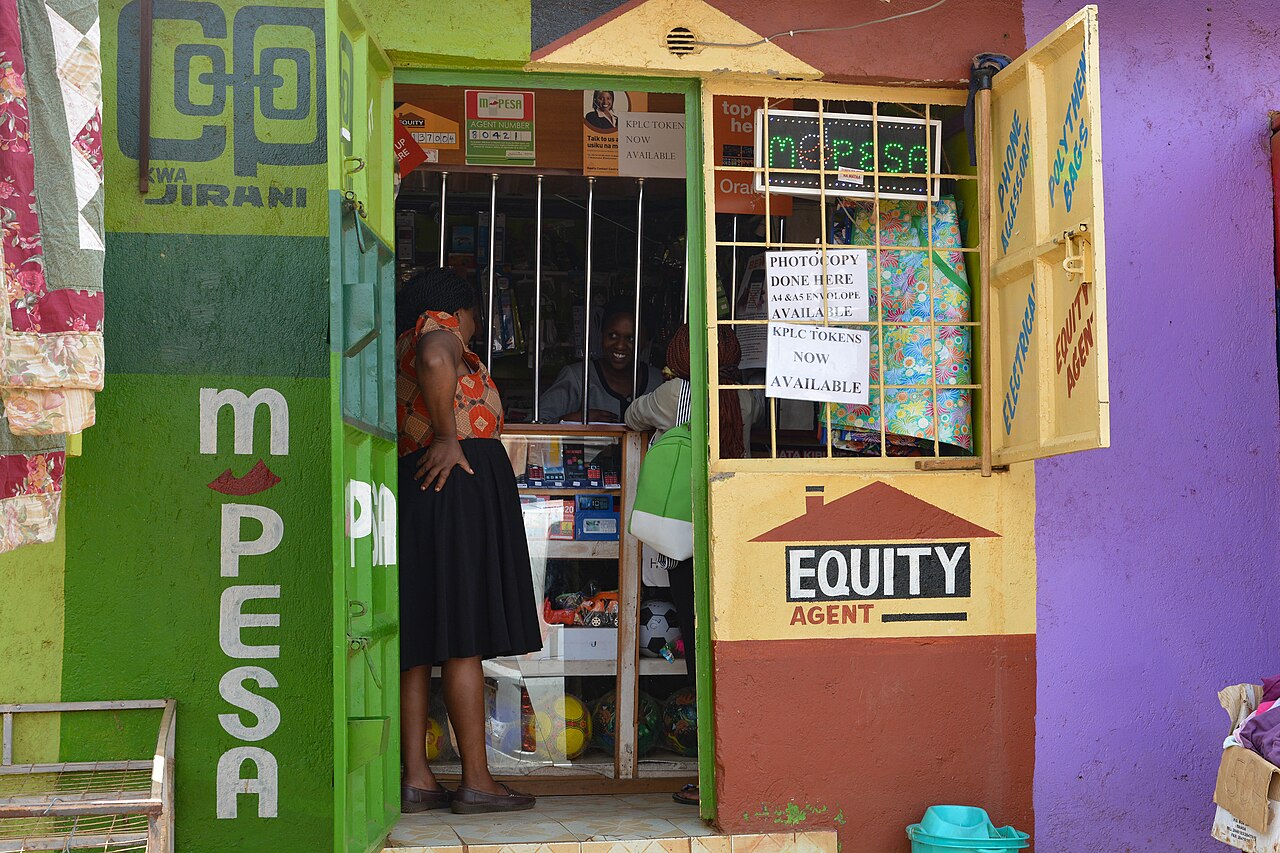
Kenya Finance Bill 2026 Mobile Money VAT: How the 16% Tax on M-Pesa, Airtel Money and Pesapal Will Hit Consumers and the Diaspora
The National Treasury wants to apply 16% Value Added Tax to fees charged by M-Pesa, Airtel Money, Pesapal, Kenswitch and dozens of other payment platforms. Although the levy targets platform operators, industry watchers expect higher costs to filter down to consumers, including diaspora Kenyans who send money home.