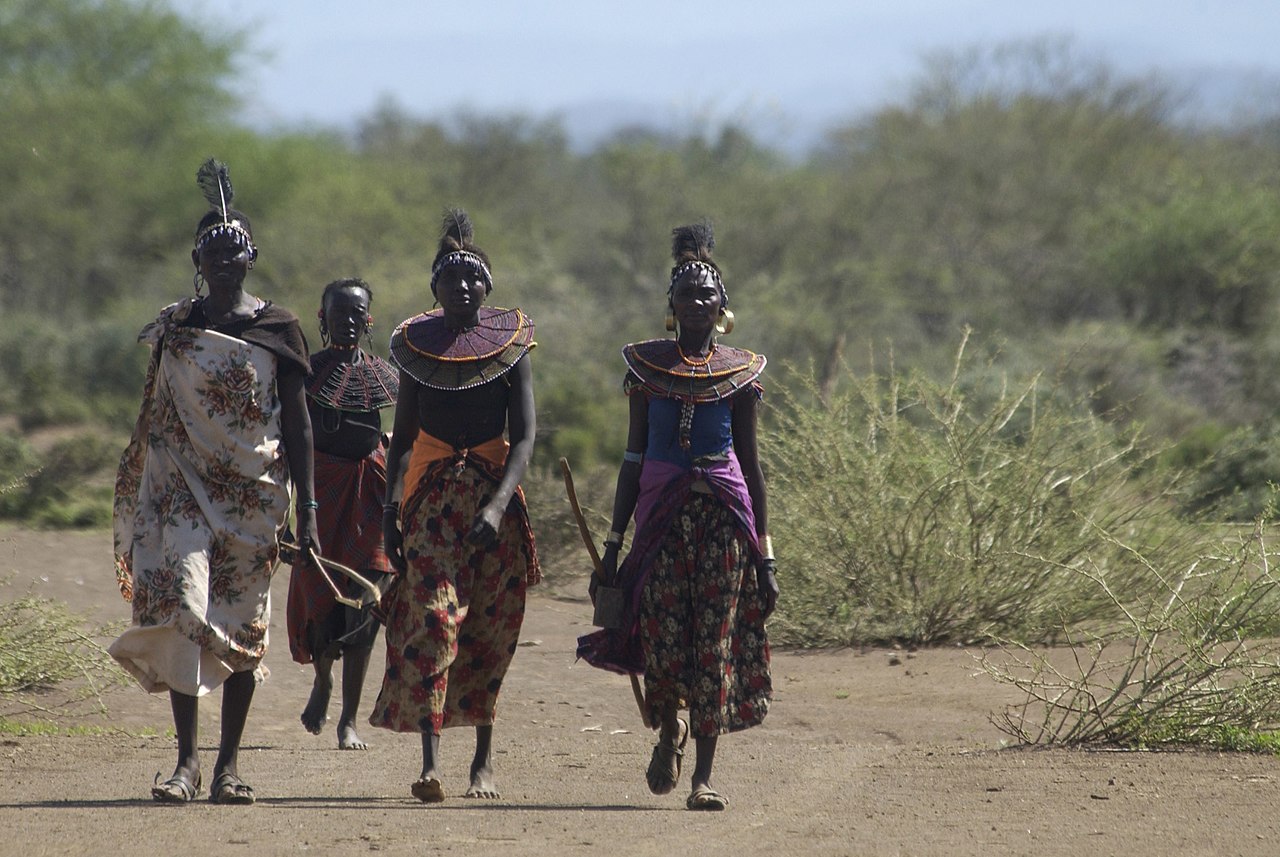
The Pokot People: Pastoral Life, the Sapana Ceremony and Culture of Kenya’s North Rift
Spanning the highlands and dry plains of Kenya’s North Rift, the Pokot are a Kalenjin-speaking people whose lives revolve around cattle, age-sets and ceremonies such as the Sapana initiation. This overview examines their territory, livelihoods, language, culture and contemporary challenges.

Beauty Salon Business in Kenya: Start-Up Costs, Licensing, Service Mix and the Profitable Hair, Skin and Nail Economy
A beauty salon in Kenya can generate dependable revenue from a broad service mix of hair, skin and nail treatments. Explore start-up costs, licensing, location, staff, pricing, supplier relationships and the path to opening a profitable salon in Nairobi or upcountry towns.

Kenyan Diaspora in France: Community, Bilateral Ties and Investment
France hosts a small but professionally significant Kenyan diaspora anchored around Paris, supported by a long-standing bilateral relationship that has accelerated since 2017 and that now sits at the centre of Kenya-EU trade, climate finance and university mobility.

Spouse and Dependant Visa Pathways for Kenyans Abroad: The UK, US, Canada, UAE and Schengen Family Reunion Routes Explained
Bringing a Kenyan spouse or dependant to your country of residence is one of the most consequential immigration applications a diaspora family will make. This guide walks through the spouse, partner and dependant visa pathways in the United Kingdom, United States, Canada, the United Arab Emirates and the Schengen area.
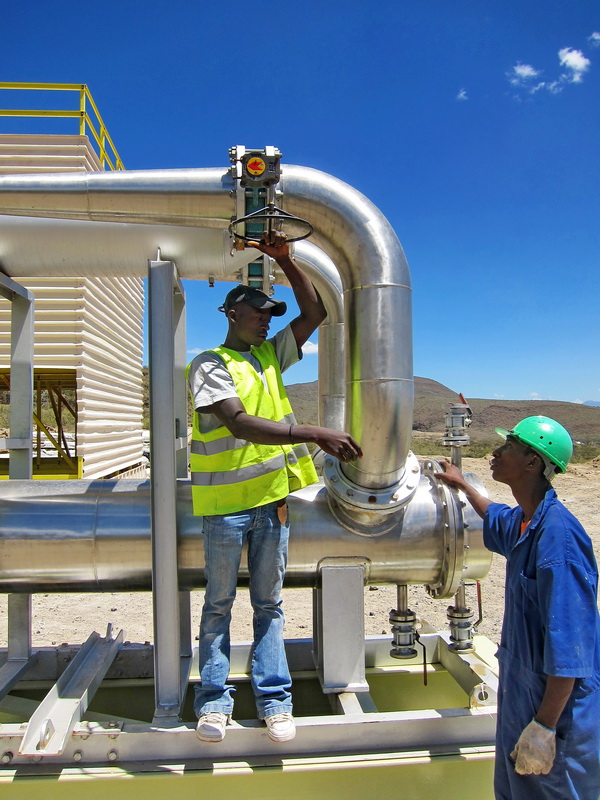
The Energy and Petroleum Regulatory Authority Explained: How EPRA Licenses Electricity, Petroleum, LPG, Renewable Energy and Sets the Monthly Fuel Price
EPRA regulates electricity, petroleum, LPG, and renewable energy in Kenya. A complete guide to its licensing framework, the monthly fuel-price formula, and the principal sector-stakeholder interactions.

Hass Avocado Export from Kenya: How to Become a Licensed Exporter, Phytosanitary Compliance, China and EU Markets, and the Real Per-Hectare Economics
Kenya is now a top global Hass avocado exporter, with China market access opened in 2022. A complete guide to becoming a licensed exporter, phytosanitary compliance, and the real per-hectare returns.

Kenya's Eurobond 2027 Pay-Down in 2026: The Sh64.5 Billion Buyback, the New $1.5 Billion Issue and What It Means for the Shilling
After the painful 2024 rollover of the 2024 Eurobond, Kenya entered 2026 with a more proactive debt-management posture. A Sh64.5 billion buyback in February 2026 followed earlier work that retired $579 million of the 2027 note in 2025. The strategy is reshaping the country's external-debt redemption profile and, indirectly, the shilling.

CBK Indicative Exchange Rates 2026: How They Work, Where to Find Them, and Why Diaspora Senders Should Care
Every business day the Central Bank of Kenya publishes an indicative exchange rate for the Kenyan shilling against major currencies. The number is not a fixed price but a market average, and understanding how it is built helps diaspora senders avoid bad fills, hidden margins and avoidable losses on transfers home.
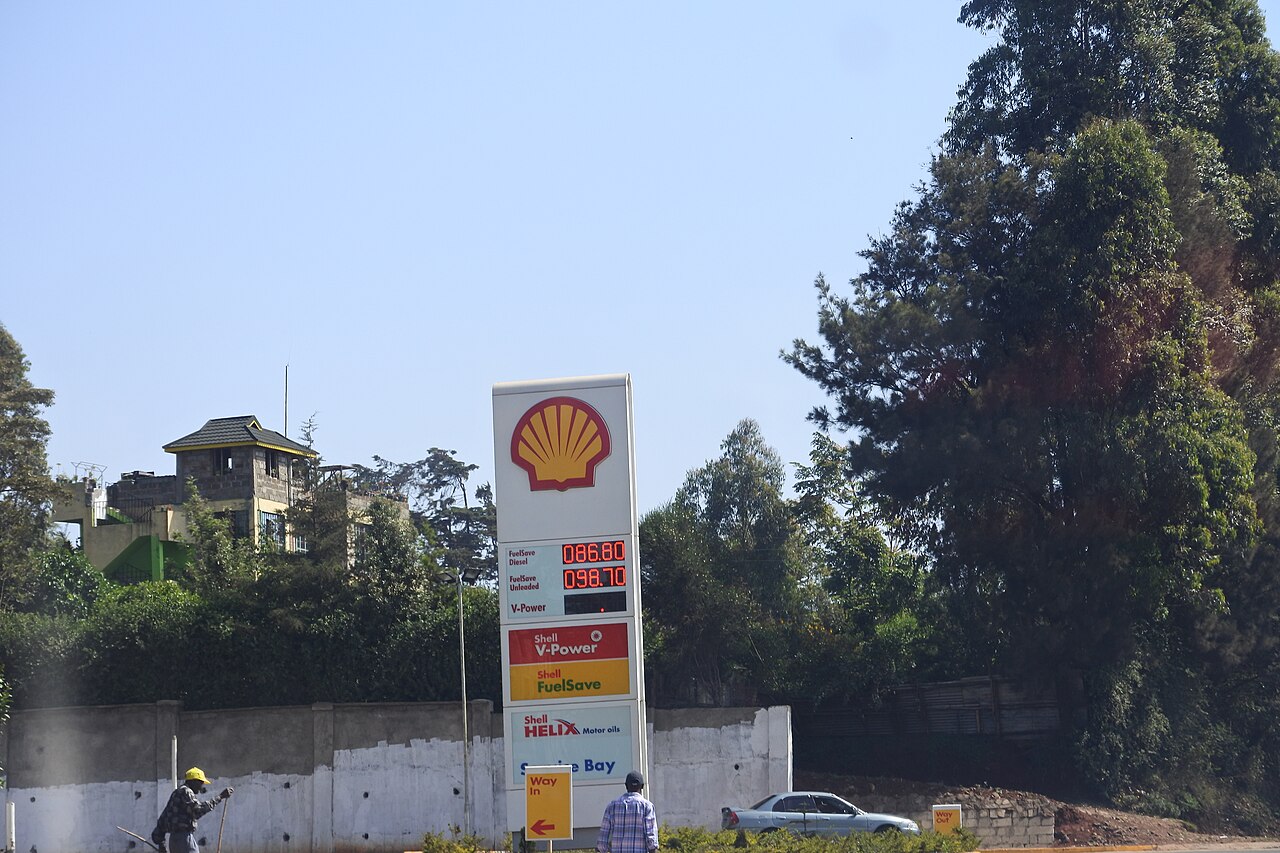
Kenya Fuel Prices May 2026: How EPRA Sets Petrol, Diesel and Kerosene Prices and Why They Hit Record Highs
EPRA's mid-May 2026 fuel price review pushed diesel to a record KSh242.92 a litre and lifted petrol by KSh16.65. A protest-driven mid-cycle revision cut diesel by KSh10. The episode reveals how Kenya's pump prices are built, who carries the cost, and why volatility is the new normal.