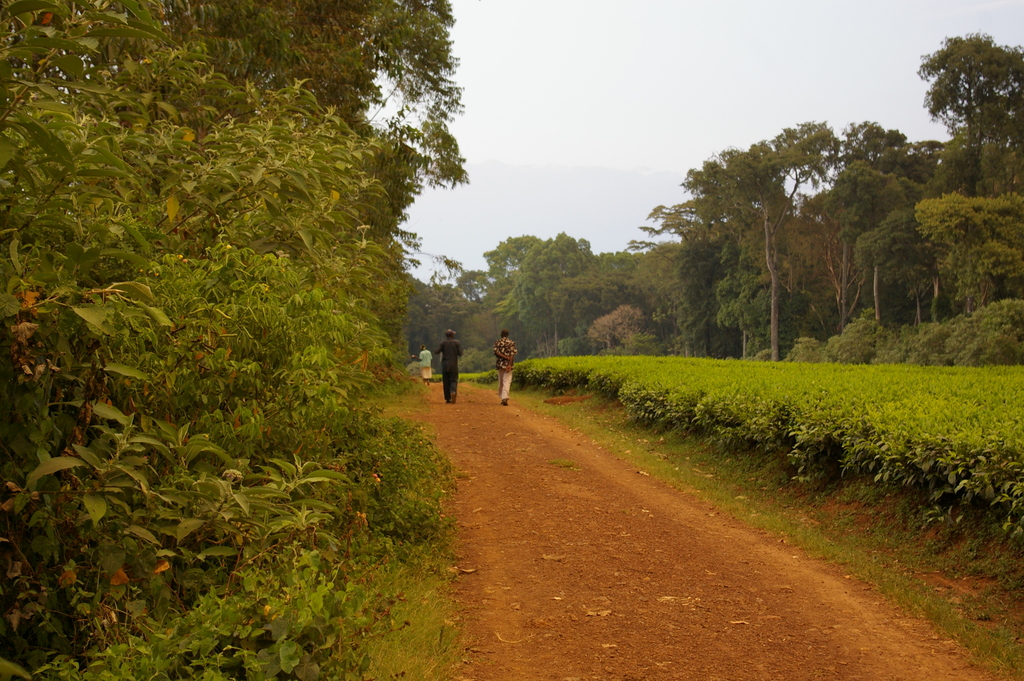
Kakamega County: Gold, Sugarcane and Kenya's Last Rainforest Economy
Kakamega County anchors western Kenya's sugar belt and hosts the country's only tropical rainforest. This guide examines its agriculture, artisanal gold mining, dairy and poultry investment frontiers, demographics and diaspora-relevant opportunities.

Kisii County Kenya: Soapstone, Banana, Tea and the Densely Populated Highland Economy of the Gusii Heartland
Kisii County is one of Kenya's most densely populated highland counties, home to the Gusii community, the Tabaka soapstone industry and a thriving banana, tea and dairy economy that anchors south-western Kenya.
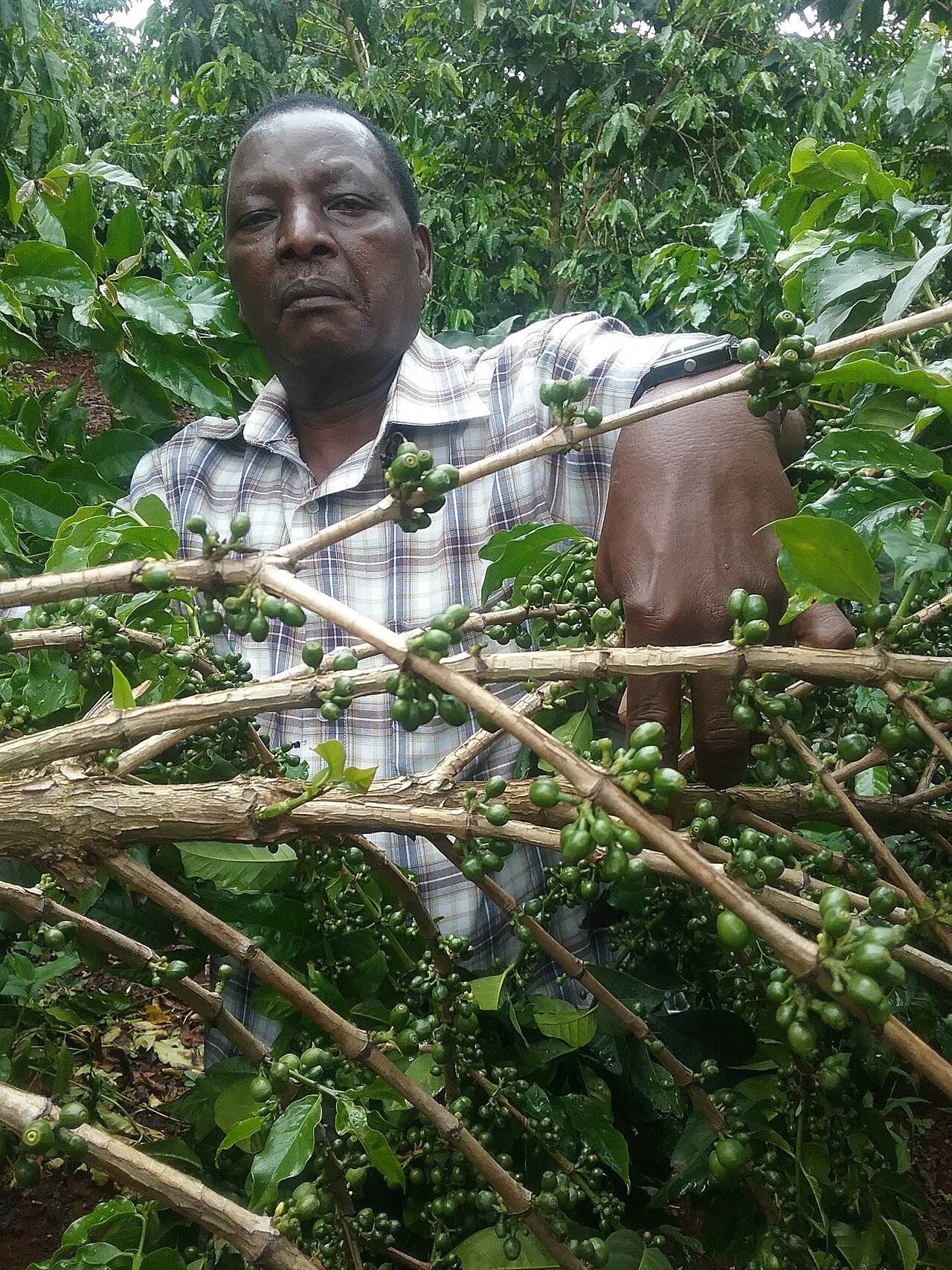
Commercial Ginger Farming in Kenya: Rhizome Selection, Coastal and Western Production Zones, the KSh 300-700/kg Market and Real Per-Acre Profitability
Ginger fetches KSh 300-700/kg in Kenyan markets with strong import-substitution opportunity. A deep guide to rhizome selection, coastal-western production, agronomy and real profitability.
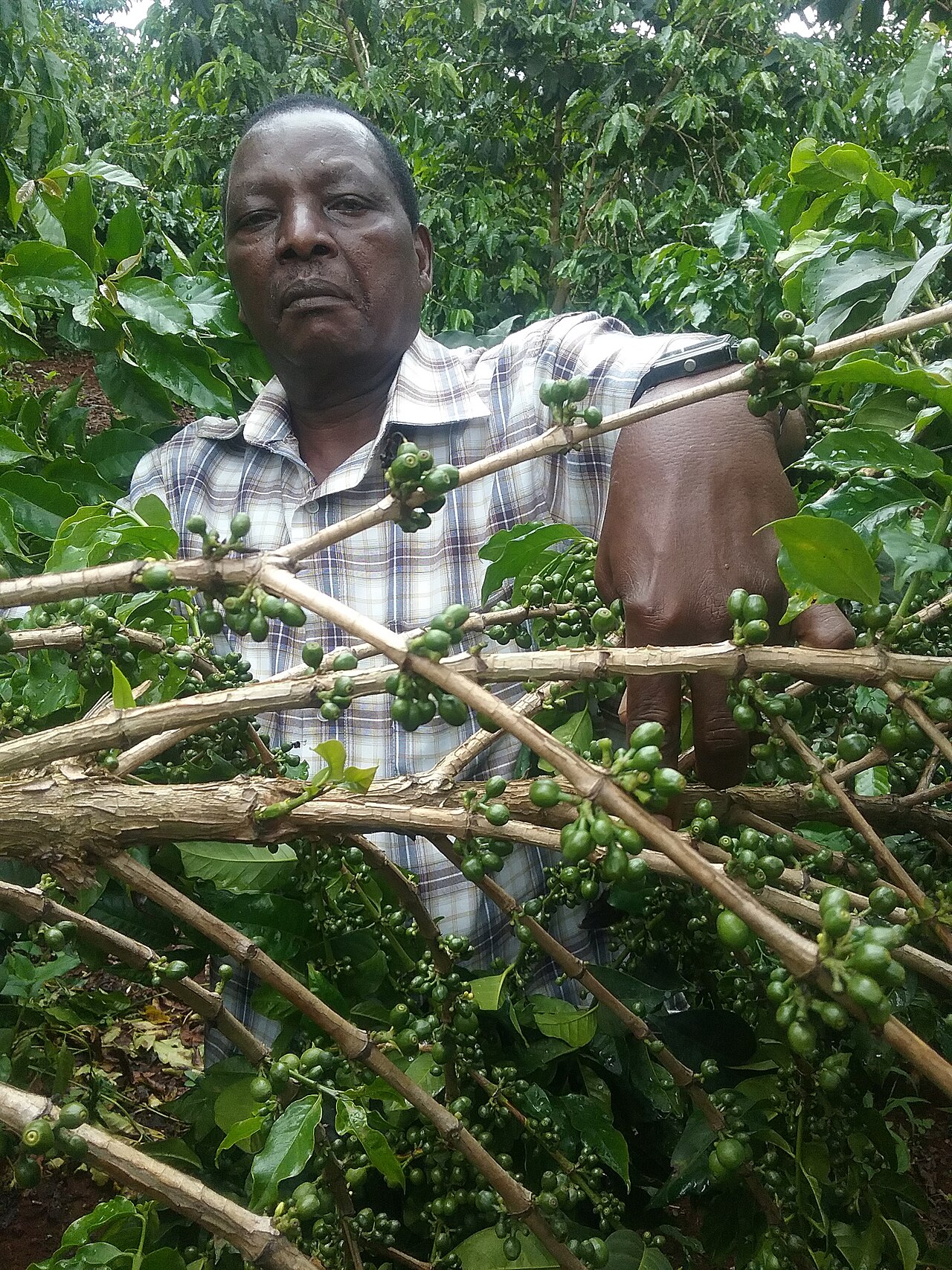
Commercial Garlic Farming in Kenya: Hardneck and Softneck Varieties, Highland Production, the KSh 300-500/kg Market and Real Profitability Per Acre
Garlic fetches KSh 300-500/kg in Kenyan markets with strong import-substitution opportunity. A deep guide to hardneck and softneck varieties, highland production, agronomy and real profitability.
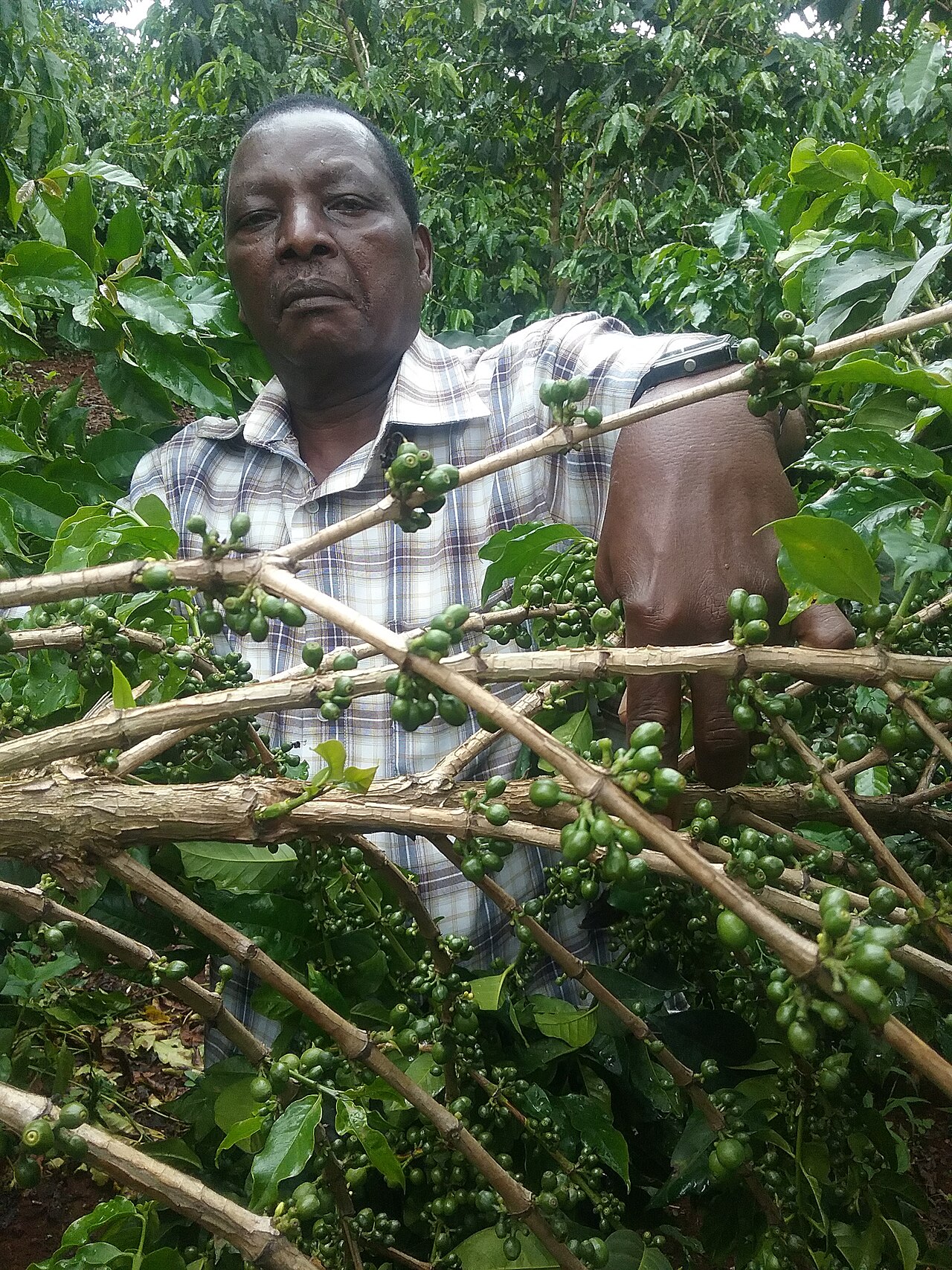
Commercial Cabbage Farming in Kenya: Gloria F1, Pruktor F1 and Copenhagen Varieties, Highland Production Zones and the Real Path to KSh 300,000-700,000 Per Acre Returns
Kenyan cabbage farms produce 30-40 tonnes per acre with returns of KSh 300,000-700,000. A deep guide to F1 hybrid varieties, highland production zones, disease management and the market routes.

Commercial Strawberry Farming in Kenya: Chandler and Albion Varieties, Vertical and Greenhouse Systems and the Real Path to KSh 1.5-2.4 Million Per Acre Annual Returns
Kenyan strawberries fetch KSh 300-600 per kilogram and yield 4-8 tonnes per acre. A deep guide to Chandler and Albion varieties, vertical and greenhouse systems, and the path to KSh 1.5-2.4 million per acre.

Commercial Mushroom Farming in Kenya: Button and Oyster Production Systems, Substrate Preparation, Spawn Sourcing and the Real Path to KSh 150,000 Per Six-Week Cycle
Kenyan mushroom farming delivers up to KSh 150,000 per six-week cycle from a small backyard operation. A deep guide to button and oyster production, substrate, spawn and the 12-15% annual market growth.

Aquaponics in Kenya: How Integrated Fish and Vegetable Systems Work, the Backyard and Commercial Models, Tilapia-Lettuce Combinations and the Real Yield Math
Aquaponics combines fish farming with hydroponic vegetable production in a single closed-loop system. A practical Kenya guide to system designs, tilapia-lettuce combinations, capital costs and real yields.
Commercial Snail Farming in Kenya: KWS Wildlife Licensing, Achatina Species, Heliciculture Setup and the Premium Slime, Meat and Export Markets
Kenyan snail meat fetches KSh 2,000-3,000 per kilogram, with snail slime in growing demand from cosmetic and biotech buyers. A deep guide to KWS licensing, Achatina species, heliciculture setup and the markets.