
Capital Gains Tax on Share Sales by Non-Residents in Kenya 2026: How the Finance Bill Reshapes Cross-Border Equity Deals
The Finance Bill 2026 widens the scope of capital gains tax to include the alienation of shares by non-residents where the underlying value derives from Kenya, or where the transaction results in a change of group membership of a Kenyan-resident company. The change has significant implications for diaspora investors and cross-border deal structures.
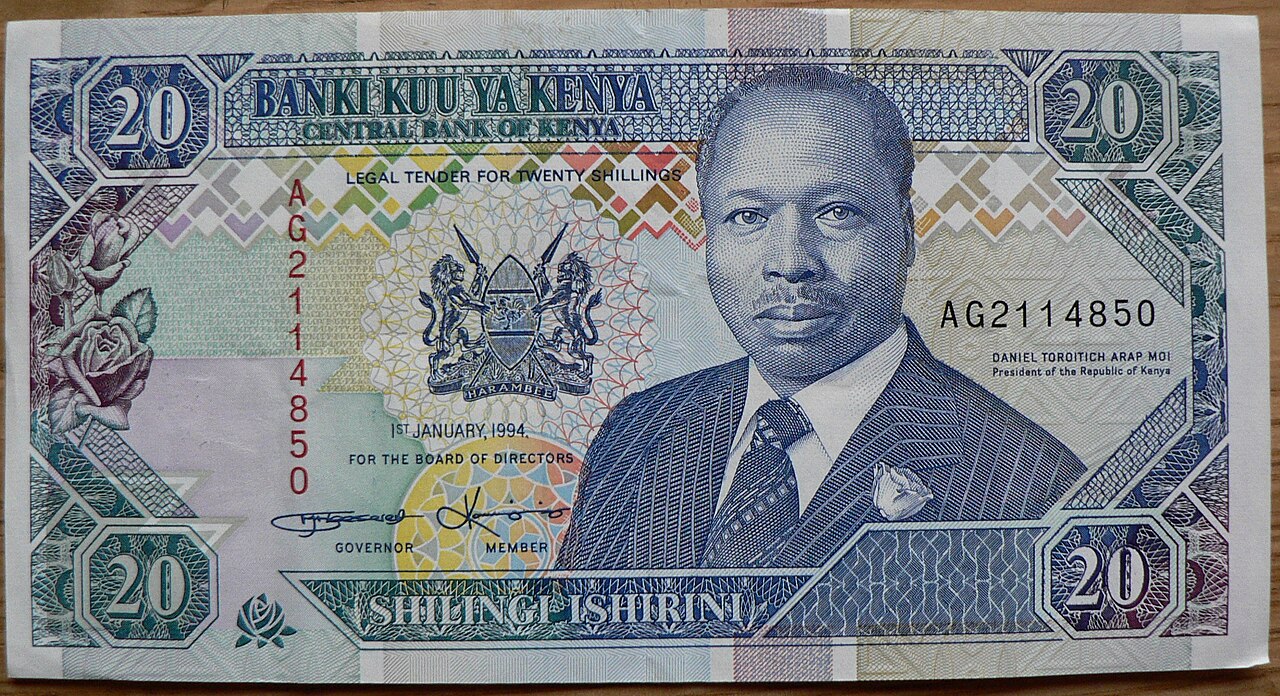
CBK Indicative Exchange Rates 2026: How They Work, Where to Find Them, and Why Diaspora Senders Should Care
Every business day the Central Bank of Kenya publishes an indicative exchange rate for the Kenyan shilling against major currencies. The number is not a fixed price but a market average, and understanding how it is built helps diaspora senders avoid bad fills, hidden margins and avoidable losses on transfers home.

IEBC Boundary Delimitation Deferred 2026: What It Means for the 2027 General Election and Kenyan Voters at Home and Abroad
The Independent Electoral and Boundaries Commission, now fully reconstituted under Chairperson Erastus Edung Ethekon, announced in 2026 that there will be no boundary delimitation before the 2027 general election. Constitutional timelines, unresolved census disputes and a tight preparatory window made the decision inevitable.

SHA Voluntary Contributions for Diaspora Kenyans 2026: How to Register, Pay, and Choose Tariffs From Abroad
The Social Health Authority replaced the National Hospital Insurance Fund in late 2024, and by 2026 it has become the gateway to publicly funded care in Kenya. Diaspora Kenyans are not legally required to enrol, but voluntary contributions remain attractive for those with dependants at home or plans to return.
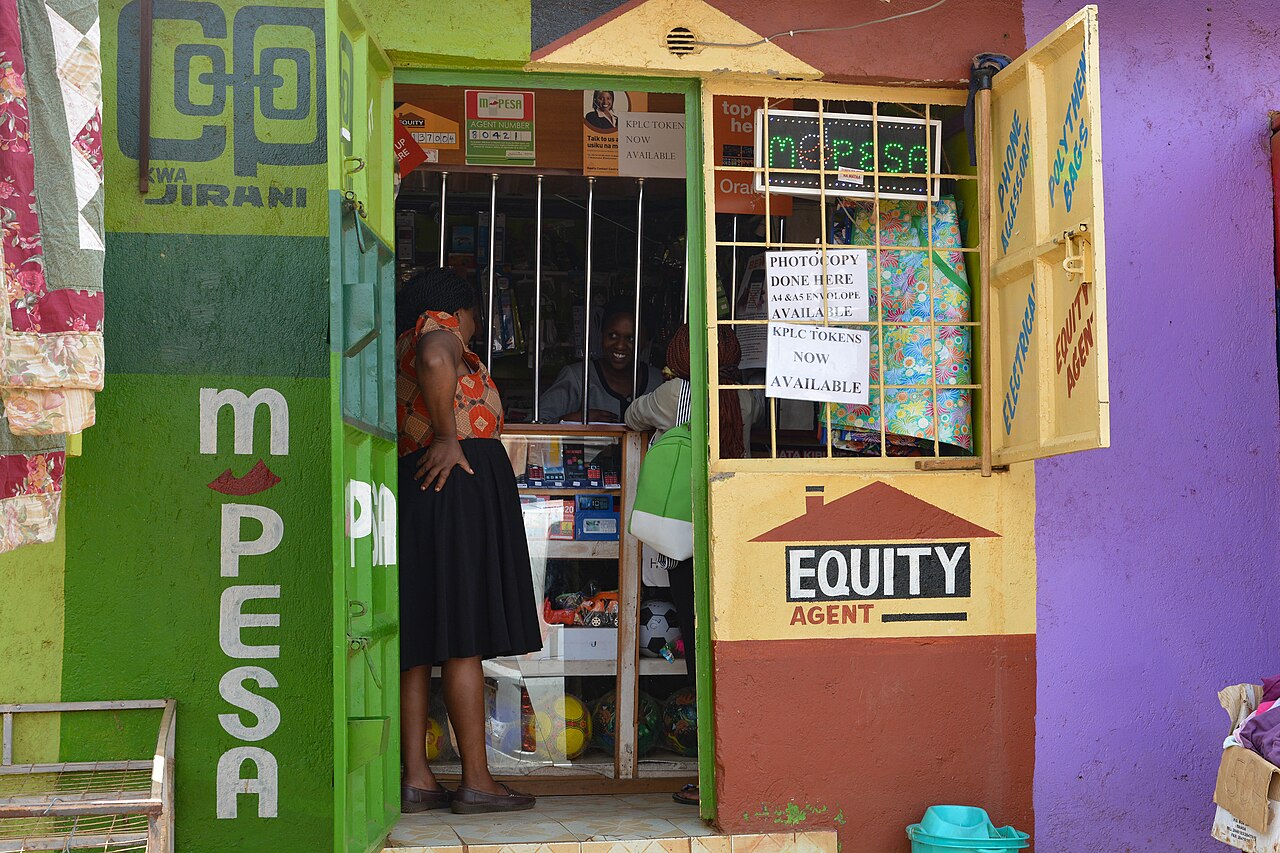
Kenya Finance Bill 2026 Mobile Money VAT: How the 16% Tax on M-Pesa, Airtel Money and Pesapal Will Hit Consumers and the Diaspora
The National Treasury wants to apply 16% Value Added Tax to fees charged by M-Pesa, Airtel Money, Pesapal, Kenswitch and dozens of other payment platforms. Although the levy targets platform operators, industry watchers expect higher costs to filter down to consumers, including diaspora Kenyans who send money home.

Kenya Power Tariffs 2026: The April Adjustment, the July Reset, and What Diaspora-Funded Households Will Pay
EPRA pushed up Kenya Power tariffs in April 2026 by adding about KSh4.70 per unit before taxes, and a new three-year base tariff takes effect from July 2026. The change reshapes the monthly electricity bill for diaspora-funded households and rentals.
KCSE 2025 Results and the 2026 KUCCPS Placement Cycle: A Diaspora Family Guide
Education CS Julius Ogamba released the 2025 KCSE results on 9 January 2026 at AIC Chebisaas in Eldoret. With 993,000 candidates, 27.18 per cent at C+ and above, and the 2026 KUCCPS portal opening, diaspora families need a clear map of placement, fees, and HELB.
Kenya's 2026 Eurobond Strategy: How the New $2.25 Billion Issue, the Buybacks, and the IMF Successor Programme Affect Diaspora Investors
Kenya re-entered international capital markets in February 2026 with a $2.25 billion dual-tranche Eurobond, then used the proceeds to buy back high-coupon 2028 and 2032 paper. The exercise, the next IMF programme, and the KSh12.4 trillion debt stack are now reshaping the macro picture for diaspora investors.
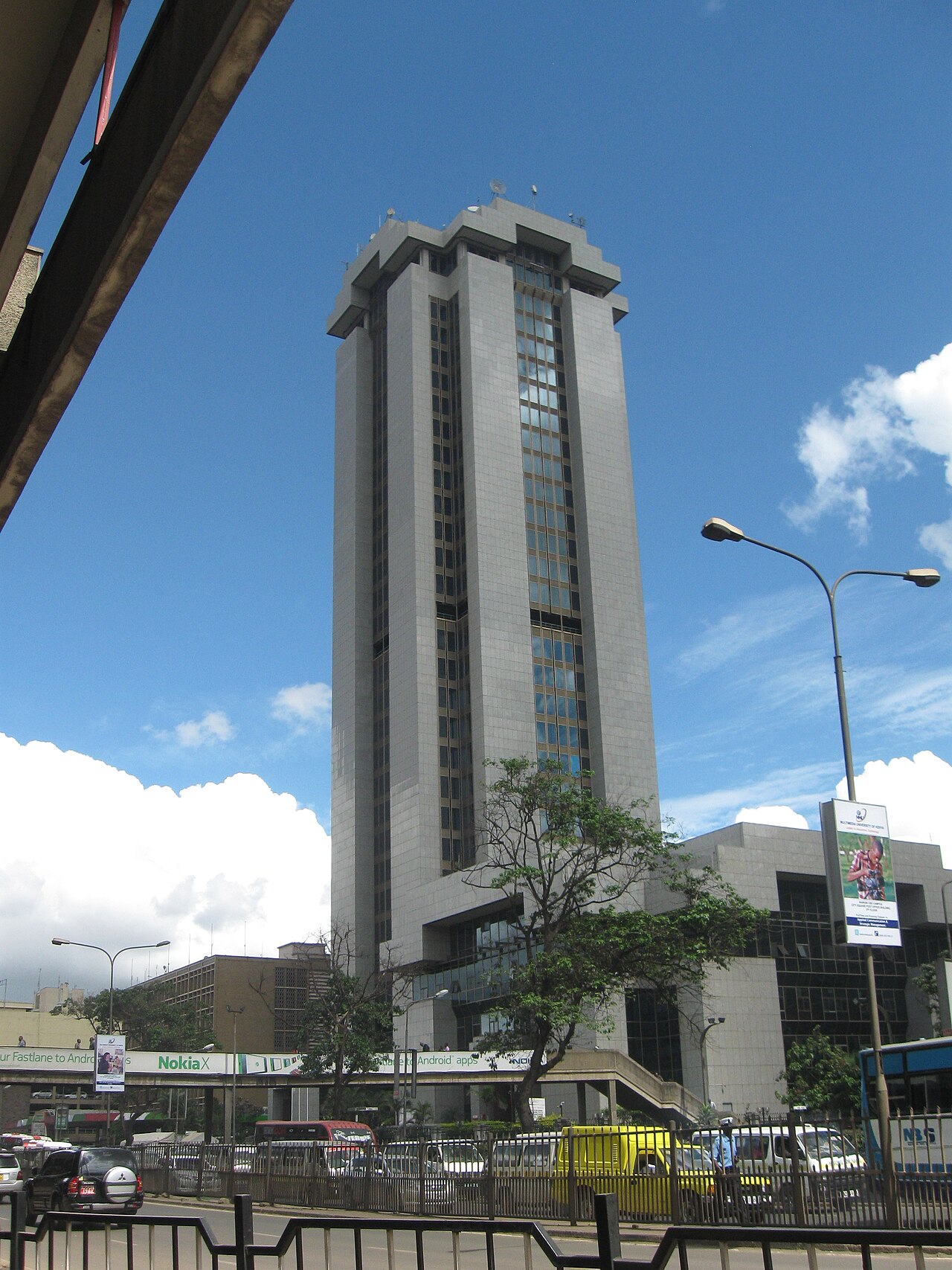
KRA in 2025/26: The KSh2.97 Trillion Target, eTIMS Enforcement, and What It All Means for Diaspora Kenyans
By March 2026, KRA had collected KSh2.038 trillion at a 96.1% performance rate against target and a 11.4% year-on-year growth. The full-year target sits at KSh2.97 trillion. The eTIMS rollout, the Significant Economic Presence tax, and tougher non-resident rules reshape compliance for diaspora Kenyans.