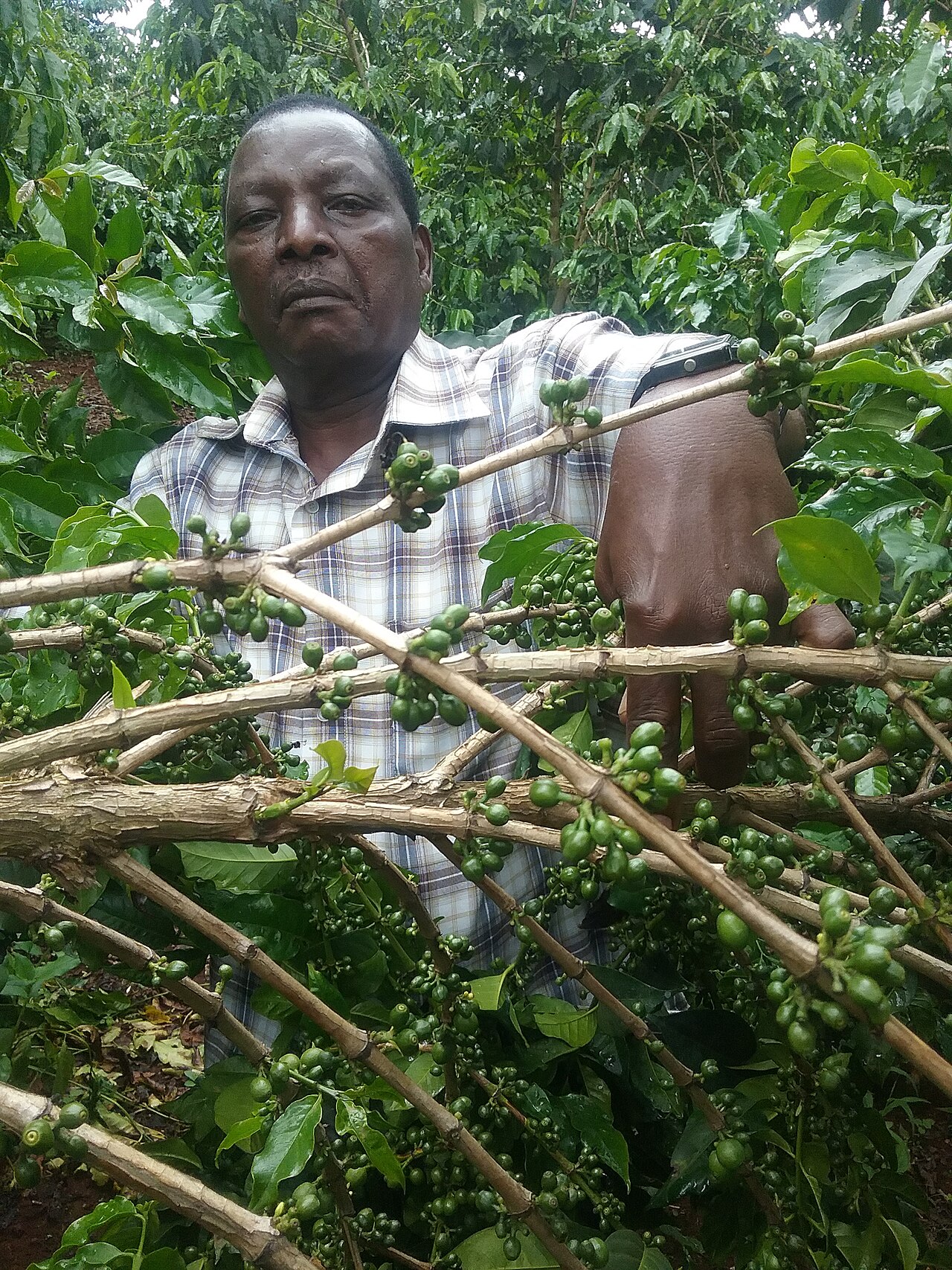
The Luhya Community of Kenya: 17 Sub-Communities of Western Kenya, Bantu Heritage, the Funeral Traditions and Contemporary Identity
The Luhya Community of Kenya: 17 Sub-Communities of Western Kenya, Bantu Heritage, the Funeral Traditions and Contemporary Identity
The Luhya (Abaluhya or Abaluyia in their own language) are the second-largest ethnic community in Kenya with approximately 6.8 million people (14.3 per cent of the national population) per the 2019 Kenya Population and Housing Census. The community is concentrated in western Kenya in the counties of Kakamega (the largest Luhya county), Bungoma, Busia, Vihiga, and parts of Trans Nzoia, with substantial diaspora communities across Nairobi, the broader Kenyan urban centres, and the international Kenyan diaspora particularly in the UK and US. The Luhya are not a single homogeneous community but rather a cluster of 17 related Bantu-speaking sub-communities — the principal sub-groups are the Bukusu (the largest Luhya sub-community), the Maragoli, the Idakho, the Isukha, the Tiriki, the Tachoni, the Banyala, the Khayo, the Marachi, the Samia, the Wanga, the Kabras, the Marama, the Tsotso, the Nyore, the Banyore, and the Hayo (also called Abaluyia of Uganda where some sub-communities span the international border). Each sub-community has its own distinct language variant within the broader mutually-intelligible Luhya language cluster, its own cultural traditions, and its own historical narrative. The community is renowned for its substantial cultural contribution to Kenyan music, the distinctive funeral traditions that are central to Luhya cultural identity, the substantial agricultural economy of western Kenya, and the broader contemporary contribution to Kenyan national life. This guide walks through the Luhya history, the 17 sub-communities, the language and cultural traditions, the funeral and lifecycle ceremonies, the contemporary economy, and the broader place of the Luhya in Kenyan society.
Origins and Migration
The Luhya are part of the broader Bantu migration into East Africa over the past two millennia. The Luhya-specific migration arrived in western Kenya progressively over the past 500-800 years, with the broader Luhya population establishing the contemporary settlement pattern through interaction with the earlier inhabitants and the subsequent Luo and Kalenjin migrations into the broader region. The 17 sub-communities reflect the historical migration patterns, the geographic settlement variations, and the broader cultural differentiation over centuries of settled life in the western Kenya region.
The 17 Sub-Communities
The principal Luhya sub-communities each have distinctive characteristics. The Bukusu (concentrated in Bungoma) are the largest sub-community, with substantial cultural traditions including the elaborate circumcision ceremonies that are central to Bukusu cultural identity. The Maragoli (concentrated in Vihiga) are known for substantial Christian missionary influence and the historical concentration of professional emigration. The Idakho, Isukha, and Tiriki (Kakamega area) have distinct cultural traditions and the broader Kakamega cultural heritage. The Wanga (Mumias area) are historically associated with the Wanga kingdom, the most centralised pre-colonial political structure in Luhya territory. The Samia (Busia border area) span the Kenya-Uganda border. Each sub-community has documented sub-cultural distinctiveness while sharing the broader Luhya identity and the mutually intelligible language cluster.
The Bukusu Circumcision Ceremonies
The Bukusu circumcision ceremonies (sikhebo) are one of the most documented Luhya cultural practices. The ceremonies — held every two years in even-numbered years across the Bukusu communities — mark the transition of teenage boys to adult community status. The ceremonies involve substantial cultural ritual including the preparation period, the public circumcision day (with the broader community gathering, music, dance, and the broader ceremonial framework), and the post-ceremony seclusion-and-instruction period. The ceremonies are central to Bukusu cultural identity and have been documented in substantial anthropological and academic literature.
The Maragoli Heritage
The Maragoli sub-community (concentrated in Vihiga) has substantial historical association with the early Christian missionary education and the broader professional emigration to Kenyan urban centres and the international diaspora. The Maragoli traditions include the broader cultural heritage shared across Luhya sub-communities alongside distinctive Maragoli-specific traditions.
Language and Literature
The Luhya languages (Luluhya, the broader language family with the 17 sub-language variants) are Bantu languages with substantial mutual intelligibility across the sub-communities. The community produces substantial Luhya-language broadcasting including Mulembe FM, Mulembe TV, and broader Luhya-language media. Literature includes the academic scholarship of Vincent Simiyu and the broader Luhya studies tradition, the broader Bantu-language literature, and the contemporary creative writing in English and Kiswahili by Luhya-origin Kenyan writers.
The Funeral Traditions
Luhya funeral traditions are among the most elaborate and culturally central in Kenyan society. The funeral involves substantial extended-family obligation, with funerals typically extending several days from death through the burial day, with substantial community gathering, the broader ceremonial framework, and the subsequent commemoration cycle. The funeral body-repatriation practice for diaspora deaths is one of the most cherished community obligations — Luhya families routinely organise repatriation of relatives' bodies from the UK, US, and other international destinations for burial in the home village in western Kenya. The funeral feast traditions, the burial-day ceremonies, and the broader funeral cultural infrastructure are central to community life.
Music and Cultural Heritage
Luhya music has produced some of Kenya's most distinctive popular music genres. The Isukuti dance and music tradition — performed at Bukusu and broader Luhya ceremonies — features the distinctive drum-and-rattle ensemble that is one of the most recognised African musical traditions. The omutibo guitar music tradition of the western Kenya area, the rhumba-influenced popular music that emerged from Luhya musicians in the 1960s-70s, and the contemporary Luhya popular music continue to contribute to Kenyan musical heritage. The Isukuti recording from western Kenya was inscribed in 2014 on the UNESCO Representative List of the Intangible Cultural Heritage of Humanity, recognising the international cultural significance.
Contemporary Economy
The Luhya community's economy combines the substantial smallholder agriculture of western Kenya (maize, beans, sweet potato, banana, tea in selected areas, sugar cane particularly in Mumias-Bungoma, and the broader smallholder crop mix), the dairy and livestock keeping, the substantial gold mining at the small-scale level in Kakamega (the Kakamega gold belt has been a meaningful informal-mining sector for generations), the broader rural economy, and the substantial urban professional and commercial activity in Kakamega, Bungoma, Busia, Vihiga and the broader western Kenya urban centres. The Luhya diaspora — particularly in the UK, US, and broader international — contributes substantial remittances back to the community.
The Bigger Picture
The Luhya community combines substantial demographic weight (second-largest Kenyan community), rich cultural heritage across the 17 sub-communities, the distinctive funeral and ceremonial traditions, the substantial contribution to Kenyan music and the broader cultural heritage, and the substantial contemporary economic role in western Kenya. For Kenyans within the Luhya community, for the broader Kenyan audience, and for international observers, understanding the Luhya experience and the broader 17-sub-community heritage is an important element of understanding modern Kenyan society.
The National Museums of Kenya hosts ethnographic collections relevant to Luhya cultural heritage. The academic Luhya studies literature provides comprehensive scholarly background.
More Articles

The Multiparty Era Reforms: Saba Saba, the Repeal of Section 2A and Kenya's Return to Political Pluralism
Jul 02, 2026

Eye Care in Kenya: Cataract, Trachoma and the Long Road to Universal Vision Health
Jul 02, 2026

Shaba National Reserve: Joy Adamson's Last Wilderness and Isiolo's Semi-Desert Safari Gem
Jul 02, 2026

The Rendille People of Northern Kenya: Camel Pastoralism, Clan Traditions and a Culture Under Pressure
Jul 02, 2026

Ukulima Sacco: From Ministry of Agriculture Staff Society to a National Cooperative Open to All Kenyans
Jul 02, 2026