Kenyan Diaspora and Matatu Business: Investing in Kenya's Public Transport Sector
Matatus: Kenya's Iconic and Profitable Transport Business
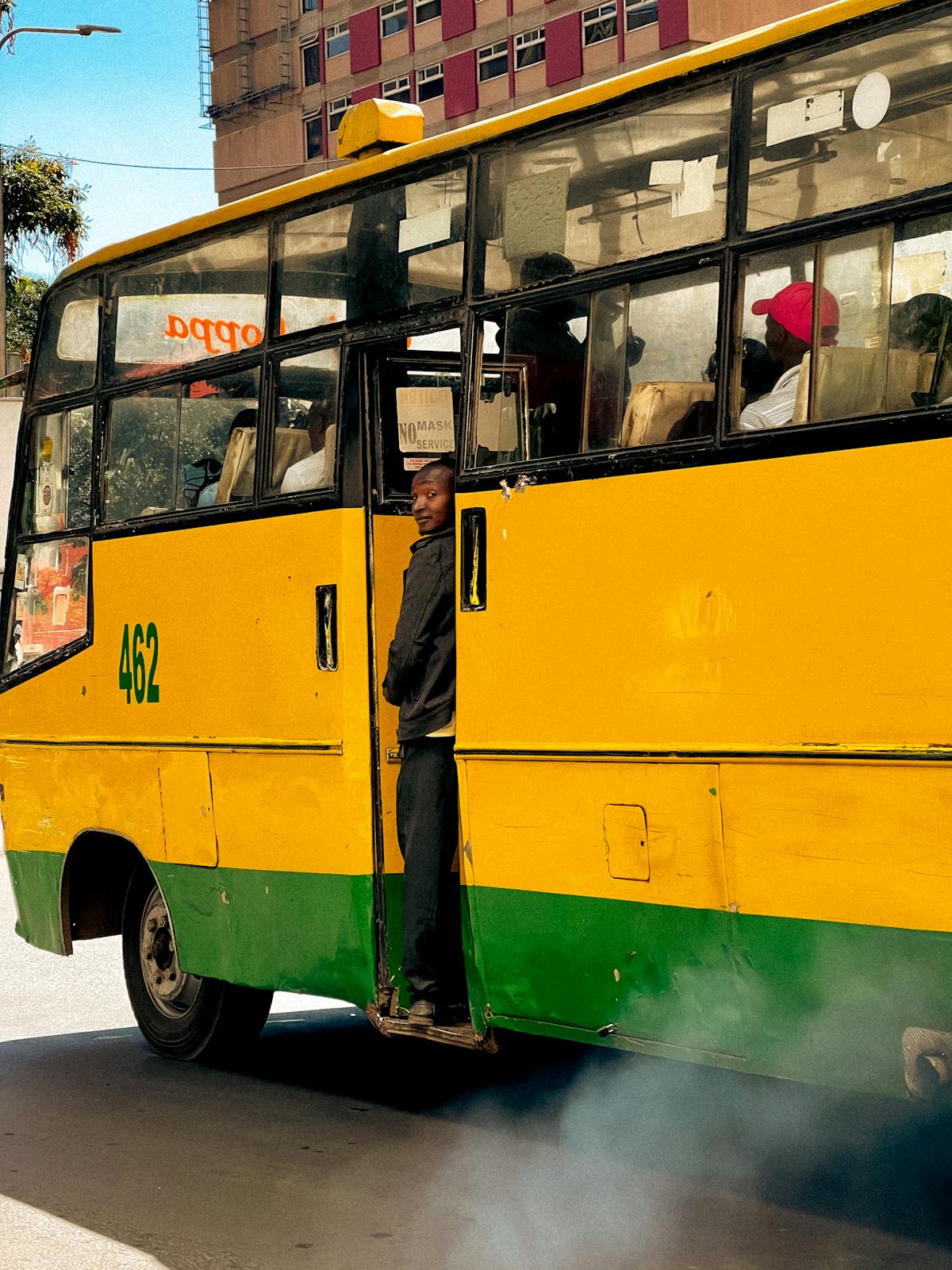
Matatus — Kenya's colourful minibuses and buses — are the backbone of the country's public transport system, carrying millions of passengers daily. Despite the challenges of regulation and competition, the matatu industry remains one of the most profitable business ventures in Kenya, offering diaspora investors steady cash flow and significant returns.
Understanding the Matatu Industry
Kenya's public transport system is predominantly privately operated through matatus. The industry operates on designated routes regulated by NTSA. Saccos (Savings and Credit Cooperatives) and transport companies manage route operations and vehicle compliance. Major routes in Nairobi, Mombasa, and intercity corridors generate significant daily revenue. The industry has evolved from the informal sector to increasingly regulated operations with digital payment systems. Matatu culture, including elaborate graffiti art and sound systems, has become an iconic part of Kenyan urban culture.
Investment Models
Several approaches allow diaspora investment in the matatu sector. Purchasing a vehicle and registering it with an existing Sacco on a profitable route. Buying multiple vehicles to build a fleet, spreading risk across different routes. Investing in a transport Sacco as a member or shareholder. Starting a new Sacco or transport company on underserved routes. Purchasing larger buses for long-distance and intercity routes. Investing in shuttle services targeting corporate employees and school transport. The choice depends on available capital, risk appetite, and management capability.
Costs and Revenue Expectations
Understanding the economics helps set realistic expectations. A new 14-seater matatu costs approximately Ksh 2-3 million, while a 33-seater costs Ksh 4-7 million. Monthly revenue per vehicle varies significantly by route but typically ranges from Ksh 100,000-300,000 gross. Operating costs include fuel, driver and conductor salaries, insurance, Sacco fees, maintenance, and NTSA compliance. Net monthly profit per vehicle typically ranges from Ksh 30,000-100,000 depending on route and management efficiency. Return on investment typically takes 2-4 years for well-managed vehicles on profitable routes. Fleet ownership improves margins through economies of scale in maintenance and management.
Regulatory Requirements
Matatu operations must comply with extensive regulations. NTSA Public Service Vehicle licence for each vehicle. Registration with a licensed Sacco or transport company operating on your chosen route. Comprehensive motor vehicle insurance covering third-party liability and passenger risk. Speed governor installation and certification. Regular vehicle inspection and roadworthiness certification. Driver and conductor licensing and training compliance. Digital fare collection system integration on applicable routes. County-specific operational permits for urban routes.
Managing Matatu Business from Abroad
Remote management of matatu operations requires trust and systems. Engage a reliable operations manager who oversees daily vehicle deployment and crew management. Install GPS tracking systems monitoring vehicle location, speed, and route adherence. Digital fare collection systems like Little or cashless payment provide transparent revenue tracking. Daily revenue reporting through mobile systems keeps you informed. Regular vehicle maintenance schedules prevent breakdowns and extend vehicle lifespan. Building relationships with your Sacco leadership ensures route protection and operational support.
Huduma Global's Transport Business Support
Setting up a matatu business involves NTSA registration, Sacco membership, insurance, and ongoing compliance management. Huduma Global assists diaspora investors with vehicle registration, NTSA licensing, Sacco liaison, and administrative compliance. We help you navigate the matatu industry's regulatory requirements efficiently while you manage your transport investment from abroad.
Useful Resources and References
For more information on topics covered in this article, visit these authoritative sources:
- NTSA – National Transport and Safety Authority
- eCitizen Portal – Apply for driving license online
- KRA – Vehicle import duty calculator
- KMA – Kenya Maritime Authority
Need help with any of these services? Huduma Global is your trusted diaspora concierge service in Kenya. Explore our services or contact us today.
More Articles

The Multiparty Era Reforms: Saba Saba, the Repeal of Section 2A and Kenya's Return to Political Pluralism
Jul 02, 2026

Eye Care in Kenya: Cataract, Trachoma and the Long Road to Universal Vision Health
Jul 02, 2026

Shaba National Reserve: Joy Adamson's Last Wilderness and Isiolo's Semi-Desert Safari Gem
Jul 02, 2026

The Rendille People of Northern Kenya: Camel Pastoralism, Clan Traditions and a Culture Under Pressure
Jul 02, 2026

Ukulima Sacco: From Ministry of Agriculture Staff Society to a National Cooperative Open to All Kenyans
Jul 02, 2026