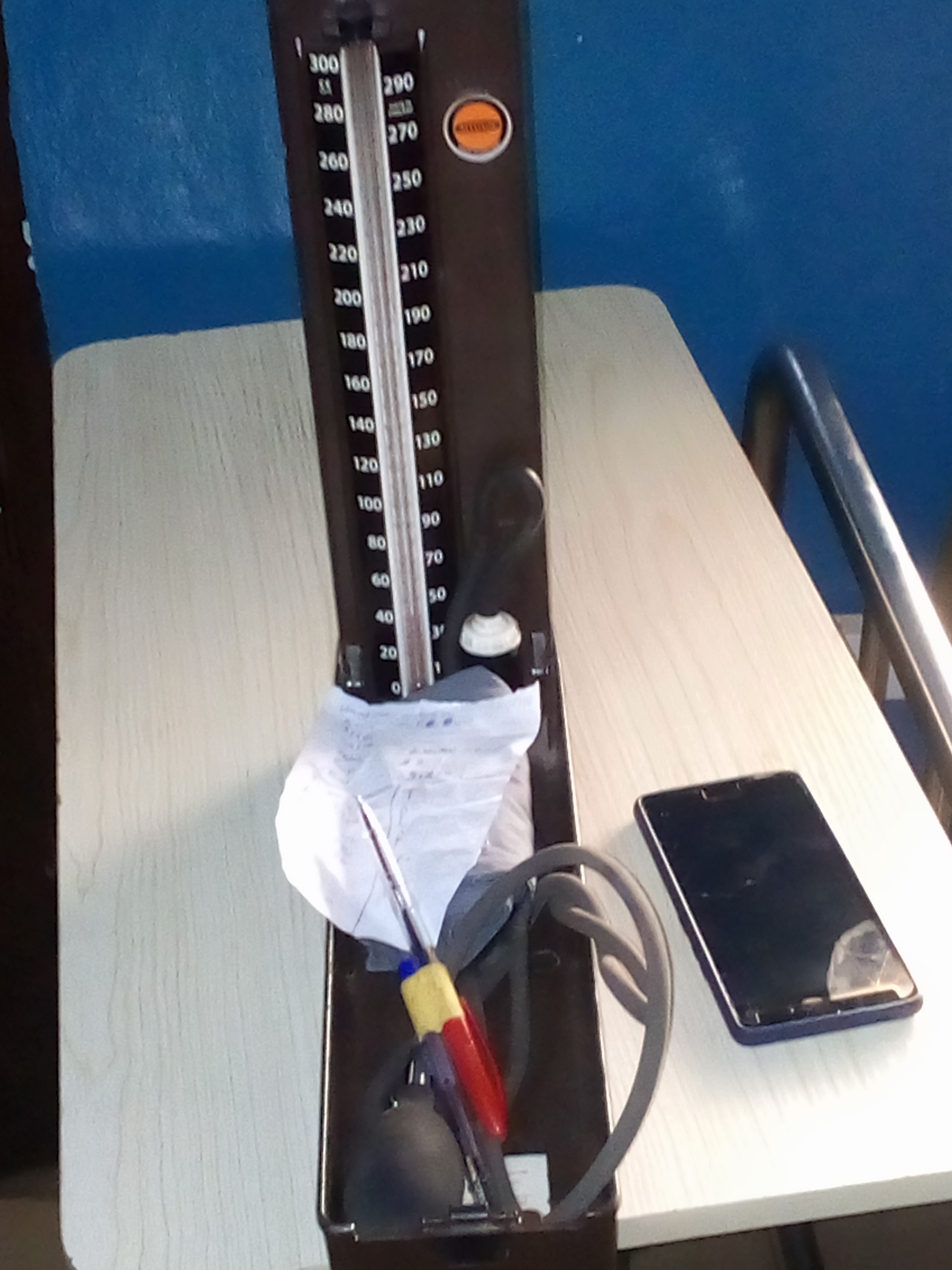
Hypertension in Kenya: Burden, Diagnosis, Treatment Pathways and the Road to Population-Wide Blood Pressure Control
Hypertension in Kenya: Disease Burden, Diagnosis, Treatment Pathways and the Long Road to Population-Wide Blood Pressure Control
Hypertension, the chronic elevation of arterial blood pressure above 140/90 mmHg, has emerged as the single most consequential non-communicable disease facing the Kenyan health system. Unlike acute infections that announce themselves with fever and pain, hypertension is largely silent until it has already damaged the heart, kidneys, brain or eyes. The Ministry of Health, regional county departments, county referral hospitals and a network of community health promoters now confront a population in which roughly one in four adults carries elevated blood pressure, the vast majority undiagnosed and untreated.
The Scale of the Problem
The most authoritative national estimate of hypertension prevalence in Kenya comes from the Kenya STEPwise Survey for Non-Communicable Disease Risk Factors, conducted by the Ministry of Health, the Kenya National Bureau of Statistics and the World Health Organization. The survey, a household-based cross-sectional sample of adults aged 18 to 69 years, established that 24 percent of Kenyan adults had hypertension, with substantially higher prevalence in older age bands. Subsequent re-analyses placed overall adult prevalence closer to 28 percent, with prevalence rising from under 18 percent among 18 to 29 year olds to over 58 percent among adults aged 60 to 69. Importantly, the survey demonstrated that around 78 percent of those found to have hypertension were not on any treatment, and among those on treatment, only about 3 percent had achieved adequate blood pressure control. The country thus faces a treatment cascade in which the largest losses occur not in retention but at the very first step: detection.
Hypertension contributes to the broader burden of cardiovascular disease, which the Ministry of Health estimates accounts for roughly 13 percent of total deaths in Kenya. Stroke, ischaemic heart disease, hypertensive heart disease and end-stage kidney disease share a common upstream driver in untreated high blood pressure, and the geographical distribution of these complications tracks closely with the distribution of population density and salt-heavy urban diets. Authoritative information on the national programme response is available on the Ministry of Health website, which carries the Kenya National Strategic Plan for the Prevention and Control of Non-Communicable Diseases.
Risk Factors Driving the Epidemic
The risk factors for hypertension in Kenya mirror the global picture but with several local intensifiers. Excessive sodium intake from refined salt and salt-cured foods, increasing consumption of processed snacks and sugar-sweetened beverages, urban sedentary lifestyles, alcohol and tobacco use, obesity and the universal aging of the population all contribute. Genetic susceptibility plays a role, with research suggesting that populations of African descent develop salt-sensitive hypertension earlier and with greater severity than other groups. The transition from traditional plant-based diets toward energy-dense, ultra-processed foods is now well documented in counties such as Nairobi, Mombasa, Nakuru and Kisumu, and is moving steadily into rural counties as supermarket retail expands.
Diagnosis at the Primary Care Level
Diagnosis in the Kenyan public health system begins at the primary health care level. Under the Kenya Essential Package for Health, blood pressure measurement is supposed to be a routine vital sign taken at every outpatient encounter for adults. In practice, blood pressure cuffs are not universally available at level two and level three facilities, and where present they may be poorly maintained, lack appropriate cuff sizes for obese arms, or be in calibration arrears. The Ministry of Health has issued clinical guidelines for the diagnosis of hypertension that require two elevated readings on separate occasions before a hypertension diagnosis is confirmed, except in cases of severely elevated pressures where treatment must begin immediately. The Community Health Strategy, now anchored in the Primary Health Care Networks rolled out under Kenya's primary health care reforms, has expanded screening into the village through community health promoters trained to use automated digital blood pressure machines.
Treatment Pathways and Drug Access
Treatment of hypertension in Kenya follows a stepped pharmacological approach broadly aligned with the World Health Organization HEARTS technical package. First-line agents include diuretics such as hydrochlorothiazide, calcium channel blockers such as amlodipine and angiotensin-converting enzyme inhibitors such as enalapril, with combination therapy initiated early in patients whose pressures exceed 160/100 mmHg. Second-line and third-line agents are added in a stepwise fashion. The Kenya Essential Medicines List, maintained by the Pharmacy and Poisons Board, includes all the core antihypertensives, and these medicines are supposed to be available free of charge at public level four and level five facilities. In reality, stockouts remain common at peripheral facilities, and many patients purchase their medicines out of pocket from private pharmacies. Branded antihypertensive medications can cost several hundred shillings per month, a sum that drives non-adherence in low-income households.
The Social Health Authority and Coverage
The financial dimension of hypertension management changed with the transition from the National Hospital Insurance Fund to the Social Health Authority and its three funds: the Primary Health Care Fund, the Social Health Insurance Fund and the Emergency, Chronic and Critical Illness Fund. Under the new architecture, outpatient hypertension consultations and medication should be covered under the primary health care benefits package, while complications such as dialysis for end-stage kidney disease fall under the Emergency, Chronic and Critical Illness Fund. The roll-out has been uneven, with credentialing of providers, claims processing and patient awareness all still maturing. Diaspora Kenyans who maintain elderly relatives at home have a strong interest in understanding the new benefits package and ensuring that family members are registered. Information on registration and benefits is published on the Social Health Authority website.
Complications: Stroke, Heart Failure and Kidney Disease
The complications of untreated hypertension drive much of the cardiovascular and renal disease burden in Kenya's national referral hospitals. Stroke admissions at Kenyatta National Hospital, Moi Teaching and Referral Hospital and the major county referral hospitals are heavily dominated by patients with previously undiagnosed or undertreated hypertension. Heart failure, particularly hypertensive heart failure with preserved ejection fraction, fills medical wards in Nairobi, Mombasa, Kisumu, Eldoret and Nakuru. End-stage kidney disease requiring haemodialysis is overwhelmingly driven by hypertension and diabetes acting together, and the cost of dialysis sessions, even with public insurance support, is a major source of catastrophic health expenditure for affected families.
Community and Workplace Screening
Recognising that clinic-based screening will never reach the population fully, the Ministry of Health and partners have invested in workplace and community-based screening. World Hypertension Day events, often coordinated with county health departments and supported by the Kenya Cardiac Society, have screened tens of thousands of Kenyans in public squares, churches, mosques and markets. Faith-based health networks, particularly the Christian Health Association of Kenya and the Supreme Council of Kenya Muslims health desks, are now part of organised hypertension screening days. Workplace wellness programmes in larger employers, including major banks, telecommunications companies and the public service, increasingly include hypertension screening with referral to primary care for treatment initiation.
Lifestyle Interventions and Salt Reduction
Pharmacological treatment alone will not stop the rising burden of hypertension in Kenya. Population-level lifestyle interventions are central to the National Strategic Plan for the Prevention and Control of Non-Communicable Diseases. Salt reduction in particular has been identified as a high-impact, low-cost intervention. The Ministry of Health has supported voluntary salt reduction commitments by major food manufacturers and is engaged in front-of-pack labelling consultations. Sugar-sweetened beverage taxation, tobacco control under the Tobacco Control Act and the National Physical Activity Action Plan all sit alongside salt reduction as parts of a coherent population-level strategy. The Kenya Medical Research Institute is referenced through the KEMRI portal where research outputs are catalogued.
Diaspora Considerations
For the Kenyan diaspora, hypertension is a double concern. First, members of the diaspora themselves face hypertension rates that often exceed those of host populations, reflecting both genetic predisposition and the stresses of migration, shift work and dietary change. Second, diaspora Kenyans are the principal financial backstop for parents and elderly relatives back home, many of whom carry undiagnosed hypertension or hypertensive complications. Diaspora households should consider funding periodic home blood pressure monitoring for elderly relatives, registering them with the Social Health Authority, and ensuring access to medication through reliable pharmacy supply rather than the unreliable peripheral facility supply chain. Telemedicine consultations with Kenyan cardiologists are increasingly available and can reduce the burden of repeat travel to county referral hospitals.
Research and the Path Forward
Kenyan academic medicine has built substantial hypertension research capacity. The University of Nairobi, Moi University, Aga Khan University and the Kenya Medical Research Institute have produced peer-reviewed research on community-based hypertension management, polypill strategies, mobile-phone-based adherence support and the integration of hypertension care into HIV chronic care platforms. The growing literature points to a clear conclusion. Population-wide control of hypertension in Kenya will require the integration of routine screening into all adult encounters with the health system, dependable supply of free first-line antihypertensives at level two through level four facilities, salt reduction at the population level and a strong community health promoter cadre carrying screening and adherence support into the village. The infrastructure exists. The financing architecture under the Social Health Authority is taking shape. What remains is the disciplined, decade-long execution that will turn one in four adults with hypertension into one in four adults with controlled blood pressure.
More Articles

The Multiparty Era Reforms: Saba Saba, the Repeal of Section 2A and Kenya's Return to Political Pluralism
Jul 02, 2026

Eye Care in Kenya: Cataract, Trachoma and the Long Road to Universal Vision Health
Jul 02, 2026

Shaba National Reserve: Joy Adamson's Last Wilderness and Isiolo's Semi-Desert Safari Gem
Jul 02, 2026

The Rendille People of Northern Kenya: Camel Pastoralism, Clan Traditions and a Culture Under Pressure
Jul 02, 2026

Ukulima Sacco: From Ministry of Agriculture Staff Society to a National Cooperative Open to All Kenyans
Jul 02, 2026