Tsavo East and Tsavo West National Parks Explained: Kenya's Largest Wildlife Sanctuary, the Red Elephants of Tsavo and the Mzima Springs
Tsavo East and Tsavo West National Parks Explained: Kenya's Largest Wildlife Sanctuary, the Red Elephants of Tsavo and the Mzima Springs
The Tsavo ecosystem — comprising Tsavo East National Park, Tsavo West National Park, and the surrounding Chyulu Hills National Park together with the South Kitui National Reserve and the Galana Conservancy — covers approximately 22,000 square kilometres and is Kenya's largest single protected area, accounting for roughly 4 per cent of the country's land mass. The two principal Tsavo Parks — Tsavo East (13,747 square kilometres) and Tsavo West (9,065 square kilometres) — are separated administratively by the Nairobi-Mombasa highway (A109) and the parallel Standard Gauge Railway. The Parks together host one of the largest single elephant populations in East Africa (approximately 14,000-15,000 elephants), one of the most extensive savannah ecosystems on the continent, and a network of natural features including the Mzima Springs, the Yatta Plateau (the world's longest lava flow), the Lugard Falls, and the broader landscape of arid savannah, riverine woodland, lava fields, and rocky hills. This guide walks through the Park geographies, the famous Red Elephants of Tsavo, the Mzima Springs, the historical significance of the area (the Man-Eaters of Tsavo and the broader colonial-era and post-independence wildlife history), the conservation challenges, the tourism economy, and the practical considerations for visitors.
Tsavo East National Park
Tsavo East lies east of the Nairobi-Mombasa highway. The Park is the larger of the two at 13,747 square kilometres and features the more open savannah landscape, the Yatta Plateau, the Galana River that traverses the eastern Park, and the Lugard Falls. The northern Tsavo East was historically closed to general visitor access for security reasons but has been progressively opened over the past two decades; the southern section of Tsavo East accessible from Voi has been the principal visitor-receiving area for many years. The Park has been one of the principal sites of Kenyan elephant conservation, with the recovery from the 1970s-80s poaching crisis being particularly visible in Tsavo East elephant numbers.
Tsavo West National Park
Tsavo West lies west of the highway. The Park covers 9,065 square kilometres and features more varied terrain than Tsavo East — the volcanic Chyulu Hills along the western boundary, the Shetani Lava Flow from the relatively recent volcanic activity, the Mzima Springs feeding the Tsavo River, the Roaring Rocks viewpoint, and the broader landscape that includes mountainous terrain, lava fields, and the savannah typical of the broader ecosystem. The Ngulia Rhino Sanctuary within Tsavo West is one of the principal sanctuaries for the critically endangered black rhinoceros in Kenya, with intensive protection and monitoring supporting the recovering rhino population.
The Red Elephants of Tsavo
Tsavo elephants are famous for their distinctive red appearance, the result of the elephants dust-bathing in the Park's red ochre-coloured soil. The behaviour gives the appearance of red-coloured elephants but is purely a soil-coating rather than any pigmentation difference. The Tsavo elephants have been studied by long-running research programmes including the Tsavo Trust, the David Sheldrick Wildlife Trust (which operates the famous Nairobi Elephant Orphanage and the Tsavo East rewilding facilities), and the broader scientific community. The Tsavo population recovery from the historical poaching crisis is one of the principal Kenyan conservation success stories.
Mzima Springs
The Mzima Springs in Tsavo West are one of the most distinctive natural features in the Park. The springs produce approximately 250 million litres of crystal-clear water per day from underground rivers originating in the Chyulu Hills. The springs feed the Tsavo River and provide water to the city of Mombasa through a pipeline system. The springs support a population of hippos and crocodiles visible from the underwater observation chamber that has been installed for visitor viewing. The Mzima Springs are one of the most iconic visitor sites in the Park.
The Man-Eaters of Tsavo
The "Man-Eaters of Tsavo" are the historical story of two lions that in 1898 killed and ate approximately 28-35 railway construction workers during the construction of the Uganda Railway. The lions were eventually killed by Colonel John Henry Patterson, the engineer in charge of the railway construction. Patterson's account, published as "The Man-Eaters of Tsavo and Other East African Adventures" in 1907, has become one of the most famous wildlife stories ever written and has been the subject of several Hollywood films including the 1996 film "The Ghost and the Darkness." The historical site of the man-eating incidents is in the southern Tsavo East area, with the Tsavo bridge over the railway being the principal site of the historical events.
The Broader Wildlife Community
Beyond elephants, the Tsavo Parks support substantial wildlife. Lions and leopards are present in good numbers — Tsavo lions are famous for the lack of the typical mane in adult males, a distinctive characteristic. Cheetahs, hyenas, wild dogs (in limited numbers), buffalo, giraffe, zebra, kudu, oryx, gerenuk (the distinctive long-necked antelope adapted to feeding on tall shrubs while standing on hind legs), lesser kudu, dik-dik, and the broader savannah herbivore community are all present. The bird diversity is exceptional given the size and habitat range of the ecosystem.
Conservation Challenges
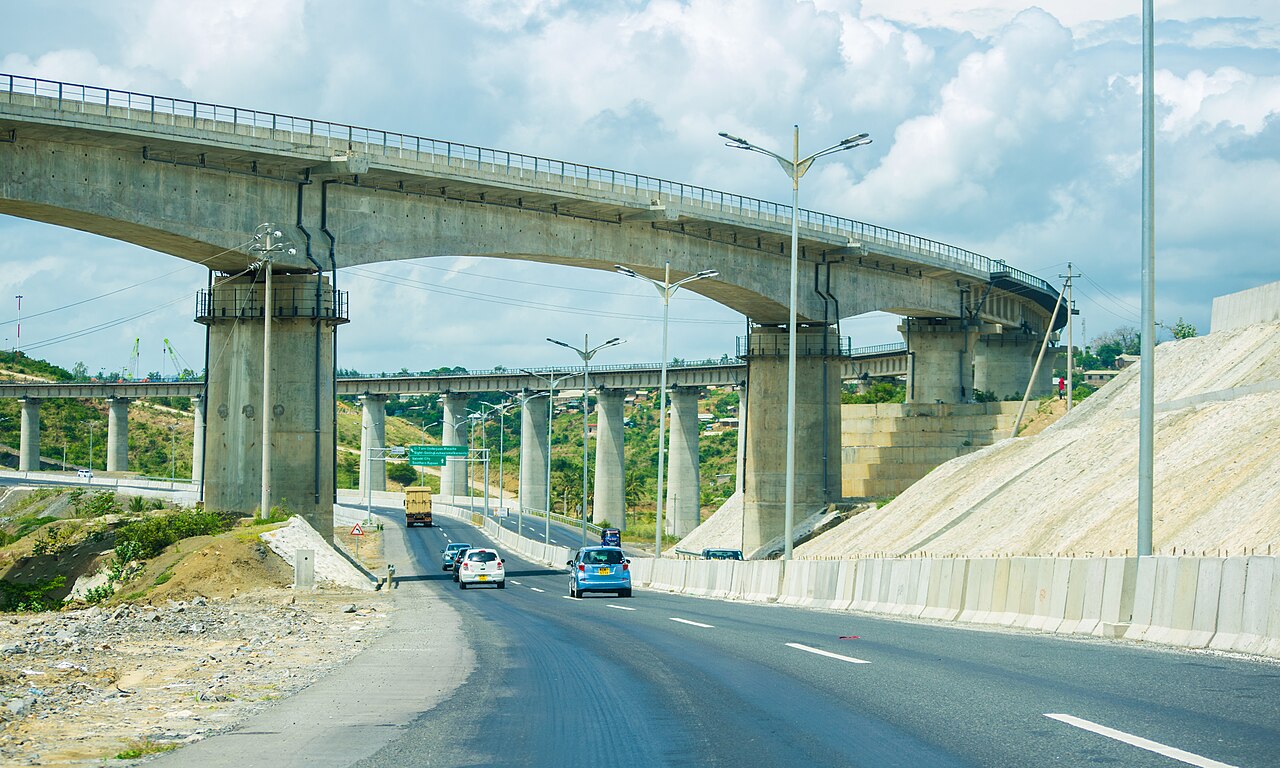
The Tsavo Parks face several conservation challenges. The Nairobi-Mombasa highway and the parallel Standard Gauge Railway between the two Parks fragment the broader ecosystem and require specialised wildlife-crossing infrastructure (including wildlife underpasses and overpasses) to maintain connectivity. The proximity to the densely populated southern Coast and the Eastern Province creates human-wildlife conflict pressures at the Park boundaries. Poaching for ivory, while substantially reduced from the 1970s-80s peaks, remains a sustained pressure requiring continuous anti-poaching effort. Climate change affecting rainfall patterns is producing more frequent droughts that stress the wildlife populations. KWS, the David Sheldrick Wildlife Trust, the Tsavo Trust, the broader conservation NGOs, and the surrounding county governments together address these challenges.
Tourism Economics
Tsavo hosts substantial tourism — accessible from both Nairobi (Tsavo West and the northern Tsavo East) and Mombasa (Tsavo East via the southern gate). The Parks serve both safari travellers in dedicated Tsavo trips and travellers in transit between Nairobi and the coast who use the Parks as a multi-day add-on. Accommodation ranges from budget self-catering bandas at the KWS-managed Park facilities through mid-tier tented camps to luxury lodges. The Tsavo trail systems support both vehicle-based game drives and the broader range of safari experiences.
Visiting Tsavo
Tsavo East is accessible via the Voi Gate from Mombasa-direction travel or via Manyani Gate from the Nairobi direction. Tsavo West is accessible via the Mtito Andei Gate (the principal northern entry) or via Tsavo Gate. KWS publishes the gate fee schedule and the operational information. Best months for visitor experience are the dry seasons (June-October and January-March) when wildlife concentrates around water sources. The long rains (March-May) make many tracks impassable.
The Bigger Picture
The Tsavo ecosystem is one of Kenya's largest natural assets and one of the most consequential conservation landscapes on the continent. The combination of scale (Kenya's largest single protected area), wildlife abundance (one of the largest elephant populations), historical significance (the Man-Eaters legacy and the broader colonial and post-independence history), and contemporary conservation importance makes Tsavo a defining feature of Kenya's natural heritage. For visitors, scientists, conservation professionals, and Kenyans more broadly, Tsavo represents one of the most meaningful engagements with the country's wildlife and landscape.
The Kenya Wildlife Service manages the Parks. The Tsavo Trust and the David Sheldrick Wildlife Trust support the broader conservation work.
More Articles

The Multiparty Era Reforms: Saba Saba, the Repeal of Section 2A and Kenya's Return to Political Pluralism
Jul 02, 2026

Eye Care in Kenya: Cataract, Trachoma and the Long Road to Universal Vision Health
Jul 02, 2026

Shaba National Reserve: Joy Adamson's Last Wilderness and Isiolo's Semi-Desert Safari Gem
Jul 02, 2026

The Rendille People of Northern Kenya: Camel Pastoralism, Clan Traditions and a Culture Under Pressure
Jul 02, 2026

Ukulima Sacco: From Ministry of Agriculture Staff Society to a National Cooperative Open to All Kenyans
Jul 02, 2026