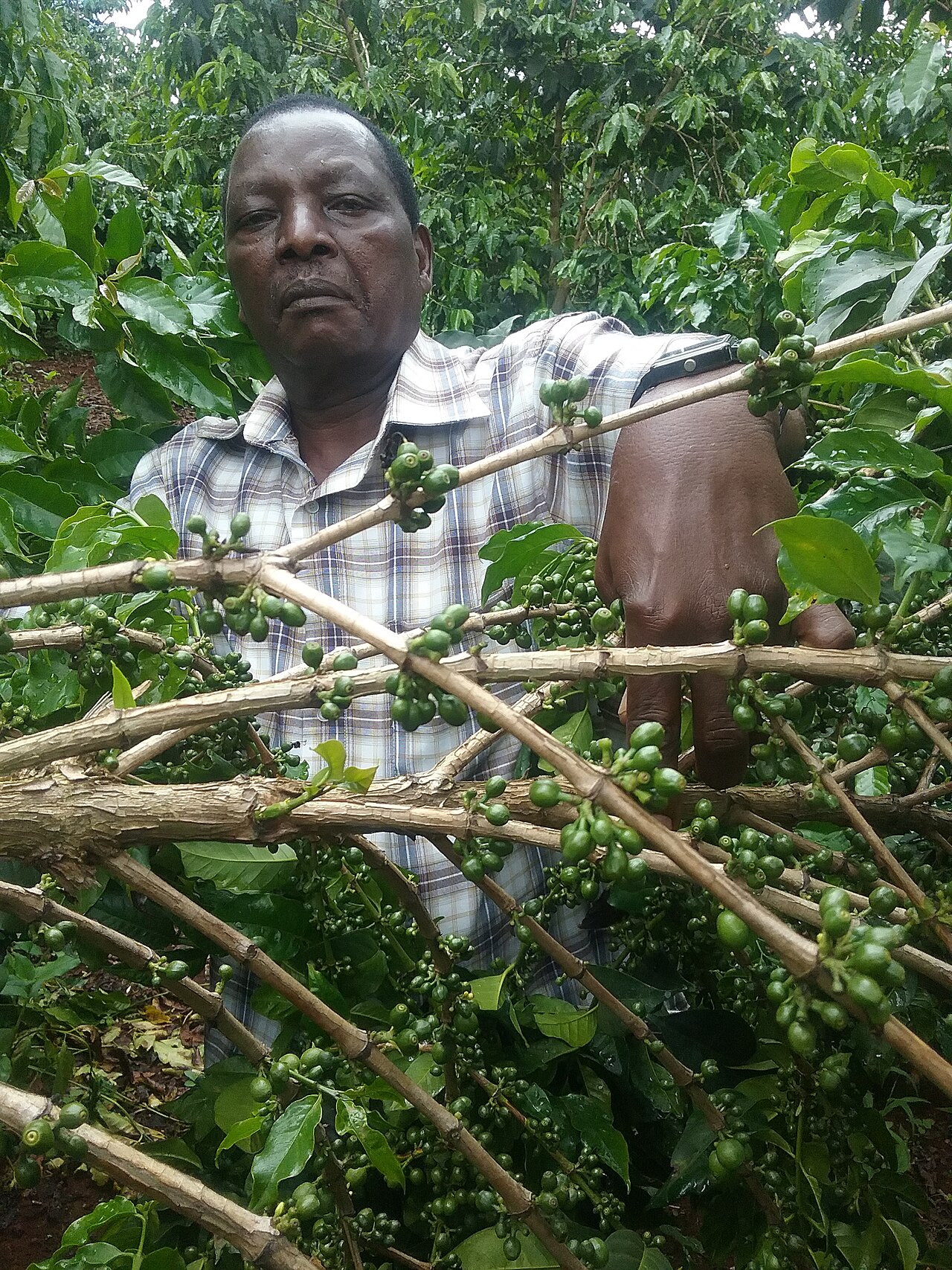
Commercial Indigenous (Kienyeji) Chicken Farming in Kenya: KALRO Improved Breeds, KARI Improved, Free-Range Systems and the Real Premium-Market Economics
Kenya's indigenous (kienyeji) chicken commands premium pricing of KSh 600-1,200 per dressed bird and KSh 20-30 per egg. A deep guide to KALRO Improved Kienyeji, free-range systems and the real economics.
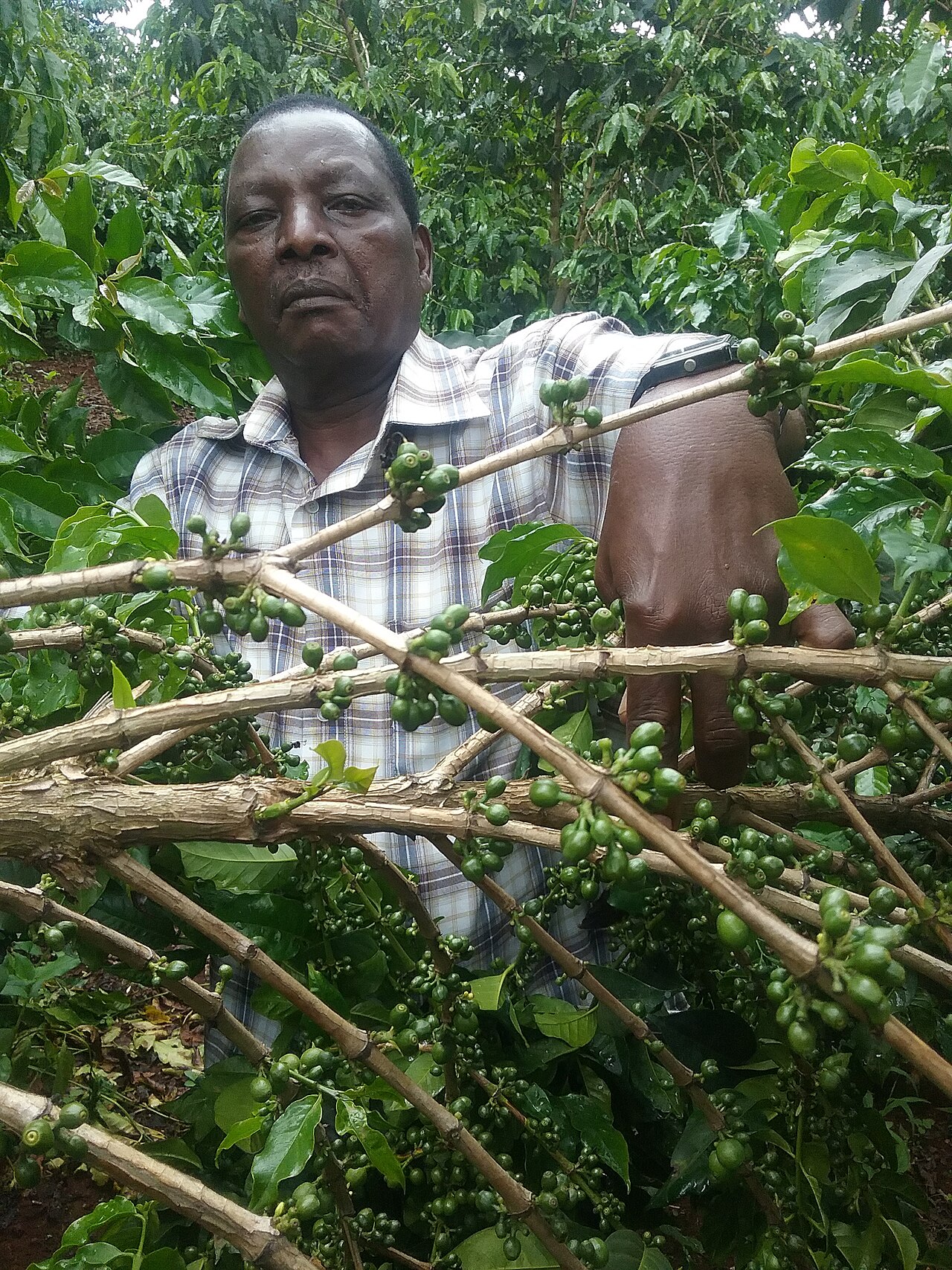
Commercial Watermelon Farming in Kenya: Sukari F1, Sugar Baby and Charleston Gray Varieties, Hot-Climate Production and the Real Returns Per Acre
Kenyan watermelon farms produce 25-40 tonnes per acre in hot-climate production zones. A deep guide to Sukari F1, Sugar Baby and Charleston Gray varieties, agronomy, and the real economics.
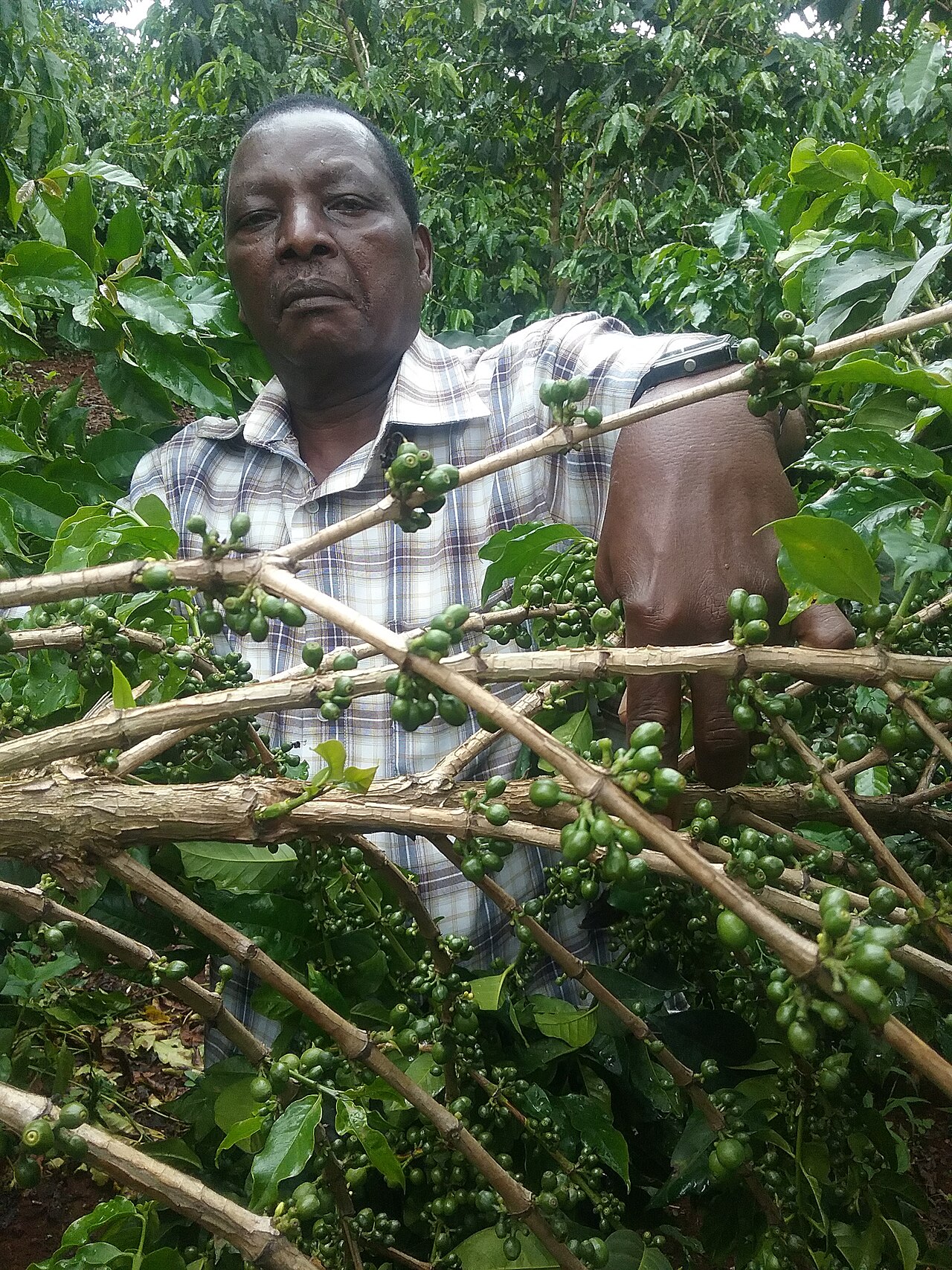
Commercial Cabbage Farming in Kenya: Gloria F1, Pruktor F1 and Copenhagen Varieties, Highland Production Zones and the Real Path to KSh 300,000-700,000 Per Acre Returns
Kenyan cabbage farms produce 30-40 tonnes per acre with returns of KSh 300,000-700,000. A deep guide to F1 hybrid varieties, highland production zones, disease management and the market routes.
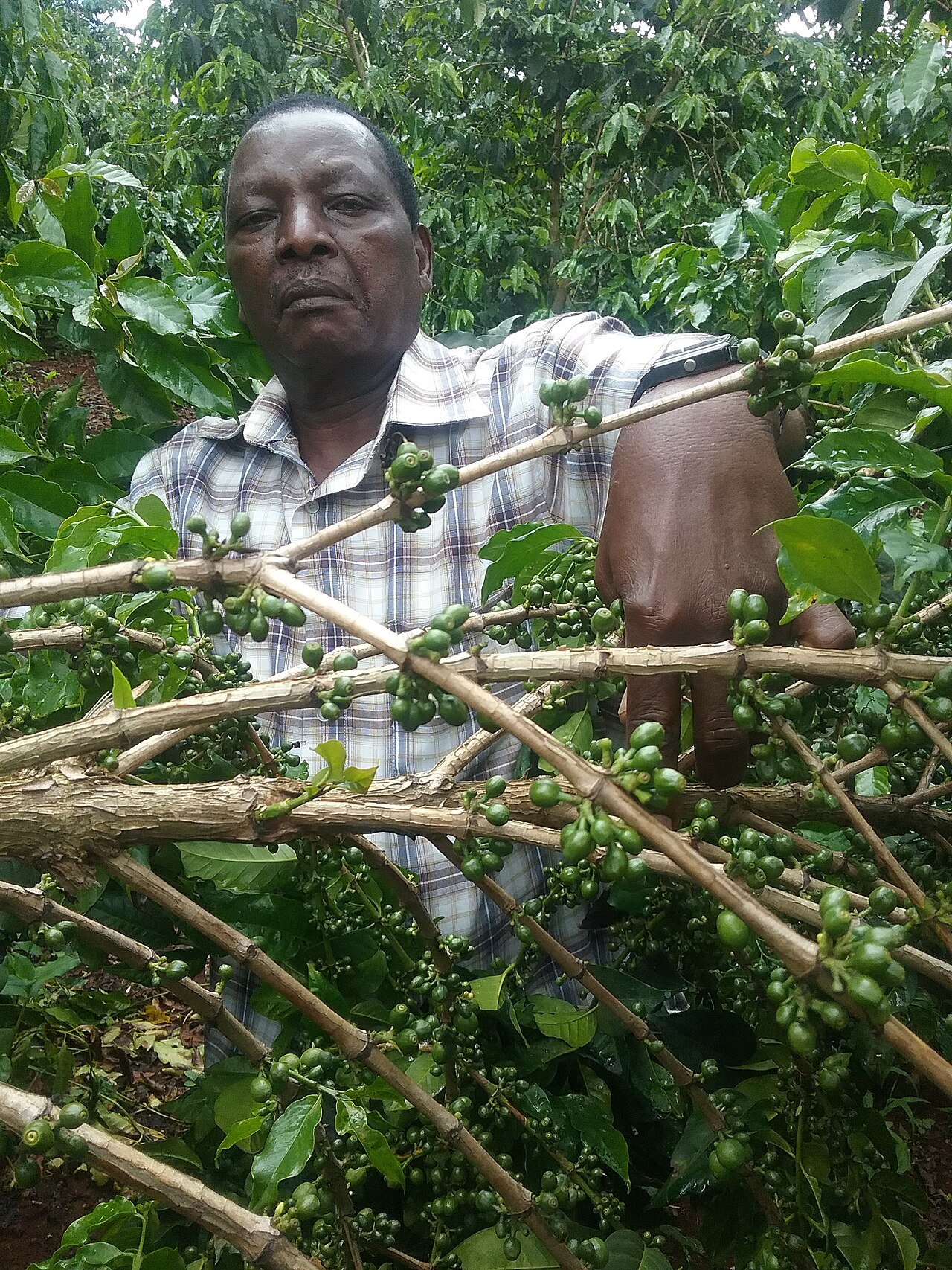
Commercial Sweet Potato Farming in Kenya: Orange Flesh, Vita and Kabode Varieties, Vine Multiplication and the Real Economics from Smallholder to Commercial Scale
Orange-Fleshed Sweet Potato delivers 10-15 tonnes per acre with strong nutritional positioning. A deep guide to vine multiplication, varieties, agronomy, market and the real economics.
IEBC Reconstitution in Kenya 2026: The New Chairperson, the Seven-Member Commission and the Road to the 2027 General Election
Kenya's Independent Electoral and Boundaries Commission returned to full strength in 2025-26 after three years of vacancies that had blocked by-elections, boundary delimitation and 2027 preparations. The new seven-member team under Erastus Ethekon faces a tight calendar and several constitutional pressure points.
KRA Tax Amnesty 2026 in Kenya: How the December Deadline Works, What Penalties Are Waived and How to Apply on iTax
The Finance Bill 2026 extended Kenya's tax amnesty to 31 December 2026. Penalties and interest accumulated up to 31 December 2025 are waived in full once the principal tax is paid. This article explains who qualifies, how to apply on iTax, and the trade-offs for diaspora landlords and SMEs.
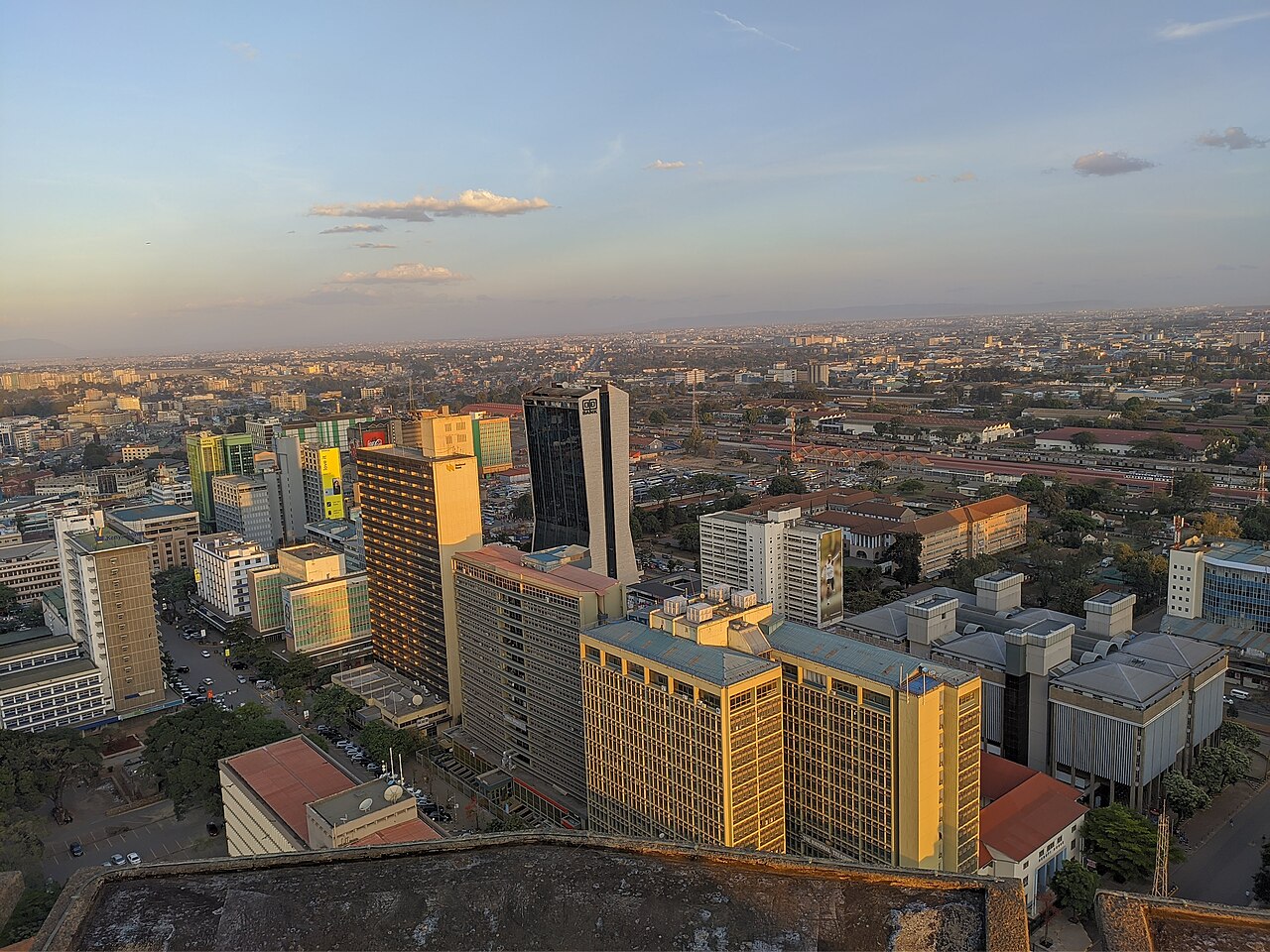
Land Rates Under the National Rating Act in Kenya 2026: Nairobi's New Structure, County Compliance and What Property Owners Must Pay
The National Rating Act, 2024 took effect on 24 December 2024 and gives the 47 county governments a 24-month window to align their local rating laws. Nairobi began enforcing new land rate charges and penalties from 1 January 2026 after the waiver period expired. This article explains the new framework, the bands, the dispute mechanism and what property owners need to do.
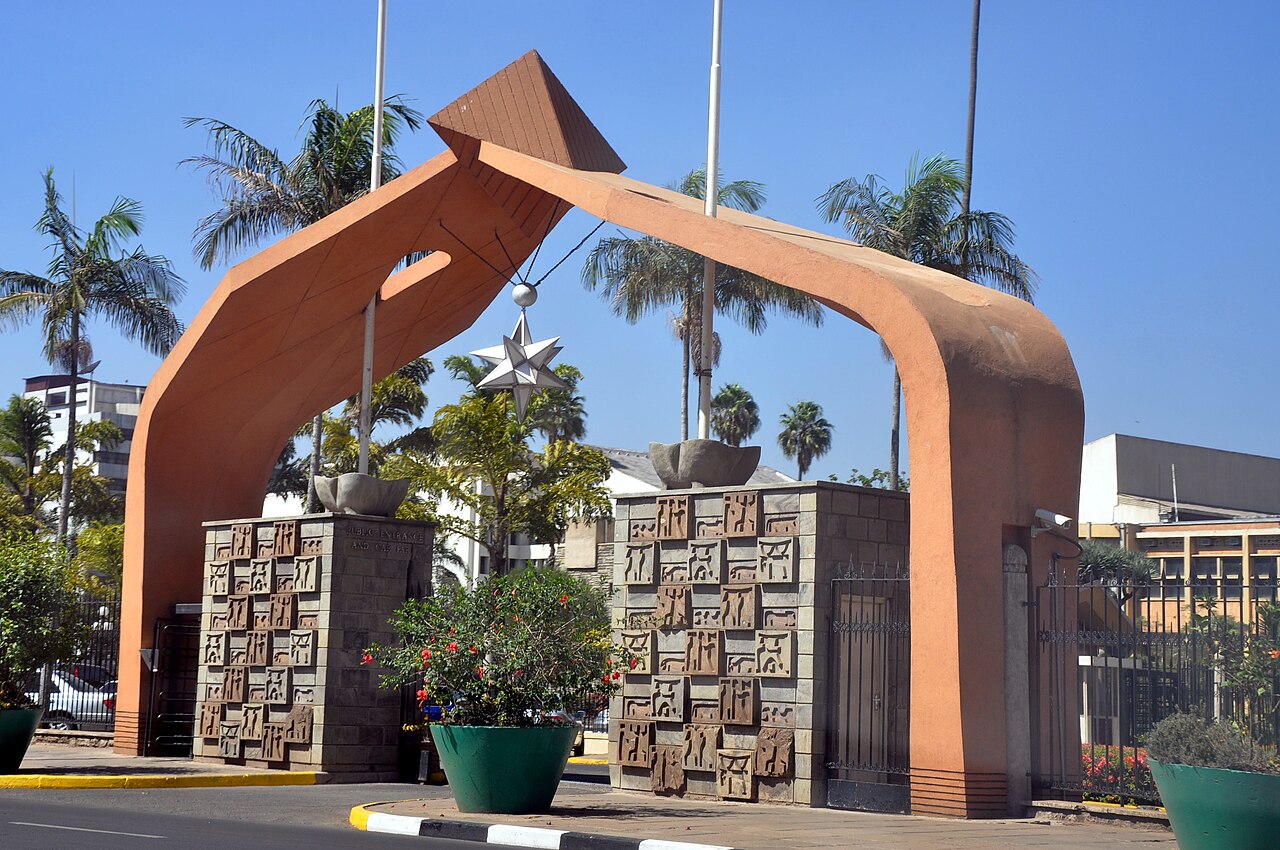
Salaries and Remuneration Commission Pay Review 2026: The Fourth Cycle, the New Civil Service Increase and the Wage Bill Dilemma
The fourth four-year remuneration and benefits review cycle of the Salaries and Remuneration Commission is now in implementation, with a Sh2 billion increase in civil service basic pay and leave allowance approved for 2025/26. The Commission has also rejected Sh3.7 billion of additional pay demands as part of a wider strategy to slow the Sh1.1 trillion public wage bill.

Kenya's Eurobond 2027 Pay-Down in 2026: The Sh64.5 Billion Buyback, the New $1.5 Billion Issue and What It Means for the Shilling
After the painful 2024 rollover of the 2024 Eurobond, Kenya entered 2026 with a more proactive debt-management posture. A Sh64.5 billion buyback in February 2026 followed earlier work that retired $579 million of the 2027 note in 2025. The strategy is reshaping the country's external-debt redemption profile and, indirectly, the shilling.