
How to Write a Valid Will in Kenya: A Step-by-Step Guide to Section 11 of the Law of Succession Act, Witnesses, Executors and Common Drafting Mistakes
A valid Kenyan will must satisfy Section 11 of the Law of Succession Act — testator capacity, signature, two competent witnesses. A step-by-step drafting guide and common mistakes.

How to Apply for a Water Permit in Kenya: The WRA Framework for Borehole, Surface and Effluent Authorisations Under the Water Act, 2016
Every borehole and major water abstraction in Kenya requires a WRA permit under the Water Act, 2016. A complete guide to Categories A-D, application process, fees and ongoing compliance.
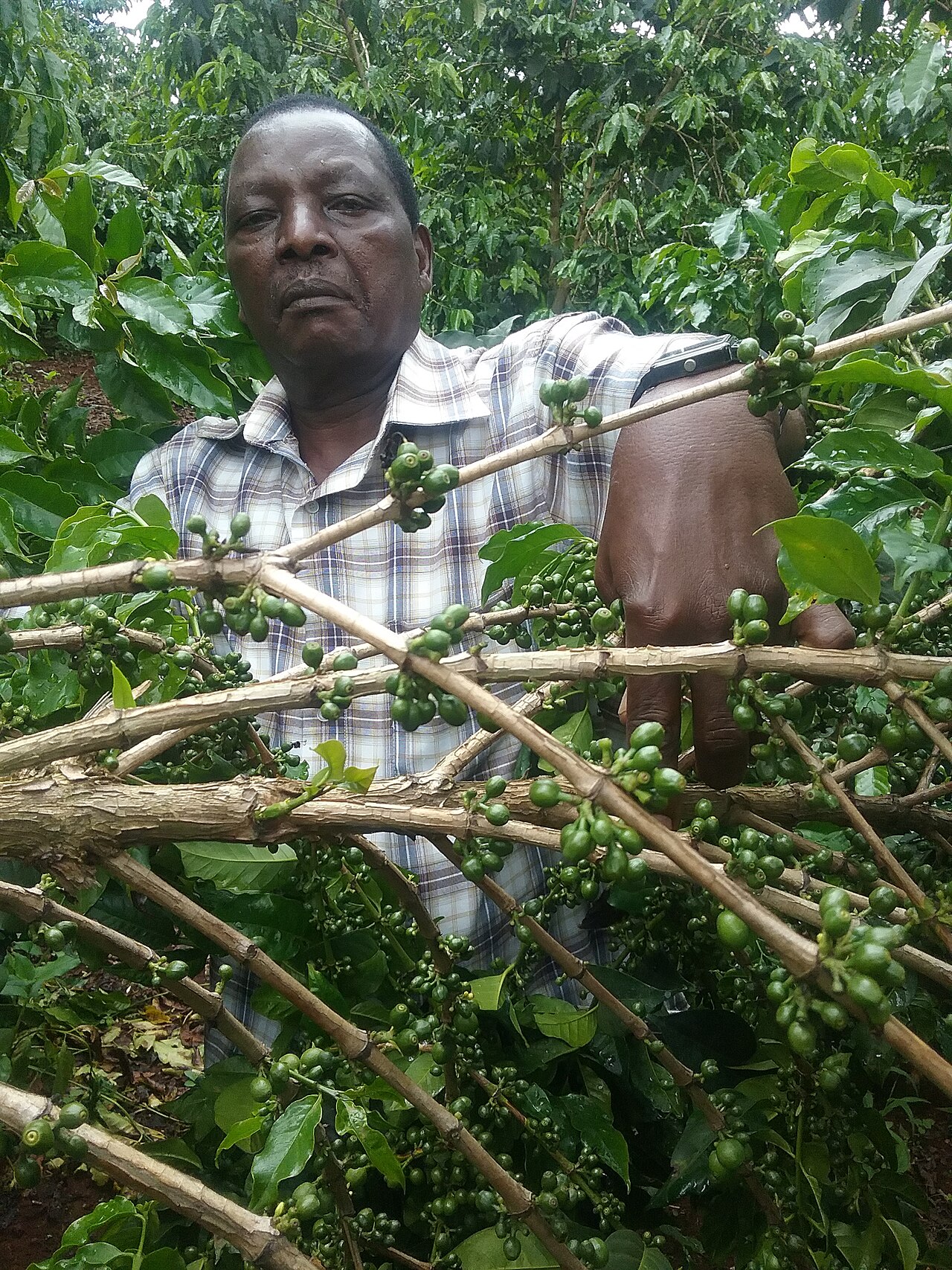
Commercial Butternut Squash Farming in Kenya: Waltham, Atlas, Jupiter F1 Varieties, 15-25 Tonnes Per Acre Yields and the Real Path to KSh 500,000-750,000 Per Acre Returns
Butternut squash farming in Kenya delivers 15-25 tonnes per acre with returns of KSh 500,000-750,000 per acre. A practical guide to varieties, agronomy, disease control and the market.

How to Register as an Architect or Quantity Surveyor in Kenya: The BORAQS Pathway, Graduate Membership, Professional Examinations and the AAK and IQSK Routes
Every architect and quantity surveyor practising in Kenya must be registered with BORAQS. A complete guide to the graduate and professional pathways, AAK and IQSK membership, and the examinations.
Kenya Rental Income Tax 2026: Why the Rate Rose to 10% and How Resident and Diaspora Landlords Should Respond
The Finance Bill 2026 increases the residential rental income tax rate from 7.5% to 10% of gross rent. The Bill also introduces a 30% withholding tax on rent paid to non-resident persons. Diaspora landlords face a meaningfully different tax bill in 2026/27 and should review their property holding structures.

Capital Gains Tax on Share Sales by Non-Residents in Kenya 2026: How the Finance Bill Reshapes Cross-Border Equity Deals
The Finance Bill 2026 widens the scope of capital gains tax to include the alienation of shares by non-residents where the underlying value derives from Kenya, or where the transaction results in a change of group membership of a Kenyan-resident company. The change has significant implications for diaspora investors and cross-border deal structures.

CBK Indicative Exchange Rates 2026: How They Work, Where to Find Them, and Why Diaspora Senders Should Care
Every business day the Central Bank of Kenya publishes an indicative exchange rate for the Kenyan shilling against major currencies. The number is not a fixed price but a market average, and understanding how it is built helps diaspora senders avoid bad fills, hidden margins and avoidable losses on transfers home.

IEBC Boundary Delimitation Deferred 2026: What It Means for the 2027 General Election and Kenyan Voters at Home and Abroad
The Independent Electoral and Boundaries Commission, now fully reconstituted under Chairperson Erastus Edung Ethekon, announced in 2026 that there will be no boundary delimitation before the 2027 general election. Constitutional timelines, unresolved census disputes and a tight preparatory window made the decision inevitable.

How the Kenya Film Classification Board Licenses Film Production, Distribution and Exhibition: A Complete Guide to KFCB Ratings, Filming Permits and the Films and Stage Plays Act
Every film made or shown in Kenya must be classified by the KFCB. A complete guide to the GE/PG/16/18 rating system, filming permits, distributor and exhibitor licences, and the Films and Stage Plays Act.