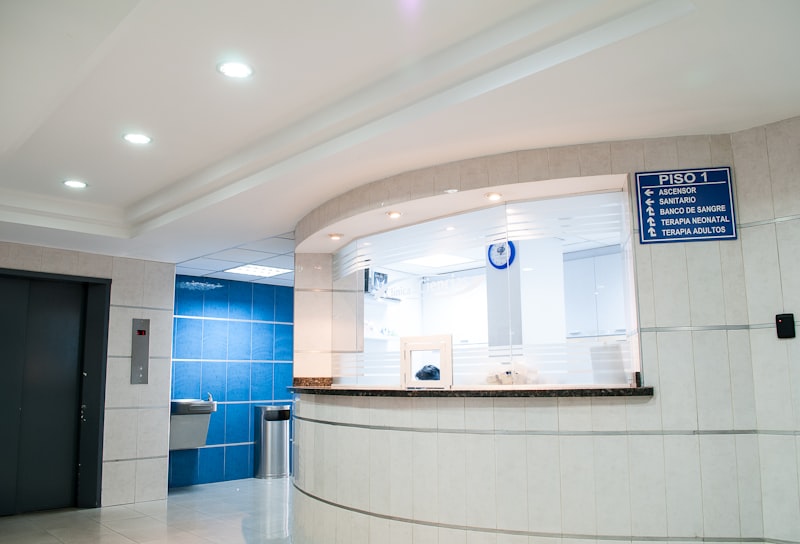
How to Set Up a Medical Clinic or Pharmacy in Kenya from the Diaspora
How to Set Up a Medical Clinic or Pharmacy in Kenya from the Diaspora
Healthcare is one of Kenya's fastest-growing sectors, driven by a population exceeding 55 million, expanding insurance coverage through the Social Health Insurance Fund (SHIF), and increasing demand for quality private healthcare services. For diaspora Kenyans—particularly those with medical, pharmaceutical, or healthcare management backgrounds—setting up a medical clinic or pharmacy in Kenya represents both a profitable business opportunity and a chance to improve healthcare access in their communities. However, the regulatory requirements are among the most stringent for any business in Kenya, involving multiple licensing bodies and strict compliance standards. This guide provides a complete roadmap for establishing a medical clinic or pharmacy from abroad.
Regulatory Bodies You Must Know
Several regulatory authorities oversee healthcare facility establishment in Kenya. The Kenya Medical Practitioners and Dentists Council (KMPDC) registers and licenses all medical and dental facilities. The Pharmacy and Poisons Board (PPB) registers and licenses all pharmacy premises and regulates pharmaceutical practice. The Nursing Council of Kenya (NCK) regulates nursing practice and nursing training institutions. The County Government issues the Single Business Permit required for all businesses. The National Environment Management Authority (NEMA) requires an Environmental Impact Assessment for healthcare facilities.
Setting Up a Medical Clinic
Step 1: Business Registration
Register your healthcare business through the Business Registration Service (BRS). You can register as a sole proprietorship (if you are a licensed medical practitioner), a partnership, or a private limited company. For diaspora investors, a private limited company (KES 10,650 registration fee) provides the best liability protection and allows multiple shareholders. The company name should not include restricted terms like "hospital" or "medical centre" without prior approval from KMPDC.
Step 2: Facility Registration with KMPDC
All health facilities in Kenya must be registered and licensed by KMPDC. The registration process involves submitting an application through KMPDC's Online Services Portal at osp.kmpdc.go.ke. Required documents include the certificate of incorporation or business registration, a site plan and architectural drawings of the facility, proof of ownership or lease agreement for the premises, a list of proposed medical equipment, CVs and registration certificates of all medical practitioners who will work at the facility, and proof of a medical waste management plan.
Step 3: Facility Inspection
After submitting your application, KMPDC dispatches an inspection team to evaluate the facility. The inspection covers the physical infrastructure (reception, consultation rooms, treatment rooms, pharmacy if applicable, laboratory, toilets), medical equipment and their condition, staffing qualifications and registration status, infection prevention and control measures, medical records management systems, emergency preparedness including resuscitation equipment, and waste management arrangements. A comprehensive inspection report is prepared, and the facility must meet all standards before a licence is issued.
Step 4: Licensing
Upon passing the inspection, KMPDC issues an annual licence for the health facility. The licence must be renewed annually, with inspections conducted periodically to ensure continued compliance. Licence fees vary based on the facility level—dispensaries and clinics pay lower fees than hospitals. Display the licence prominently at the facility entrance as required by law.
Step 5: Additional Requirements
Obtain a Single Business Permit from the relevant county government. Fees vary by county and facility type, ranging from KES 5,000 to KES 100,000 or more annually for healthcare facilities. Register with the National Hospital Insurance Fund (now SHIF) as a healthcare provider to serve insured patients—this significantly expands your patient base. Conduct an Environmental Impact Assessment through NEMA for facilities generating medical waste. Register for KRA taxes including income tax, VAT (if annual turnover exceeds KES 5 million), and PAYE for employees.
Setting Up a Pharmacy
Ownership Requirements
Kenya's pharmacy regulations impose strict ownership requirements. Under the Pharmacy and Poisons Act, a person cannot carry on a pharmacy business unless all holders of financial interest in the business are registered pharmacists or enrolled pharmaceutical technologists. This means a diaspora Kenyan who is not a pharmacist cannot directly own a pharmacy—they must partner with a registered pharmacist who holds at least a financial interest in the business.
However, there are legal structures that allow diaspora investment in pharmacies while meeting this requirement. You can form a partnership or company where at least one director or partner is a registered pharmacist. Some diaspora investors establish a holding company that owns the pharmacy business entity, with a registered pharmacist serving as the pharmaceutical director.
PPB Registration Process
To register pharmacy premises with the Pharmacy and Poisons Board, log into the PPB Online Services Portal at practice.pharmacyboardkenya.org. Click on "New Facility" and complete the application form with premises details including the physical address, layout plan, and proposed scope of services. Attach the required documents including eCitizen business name search, current PPB licence of the pharmacist in charge, lease agreement for the premises, and a floor plan showing the dispensing area layout.
The PPB conducts a premises inspection to verify compliance with pharmacy standards including adequate storage facilities with temperature control, a dedicated dispensing area with proper counter and shelving, a consultation area for patient counselling, proper record-keeping systems for controlled substances, and security measures including lockable cabinets for Schedule 7 drugs (controlled substances). Upon satisfactory inspection, the PPB issues a premises certificate that must be renewed annually.
Stocking and Supply Chain
Purchase pharmaceutical products only from PPB-licensed wholesalers and distributors. Major pharmaceutical distributors in Kenya include Phillips Pharmaceuticals, Surgipharm, and Kenya Medical Supplies Authority (KEMSA) for government-supplied products. Maintain proper stock management systems—the PPB requires detailed records of all pharmaceutical purchases and sales, particularly for controlled substances. Consider implementing a pharmacy management software system to automate inventory tracking, expiry date monitoring, and regulatory reporting.
Staffing Requirements
A medical clinic requires at least one KMPDC-registered medical practitioner (doctor) who serves as the medical officer in charge. The clinic should also employ registered nurses (regulated by NCK), clinical officers (registered with the Clinical Officers Council) if providing general outpatient services, and support staff for reception, records management, and facility maintenance.
A pharmacy requires a PPB-registered pharmacist present during all operating hours. If the pharmacy operates extended hours, you may need multiple pharmacists working in shifts. Pharmaceutical technologists can assist under the supervision of a pharmacist. All healthcare professionals must maintain current practising licences with their respective regulatory councils.
Estimated Startup Costs
Setting up a medical clinic in Kenya typically requires an investment of KES 3 million to KES 20 million depending on the scope of services, location, and equipment. A basic outpatient clinic with consultation rooms, a small lab, and pharmacy can be established for KES 3–5 million. A mid-range clinic with multiple specialties, diagnostic equipment, and a well-stocked pharmacy requires KES 8–15 million. A comprehensive medical centre with radiology, surgery capability, and inpatient beds requires KES 20 million or more.
For a standalone pharmacy, startup costs range from KES 1.5 million to KES 5 million. This covers premises preparation and fitting (KES 300,000–800,000), initial drug stock (KES 500,000–2 million), equipment including refrigerators and shelving (KES 200,000–500,000), licensing and regulatory fees (KES 100,000–200,000), and working capital for the first three to six months of operation.
Managing from the Diaspora
Running a healthcare facility remotely requires robust systems and trustworthy local management. Appoint a qualified facility manager who handles day-to-day operations, staff supervision, and regulatory compliance. Implement digital systems for patient records (electronic health records), financial management (accounting software), and inventory tracking. Establish clear reporting protocols—weekly financial reports, monthly operational summaries, and real-time alerts for critical issues such as stock shortages, equipment failures, or regulatory notices.
Visit your facility at least two to three times annually for in-person oversight. Consider installing security cameras and digital monitoring systems that allow remote supervision. Build relationships with your regulatory contacts at KMPDC and PPB—proactive compliance is always easier and cheaper than remedial action after violations are discovered.
More Articles

The Multiparty Era Reforms: Saba Saba, the Repeal of Section 2A and Kenya's Return to Political Pluralism
Jul 02, 2026

Eye Care in Kenya: Cataract, Trachoma and the Long Road to Universal Vision Health
Jul 02, 2026

Shaba National Reserve: Joy Adamson's Last Wilderness and Isiolo's Semi-Desert Safari Gem
Jul 02, 2026

The Rendille People of Northern Kenya: Camel Pastoralism, Clan Traditions and a Culture Under Pressure
Jul 02, 2026

Ukulima Sacco: From Ministry of Agriculture Staff Society to a National Cooperative Open to All Kenyans
Jul 02, 2026