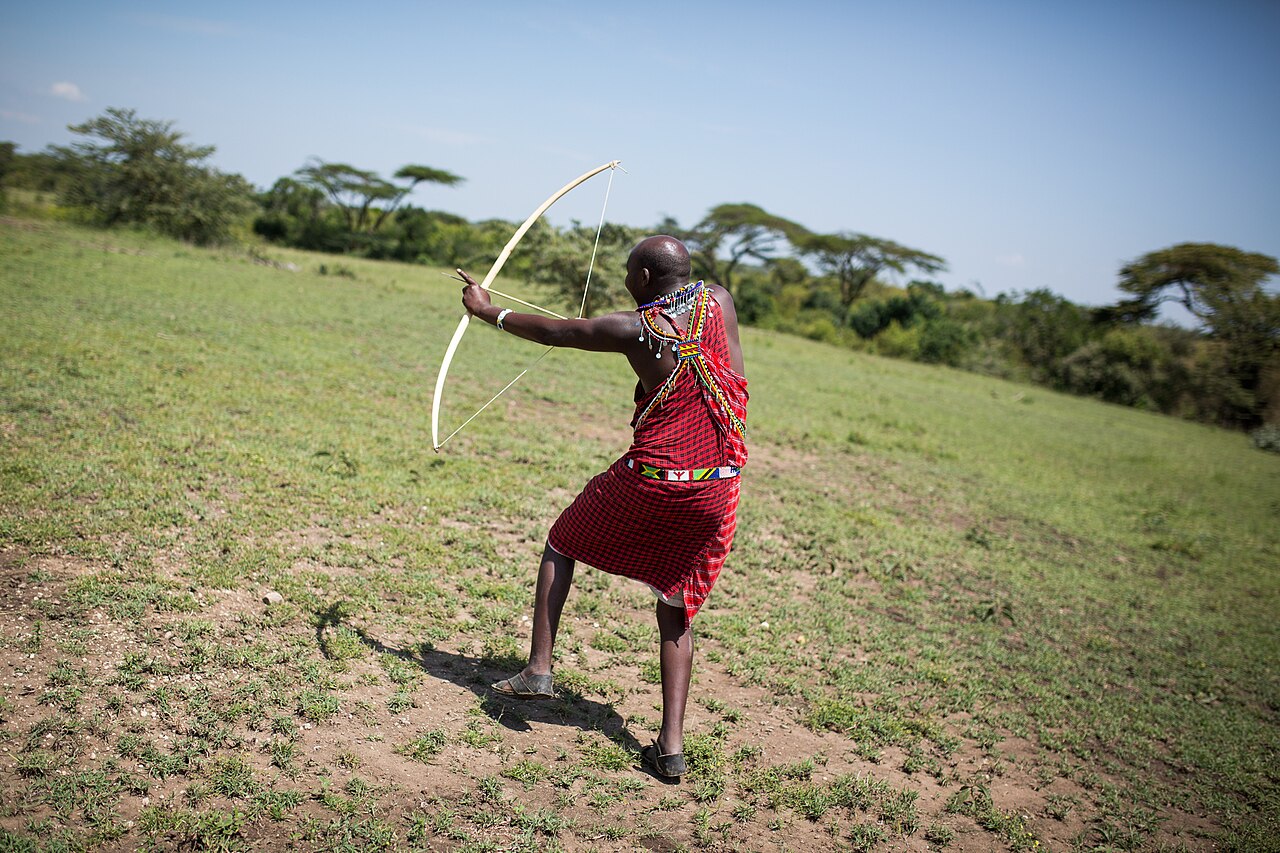
Maasai Mara National Reserve Explained: The Great Migration, Conservancies, Tourism Economics and How Narok County Manages One of Africa's Most Famous Wildlife Destinations
Maasai Mara National Reserve Explained: The Great Migration, Conservancies, Tourism Economics and How Narok County Manages One of Africa's Most Famous Wildlife Destinations
The Maasai Mara National Reserve in south-western Kenya is one of the most famous wildlife destinations in Africa and one of the most economically consequential tourism sites in the Kenyan economy. Spanning approximately 1,510 square kilometres in Narok County, the Reserve adjoins the Serengeti National Park in Tanzania across the international border and forms part of the larger Mara-Serengeti ecosystem extending to approximately 25,000 square kilometres of contiguous wildlife habitat. The Reserve is famous globally for the Great Migration — the annual movement of over 1.5 million wildebeest, 200,000 zebras, and 300,000 Thomson's gazelles between the Serengeti and the Mara in pursuit of seasonal grazing — for the dramatic river crossings of the Mara River where crocodiles and predators await the migration herds, for its exceptional density of resident wildlife including the Big Five (lion, leopard, elephant, buffalo, rhinoceros) and the larger predator and herbivore communities, and for the broader Maasai cultural and conservation heritage of the surrounding community lands. Unlike the National Parks managed by the Kenya Wildlife Service, the Maasai Mara is a National Reserve managed by the Narok County Government with technical support from KWS. This guide walks through the Reserve's geography, the Great Migration, the conservancy framework that has emerged around the Reserve, the tourism economy, the conservation challenges, and the broader institutional framework supporting the destination.
The Reserve and the Broader Ecosystem
The Maasai Mara National Reserve covers approximately 1,510 square kilometres of savannah grasslands, riverine forest along the Mara River and its tributaries, and rocky kopjes that form distinctive landscape features. The Reserve sits at the northern edge of the Serengeti ecosystem, with the international border between Kenya and Tanzania forming the southern boundary. The Mara River — a major tributary of Lake Victoria via the Mara River system — flows through the Reserve and is the site of the most dramatic migration crossings. The surrounding community lands have over the past three decades been increasingly organised into wildlife conservancies that extend the protected habitat substantially beyond the Reserve boundary.
The Great Migration
The Great Migration is the annual circular movement of wildebeest, zebra, and gazelle between the Serengeti's southern plains and the northern Mara grasslands. The migration is driven by the seasonal rainfall pattern that produces fresh grazing first in the south (during the southern Serengeti calving season around January-March), progressively moving northward through the central Serengeti (April-June), into the western Serengeti (July), and across the Mara River into the Maasai Mara (July-October), before returning south through the late dry season (October-December) for the next cycle. The Mara River crossings in July-September are the iconic spectacle, with thousands of wildebeest crossing the croco-infested river, often in dramatic mass crossings that have made the Mara famous worldwide. The migration is the single largest movement of mammals on Earth.
The Conservancy Framework
The community wildlife conservancies surrounding the Reserve — Olare Motorogi, Naboisho, Mara North, Olchorro Oirowua, Lemek, Mara Naboisho, Olarro, Pardamat, and several others — together extend protected habitat by approximately 1,500-2,000 square kilometres beyond the Reserve boundary. The conservancies operate through long-term leases between the Maasai community-landowners and the tourism operators, with the operators paying lease fees that share tourism revenue with the host communities. The conservancy model has delivered measurable benefits including: reduced human-wildlife conflict; expanded habitat for migratory and resident wildlife; meaningful and equitable income flows to community landowners; and stronger conservation outcomes than the historical pure-government-park model. The Kenya Wildlife Conservancies Association coordinates the conservancy network at the national level.
Resident Wildlife
Beyond the migration species, the Mara ecosystem hosts substantial resident wildlife. The Big Five — lion, leopard, elephant, buffalo, and rhinoceros (though black rhino numbers are limited) — are all present. The Mara supports one of the highest densities of large predators in Africa, with lion populations particularly strong (the Mara has been the subject of long-running scientific lion-research programmes documenting the population dynamics). Cheetahs are present in good numbers. Spotted hyenas, leopards, African wild dogs, and the broader predator community add complexity to the ecosystem. The resident herbivore community includes giraffe, elephant, buffalo, eland, hartebeest, topi, impala, warthog, and the broader plains-mammal community.
Tourism Economics
The Mara is the highest-grossing single tourism destination in Kenya. Annual visitor numbers cross 300,000+ with substantial peaks during the migration season (July-October) and the festive holiday peaks. Lodges and tented camps within the Reserve and the surrounding conservancies serve the visiting tourists across price points from luxury permanent lodges through mid-tier tented camps to budget mobile-camp operations. Conservancy fees, gate fees, accommodation revenue, transport, and the broader tourism value chain together generate billions of shillings annually for Narok County, the conservancy host communities, the broader Kenyan tourism economy, and the international tour operators marketing the destination.
The Management Framework
The Narok County Government manages the Reserve under the Wildlife Conservation and Management Act and the broader devolution framework. The County Government collects gate fees, lodging fees, and the broader Reserve-related revenues. The Kenya Wildlife Service provides technical support including wildlife monitoring, anti-poaching coordination, scientific research, and the broader conservation expertise. The Mara Conservancy Trust operates a substantial portion of the Reserve (the Mara Triangle) under a management agreement that has produced documented improvements in the Triangle's conservation and tourism management.
Conservation Challenges
The Mara faces several conservation challenges. Habitat fragmentation through the conversion of community land to fenced agriculture and settlement reduces the broader ecosystem's wildlife-supporting capacity. Tourism pressure during the migration season produces vehicle congestion that affects wildlife behaviour and tourist experience. Climate change is affecting rainfall patterns that drive the migration timing. Human-wildlife conflict at the Reserve-community boundary requires sustained management. Anti-poaching effort, while substantially successful, remains a sustained necessity. The cumulative response by the Narok County Government, KWS, the conservancies, the tourism operators, and the broader stakeholder community has been substantial but the pressures remain real.
Visiting the Mara
The Reserve is accessible from Nairobi by road (5-6 hours via the Narok-Sekenani route or Narok-Talek route) and by air (one-hour flights from Wilson Airport to several airstrips serving the Reserve and conservancies). Accommodation ranges from budget tented camps outside the Reserve to ultra-luxury lodges within the conservancies. The best time to visit for the migration river crossings is July-September; the broader migration presence runs July-October. Resident wildlife viewing is excellent year-round. Conservancy visits require advance booking; vehicle and visitor numbers are managed to preserve the visitor experience and reduce ecosystem pressure.
The Bigger Picture
The Maasai Mara is one of Kenya's most distinctive natural and cultural treasures. The combination of the Great Migration, the resident wildlife communities, the Maasai cultural heritage, and the broader ecosystem make the destination internationally famous and economically consequential. The continued conservation success of the Mara depends on the sustained engagement of the Narok County Government, KWS, the Maasai conservancy communities, the tourism operators, the scientific research community, and the broader stakeholder network. For visitors, investors in Mara-anchored tourism, and Kenyans more broadly, the Mara represents one of the most successful integrations of conservation, community, and commerce in African wildlife management.
The Mara Conservancy and the Kenya Wildlife Service publish operational information; the Narok County Government tourism portal and the Kenya Wildlife Conservancies Association provide complementary information.
More Articles

The Multiparty Era Reforms: Saba Saba, the Repeal of Section 2A and Kenya's Return to Political Pluralism
Jul 02, 2026

Eye Care in Kenya: Cataract, Trachoma and the Long Road to Universal Vision Health
Jul 02, 2026

Shaba National Reserve: Joy Adamson's Last Wilderness and Isiolo's Semi-Desert Safari Gem
Jul 02, 2026

The Rendille People of Northern Kenya: Camel Pastoralism, Clan Traditions and a Culture Under Pressure
Jul 02, 2026

Ukulima Sacco: From Ministry of Agriculture Staff Society to a National Cooperative Open to All Kenyans
Jul 02, 2026