Lake Nakuru National Park: Flamingos, Rhino Sanctuary, Rothschild Giraffes and the Rift Valley Soda Lake
Lake Nakuru National Park: Flamingos, Rhino Sanctuary, Rothschild Giraffes and the Rift Valley Soda Lake
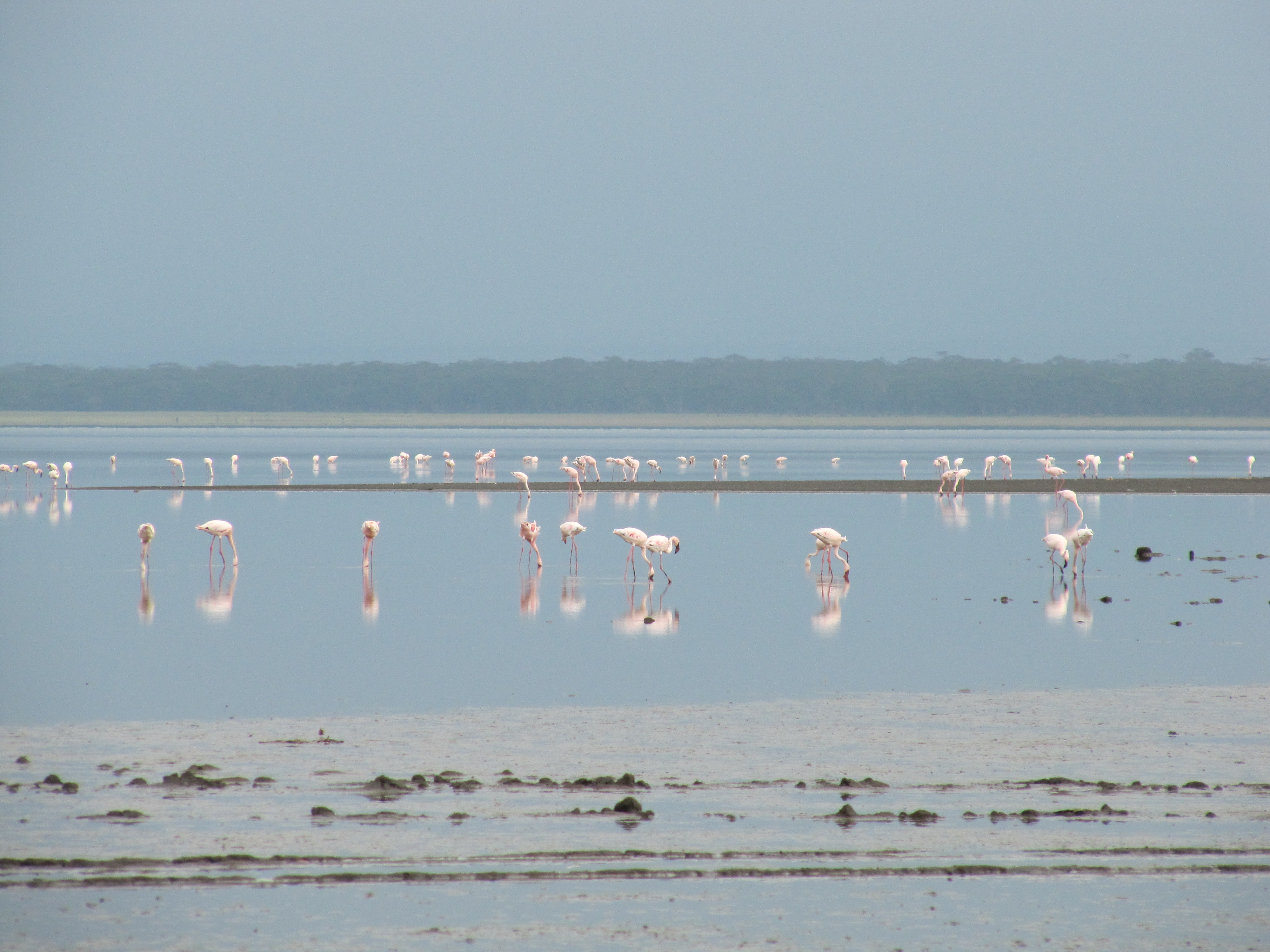
Lake Nakuru National Park, covering 188 square kilometres around the alkaline soda lake at Nakuru in the central Rift Valley, is one of Kenya most accessible and visually striking national parks. Located approximately 160 kilometres north-west of Nairobi, the park combines the spectacular flamingo congregations that made Lake Nakuru world-famous, an entirely fenced black and white rhino sanctuary that is one of the most successful rhino conservation areas in East Africa, a substantial population of Rothschild giraffes translocated from western Kenya, a rich landscape of acacia woodlands, lakeside grasslands and rocky escarpments, and a relatively compact area that allows half-day to multi-day visits. This article examines the park geography, the flamingo dynamics, the rhino sanctuary, the wider wildlife community, the visitor experience and the broader conservation significance.
The Soda Lake and Flamingo Dynamics
Lake Nakuru is an alkaline soda lake, with high pH and high concentrations of sodium carbonate that support prolific growth of the blue-green alga Spirulina platensis. The alga is the principal food source for lesser flamingos, which gather at the lake in vast numbers when conditions are favourable. At peak congregations the lake has hosted more than a million flamingos, creating one of the most spectacular wildlife sights in Africa. Flamingo populations have varied substantially over the past two decades, driven by water level changes, alga productivity and inter-lake movements within the Rift Valley soda lake system (which includes Lake Bogoria, Lake Elementaita, Lake Magadi and Lake Natron in Tanzania). The flamingos move between these lakes in response to conditions, and visitors to Lake Nakuru may find the lake teeming with flamingos or relatively few birds depending on the season and water level.
The Rhino Sanctuary
Lake Nakuru National Park is one of the principal rhino sanctuaries in East Africa, with both black rhino and white rhino populations protected within the fenced park boundary. The park rhino population has been built up over decades through translocations from other Kenyan sanctuaries and from South African source populations. The fenced boundary, combined with active anti-poaching patrols by the Kenya Wildlife Service, has substantially reduced poaching pressure and allowed the rhino population to recover from the catastrophic declines of the 1970s and 1980s. Visitors regularly observe both species on game drives within the park.
Rothschild Giraffes and Other Wildlife
The Rothschild giraffe, a subspecies of the northern giraffe that almost vanished from Kenya in the 1970s, has been successfully reintroduced and now thrives at Lake Nakuru alongside Soysambu Conservancy, Mwea National Reserve and several other sanctuaries. The subspecies is distinguished by its lighter colouration and the absence of markings below the knees. Beyond giraffes and rhinos, the park hosts buffalo, lion, leopard, hippo, eland, waterbuck, impala, Thomson and Grant gazelle, baboon, vervet monkey and warthog. The Hippo Point and the Baboon Cliff viewpoints provide panoramic views of the lake and surrounding landscape.
Bird Diversity
Beyond flamingos, Lake Nakuru hosts an exceptional bird diversity with more than 450 recorded species. White and pink-backed pelicans congregate on the lake, alongside cormorants, herons, egrets, African fish eagle, secretary bird, marabou stork, yellow-billed stork and a rich community of waders. The acacia woodlands host turacos, weavers, sunbirds, kingfishers, rollers, hornbills and many smaller passerines. Birders frequently combine Lake Nakuru with the nearby Lake Bogoria, Lake Baringo and Hell Gate.
Visitor Experience and Accessibility
Lake Nakuru is accessed via the Nakuru town main gate, with secondary gates at Lanet and Nderit. The drive from Nairobi takes approximately three hours along the A104 highway. Self-drive game viewing along the network of well-maintained tracks is the principal activity, complemented by guided drives, picnic stops at scenic viewpoints and short walking circuits at selected areas. Accommodation includes the Sarova Lion Hill Game Lodge inside the park, the Sopa Lodge inside the park, the Mbweha Camp, the Punda Milias Tented Camp and several lodges and hotels in Nakuru town and the surrounding area. KWS self-catering accommodation and campsites provide budget options.
Conservation Challenges
The park has faced significant conservation challenges. Water level fluctuations have at times dramatically reduced the flamingo carrying capacity, with the rise in lake levels in the early 2020s flooding tree areas and reducing the alkaline conditions that support Spirulina. Pollution and silt influx from the surrounding Nakuru town agricultural and industrial activities have also affected lake water quality. Continued investment in catchment management, in water quality monitoring and in flamingo population science is essential.
Conclusion
Lake Nakuru National Park combines visual spectacle, accessible game viewing, rhino conservation success, the recovery of the Rothschild giraffe and a manageable scale that suits visitors with limited time. For weekend visitors from Nairobi, family safaris with younger children, birding enthusiasts and conservation supporters, the park offers a complete Rift Valley experience just three hours from the capital. With sustained investment in catchment management, anti-poaching capacity and visitor infrastructure, the park will continue to anchor the Rift Valley conservation circuit for decades to come.
More Articles

The Multiparty Era Reforms: Saba Saba, the Repeal of Section 2A and Kenya's Return to Political Pluralism
Jul 02, 2026

Eye Care in Kenya: Cataract, Trachoma and the Long Road to Universal Vision Health
Jul 02, 2026

Shaba National Reserve: Joy Adamson's Last Wilderness and Isiolo's Semi-Desert Safari Gem
Jul 02, 2026

The Rendille People of Northern Kenya: Camel Pastoralism, Clan Traditions and a Culture Under Pressure
Jul 02, 2026

Ukulima Sacco: From Ministry of Agriculture Staff Society to a National Cooperative Open to All Kenyans
Jul 02, 2026