Kericho County: Kenya Tea Heartland, Smallholder and Estate Production, Kipsigis Heritage and the Highland Economy
Kericho County: Kenya Tea Heartland, Smallholder and Estate Production, Kipsigis Heritage and the Highland Economy
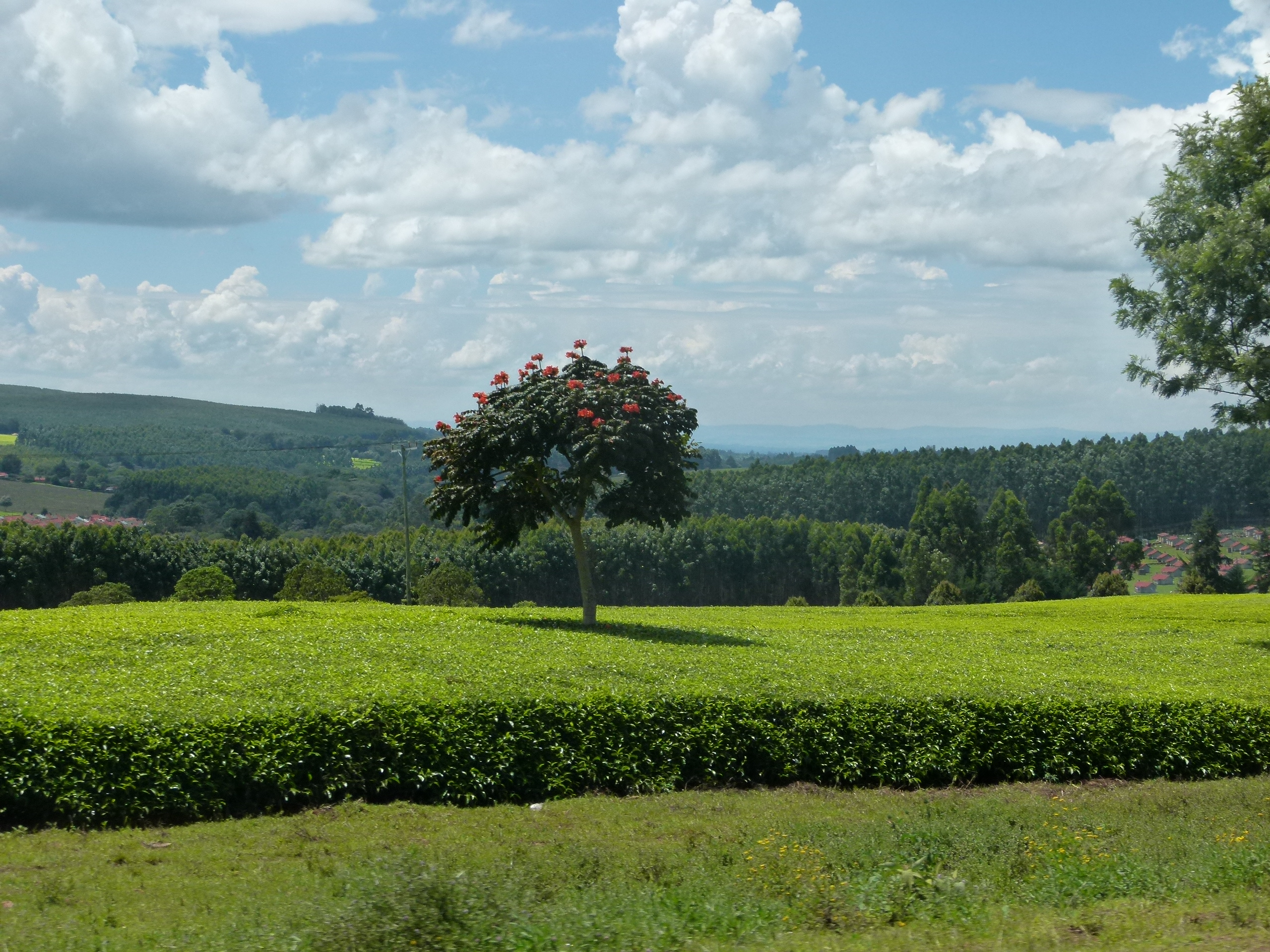
Kericho County is the centre of Kenya tea industry, hosting some of the largest tea estates on the African continent, thousands of smallholder farms that supply Kenya Tea Development Agency factories, and the Kipsigis sub-community of the Kalenjin people whose cultural and economic life is deeply intertwined with the tea landscape. With a 2019 population of 901,777 and a land area of 2,455 square kilometres, the county combines the towering Mau Forest catchment that supplies its rivers and rainfall, the rolling highland tea zone that defines its economy, urban centres at Kericho, Litein and Bureti, and a small but growing dairy and horticulture diversification. This article examines the county tea economy, the smallholder and estate production models, the cultural heritage of the Kipsigis, infrastructure, social services and the investment opportunities for the diaspora and broader investors.
Geography and Climate
Kericho sits between 1,800 and 2,500 metres in altitude on the western flank of the Mau Forest Complex, one of Kenya five main water towers. Annual rainfall averages 1,500 to 2,000 millimetres, well-distributed through the year with peak rainfall in April-May and the long short-rains period of August-October. Temperatures are mild and stable, ranging between 12 and 24 degrees Celsius, providing near-ideal conditions for tea production. The Mau Forest, the rivers Kipsonoi, Sondu, Itare, Kipchorian and others that drain it, the Sondu-Miriu hydroelectric project and the productive volcanic soils together create a distinctive highland landscape.
The Tea Economy
Tea is the dominant economic activity in Kericho. The county hosts large multinational estates operated by Unilever Tea Kenya (formerly Brooke Bond), James Finlay Kenya and other operators, with each company managing thousands of hectares of tea bushes, processing factories and worker villages. Tea grown on these estates is harvested by mechanised plucking in some sectors and hand plucking in others, processed at factory level through withering, rolling, fermentation, drying and grading, then exported through the Mombasa Tea Auction or directly to international markets. The Kericho estates account for a substantial share of Kenya total tea production, which in 2024 reached approximately 570,000 metric tons of made tea.
Beyond the estates, smallholder tea production is organised through the Kenya Tea Development Agency factories operating across the county. KTDA factories at Litein, Kapkatet, Tegat, Mogogosiek, Momul and others receive green leaf from registered smallholders, process it and market the finished tea. Smallholder farmers contribute significantly to Kenya total tea output and provide cash income to thousands of households across the county.
Cultural Heritage of the Kipsigis
The Kipsigis are the largest sub-community of the Kalenjin people, with a distinctive language, traditions of cattle herding, age-set initiation, oral literature, music and a long history of athletic excellence. The county shares the Kalenjin athletic heritage of the Rift Valley, with several Kericho-born athletes representing Kenya in international competition. Cultural practices including the rite of passage ceremonies, traditional dance and music, and the role of elders in community decision-making remain important alongside the modern administrative and political institutions of devolved governance.
Infrastructure and Connectivity
Kericho is well-served by the Kisumu-Nakuru-Eldoret road network, with the C36 and B1 highways providing year-round access. The Sondu Miriu hydroelectric power station and several other small hydro facilities contribute to the national grid. Electricity access in the urban and peri-urban areas is high, with steady extension into rural areas. Mobile and broadband connectivity is widespread, supported by Safaricom, Airtel and Telkom Kenya networks, with M-Pesa providing the dominant financial platform.
Health, Education and Social Services
The Kericho County Referral Hospital anchors the public health system, supported by sub-county hospitals and dispensaries. Educational facilities include primary and secondary schools serving the densely populated rural areas, the Kericho University, several TVET institutions, the Kenya Tea Development Agency Training Centre and selected mission schools with strong reputations. Health and education investment by county and national government, alongside corporate social responsibility programmes by the tea companies, contributes to social service delivery.
Diversification: Dairy, Horticulture and Tourism
While tea dominates, the county economy is diversifying. Dairy production benefits from the favourable climate and pasture conditions, with the New Kenya Cooperative Creameries and several private processors collecting milk from smallholder farms. Horticulture including potatoes, cabbages, beans and selected fruits supplements household income. Tourism, anchored by visits to tea estates, the Mau Forest hiking trails and the Sondu Miriu falls, is a developing sector with potential for further growth.
The Mau Forest and Environmental Stewardship
The Mau Forest Complex is the largest indigenous forest in East Africa and the principal water tower for the western Rift Valley. Forest degradation in past decades has prompted concerted restoration efforts by the Kenya Forest Service, the Ministry of Environment, county governments and civil society. Restoration of the forest is critical not only for hydrology and biodiversity but also for the sustained productivity of the tea industry that depends on stable rainfall and water flows.
Investment Opportunities
Investment opportunities in Kericho centre on tea value addition (branded packaging, specialty tea production, blended teas for premium markets), dairy processing, horticulture, agritourism focused on tea estates, eco-lodges in the Mau Forest fringe, peri-urban real estate and renewable energy. The county government, in partnership with the Kenya Investment Authority and the Agriculture and Food Authority, has been packaging investment opportunities for both domestic and diaspora investors.
Diaspora Engagement
The Kericho diaspora, particularly in the United Kingdom, the United States, Canada and the Middle East, maintains active links through remittance flows, real estate investment, agribusiness participation and philanthropic support. Diaspora-funded specialty tea ventures, real estate developments and education initiatives have grown in recent years.
Conclusion
Kericho County combines the heartland of Kenya tea industry, the cultural heritage of the Kipsigis, the ecological significance of the Mau Forest and the productive highland economy that supports 901,000 residents. With sustained investment in tea value addition, dairy and horticulture diversification, environmental stewardship and infrastructure development, the county is well positioned for continued growth as one of Kenya most productive agricultural counties.
More Articles

The Multiparty Era Reforms: Saba Saba, the Repeal of Section 2A and Kenya's Return to Political Pluralism
Jul 02, 2026

Eye Care in Kenya: Cataract, Trachoma and the Long Road to Universal Vision Health
Jul 02, 2026

Shaba National Reserve: Joy Adamson's Last Wilderness and Isiolo's Semi-Desert Safari Gem
Jul 02, 2026

The Rendille People of Northern Kenya: Camel Pastoralism, Clan Traditions and a Culture Under Pressure
Jul 02, 2026

Ukulima Sacco: From Ministry of Agriculture Staff Society to a National Cooperative Open to All Kenyans
Jul 02, 2026