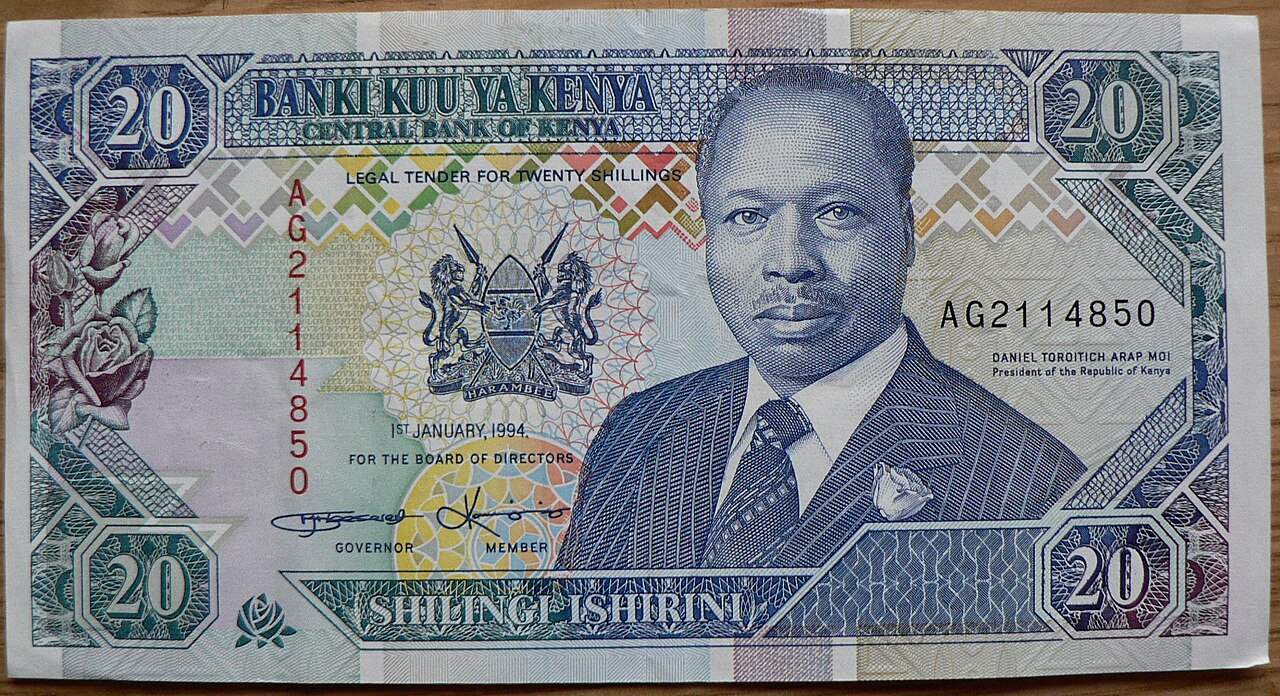
Kenyan Shilling at KSh 129: What Currency Stability Means for Diaspora Remittances and Investments in 2026
Kenyan Shilling at KSh 129: What Currency Stability Means for Diaspora Remittances and Investments in 2026
The Kenyan shilling, which lost more than 20% of its value against the United States dollar between early 2022 and the start of 2024, has stabilised around KSh 129 per US dollar through the first half of 2026. As of mid-May 2026, the shilling exchanged at roughly KSh 129.33 per US dollar, only marginally weaker than KSh 129.19 a week earlier. For diaspora Kenyans who send money home, hold Kenyan financial assets, or are planning to acquire property in Kenya, currency stability is not a small matter. It changes the timing of transfers, the realised return on Kenyan-shilling assets, and the long-term planning horizon for capital deployment.
What Has Changed
The shilling's stability in 2026 reflects a combination of factors. Diaspora remittances have remained a meaningful source of foreign exchange. Tourism receipts and merchandise exports have been steady. Tighter monetary policy by the Central Bank of Kenya (CBK) through 2024 and 2025 helped anchor inflation expectations and improved the carry on shilling-denominated assets, attracting portfolio inflows into Treasury Bills and Bonds. The successful refinancing of foreign-currency obligations also reduced the visible scarcity of dollars in the local interbank market.
What This Means for Remittance Senders
The most immediate implication is psychological. For several years, diaspora senders watched the shilling depreciate quickly and felt that the buying power of their remittance was eroding. With the shilling stable, there is less pressure to time transfers tactically. A sender can plan a regular monthly transfer of US$200, US$500, or US$1,000 with reasonable confidence about how many shillings will arrive on the other end, and budget for school fees, parental support, or property service charges accordingly.
That said, stability is not permanence. Diaspora senders should still pay attention to the cost of the transfer itself — the fee plus the spread between the published rate and the rate the operator applies. Even when the official rate is steady, the effective rate received by the recipient varies materially across operators. Comparing M-Pesa Global, traditional bank wires, and specialised diaspora remittance providers remains worthwhile, especially for larger transfers.
What This Means for Diaspora Investors
For diaspora Kenyans holding shilling-denominated assets — Treasury Bills, Treasury Bonds, fixed deposits, money-market funds, and listed equities — currency stability is constructive. The real return on a Kenyan-shilling instrument depends on the nominal yield, the local inflation rate, and the depreciation of the shilling against the investor's reference currency. When the shilling depreciates rapidly, even high nominal yields can deliver poor real returns once converted back. When the shilling is stable, attractive nominal yields translate into more reliable real returns.
Specifically, Kenya's 91-day Treasury Bill yields and longer-dated Treasury Bond yields, which have remained elevated by global standards, become more attractive to diaspora investors when the currency is stable. The same logic applies to corporate fixed deposits and shilling-denominated money-market funds offered by licensed Kenyan fund managers. For diaspora investors who can hold to maturity, stable currency plus attractive nominal yield is a compelling combination — though diversification across instruments and tenors remains good discipline.
Inflation Context
Currency stability has to be read alongside inflation. The Kenya National Bureau of Statistics publishes the monthly Consumer Price Index, and the CBK's Monetary Policy Committee responds to inflation through the Central Bank Rate. Diaspora investors should track these two indicators in parallel. A scenario where the shilling is stable but inflation is rising is not as benign as it appears: the purchasing power of money in the recipient's hands can still erode, even if the exchange rate looks steady.
Risks That Remain
Several risks could disrupt the current stability. First, a sustained widening of the current account deficit — driven, for example, by elevated oil import bills if global crude prices rise sharply — would put pressure on the shilling. Second, external debt service obligations are concentrated in dollars, and any difficulty in refinancing or accessing concessional flows would weigh on the currency. Third, political or fiscal shocks — for example, large unbudgeted expenditure ahead of the 2027 election cycle — could undermine investor confidence. Fourth, global risk-off episodes, particularly tightening by the US Federal Reserve or a flight from frontier-market assets, would affect Kenya alongside its peers.
How to Plan
For routine remittances, the practical recommendation is to standardise. Set up a regular transfer cadence — monthly or bi-monthly — and stop trying to time the market unless you have a specific reason. The transaction costs and emotional energy of timing usually outweigh the marginal gain.
For investment, build a portfolio plan that includes a target allocation to Kenyan-shilling instruments and a target allocation to dollar-denominated or other hard-currency instruments. The mix depends on your time horizon, your liabilities in Kenya, and your risk tolerance. Many diaspora Kenyans who plan to retire or return to Kenya hold a larger share in shilling instruments because their long-term consumption will be in shillings; those who plan to stay abroad indefinitely hold a smaller share.
For property acquisition, time-related currency moves matter most around the transfer of the purchase price. Some diaspora buyers tranche the transfer over weeks to average the rate, especially for high-value purchases. Others lock in the rate through forward contracts where available. Discuss the options with your Kenyan bank or remittance partner before initiating a large transfer.
The Macro Picture
Currency markets are unpredictable, and a single year of stability does not guarantee the next. But the 2026 environment — anchored inflation, attractive carry, reasonable foreign-exchange reserves, and steady remittance inflows — is materially better than the 2022-2023 stretch. For diaspora Kenyans who took the lessons of that period to heart, the message is straightforward: keep the discipline of regular saving and investing, monitor the macro indicators that actually matter, and resist the temptation to overreact to short-term moves in either direction.
Final Thought
The Kenyan shilling at KSh 129 to the dollar is not headline news in itself. What matters is that, after years of choppy depreciation, a stable rate gives diaspora Kenyans room to plan with confidence. Stable currency rewards consistency. Decide your remittance cadence, your investment mix, and your property strategy, and execute them steadily. That discipline is the dividend currency stability delivers.
More Articles

The Multiparty Era Reforms: Saba Saba, the Repeal of Section 2A and Kenya's Return to Political Pluralism
Jul 02, 2026

Eye Care in Kenya: Cataract, Trachoma and the Long Road to Universal Vision Health
Jul 02, 2026

Shaba National Reserve: Joy Adamson's Last Wilderness and Isiolo's Semi-Desert Safari Gem
Jul 02, 2026

The Rendille People of Northern Kenya: Camel Pastoralism, Clan Traditions and a Culture Under Pressure
Jul 02, 2026

Ukulima Sacco: From Ministry of Agriculture Staff Society to a National Cooperative Open to All Kenyans
Jul 02, 2026