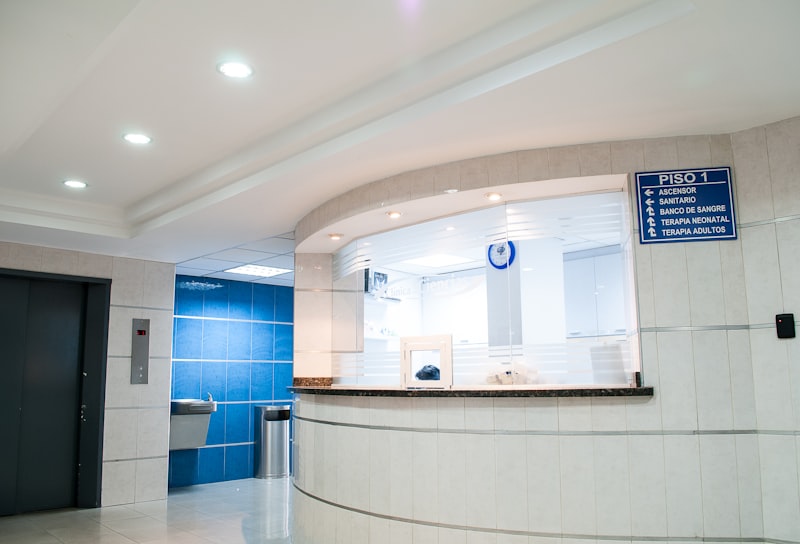
Understanding the Kenyan Healthcare System: A Guide for Returning Diaspora
Understanding the Kenyan Healthcare System: A Guide for Returning Diaspora
Returning to Kenya after years abroad means adjusting to a healthcare system that has undergone dramatic changes. The replacement of the National Hospital Insurance Fund (NHIF) with the Social Health Authority (SHA) and the Social Health Insurance Fund (SHIF) on 1 October 2024 represents Kenya's most ambitious healthcare reform in decades. For diaspora Kenyans accustomed to healthcare systems in the United States, United Kingdom, Canada, or Europe, understanding how Kenya's healthcare delivery works—from public hospitals to private facilities, insurance options, and emergency services—is essential for a smooth transition. This guide provides a comprehensive overview of everything you need to know about accessing healthcare in Kenya.
Kenya's Healthcare Structure
Kenya operates a multi-tiered healthcare system combining public, private, and faith-based facilities. Public healthcare is provided through a hierarchy of facilities: dispensaries and health centres at the community level, sub-county hospitals for basic secondary care, county referral hospitals for more specialized services, and national referral hospitals—Kenyatta National Hospital (KNH) in Nairobi and Moi Teaching and Referral Hospital (MTRH) in Eldoret—for the most complex cases.
Private healthcare ranges from small clinics to world-class hospitals such as Aga Khan University Hospital, Nairobi Hospital, MP Shah Hospital, and Karen Hospital. Private and faith-based facilities deliver nearly half of Kenya's clinical services and generally offer shorter waiting times, more modern equipment, and higher service standards—at significantly higher costs. Faith-based facilities run by organizations like the Kenya Conference of Catholic Bishops (KCCB) and the Christian Health Association of Kenya (CHAK) provide quality care often at subsidized rates.
The Social Health Authority (SHA) and SHIF
The Social Health Authority replaced NHIF as Kenya's mandatory health insurance provider under the Social Health Insurance Act of 2023. SHA manages the Social Health Insurance Fund (SHIF), which aims to provide universal health coverage to all Kenyans. By the end of 2025, registration had reached 19.3 million Kenyans, with the focus shifting from enrolment to actual access to services.
SHIF contributions are based on income: employed persons contribute 2.75 per cent of gross salary, while self-employed and informal sector workers contribute based on a means-tested assessment of their income. The fund covers a comprehensive range of services including outpatient consultations, inpatient hospital stays, maternity care, surgical procedures, chronic disease management, mental health services, and emergency care at contracted facilities.
How to Register for SHA/SHIF
As a returning diaspora Kenyan, register for SHA through the online portal or at any SHA office. You need your national ID or passport, KRA PIN, and proof of income or employment status. If you are self-employed or do not have formal employment in Kenya, you will undergo a means assessment to determine your contribution level. Registration ensures you and your declared dependants can access subsidized healthcare at SHA-contracted facilities across the country.
Current Challenges
The SHA transition has not been without difficulties. Major challenges include reimbursement delays to hospitals, which have caused some private and faith-based facilities to limit SHA services or require upfront payment. The means-testing model for informal sector workers has created bottlenecks, with millions registered but unable to fully access benefits. For returning diaspora members who may be accustomed to seamless insurance systems abroad, it is important to have realistic expectations and maintain supplementary private insurance during the transition period.
Private Health Insurance Options
Kenya has a vibrant private medical insurance market with over 20 licensed insurance companies offering health cover products. For returning diaspora Kenyans, private insurance provides access to premium healthcare facilities, shorter waiting times, and international medical services that SHA may not cover. Major providers include Jubilee Health Insurance (Kenya's largest health insurer), Britam, APA Insurance, AAR Insurance, CIC Group, and UAP Old Mutual.
Private insurance plans typically offer multiple tiers. Basic plans (KES 30,000–60,000 per year) cover outpatient and inpatient services at selected facilities with annual limits of KES 1–3 million. Mid-range plans (KES 60,000–150,000 per year) provide wider facility networks, higher limits of KES 3–10 million, and additional benefits like dental and optical cover. Comprehensive plans (KES 150,000–500,000+ per year) include international coverage, evacuation benefits, unlimited or very high inpatient limits, and access to all major private hospitals.
For diaspora families used to comprehensive healthcare abroad, a mid-range to comprehensive private plan is recommended, supplemented by SHA registration for maximum coverage flexibility.
Top Hospitals in Kenya
Kenya's leading hospitals offer quality care comparable to international standards in many specialties. Kenyatta National Hospital is the largest referral hospital in East Africa with over 1,800 beds, serving as both a public hospital and a teaching facility for the University of Nairobi medical school. Aga Khan University Hospital Nairobi is internationally accredited (JCI) and offers advanced diagnostics, surgical capabilities, and specialist consultations. Nairobi Hospital is a private facility known for cardiac surgery, oncology, and intensive care. MP Shah Hospital offers comprehensive services with a reputation for quality emergency care.
Outside Nairobi, quality healthcare is available at Aga Khan Hospital Mombasa and Kisumu, MTRH in Eldoret, Coast General Hospital in Mombasa, and several county referral hospitals. However, healthcare quality and availability decrease significantly in rural areas, where public dispensaries and health centres provide basic primary care.
Emergency Medical Services
Kenya's emergency medical services system is less developed than those in Western countries. The national emergency number is 999 or 112, but response times vary greatly. Private ambulance services provide more reliable emergency response in urban areas. St John Ambulance Kenya (dial 1199), AAR Emergency Services, and AMREF Flying Doctors (for air evacuation from remote areas) are the most established providers. Many private hospitals also operate their own ambulance services.
For returning diaspora members, save emergency numbers in your phone immediately upon arrival. In Nairobi, private ambulance response times typically range from 15 to 45 minutes depending on traffic and location. In rural areas, response times can exceed one hour. If you have a medical emergency, going directly to the nearest hospital emergency department is often faster than waiting for an ambulance.
Pharmacies and Medication Access
Kenya has a well-developed pharmacy network in urban areas. Licensed pharmacies are regulated by the Pharmacy and Poisons Board. Most common medications are available, including antibiotics, antimalarials, chronic disease medications, and over-the-counter products. Many medications that require prescriptions in Western countries are available over the counter in Kenya, though it is advisable to consult a doctor before self-medicating.
If you take regular medication, bring a supply sufficient for three to six months when returning to Kenya, along with your prescription and a letter from your doctor detailing your medical history and current medications. Verify that your specific medication brand is available in Kenya—generic equivalents are widely available and regulated by the PPB for quality.
Vaccinations and Preventive Health
Returning diaspora members should update their vaccinations, particularly yellow fever (required for entry from endemic countries and recommended regardless), hepatitis A and B, typhoid, and tetanus. Malaria prophylaxis is essential if travelling to malaria-endemic areas including the coast, western Kenya, and areas below 1,500 metres altitude. Nairobi, at approximately 1,700 metres, has low malaria risk but is not entirely malaria-free.
Mental Health Services
Mental health awareness has grown significantly in Kenya, though services remain limited compared to Western countries. Mathare National Teaching and Referral Hospital is the main public psychiatric facility. Private psychiatrists and psychologists practice in Nairobi and other major cities. Counselling services are available through organizations like the Kenya Red Cross, Befrienders Kenya (suicide prevention hotline: 0722 178 177), and various faith-based organizations. Telemedicine platforms now connect patients with mental health professionals remotely, which can be useful for diaspora members during the transition period.
Healthcare Costs Compared
Healthcare costs in Kenya are significantly lower than in Western countries, though they can still be substantial by local standards. A general practitioner consultation costs KES 1,500–5,000 (USD 12–40) at a private facility. Specialist consultations range from KES 3,000–10,000. A hospital bed in a private facility costs KES 8,000–30,000 per day. A caesarean delivery costs KES 150,000–500,000 at private hospitals. These costs are manageable with proper insurance coverage—making SHA registration and private insurance the first healthcare priorities for any returning diaspora family.
More Articles

The Multiparty Era Reforms: Saba Saba, the Repeal of Section 2A and Kenya's Return to Political Pluralism
Jul 02, 2026
Eye Care in Kenya: Cataract, Trachoma and the Long Road to Universal Vision Health
Jul 02, 2026
Shaba National Reserve: Joy Adamson's Last Wilderness and Isiolo's Semi-Desert Safari Gem
Jul 02, 2026
The Rendille People of Northern Kenya: Camel Pastoralism, Clan Traditions and a Culture Under Pressure
Jul 02, 2026
Ukulima Sacco: From Ministry of Agriculture Staff Society to a National Cooperative Open to All Kenyans
Jul 02, 2026