Kenyan Diaspora Guide to Tana River and Marsabit Counties: Frontier Investment Opportunities
Kenya's Final Frontier: Tana River and Marsabit
Tana River and Marsabit counties represent Kenya's development frontier, vast territories with sparse populations but enormous natural resources and untapped economic potential. While these counties present unique challenges including limited infrastructure and security concerns in some areas, they also offer pioneering diaspora investors the chance to participate in transformative developments that can generate exceptional returns while contributing to the development of historically marginalized communities.
Tana River: Agriculture and Energy
Tana River County is named after Kenya's longest river, the Tana, which provides the foundation for the county's economic potential. The Tana Delta, where the river meets the Indian Ocean, is one of East Africa's most important wetlands and a productive agricultural area. Large-scale irrigation projects along the Tana River have demonstrated the feasibility of commercial rice, maize, and sugarcane production in the region.
The Galana-Kulalu food security project, spanning Tana River and Kilifi counties, is one of Kenya's most ambitious agricultural initiatives. While the government-led project has faced implementation challenges, it has proven that the region can support large-scale irrigated agriculture. Private investors can establish their own irrigation schemes on suitable land, growing crops for domestic and export markets. Mango farming in the lower Tana area has shown particular promise.
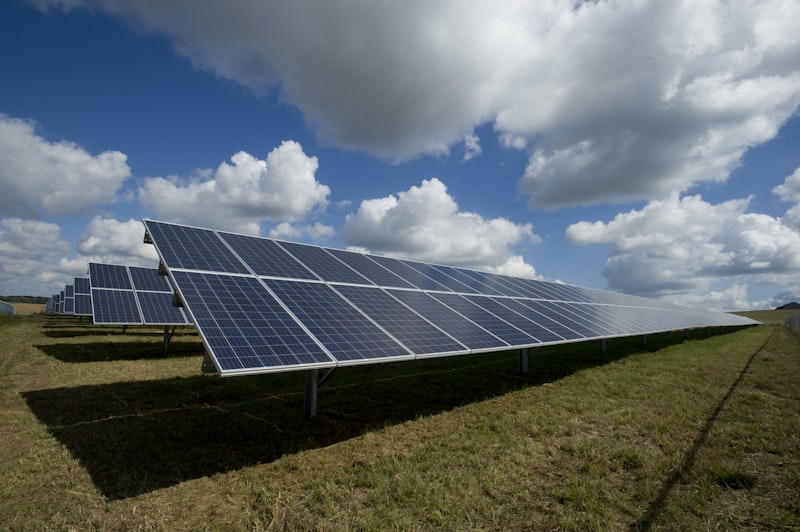
The Tana River also hosts several hydroelectric power stations that generate a significant portion of Kenya's electricity. Additional mini-hydro opportunities exist along tributaries, while the county's vast open lands are suitable for large-scale solar power generation. The national government's renewable energy policies provide favorable frameworks for private power generation investments.
Marsabit: Livestock, Wind, and Tourism
Marsabit County, Kenya's largest county by area, is primarily a pastoral economy where livestock, particularly camels, cattle, goats, and sheep, form the backbone of economic life. Modernizing the livestock value chain through establishing livestock markets, feedlots, slaughterhouses, cold chain facilities, and meat processing plants can transform the pastoral economy while creating profitable businesses.
The Lake Turkana Wind Power project in Marsabit County, Africa's largest wind farm, demonstrates the county's exceptional wind energy resources. Additional wind and solar energy projects are feasible in various locations, with the national grid infrastructure now extended to support power evacuation from northern Kenya. For investors with interest in renewable energy, Marsabit offers some of the best wind and solar resources on the continent.
Mount Marsabit National Reserve, Lake Turkana (a UNESCO World Heritage Site), and the dramatic desert landscapes of northern Kenya offer unique tourism experiences that are increasingly sought by adventure travelers. Establishing remote luxury camps, cultural tourism experiences with Rendille, Borana, and Gabra communities, and desert adventure operations can tap into the growing market for off-the-beaten-track tourism.
Cross-Border Trade Opportunities
Marsabit's proximity to the Ethiopian border creates cross-border trade opportunities, particularly as the Isiolo-Moyale highway has dramatically improved connectivity between Kenya and Ethiopia. The Moyale border town is becoming an important commercial center, with trade in livestock, consumer goods, and agricultural products flowing in both directions. Establishing trading companies, warehousing facilities, or logistics services at this growing gateway can capture value from the expanding Kenya-Ethiopia trade relationship.
Challenges and Risk Mitigation
Investing in frontier counties requires honest assessment of challenges. These include limited infrastructure requiring additional investment in access roads and utilities, security concerns in certain areas that require community engagement and security planning, water scarcity that necessitates investment in water infrastructure, limited skilled labor requiring investment in training and capacity building, and complex land tenure systems involving community and trust lands.
Mitigating these risks involves partnering with local communities and county governments, engaging security advisors, investing in water and infrastructure as part of your project development, and maintaining realistic timelines that account for the challenging operating environment. The potential returns in frontier areas can justify higher initial investment and risk, particularly for patient, long-term investors.
Huduma Global: Your Frontier Investment Guide
Investing in Tana River and Marsabit requires specialized knowledge, strong community relationships, and reliable local presence. Huduma Global provides diaspora investors with comprehensive support for frontier county investments, from initial feasibility assessment and community engagement to business registration, project development, and ongoing management. Our team navigates the unique challenges of these areas to help you realize the exceptional potential they offer.
Useful Resources and References
For more information on topics covered in this article, visit these authoritative sources:
- Ministry of Energy – Kenya Ministry of Energy
- EPRA – Energy and Petroleum Regulatory Authority
- Kenya Power – Kenya Power and Lighting Company
- REREC – Rural Electrification and Renewable Energy Corporation
Need help with any of these services? Huduma Global is your trusted diaspora concierge service in Kenya. Explore our services or contact us today.
More Articles

The Multiparty Era Reforms: Saba Saba, the Repeal of Section 2A and Kenya's Return to Political Pluralism
Jul 02, 2026

Eye Care in Kenya: Cataract, Trachoma and the Long Road to Universal Vision Health
Jul 02, 2026

Shaba National Reserve: Joy Adamson's Last Wilderness and Isiolo's Semi-Desert Safari Gem
Jul 02, 2026

The Rendille People of Northern Kenya: Camel Pastoralism, Clan Traditions and a Culture Under Pressure
Jul 02, 2026

Ukulima Sacco: From Ministry of Agriculture Staff Society to a National Cooperative Open to All Kenyans
Jul 02, 2026