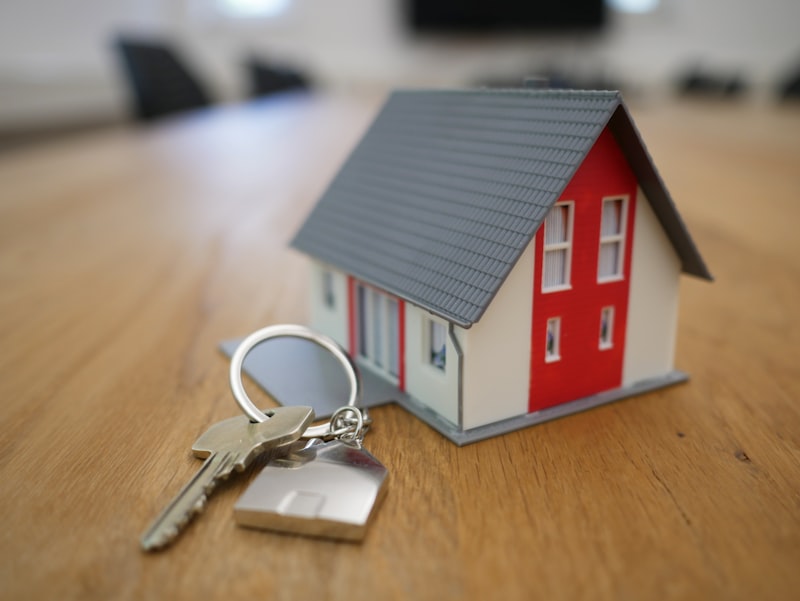
Kenyan Diaspora and Real Estate Photography: Verifying Properties You Cannot Physically Visit
Kenyan Diaspora and Real Estate Photography: Verifying Properties You Cannot Physically Visit
Buying property in Kenya from abroad is one of the most significant financial decisions a diaspora Kenyan can make, yet it comes with a fundamental challenge: how do you verify a property you cannot physically visit? Real estate fraud remains a persistent concern, with the Kenya Property Developers Association reporting that approximately 21 percent of fraud cases involve unregulated brokers, fake land sales, and forged title deeds. For diaspora buyers investing from thousands of miles away, visual verification through photography, drone footage, virtual tours, and digital inspection tools has become essential for making informed property decisions.
Why Visual Verification Matters for Diaspora Buyers
When you cannot walk the land yourself, photographs and video become your primary evidence of a property's condition, location, and legitimacy. Relying solely on descriptions from sellers or agents creates vulnerability to misrepresentation. Properties may be described as having tarmac road access when the nearest paved road is kilometers away. A plot advertised as residential may sit in a flood zone. Buildings marketed as newly constructed may have serious structural deficiencies invisible in carefully angled marketing photos.
Visual verification confirms the physical existence and location of the property, documents current conditions, reveals the surrounding environment and neighborhood character, provides evidence for comparison against official documents like survey plans, and creates a record that independent professionals including lawyers, valuers, and engineers can review.
Professional Real Estate Photography
Professional real estate photography goes beyond casual smartphone photos. A qualified photographer captures exterior shots from multiple angles showing the full property boundary, interior room-by-room documentation with attention to finishes and fixtures, close-up images of construction quality indicators such as wall joints, roofing materials, plumbing, and electrical installations, photos of access roads and the immediate neighborhood, and images of developments on adjacent properties.
When commissioning photography, insist on unedited photographs alongside professionally enhanced images. Marketing photos often use wide-angle lenses, favorable lighting, and strategic cropping to make properties appear larger than they are. Raw unedited photos provide a more honest representation. Request that the photographer include reference objects for scale and capture images at different times of day to show lighting conditions.
Drone Photography and Aerial Surveys
Drone technology has transformed property verification for remote buyers. Aerial photography provides perspectives that ground-level photography cannot achieve. Drones capture the full extent of property boundaries, showing exactly how much land is involved and how it relates to neighboring properties. They reveal topographical features including slopes, drainage patterns, waterways, and vegetation coverage that significantly affect usability and value.
For undeveloped land, drone surveys show whether plot boundaries match the survey plan, identify encroachments from neighbors, reveal unauthorized structures or activities on the land, document access routes and road conditions, and capture proximity to amenities and infrastructure. Several Kenyan companies now offer specialized drone survey services for diaspora buyers, providing high-resolution aerial photographs, video flyovers, and topographical mapping data comparable against official survey documents.
360-Degree Virtual Tours and 3D Walkthroughs
Virtual tour technology allows diaspora buyers to explore properties remotely with an immersive experience that closely mimics an in-person visit. Interactive walkthroughs let you navigate through rooms, look in any direction, zoom into details, and get a genuine sense of spatial layout. Most leading developers and agents in Nairobi now offer 360-degree photography and 3D walkthroughs as standard marketing tools.
When evaluating virtual tours, pay attention to areas the tour does not cover. A tour showcasing living spaces but skipping kitchens, bathrooms, or service areas may be hiding deficiencies. Request that tours include utility areas, parking spaces, storage rooms, rooftops of apartment buildings, and common areas. For off-plan properties, developers increasingly offer virtual reality renderings of completed projects, though these should be evaluated alongside actual construction progress photos.
Digital Title and Document Verification
Visual verification must be paired with thorough document verification. Kenya's Ardhisasa platform has digitized land registry functions, allowing diaspora buyers to conduct official property searches online. You can verify the registered owner, check for encumbrances, charges, or caveats, confirm the land reference number and size, and review ownership transfer history. The e-conveyancing system enables digital signatures and online stamp duty payment through iTax, meaning transactions can be completed without physical presence. Title deeds can be issued within 12 to 21 working days through the portal.
Hiring Independent Property Inspectors
A qualified inspector examines structural integrity including foundations, walls, roofing, and load-bearing elements. They check electrical systems, plumbing, water supply, and sewage connections. They assess compliance with National Construction Authority building codes. For diaspora buyers, insist on a written report with photographic evidence. Some inspection companies offer video-call walkthroughs where the inspector guides you through the property in real-time via Zoom or WhatsApp, allowing you to ask questions and request closer examination of specific areas.
Companies like Koch Properties provide comprehensive inspection services for diaspora clients, with experienced professionals assessing property condition and delivering detailed actionable reports. These services typically bundle title verification, physical inspection, valuation, and legal review into a single due diligence package.
Red Flags in Property Photos and Tours
Be cautious when sellers provide only a few carefully selected photos rather than comprehensive coverage. Watch for signs that photos are outdated, such as background construction not matching current Google Maps satellite imagery. Be suspicious of photos that never show boundary markers or the property's relationship to neighboring plots. Properties where the seller resists video calls or live walkthroughs deserve extra scrutiny.
Construction red flags visible in photos include diagonal cracks near windows and doors indicating foundation problems, water stains on ceilings suggesting roof leaks, uneven floors visible in tiled areas, exposed wiring in supposedly finished buildings, and gaps between walls and door or window frames. For land purchases, watch for signs of waterlogging, erosion, or dumping that sellers may try to conceal through selective photography.
Technology Tools for Independent Verification
Google Earth and Google Maps satellite imagery allows you to view properties from above, check surrounding land use, and compare historical imagery to see how an area has developed. GPS coordinates from property survey plans can be plotted on mapping platforms to verify that the physical location matches official documents. Social media and diaspora community platforms also serve as verification tools. County government pages often post development plans and zoning changes. The Diaspora Access platform connects overseas Kenyans with verified property listings and investment opportunities.
Legal Protections and Power of Attorney
Engage a qualified Kenyan advocate specializing in conveyancing to conduct an independent title search, review sale agreements, ensure compliance with the Land Registration Act, and handle registration through Ardhisasa. If you cannot travel to Kenya, a Power of Attorney granted to a trusted lawyer allows them to execute documents on your behalf. Ensure it is specific rather than general, limiting authority to the particular transaction.
Building a Verification Checklist
Before committing to any property purchase from abroad, ensure you have completed an official search on Ardhisasa confirming ownership and encumbrance status, obtained professional ground-level photography covering all aspects of the property, commissioned drone aerial photography showing boundaries and surroundings, arranged a virtual tour or live video walkthrough, hired an independent property inspector for buildings, engaged a licensed surveyor to verify land boundaries, cross-referenced the property location with satellite imagery, consulted with a qualified advocate for legal due diligence, and spoken with local community members about property history. Combining multiple verification methods builds a comprehensive picture that closely approximates knowledge from a personal visit, significantly reducing risk and enabling confident property investment decisions from anywhere in the world.
More Articles

The Multiparty Era Reforms: Saba Saba, the Repeal of Section 2A and Kenya's Return to Political Pluralism
Jul 02, 2026

Eye Care in Kenya: Cataract, Trachoma and the Long Road to Universal Vision Health
Jul 02, 2026

Shaba National Reserve: Joy Adamson's Last Wilderness and Isiolo's Semi-Desert Safari Gem
Jul 02, 2026

The Rendille People of Northern Kenya: Camel Pastoralism, Clan Traditions and a Culture Under Pressure
Jul 02, 2026

Ukulima Sacco: From Ministry of Agriculture Staff Society to a National Cooperative Open to All Kenyans
Jul 02, 2026