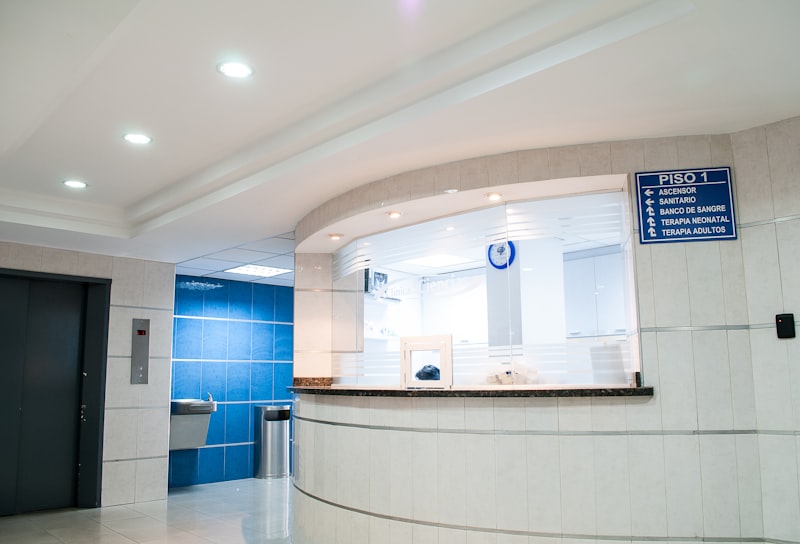
Kenyan Diaspora and Private Healthcare: Starting a Medical Clinic or Diagnostic Center
Kenya's Healthcare Market Opportunity
Kenya's healthcare sector is experiencing rapid growth driven by an expanding middle class, increasing health awareness, growing insurance coverage under SHA, and demand for quality medical services that the public health system cannot fully meet. Private healthcare facilities, from clinics and diagnostic centers to specialized hospitals, serve a growing market of patients willing to pay for better quality, shorter wait times, and more personalized care. For diaspora members with healthcare backgrounds or investment interest, the sector offers compelling returns alongside meaningful social impact.
Types of Healthcare Facilities
The healthcare market accommodates various facility types at different investment levels. A general outpatient clinic provides primary care consultations, minor procedures, and pharmacy services, requiring KES 5 million to KES 15 million to establish. A diagnostic center offering laboratory, imaging, and specialized testing services requires KES 10 million to KES 50 million depending on the range of equipment. A specialized clinic focusing on specific areas like dermatology, ENT, ophthalmology, or dental care serves niche markets with dedicated equipment and expertise.
A maternity and women's health center combines antenatal care, delivery services, and postnatal care, serving the constant demand for quality maternal healthcare. A rehabilitation and physiotherapy center serves the growing demand for physical rehabilitation, sports medicine, and chronic pain management. Each model can be viable depending on location, target market, and your capital availability.
Licensing and Regulatory Requirements
Healthcare facilities in Kenya are regulated by the Ministry of Health through county health departments. Licensing requirements include registration of the facility with the Kenya Medical Practitioners and Dentists Council, compliance with facility standards regarding space, equipment, and staffing, county health department inspection and approval, pharmacy and poisons board licensing for in-house pharmacies, and radiation protection board licensing for facilities with imaging equipment.
All medical professionals working in your facility must be registered and licensed by their respective regulatory boards. The facility must maintain adequate medical records, implement infection control protocols, and have waste disposal systems that comply with NEMA regulations for medical waste. These requirements ensure patient safety and protect your facility from regulatory issues.
Equipment and Technology
Medical equipment represents a major capital expense but is central to service quality and revenue generation. For a diagnostic center, key equipment includes laboratory analyzers for blood chemistry, hematology, and microbiology, imaging equipment such as X-ray, ultrasound, and potentially CT or MRI, ECG machines for cardiac diagnostics, and point-of-care testing devices for rapid results.
Equipment can be purchased new from manufacturers, acquired as certified refurbished units at significant discounts, or obtained through lease arrangements that reduce upfront capital requirements. Importing medical equipment may offer cost savings but requires KEBS certification and may involve extended delivery timelines. Establishing maintenance contracts or hiring a biomedical engineer ensures equipment remains operational and calibrated.
Staffing Your Healthcare Facility
Quality healthcare depends on qualified, motivated staff. Key personnel include medical officers or specialist doctors depending on your service offering, registered nurses and clinical officers, laboratory technologists and radiographers for diagnostic services, pharmacists for in-house pharmacy operations, and administrative and support staff. Competitive compensation, professional development opportunities, and a positive work environment help attract and retain quality healthcare professionals in a competitive market.
Revenue and Financial Management
Healthcare facility revenue comes from consultation fees, diagnostic test charges, procedure fees, pharmacy sales, and increasingly, insurance reimbursements. Registering as a provider with major health insurers and SHA significantly expands your patient base. Implementing a robust billing and revenue cycle management system ensures timely claims submission and payment collection. Average monthly revenue for a well-located outpatient clinic in Nairobi ranges from KES 500,000 to KES 3 million depending on services offered and patient volume.
Huduma Global: Your Healthcare Venture Partner
From facility licensing and premises setup to equipment procurement and staff recruitment, Huduma Global provides essential support for diaspora investors establishing healthcare facilities in Kenya. Our team navigates the regulatory landscape and manages the setup process while you bring your healthcare vision and investment to serve Kenya's growing patient population.
Useful Resources and References
For more information on topics covered in this article, visit these authoritative sources:
- Ministry of Health – Kenya Ministry of Health
- SHA Kenya – Social Health Authority
- Pharmacy Board – Pharmacy and Poisons Board
- KMPDC – Kenya Medical Practitioners and Dentists Council
Need help with any of these services? Huduma Global is your trusted diaspora concierge service in Kenya. Explore our services or contact us today.
More Articles

The Multiparty Era Reforms: Saba Saba, the Repeal of Section 2A and Kenya's Return to Political Pluralism
Jul 02, 2026

Eye Care in Kenya: Cataract, Trachoma and the Long Road to Universal Vision Health
Jul 02, 2026

Shaba National Reserve: Joy Adamson's Last Wilderness and Isiolo's Semi-Desert Safari Gem
Jul 02, 2026

The Rendille People of Northern Kenya: Camel Pastoralism, Clan Traditions and a Culture Under Pressure
Jul 02, 2026

Ukulima Sacco: From Ministry of Agriculture Staff Society to a National Cooperative Open to All Kenyans
Jul 02, 2026