The Kenya Maritime Authority Explained: How Ships, Ports and Seafarers Are Licensed Under the Merchant Shipping Act and the IMO Compliance Framework
The Kenya Maritime Authority Explained: How Ships, Ports and Seafarers Are Licensed Under the Merchant Shipping Act and the IMO Compliance Framework
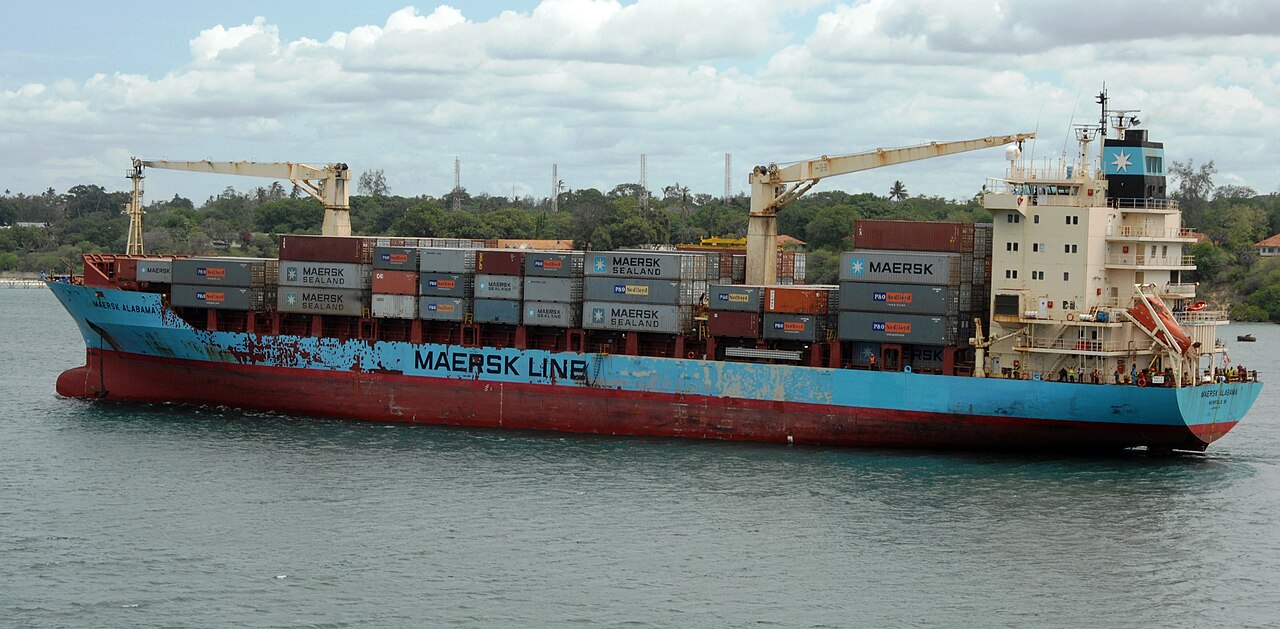
The Kenya Maritime Authority (KMA) is the state corporation responsible for the regulation, coordination and oversight of maritime affairs in Kenya. Established under the Kenya Maritime Authority Act, 2006 (now part of the Merchant Shipping Act, 2009 framework) and operating from headquarters at White House Road in Mombasa, KMA serves as the national maritime regulator under the broader institutional framework of the State Department for Shipping and Maritime Affairs. The Authority's mandate covers the regulation of merchant shipping (commercial vessels), seafarer certification and welfare, the licensing of maritime service providers (ship agents, freight forwarders, clearing agents in the maritime context), the safety and security of Kenyan maritime areas, marine environmental protection in cooperation with NEMA, and the implementation of Kenya's obligations under the International Maritime Organization (IMO) conventions. This guide walks through KMA's institutional framework, the principal licensing categories, the seafarer certification pathway, the port and shipping arrangements at Mombasa and Lamu, the marine environmental protection framework, and the practical considerations for operators in the sector.
The Legal and Institutional Framework
The Merchant Shipping Act, 2009 (Act No. 4 of 2009) consolidated and updated the Kenyan maritime statutory framework, replacing the earlier Merchant Shipping Act inherited from the colonial era and several subsequent amendments. The Act establishes the framework for ship registration, certification of seafarers, safety of navigation, prevention of pollution, salvage and wreck, and the broader operational matters of merchant shipping. The Kenya Maritime Authority Act, 2006 establishes KMA as the regulator. Kenya is a member of the International Maritime Organization and is party to the principal IMO conventions including SOLAS (Safety of Life at Sea), MARPOL (Marine Pollution Prevention), STCW (Standards of Training, Certification and Watchkeeping for Seafarers), and the Maritime Labour Convention. KMA implements these obligations through subsidiary legislation, regulations, and operational guidelines.
Ship Registration
Ships flagged as Kenyan vessels are registered with KMA under the Merchant Shipping Act. Registration involves verifying the ownership documents, the vessel's technical specifications, the safety equipment compliance, and the operational arrangements. Once registered, the ship is entitled to fly the Kenyan flag and to operate under Kenyan registration in international waters. Foreign-flagged vessels operating in Kenyan waters are subject to port state control inspections by KMA-trained inspectors verifying compliance with the SOLAS, MARPOL, STCW, and MLC standards. Non-compliant vessels can be detained until defects are cured.
Seafarer Certification
Kenya has a substantial seafarer workforce employed on Kenyan and international flagged vessels. KMA certifies Kenyan seafarers in accordance with the STCW Convention, with training conducted at the Bandari Maritime Academy in Mombasa, the Jomo Kenyatta University of Agriculture and Technology Mombasa campus (maritime training programmes), and several other accredited training institutions. Certificates of Competency are issued at the various seafarer rating levels — Able Seaman, Officer of the Watch, Chief Officer, Master Mariner for deck officers; Engineering Officer, Second Engineer, Chief Engineer for engineering officers; ratings, cooks, stewards, and electrical specialists for the various other shipboard roles. The STCW certificate is recognised on flag-of-convenience vessels and major shipping nations' fleets, enabling Kenyan seafarers to access employment on international vessels.
The Port of Mombasa
The Port of Mombasa is the principal commercial port of East Africa, handling more than 35 million tonnes of cargo per year through container, bulk, liquid bulk, and break-bulk operations. The Kenya Ports Authority (KPA) operates the port; KMA regulates the port operations under the broader maritime framework. The container terminal, bulk handling facilities, and oil-jetty operations together support the import-export trade of Kenya, Uganda, Rwanda, Burundi, South Sudan, and the broader east-and-central African region. The Port of Lamu, commissioned under the LAPSSET corridor framework, has begun operations with three berths and is expanding.
Marine Environmental Protection
KMA coordinates with the National Environment Management Authority (NEMA) and the Kenya Wildlife Service on marine environmental protection. The principal frameworks are the MARPOL Convention obligations on ship-source pollution prevention, the broader Environmental Management and Coordination Act framework for marine ecosystems, and the specific protections for the Kiunga Marine National Reserve, the Mombasa Marine National Park and Reserve, the Watamu Marine National Park, and other gazetted marine protected areas. Ships discharging into Kenyan marine waters face penalties under the Merchant Shipping Act and the broader environmental statutory framework.
Licensing of Maritime Service Providers
KMA licenses several categories of maritime service provider. Ship agents — companies acting on behalf of foreign-flagged vessels in Kenyan ports — require licensing demonstrating financial capacity, operational capability, and compliance with KMA's professional standards. Freight forwarders and clearing agents operating in the maritime context require licensing through the Kenya International Freight and Warehousing Association (KIFWA) framework and KMA's broader oversight. Marine surveyors, marine engineers, and marine insurance assessors require licensing through KMA and through their respective professional associations. Operations in the offshore sector (oil and gas exploration support, offshore servicing) require specific KMA licensing.
The Blue Economy Agenda
Kenya hosts the African Union's Blue Economy Conference framework and has integrated the broader blue economy concept into the country's development planning. The blue economy spans commercial fisheries, aquaculture, maritime trade, marine biotechnology, marine tourism, coastal infrastructure, and the broader use of marine resources. KMA's regulatory role intersects with each of these segments, and the Authority is increasingly involved in supporting the broader blue economy agenda alongside its core merchant shipping mandate.
Practical Tips for Operators
First, engage with KMA early on any maritime venture; the regulatory framework is technical and benefits from formal pre-application engagement. Second, ensure compliance with the relevant IMO conventions; many regulatory expectations track international standards rather than purely Kenyan rules. Third, work with accredited training and certification providers for any seafarer employment matters. Fourth, monitor the operational coordination with KPA, KRA Customs, KEPHIS, Port Health, and other agencies that operate alongside KMA at the ports. Fifth, follow the publication of new regulations and operational notices on the KMA portal.
The Bigger Picture
Kenya's maritime sector is one of the country's most strategically important economic spheres. The Port of Mombasa is the gateway for the country and the broader Eastern African region. The seafarer workforce contributes meaningful foreign-exchange earnings. The broader blue economy offers substantial growth potential. KMA's regulatory framework is the institutional backbone within which this maritime economy operates. For investors, operators, and professionals in the sector, mastering the KMA framework is a foundational requirement.
The Kenya Maritime Authority publishes the licensing forms, fee schedules, regulatory notices, and operational guidelines. The Kenya Ports Authority publishes the port operations and tariff information. The State Department for Shipping and Maritime Affairs publishes the broader policy framework.
More Articles
The Multiparty Era Reforms: Saba Saba, the Repeal of Section 2A and Kenya's Return to Political Pluralism
Jul 02, 2026
Eye Care in Kenya: Cataract, Trachoma and the Long Road to Universal Vision Health
Jul 02, 2026

Shaba National Reserve: Joy Adamson's Last Wilderness and Isiolo's Semi-Desert Safari Gem
Jul 02, 2026

The Rendille People of Northern Kenya: Camel Pastoralism, Clan Traditions and a Culture Under Pressure
Jul 02, 2026

Ukulima Sacco: From Ministry of Agriculture Staff Society to a National Cooperative Open to All Kenyans
Jul 02, 2026