Where Kenya's Wealth Actually Sits: A 2026 County-By-County Guide for Diaspora Investors Deciding Where to Put Their Money
Where Kenya's Wealth Actually Sits: A 2026 County-By-County Guide for Diaspora Investors Deciding Where to Put Their Money
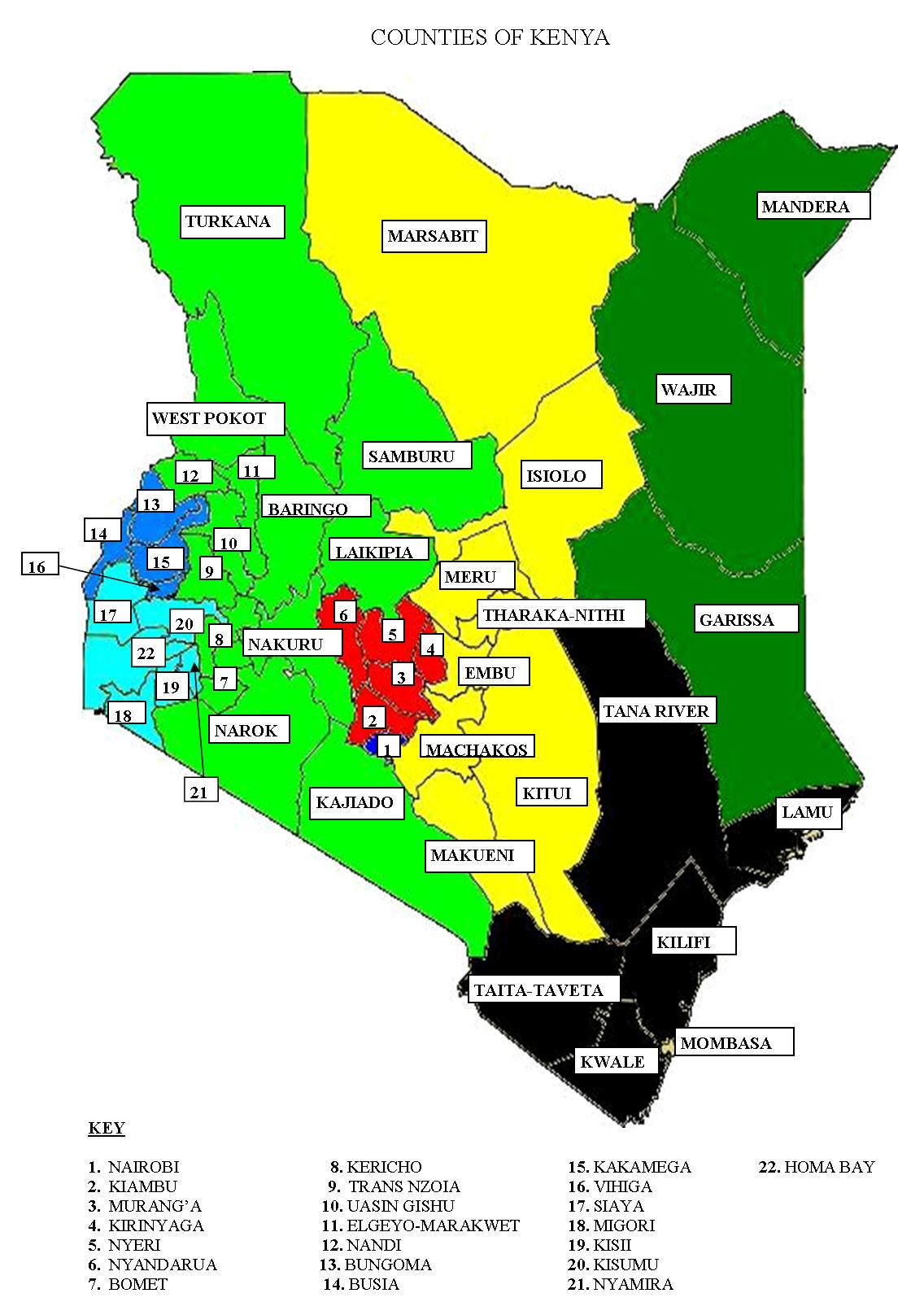
One of the cleanest ways to lose diaspora capital in Kenya is to invest based on sentiment rather than data. The plot of land near the family home in Kakamega looks like a steal, the small hotel in Lamu has a romantic story, the apartment in Eldoret comes with a friend's verbal guarantee. Sentiment is not a strategy. The Devolution Watch reports of the past three years, together with the 2026 Economic Survey, give every diaspora investor a hard-headed map of where Kenya's economic gravity actually sits. Five counties account for almost half of national output. Sixteen counties together contribute less than 5 per cent of GDP. The implications for investment, returns, and exit strategy are profound, and this article walks through them county by county.
The Top Five: Where Half the Economy Lives
Nairobi is the unchallenged leader, contributing 27.4 per cent of national gross value added. Kiambu follows at 5.6 per cent, Nakuru at 5.2 per cent, Machakos and Mombasa in the 4-4.5 per cent range each. Together these five counties produce around 47 per cent of Kenya's economic output despite being home to roughly 30 per cent of the population. The implication for diaspora investors is that risk-adjusted returns are highest in this cluster because the consumer market is dense, infrastructure is meaningful, labour pools are deep, and exits — selling a property or a business when you need to — are realistic rather than aspirational.
Nairobi specifically remains the only county where institutional investors are actively bidding for prime real estate. If you buy a well-located property in Nairobi at a fair price, you can in most years sell it within sixty days. Try the same in Bomet or Wajir and you will spend a year searching for a buyer.
The Diaspora-Favoured Tier
Beyond the top five, a second tier of counties has earned diaspora attention because of specific structural advantages. Kajiado has Nairobi metro spillover and absorbs new housing demand from Athi River to Kitengela. Murang'a is a coffee and dairy belt with strong land titles. Uasin Gishu has the agricultural and athletics economy of Eldoret. Kisumu is the lake-side commercial capital with a renewed airport and a growing services sector. Nyeri has retiree-friendly infrastructure and a strong horticultural base. Kilifi and Kwale have coastal tourism and the niche residential market in Diani and Watamu.
For diaspora investors, this tier is where higher-risk, higher-return plays make sense. Land is cheaper than in the top five, but liquidity is lower and you need real local knowledge. The successful diaspora investor in this tier almost always has either a trusted family business partner or a professional asset manager on the ground.
The Pure-Risk Tier
The bottom sixteen counties — including Tana River, Lamu, Garissa, Wajir, Mandera, Marsabit, Samburu, Turkana, West Pokot, Baringo, Elgeyo-Marakwet, Tharaka-Nithi, Vihiga, Busia, Lamu, and a handful of others — each contribute less than 1 per cent of national output. These counties have specific opportunities: ASAL grazing investments in Turkana, tourism in Lamu, gum arabic in Garissa, beekeeping in Baringo, fishing in Tana River. But the absence of liquid markets, the security concerns in some northern counties, and the thin formal sector mean that any diaspora investment here should be viewed as patient capital with a ten-year horizon and modest expected returns.
What County Allocations Tell Diaspora Investors
The 2026/27 budget allocates KSh 495.7 billion to counties, distributed according to the formula established by the Commission on Revenue Allocation. Nairobi, Turkana, and Mandera receive the largest absolute allocations because of population and need; smaller, wealthier counties like Embu and Kirinyaga receive less in absolute terms but more per capita.
For diaspora investors, the allocation matters because it determines the quality of county services — roads, water, waste management, business registration, and local-level health and education. A well-funded county that also collects its own-source revenue effectively is a better business environment. The County Treasury reports filed with the Controller of Budget are public and worth reviewing before any significant investment.
Growth Corridors That Cross County Lines
Some of the most attractive diaspora investments sit on growth corridors that cross county boundaries. The Nairobi-Nakuru-Eldoret highway corridor links three counties and absorbs warehousing and logistics demand. The Mombasa-Nairobi SGR corridor anchors industrial parks in Athi River, Kamukunji and Voi. The Nairobi-Thika-Murang'a expressway has reshaped the residential market north-east of the capital. The Mombasa-Malindi-Lamu coastal corridor is being reshaped by LAPSSET. The Kisumu-Kakamega-Bungoma western belt is the agricultural heartland.
Investing along a corridor rather than in a single county insulates against single-county political risk and benefits from infrastructure spillovers. Diaspora investors should think corridor first, county second.
County-Level Own Source Revenue and Risk
One Devolution Budget Watch finding worth flagging is that county own-source revenue has stagnated or declined in real terms in many counties. Local fees, business permits, parking fees, and property rates underperform targets in roughly half the counties. The implication is that counties remain heavily dependent on national transfers, and a future fiscal squeeze at the national level would translate into delayed county payments, late salary payments for county staff, and slowed service delivery. Diaspora investors with assets in dependent counties should monitor county audit reports from the Office of the Auditor-General, where late or qualified opinions are an early warning.
Diaspora-Specific Hot Sectors by County
Nairobi: tech start-ups, prime residential, premium services.
Kiambu: real estate, agro-processing, education.
Nakuru: agribusiness, tourism, manufacturing.
Machakos: industrial parks, EPZ-linked manufacturing, dormitory housing.
Mombasa: logistics, hospitality, marine services.
Uasin Gishu: agriculture, athletics-linked sports academies, university-anchored services.
Kisumu: lake-economy logistics, fish processing, financial services.
Murang'a: coffee, dairy, residential housing for Nairobi commuters.
Nyeri: horticulture, retiree housing, education.
Kajiado: housing, conservancies, tourism.
Kilifi/Kwale: coastal tourism, second homes, marine economy.
What Diaspora Investors Should Do Before Committing Capital
First, look up your target county's contribution to national GDP and its own-source revenue performance. The KNBS publishes county statistical abstracts that include both. Second, study the County Integrated Development Plan, which lays out the county's priorities for the next five years. Third, verify any land you intend to acquire on Ardhisasa if the county is one of the eight in which Ardhisasa is live. Fourth, examine the county's recent audit reports; counties with qualified or adverse opinions are higher risk for any business that depends on county services. Fifth, talk to existing diaspora investors in your target county before you commit, ideally through the State Department for Diaspora Affairs investor network.
The Bigger Picture
Devolution gave Kenya 47 governments where there used to be one, and the results are uneven. The diaspora investor who pretends every county is the same will lose money. The diaspora investor who reads the wealth distribution data, picks the right county for the right sector, and engages with county-level governance will earn returns above the national average. The Economic Survey, the Controller of Budget reports, the Devolution Watch — all of these are public, free, and the foundation of a serious diaspora investment strategy.
For the macro context, see our Economic Survey 2026 decoded and 2026/27 Budget analyses, both of which feed directly into the county-level read in this article.
More Articles

The Multiparty Era Reforms: Saba Saba, the Repeal of Section 2A and Kenya's Return to Political Pluralism
Jul 02, 2026

Eye Care in Kenya: Cataract, Trachoma and the Long Road to Universal Vision Health
Jul 02, 2026

Shaba National Reserve: Joy Adamson's Last Wilderness and Isiolo's Semi-Desert Safari Gem
Jul 02, 2026

The Rendille People of Northern Kenya: Camel Pastoralism, Clan Traditions and a Culture Under Pressure
Jul 02, 2026

Ukulima Sacco: From Ministry of Agriculture Staff Society to a National Cooperative Open to All Kenyans
Jul 02, 2026