Kenya Coffee and Tea Reforms 2026: How the Co-operative and Auction Changes Affect Diaspora Agribusiness Investors and Returnee Farmers
Kenya Coffee and Tea Reforms 2026: How the Co-operative and Auction Changes Affect Diaspora Agribusiness Investors and Returnee Farmers
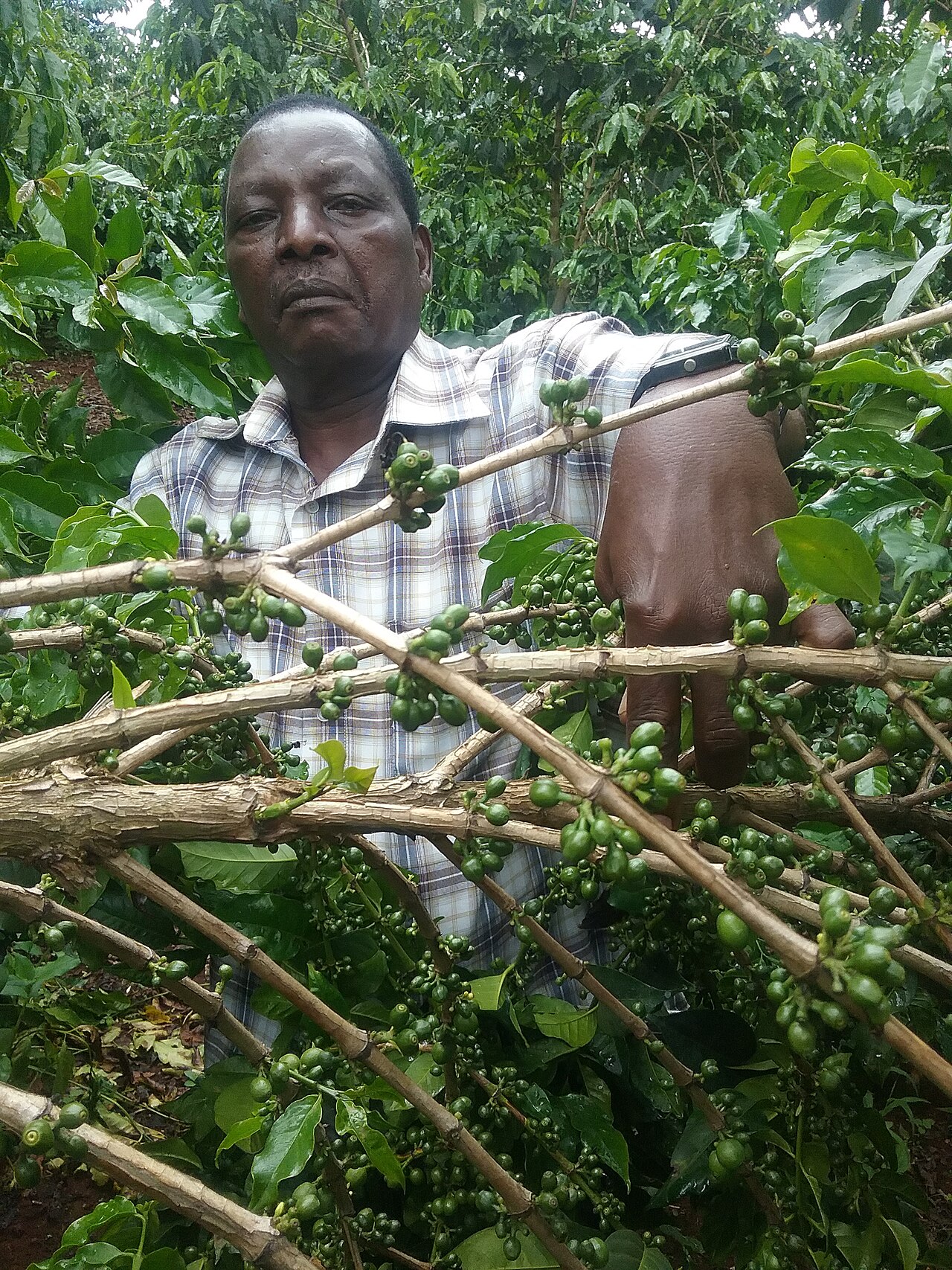
Coffee and tea built Kenyan agriculture. They paid school fees through the 1970s and 1980s, anchored the rural economy through the structural-adjustment decades, and remain the country's two largest agricultural export earners alongside horticulture. In 2025, coffee earned Kenya around KSh 30 billion in exports while tea earned roughly KSh 180 billion. Yet the farmers who grow the crops have for years complained that they receive a fraction of the final value, that the auction systems lack transparency, and that the co-operatives meant to protect them have in many cases been captured by intermediaries. The 2026 reforms — driven by the Coffee Bill 2024, the Tea Act 2020 (as amended in 2024), and the operational restructuring of the Nairobi Coffee Exchange and the Mombasa Tea Auction — attempt to address all three complaints. For diaspora Kenyans with rural roots, ancestral land, or commercial agribusiness interest, the reforms reshape every part of the value chain.
This guide walks through what changed in 2026, what it means for co-operatives, how the auction systems now work, the direct-trade exemptions that diaspora exporters increasingly use, and the practical investment opportunities at each link of the chain.
Coffee: The Reforms in Plain Language
The Coffee Bill 2024, gazetted in late 2025, restructures coffee marketing in three substantive ways. First, it limits the maximum agent commission at the Nairobi Coffee Exchange to a transparent percentage of the FOB value. Second, it requires direct payment of grower proceeds within fourteen days of auction settlement, replacing the discretionary settlement timelines that previously trapped farmer money in intermediary accounts. Third, it permits direct overseas marketing licences for individual estates and co-operatives that meet specified volume and quality criteria, allowing them to bypass the Nairobi Coffee Exchange entirely for buyers willing to engage directly.
The Agriculture and Food Authority (AFA), through its Coffee Directorate, now licenses marketing agents, dealers, and pulping stations under a unified framework. Co-operatives are required to publish quarterly audited accounts, and members can request management changes at general meetings with simpler procedural rules. For diaspora-funded farmers and co-operative members, the reforms create a more transparent operating environment and a real chance to earn closer to international auction prices rather than the heavily-discounted residuals that historically reached the farm.
Tea: The Mombasa Auction and Direct Trade
The Tea Act 2020 (as amended in 2024) restructured the Kenya Tea Development Agency (KTDA) and the Mombasa Tea Auction. The Mombasa Tea Auction, run by the East African Tea Trade Association (EATTA), remains the largest tea auction in the world by volume and trades roughly 80 per cent of Kenyan tea alongside Ugandan, Rwandan, Burundian and Malawian production. Reforms have improved the auction's information transparency, mandated electronic bidding for all major lots, and tightened the licensing of buyers and tea brokers.
The most significant change for diaspora-funded operations is the formalised direct-trade pathway. Producers who meet quality and traceability standards can apply for direct overseas marketing licences and sell to international buyers directly, with KTDA or independent buyers handling the logistics. The direct-trade route can lift farm-gate prices significantly for high-quality specialty tea, and diaspora-funded boutique tea brands have used the route to enter UK, US, and Gulf retail markets with branded Kenyan tea.
Co-operatives: The Diaspora Stake
Most diaspora Kenyans with rural farming roots are co-operative members, either by direct membership or by inheritance. The reforms strengthen member rights in three areas. First, transparent disclosure of factory and societal accounts. Second, simpler procedures for changing management at general meetings. Third, mandatory professional management of co-operative societies above a defined size threshold, replacing the legacy pattern where committee chairs doubled as operational managers.
For diaspora members, the practical implication is meaningful. A diaspora member with a recorded membership can now request accounts, vote by proxy through clearly documented procedures, and challenge questionable financial reports. The Co-operative Societies (Amendment) Act 2024, working alongside the Coffee Bill, gives the diaspora-side leverage that did not previously exist.
Direct Trade Exemptions: The Boutique Opportunity
The direct-trade route is the most exciting opportunity for diaspora-funded niche operations. A boutique Kenyan coffee or tea brand can now register as a marketer, source from approved estates or co-operatives, manage processing under licensed facilities, and export to chosen markets without the Nairobi Coffee Exchange or Mombasa Tea Auction as intermediaries. The licensing fee is modest, the documentation requirements are manageable, and several diaspora-led brands — including specialty roasters in London, Berlin, and New York — have already established direct-trade relationships with named Kenyan estates.
The economic logic is straightforward. Auction price discovery is efficient but generic. Branded direct-trade pricing captures premium for traceability, specific origin, processing method, and brand story. The diaspora has a unique advantage in this market because it sits on both ends of the value chain: roots in Kenya for sourcing and licensing, network in destination markets for sales and distribution.
Practical Investment Opportunities
The reforms open four investment opportunities for diaspora capital. First, capacity upgrades at existing co-operatives — improved pulping equipment, washing stations, drying beds — funded through low-interest loans repaid against future deliveries. Second, boutique estate acquisitions, particularly in the Nyeri, Kiambu, Murang'a coffee belt and the Kericho, Nandi, Bomet tea belt. Third, direct-trade marketing companies that aggregate from multiple estates and sell to specialty buyers abroad. Fourth, value-added processing — roasting, packaging, branding — done in Kenya for export at higher margin than green-bean export.
The Agricultural Finance Corporation, the Kenya Industrial Estates, and the Equity Foundation's agribusiness window all support qualifying investments with concessional financing. The Agriculture and Food Authority publishes the licensing framework and the most current schedule of approved direct-trade licensees.
Risks and Caveats
Coffee and tea are exposed to international price cycles, climate-related yield variation, and disease pressure. Coffee leaf rust and coffee berry disease remain persistent concerns; tea is exposed to drought and to changes in major buyer-country tariff regimes. The reforms also do not erase the political economy challenges of co-operatives — committee disputes, election manipulation, and accounting irregularities will remain features of the landscape for some societies. Diaspora investors should approach co-operative engagement with patient capital and realistic expectations rather than expecting the reforms to deliver immediate cultural change.
What Diaspora Agribusiness Investors Should Do This Quarter
First, audit any existing co-operative membership records, request the most recent audited accounts, and confirm your member share standing. Second, if you are considering a boutique estate acquisition, engage an agricultural economist and an advocate to do quality, soil, and title due diligence — Ardhisasa, which we covered in our digital land registry guide, can verify ownership of the target parcel. Third, if direct-trade is your strategy, register early with AFA, complete the documentation for export licensing, and build the buyer-side relationships in your destination market before peak season. Fourth, follow the Coffee Bill and Tea Act regulations as they are gazetted; the implementing regulations sometimes adjust the practical access points.
The Bigger Picture
Coffee and tea are not just commodities. They are the social-economic foundation of large parts of rural Kenya and the carriers of family memory for millions of diaspora households. The 2026 reforms do not solve every problem in the sector, but they create the most farmer-friendly framework in a generation. Diaspora capital, diaspora marketing relationships, and diaspora cultural attention can compound the reforms into real value for the families and communities that grow the crops. The investment thesis is patient, the moral case is compelling, and the practical opportunity is meaningful for the diaspora investors willing to do the work.
For the wider macro context, see our county wealth analysis and Economic Survey 2026 decoded, both of which underscore the structural importance of agriculture even as it grows more slowly than services in the national economy.
More Articles

The Multiparty Era Reforms: Saba Saba, the Repeal of Section 2A and Kenya's Return to Political Pluralism
Jul 02, 2026

Eye Care in Kenya: Cataract, Trachoma and the Long Road to Universal Vision Health
Jul 02, 2026

Shaba National Reserve: Joy Adamson's Last Wilderness and Isiolo's Semi-Desert Safari Gem
Jul 02, 2026

The Rendille People of Northern Kenya: Camel Pastoralism, Clan Traditions and a Culture Under Pressure
Jul 02, 2026

Ukulima Sacco: From Ministry of Agriculture Staff Society to a National Cooperative Open to All Kenyans
Jul 02, 2026