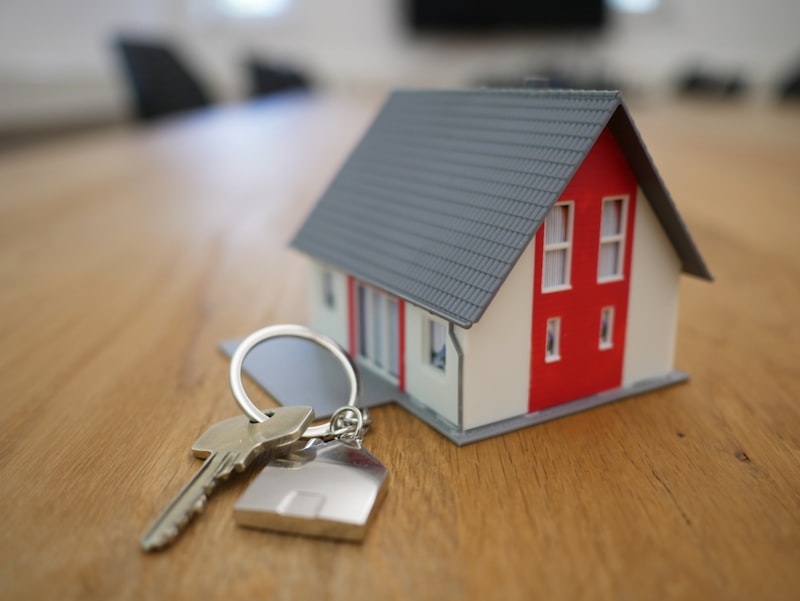
Kenya's Affordable Housing Program: Opportunities for Diaspora Real Estate Investors
Kenya's Affordable Housing Program: Opportunities for Diaspora Real Estate Investors
Kenya faces a housing deficit exceeding two million units, growing by approximately 250,000 units every year. To address this crisis, the government launched the Affordable Housing Program (AHP) under the Bottom-Up Economic Transformation Agenda, backed by the Affordable Housing Levy that collected KES 73.2 billion in the 2024/25 financial year—exceeding its KES 63.2 billion target by KES 10 billion. For Kenyans in the diaspora, this program presents a unique investment opportunity to own property in Kenya at below-market prices with government-backed mortgage financing. This guide explains everything you need to know about participating in the program, the investment potential, and how to navigate the process from abroad.
How the Affordable Housing Program Works
The AHP operates through the Boma Yangu platform (bomayangu.go.ke), a digital portal where eligible Kenyans register, save towards their preferred housing unit, and eventually receive allocation. The program targets different income brackets with specific unit types. Studio apartments start from approximately KES 1 million, one-bedroom units from KES 1.5 million, two-bedroom units from KES 2.5 million, and three-bedroom units from KES 4 million. These prices are significantly below market rates, which in Nairobi typically range from KES 4 million for a one-bedroom to KES 15 million or more for a three-bedroom apartment in comparable locations.
The government subsidizes construction costs through the Housing Levy fund, partnerships with private developers, and tax incentives that reduce the final price to buyers. The Treasury has set an even more ambitious levy collection target of KES 95.84 billion for the 2025/26 financial year, indicating expanded program capacity.
Diaspora Registration and Application Process
Kenyans living abroad can now register and participate in the AHP through the dedicated diaspora portal on the Boma Yangu platform. The process involves several steps. First, create an account on bomayangu.go.ke using your national ID number or passport number. Second, complete your profile with personal details, employment information, and your current country of residence. Third, begin saving through the platform—you can make deposits via M-Pesa, bank transfer, or international payment methods.
Once you have saved an amount equal to 10 per cent of your preferred unit's price (the deposit), you become eligible for unit allocation. For example, if you want a two-bedroom unit priced at KES 2.5 million, you need to save KES 250,000 through the platform. After allocation, you can pay the balance through cash payment, a mortgage from a participating financial institution, or a combination of both. The platform allows you to track your savings progress and investment status remotely from anywhere in the world.
Projects Currently Available and Under Construction
As of early 2026, three major projects have been completed under the AHP. The Mukuru Affordable Housing Project in Nairobi delivered 1,080 units and achieved full occupancy. The Homa Bay project delivered 110 units, also fully occupied. The Bondeni project in Nakuru completed 605 units with an 80 per cent occupancy rate. The Mukuru development, spanning 56 acres, is the flagship project and aims to deliver a total of 13,248 units by March 2026.
Additional projects are underway or planned across all 47 counties, with major developments in Nairobi (Starehe, Pangani, Park Road), Mombasa, Kisumu, Nakuru, Eldoret, and other urban centres. The government has partnered with private developers and international development finance institutions to accelerate delivery. For diaspora investors, projects in major urban centres offer the strongest potential for capital appreciation and rental income due to high demand and limited supply.
Financing Options: KMRC and Affordable Mortgages
The Kenya Mortgage Refinance Company (KMRC) is the government's vehicle for making home loans affordable. KMRC provides long-term, fixed-rate funding to participating banks and SACCOs, enabling them to offer mortgages at interest rates as low as 10 per cent compared to commercial rates of 14–18 per cent. Since inception, KMRC has disbursed KES 11.9 billion to financial institutions for on-lending to home buyers.
KMRC-backed mortgages are available for properties valued up to KES 10.5 million with loan terms of up to 25 years. To qualify, you need a valid KRA PIN, proof of income (employment letter or business financial statements), a minimum deposit (typically 10 per cent of the property value), and a clean credit history with the Credit Reference Bureau. Participating financial institutions include KCB Bank, NCBA, Absa Kenya, Stanbic Bank, Housing Finance Company, and several SACCOs including Kenya Police SACCO and Tower SACCO.
The Affordable Housing Levy: What Diaspora Kenyans Should Know
The Affordable Housing Levy, introduced through the Finance Act 2023 and upheld by the courts, requires all employed persons in Kenya to contribute 1.5 per cent of gross salary, matched by an equal employer contribution. While Kenyans employed abroad by foreign employers are not subject to this levy, those who earn income in Kenya (such as rental income or business profits) may have indirect exposure through their employees' contributions.
The levy contributions are not lost money—they accumulate in your name and can be applied towards purchasing an affordable housing unit, used as part of your deposit, or refunded with interest if you do not purchase a unit within a specified period. For diaspora Kenyans who previously worked in Kenya and contributed to the levy, these accumulated funds can be applied towards your Boma Yangu housing purchase.
Investment Analysis: Returns and Appreciation Potential
The investment case for affordable housing units is compelling. Properties purchased under the AHP at subsidized prices immediately have a built-in equity gain because their market value typically exceeds the purchase price. For example, a two-bedroom unit purchased at KES 2.5 million in Nairobi's Mukuru area may have a market value of KES 4–5 million, representing an immediate paper gain of 60–100 per cent. Kenya's real estate market has historically delivered capital appreciation of 5–10 per cent annually in major urban centres.
Rental yields in Nairobi average 5–7 per cent for residential properties, meaning a unit valued at KES 4 million could generate monthly rent of approximately KES 17,000–23,000. For diaspora investors who purchased at the subsidized price of KES 2.5 million, the effective rental yield on invested capital is even higher at 8–11 per cent. Combined with capital appreciation, total returns can comfortably exceed 15 per cent annually—significantly outperforming bank deposits and many other investment options available in Kenya.
Risks and Considerations
Despite the attractive returns, diaspora investors should consider several risks. Delivery delays are common in government housing projects—timelines may shift due to procurement challenges, contractor capacity, or funding gaps. Location quality varies significantly; some affordable housing sites are in areas with limited infrastructure, transport links, or amenities, which affects both rental demand and resale value. Management challenges arise when managing rental property from abroad; engaging a reputable property management company (typically charging 8–12 per cent of monthly rent) is essential.
Additionally, be aware of the resale restrictions on affordable housing units. The government imposes a lock-in period during which you cannot sell the unit at market price—if you sell within this period, you may be required to sell back to the government at the original purchase price or a regulated price. Verify the specific terms for your unit before purchasing. Despite these constraints, the program remains one of the most accessible entry points into Kenyan real estate for diaspora investors.
Step-by-Step Guide for Diaspora Investors
To get started with affordable housing investment from abroad, follow these steps. Obtain or verify your KRA PIN at kra.go.ke—you need this for any property transaction in Kenya. Register on the Boma Yangu portal with your ID or passport details. Begin regular savings through the platform, targeting at least 10 per cent of your preferred unit type's price. Monitor available projects and select units in locations with strong infrastructure and transport connectivity. Once allocated, arrange financing through a KMRC-participating bank if needed. Appoint a trusted local representative or advocate to handle any in-person requirements such as unit inspection and key collection. If investing for rental income, engage a licensed property management company before the unit is ready for occupation.
The affordable housing program represents a rare convergence of government policy support, below-market pricing, and genuine housing demand that creates a favourable environment for diaspora real estate investment. With proper due diligence and realistic expectations about timelines, it can be a cornerstone of your Kenya investment portfolio.
More Articles

The Multiparty Era Reforms: Saba Saba, the Repeal of Section 2A and Kenya's Return to Political Pluralism
Jul 02, 2026

Eye Care in Kenya: Cataract, Trachoma and the Long Road to Universal Vision Health
Jul 02, 2026

Shaba National Reserve: Joy Adamson's Last Wilderness and Isiolo's Semi-Desert Safari Gem
Jul 02, 2026

The Rendille People of Northern Kenya: Camel Pastoralism, Clan Traditions and a Culture Under Pressure
Jul 02, 2026

Ukulima Sacco: From Ministry of Agriculture Staff Society to a National Cooperative Open to All Kenyans
Jul 02, 2026