The Future of Kenya's Economy: Trends Every Diaspora Investor Should Watch
The Future of Kenya's Economy: Trends Every Diaspora Investor Should Watch
Kenya's economy continues to demonstrate remarkable resilience, with GDP growth reaching 4.5 per cent in 2025 and projections of 5.3 per cent for 2026. For the estimated four million Kenyans living abroad—whose remittances hit a record USD 5.04 billion in 2025, surpassing tea and tourism as the nation's largest foreign exchange earner—understanding where the economy is heading is essential for making informed investment decisions. From fintech and green energy to affordable housing and agribusiness, several transformative trends are reshaping Kenya's economic landscape and creating significant opportunities for diaspora investors.
Macroeconomic Stability: A Stronger Foundation
Kenya's macroeconomic fundamentals have improved markedly. Inflation declined from 9.6 per cent in October 2022 to 3.8 per cent by May 2025, providing stability for consumers and businesses alike. The Kenyan shilling strengthened from KES 159.7 per USD in January 2024 to approximately KES 129.3 per USD by mid-2025, recovering much of the ground lost during the 2022–2023 depreciation cycle. This currency appreciation directly benefits diaspora investors because it means your dollar, pound, or euro purchases less Kenya Shilling-denominated assets—potentially making now a strategic window before further appreciation erodes purchasing power.
The Central Bank of Kenya has maintained a disciplined monetary policy stance, with interest rate adjustments successfully bringing inflation within the target band. Public debt management remains a concern, with the government targeting a fiscal deficit of 4.5 per cent of GDP for the 2025/26 financial year as part of its fiscal consolidation strategy. However, Kenya's credit rating outlook has improved, potentially unlocking access to cheaper international financing.
Sector-by-Sector Investment Trends
1. Financial Technology (Fintech)
Kenya hosts approximately 102 fintech companies, accounting for 15 per cent of Africa's fintech startups. The sector is built on the foundation of M-Pesa, which now processes over 50 million transactions daily. Investment opportunities extend beyond mobile money into digital lending platforms, insurtech, blockchain-based remittance solutions, and embedded finance services. The CBK's regulatory sandbox allows innovative fintech companies to test products in a controlled environment, reducing the risk of regulatory surprises for investors.
For diaspora investors, fintech offers relatively low capital entry points (some startups accept angel investments from USD 5,000) with potentially high returns. However, the sector is competitive and regulatory changes can significantly impact business models. Focus on companies with clear regulatory compliance, proven revenue models, and strong management teams.
2. Green Energy and Clean Technology
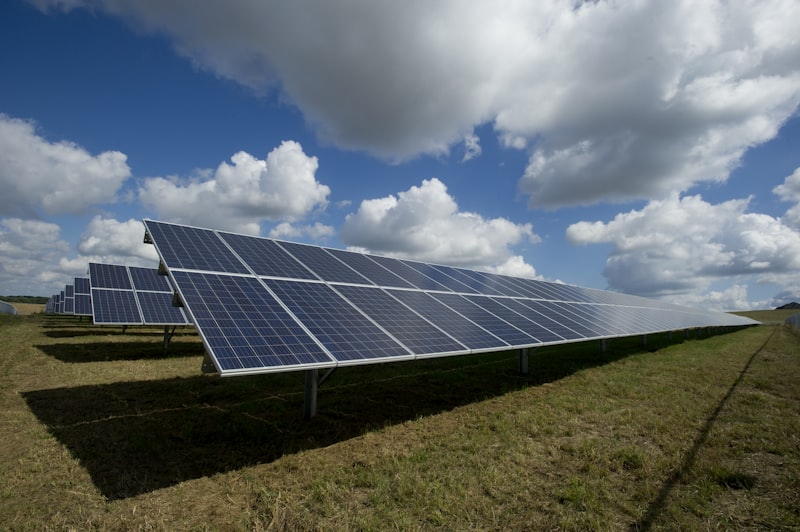
Clean energy has overtaken fintech as Kenya's most-funded sector, with the country securing 57 per cent of Q3 2025 African clean energy investments—amounting to USD 560.9 million. The Energy Act Amendment passed in April 2025 mandates prioritizing cheaper renewable energy sources for national grid integration, creating a powerful regulatory tailwind for the sector. Kenya already generates over 90 per cent of its electricity from renewable sources, primarily geothermal and hydroelectric.
Investment opportunities include solar mini-grid companies serving off-grid communities, electric vehicle charging infrastructure, clean cooking solutions (replacing charcoal and kerosene), waste-to-energy projects, and green hydrogen production. The government's target of 100 per cent renewable energy by 2030 ensures sustained policy support. Diaspora investors can participate through direct equity investments, green bonds listed on the Nairobi Securities Exchange, or impact investment funds focused on East African clean energy.
3. Affordable Housing
Kenya faces a housing deficit of over two million units, growing by approximately 250,000 units annually. President Ruto's Bottom-Up Economic Transformation Agenda has identified affordable housing as a core pillar, with the government implementing policies including tax incentives for developers building affordable units, the Kenya Mortgage Refinance Company (KMRC) offering loans at 10 per cent interest (compared to commercial rates of 14–18 per cent), and the Affordable Housing Levy (1.5 per cent of gross salary) creating a dedicated funding pool.
The IFC is delivering USD 65 million in advisory programmes to attract private investment in affordable housing. For diaspora investors, opportunities include purchasing units in government-approved affordable housing projects (starting from KES 1 million), investing in real estate investment trusts (REITs) focused on affordable housing, and partnering with local developers on housing projects that qualify for government incentives.
4. Agriculture and Agribusiness
Agriculture accounts for roughly a quarter of Kenya's GDP and grew by 3.2 per cent in 2025, driven by stronger milk production and robust cut-flower exports. The sector is undergoing a technology-driven transformation, with agri-tech startups addressing challenges in farm inputs distribution, market access, cold chain logistics, and agricultural finance. The Kenya Diaspora Investment Strategy 2025–2030 specifically identifies agriculture and agribusiness as a priority sector for diaspora capital.
High-potential subsectors include horticulture and floriculture for export (Kenya is the world's third-largest flower exporter), dairy farming and processing, avocado farming for the booming international market, poultry and aquaculture, and value-added processing of tea, coffee, and macadamia nuts. The key advantage for diaspora investors is that agricultural land prices outside Nairobi remain relatively affordable, and many agribusiness ventures can be managed remotely through local farm managers.
5. Manufacturing Under the Big Four Agenda
Kenya aims to increase manufacturing's contribution to GDP from approximately 7.5 per cent to 15 per cent. Special Economic Zones (SEZs) offer reduced corporate tax rates of 10 per cent for the first ten years, while Export Processing Zones provide 15-year tax holidays for export-oriented manufacturers. The construction sector grew by 6.7 per cent in 2025, indicating strong demand for building materials manufacturing.
The African Development Bank notes that Kenya's strategic location as a gateway to East and Central Africa makes it ideal for manufacturing serving regional markets under the African Continental Free Trade Area (AfCFTA). Import substitution opportunities exist in pharmaceuticals, fast-moving consumer goods, construction materials, and automotive assembly.
6. Digital Economy and Technology
Kenya's digital economy is expanding rapidly with the rollout of 5G networks covering major urban centres. The information and communication sector grew by 4.5 per cent in 2025. Investment opportunities span cloud computing infrastructure, software development, digital health platforms, and e-commerce logistics. Nairobi's growing reputation as "Silicon Savannah" continues to attract international tech companies and venture capital.
7. Tourism and Hospitality
The accommodation and food services sector recorded the highest growth rate of any sector at 17.7 per cent in 2025, signalling a strong recovery from pandemic-era lows. Kenya's tourism sector benefits from world-renowned wildlife reserves, coastal beach destinations, and growing conference tourism. Investment opportunities include eco-tourism lodges, boutique hotels, and tourism technology platforms. The government's open-skies policy and expansion of direct flight routes from major global cities support continued growth.
How to Invest from the Diaspora
The Kenya Diaspora Investment Strategy 2025–2030, published by the State Department for Diaspora Affairs, provides a comprehensive framework for channeling diaspora resources into productive sectors. Practical investment channels include opening a Central Depository System (CDS) account through any licensed stockbroker to invest in NSE-listed shares and bonds, joining a diaspora-focused SACCO or investment group for collective investments, engaging the Kenya Investment Authority (KenInvest) for facilitation and investor aftercare services, and working with licensed fund managers for professionally managed exposure to Kenyan markets.
Risks to Monitor
While the outlook is positive, diaspora investors should monitor several risks. Public debt levels remain elevated, and further borrowing could crowd out private sector credit. Political uncertainty around electoral cycles can create short-term market volatility. Climate change poses risks to agriculture-dependent investments. Global economic slowdowns, particularly in the United States (source of 56 per cent of remittances), could reduce diaspora capital flows. Currency fluctuation risk remains relevant for foreign-currency-denominated investments. Conduct thorough due diligence, diversify across sectors, and work with licensed professionals to mitigate these risks.
More Articles

The Multiparty Era Reforms: Saba Saba, the Repeal of Section 2A and Kenya's Return to Political Pluralism
Jul 02, 2026

Eye Care in Kenya: Cataract, Trachoma and the Long Road to Universal Vision Health
Jul 02, 2026

Shaba National Reserve: Joy Adamson's Last Wilderness and Isiolo's Semi-Desert Safari Gem
Jul 02, 2026

The Rendille People of Northern Kenya: Camel Pastoralism, Clan Traditions and a Culture Under Pressure
Jul 02, 2026

Ukulima Sacco: From Ministry of Agriculture Staff Society to a National Cooperative Open to All Kenyans
Jul 02, 2026