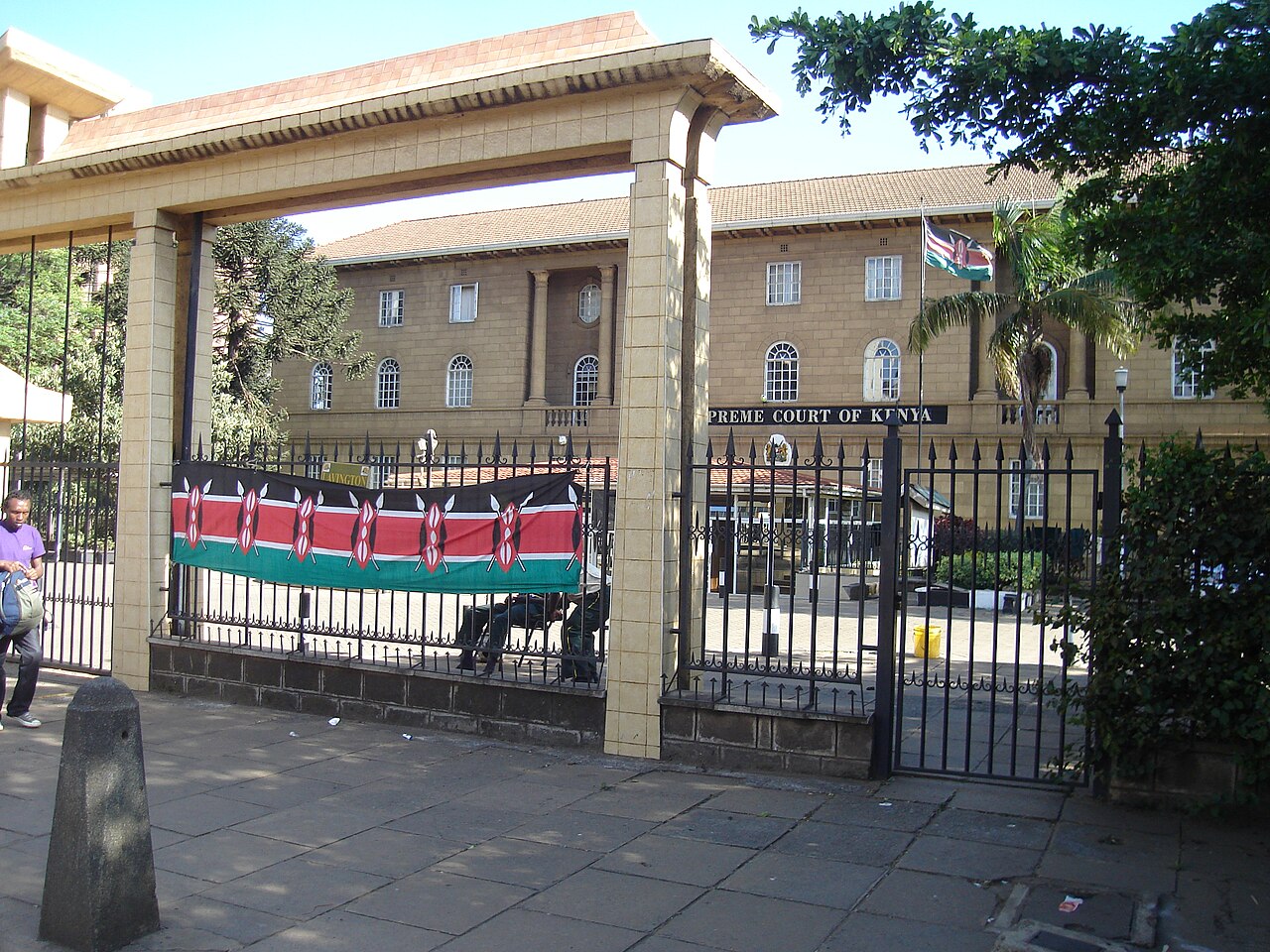
Court of Appeal and the Housing Levy: What the 2026 Ruling Means for Diaspora Property Owners and Employers
Court of Appeal and the Housing Levy: What the 2026 Ruling Means for Diaspora Property Owners and Employers
The Affordable Housing Levy has been one of the most contested fiscal measures of the past three years in Kenya. After surviving a constitutional challenge at the High Court in October 2024, the levy reached the Court of Appeal in January 2026, where five judges heard the consolidated appeals. For diaspora Kenyans who own property, employ workers in Kenya, or are considering buying Affordable Housing units, this case matters at multiple levels — compliance, cost of employment, and pipeline supply.
What the Housing Levy Is
The Affordable Housing Levy is a 1.5% deduction from gross monthly salary, matched by a 1.5% contribution from the employer, payable on every Kenyan employee. The levy was introduced in 2023 under the Affordable Housing Act and is collected by the Kenya Revenue Authority. The receipts fund the Affordable Housing Programme, which is intended to deliver hundreds of thousands of housing units across counties, with a focus on units priced below current market rates.
The High Court Decision (October 2024)
A three-judge bench made up of Justices Olga Sewe, John Chigiti, and Josephine Mong'are ruled on 22 October 2024 that the Affordable Housing Act and the Levy were properly enacted and constitutional. The bench found that there had been adequate public participation in the legislative process, dismissed arguments alleging double taxation, and rejected claims of discrimination. That ruling preserved the levy and the programme. It also paved the way for appeals to the Court of Appeal.
The Court of Appeal Hearing (January 2026)
The Court of Appeal consolidated the appeals from petitioners — primarily civil-society organisations, the Law Society of Kenya, and individual taxpayers — and the State. A five-judge bench heard the appeals on 19 January 2026. The grounds of appeal raised three principal issues: whether public participation was meaningful and adequate; whether the levy violates the equality clause of the Constitution by burdening only salaried workers and their employers; and whether the programme's design satisfies the constitutional standard for social and economic rights under Article 43. While the bench reserved its judgment, the practical implication is that the levy remains in force unless and until the Court of Appeal sets aside the High Court decision. Employers must continue to deduct and remit, and KRA continues to collect.
Implications for Diaspora Employers
For diaspora Kenyans who employ workers in Kenya — whether for a small business, a household, or a service venture — the levy adds 1.5% employer cost on every employee's gross salary. Combined with the 2.75% Social Health Authority (SHA) contribution, the 6% NSSF Tier-1 and Tier-2 contributions, and PAYE deductions, the loaded statutory cost of employment in Kenya is substantial. A diaspora employer modelling a Ksh 50,000 gross monthly salary should expect total cost-to-company, after statutory contributions and administrative overheads, to be meaningfully higher than gross. Accurate payroll modelling, ideally with a Kenyan accountant, is essential before hiring.
Implications for Diaspora Landlords and Investors
The Affordable Housing Levy does not currently impose a direct levy on rental income or on property ownership; the levy is salary-based. However, the programme it funds — the Affordable Housing Programme — is itself relevant to diaspora property investors. The supply of subsidised units affects the lower end of the rental market in major counties and may, over time, compress yields on entry-level rental properties. Diaspora investors who own studio and one-bedroom units in Nairobi, Mombasa, Kisumu, and other counties should track the rollout calendar of Affordable Housing units in their submarkets.
Diaspora buyers who are eligible to participate in the Affordable Housing Programme should also follow the Court of Appeal outcome closely. A ruling that sets aside the levy could affect the programme's funding pipeline and the speed at which planned units come to market. Conversely, a ruling that affirms the High Court would reduce constitutional uncertainty for developers and accelerate construction in approved sites.
What Has Not Changed
Until the Court of Appeal publishes its judgment, three things remain unchanged. First, deduction and remittance obligations stand. Employers who fail to deduct and remit face penalties under the Tax Procedures Act, and KRA has continued to issue compliance notices to delinquent employers. Second, the Affordable Housing Programme continues to allocate units to verified applicants through eCitizen-based systems. Third, employees remain entitled to bid for units under the programme.
Risk Considerations and Planning
Diaspora employers should not stop deducting the levy based on speculation about the Court of Appeal outcome. If the levy is ultimately set aside, KRA will issue guidance on refunds or credits. Self-help — withholding the deduction now in anticipation of a favourable ruling — exposes the employer to penalties and back-taxes if the levy is upheld. Diaspora investors with off-plan deposits in private developments adjacent to Affordable Housing sites should review their developer's exposure. A developer whose financial model depends on Affordable Housing pricing assumptions may be vulnerable to changes in programme funding. Engage with the developer's quarterly updates and request transparency on construction progress, sales velocity, and cross-financing.
Memoranda and Public Participation
Even with the Court of Appeal still seized of the matter, Parliament continues to debate amendments to the Affordable Housing Act and to the Finance Bill that affect the levy's administration. Diaspora associations and individual taxpayers can submit memoranda to the relevant Departmental Committee during the Finance Bill 2026 public-participation window. Specific, evidence-based submissions — for example, calculations showing the disproportionate burden on certain salary bands — are more likely to influence committee thinking than general objections.
What to Watch Next
Three signals will shape the next twelve months. First, the Court of Appeal's reserved judgment in the consolidated levy appeals. Second, the National Assembly's handling of any amendments to the Affordable Housing Act that may be proposed alongside the Finance Bill 2026. Third, public reports from the Ministry of Lands and Physical Planning on the actual delivery of housing units relative to plan. Diaspora Kenyans who follow these three signals will be positioned to make sound payroll, investment, and home-purchase decisions.
Final Thought
The Housing Levy is one of the most consequential fiscal innovations of recent years in Kenya, and its constitutional fate is still being decided. Diaspora Kenyans — particularly employers and investors — should plan for the levy to remain in force until the Court of Appeal rules otherwise. Stay compliant, keep accurate payroll records, and follow the programme's delivery rather than only its politics. The houses that get built, and the units that get allocated, will matter more in the long run than the levy itself.
More Articles

The Multiparty Era Reforms: Saba Saba, the Repeal of Section 2A and Kenya's Return to Political Pluralism
Jul 02, 2026

Eye Care in Kenya: Cataract, Trachoma and the Long Road to Universal Vision Health
Jul 02, 2026

Shaba National Reserve: Joy Adamson's Last Wilderness and Isiolo's Semi-Desert Safari Gem
Jul 02, 2026

The Rendille People of Northern Kenya: Camel Pastoralism, Clan Traditions and a Culture Under Pressure
Jul 02, 2026

Ukulima Sacco: From Ministry of Agriculture Staff Society to a National Cooperative Open to All Kenyans
Jul 02, 2026